Bow Tie Pasta Salad: Western-Inspired Complete Guide
Master the art of creating a hearty, crowd-pleasing pasta salad with western flair
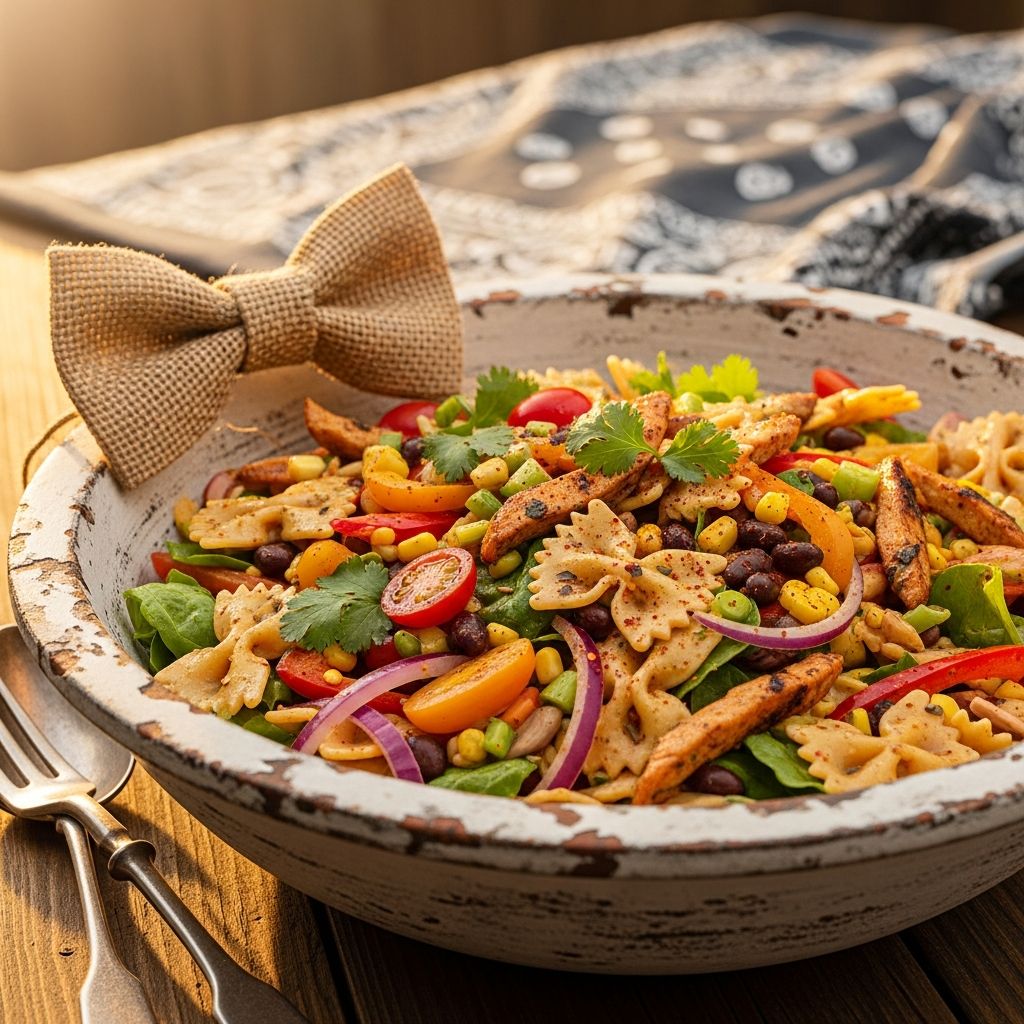
Bow tie pasta salad with a western twist has become a beloved staple at summer gatherings, picnics, and family dinners across North America. This versatile dish combines the hearty satisfaction of tender pasta with robust flavors inspired by ranch-style cooking traditions. The beauty of this recipe lies in its flexibility—while the core components remain consistent, home cooks can customize vegetables, proteins, and dressings to match their preferences and dietary needs.
Understanding the Foundation of Western Pasta Salad
The appeal of western-style bow tie pasta salad stems from its balanced combination of textures and flavors. Unlike lighter Mediterranean pasta salads that emphasize delicate herbs and olive oil, western versions typically feature bolder, smoky, and savory elements that remind diners of authentic ranch cuisine. The dish serves as an excellent vehicle for incorporating smoky proteins, hearty legumes, and crisp vegetables into a single satisfying course.
The base of any successful western pasta salad begins with properly cooked bow tie pasta. Also known as farfalle, this distinctive shape holds dressing and ingredients effectively within its ridges and curves, ensuring every forkful delivers consistent flavor throughout the dish. The pasta should be cooked to al dente—tender yet still maintaining a slight firmness when bitten—as this texture holds up better during mixing and storage compared to softer, overcooked pasta.
Essential Components and Their Roles
Protein Elements
Western pasta salad traditionally incorporates multiple protein sources that contribute distinct flavors and textural variety. Bacon represents the cornerstone protein, providing crispy texture and distinctive smoky richness that defines the western character of the dish. Cooking bacon until fully crisp ensures it maintains its textural integrity when combined with other ingredients, rather than becoming soft or chewy over time.
Ground beef or alternative proteins like kielbasa sausage add substantial, meaty depth. When using ground beef, selecting lean varieties prevents the finished salad from becoming excessively greasy. Brown the meat thoroughly, then incorporate taco seasoning to infuse it with characteristic western flavors including cumin, chili powder, and garlic. This seasoning approach creates the foundation for the salad’s distinctive taste profile without requiring additional preparation steps.
Legumes and Vegetables
Canned black beans and corn kernels provide both nutritional substance and visual appeal. These ingredients contribute natural sweetness that balances the savory proteins while offering dietary fiber. Cherry tomatoes, diced red onions, and chopped bell peppers introduce freshness and textural contrast against the soft pasta and tender meat components.
Optional additions like cilantro, jalapeños, and green onions allow for personalization while maintaining the western aesthetic. The combination of fresh and preserved vegetables creates complexity—the juiciness of fresh tomatoes contrasts beautifully with the firm bite of raw onions and peppers.
Cheese Selection
Sharp cheddar cheese, cut into small cubes rather than shredded, provides creamy richness while maintaining distinct texture within the salad. The semi-firm nature of cubed cheese means individual pieces don’t dissolve during mixing and storage as readily as finely shredded varieties. This textural consideration becomes increasingly important for salads prepared in advance.
Dressing Variations and Flavor Profiles
The dressing transforms disparate ingredients into a cohesive dish. Western versions typically employ one of three primary approaches, each offering distinct flavor characteristics.
BBQ-Inspired Dressing
This approach combines mayonnaise with barbecue sauce and Worcestershire sauce, creating a creamy, tangy-sweet base. The mayonnaise provides the dressing’s structural foundation, while barbecue sauce introduces caramelized, smoky undertones. Worcestershire sauce adds umami depth and subtle anchovy complexity. This dressing style appeals to those who enjoy pronounced, familiar flavors reminiscent of classic American barbecue.
Lime-Based Vinaigrette
More adventurous cooks might prepare a bright dressing combining fresh lime juice and zest with garlic, cumin, chili powder, and olive oil. This approach introduces Latin-influenced flavors while maintaining the western character through spice selection. The acidic nature of fresh lime juice helps preserve the salad’s freshness and prevents ingredients from becoming soggy, as the oil-based emulsion coats rather than saturates components.
Traditional Vinegar-Based Option
A classic approach whisks together red wine vinegar with herbs, garlic, and olive oil, creating a balanced, traditional vinaigrette. This option suits those who prefer restraint in flavoring, allowing individual components to maintain distinct identities within the larger composition.
Step-by-Step Assembly Process
Proper sequencing ensures optimal flavor development and textural consistency in the finished salad. Begin by preparing all components separately so they can reach appropriate temperatures and textures before combining.
Pasta preparation: Bring a large pot of salted water to boil, then add pasta and cook according to package directions until al dente. Drain thoroughly, then rinse under cold water to stop the cooking process and remove surface starch. Spreading cooled pasta on a large plate prevents clumping and allows more even distribution of dressing during assembly.
Protein cooking: While pasta cooks, brown ground beef in a large skillet over medium-high heat, breaking it into small pieces as it cooks. Once beef reaches desired doneness, add taco seasoning and black beans, stirring well and cooking for approximately two minutes. Transfer to a clean bowl and allow to cool to room temperature before incorporating into the salad base. Simultaneously, cook bacon until fully crisp, then crumble into bite-sized pieces once cooled.
Assembly: Combine cooled pasta with all vegetables, cheeses, and proteins in a large mixing bowl. Rather than immediately adding dressing, gently stir dry ingredients together using a folding motion to distribute components evenly. This approach prevents certain ingredients from settling to the bowl’s bottom while others remain on top. After confirming even distribution, add dressing and toss gently but thoroughly to coat all elements.
Storage and Make-Ahead Considerations
Western bow tie pasta salad improves with several hours of refrigeration, as resting time allows flavors to meld and develop complexity. Most versions maintain quality for three days when stored in airtight containers, though the pasta may absorb additional dressing and become softer after extended storage. For gatherings requiring the salad’s fresh quality, prepare components separately and combine immediately before serving. This approach allows hosts to showcase optimal texture and flavor while ensuring food safety standards are maintained.
When preparing salad in advance, consider storing dressing separately and tossing ingredients shortly before service. This technique preserves pasta texture and prevents vegetables from becoming overly soft or soggy during storage hours.
Customization Framework for Dietary Preferences
| Preference Category | Original Component | Alternative Options |
|---|---|---|
| Protein | Ground beef or kielbasa | Ground turkey, grilled chicken, smoked salmon, tofu |
| Vegetarian protein | Bacon | Tempeh bacon, smoked paprika-seasoned nuts |
| Legumes | Black beans and corn | Black-eyed peas, pinto beans, chickpeas |
| Dairy-free cheese | Cheddar | Nutritional yeast, cashew cheese, dairy-free alternatives |
| Dressing base | Mayonnaise | Greek yogurt, sour cream, olive oil emulsion |
Frequently Asked Questions
Can bow tie pasta salad be prepared the night before a gathering?
Yes, western bow tie pasta salad actually develops improved flavor when made 24 hours in advance. However, if preparing ahead, consider storing dressing separately and tossing ingredients 30 minutes before serving to maintain optimal pasta texture. This approach prevents the pasta from absorbing excessive moisture and becoming mushy.
What causes bow tie pasta to become mushy in pasta salad?
Over-cooking the pasta initially represents the primary culprit, followed by prolonged exposure to dressing. Always cook pasta to al dente, and avoid over-stirring once dressing is added, as excessive agitation breaks down the pasta’s structure. Some cooks reserve a small portion of undressed pasta to add just before serving if extended storage is anticipated.
How can the salad’s dressing be adjusted for dietary restrictions?
Oil-based vinaigrettes work well for those avoiding mayonnaise or dairy products. Greek yogurt can replace standard mayonnaise while maintaining creamy texture in BBQ-style dressings. For lower-fat preparations, reduce oil quantities by 25 percent and balance with additional acid from vinegar or citrus juice.
What vegetables work best if fresh options are unavailable?
Frozen corn and canned tomatoes serve as reliable substitutes for fresh varieties. Frozen pepper strips work acceptably, though they offer softer texture than fresh versions. Thaw frozen vegetables completely and drain excess moisture before incorporating to prevent diluting the dressing.
Does bow tie pasta salad work for meal planning throughout the week?
This salad serves as an excellent meal-prep component. Prepare larger batches and portion into individual containers for convenient weekday lunches. The salad maintains quality throughout a standard work week when stored properly in airtight containers. Stir gently before consuming to redistribute dressing that may have settled.
Serving Suggestions and Presentation Ideas
Present western bow tie pasta salad in clear glass bowls to showcase ingredient diversity and appeal to visual diners. Individual portions served in mason jars create attractive presentation for casual gatherings while providing convenient transportation. Garnish finished salad with fresh cilantro, additional crumbled bacon, or diced jalapeños to heighten visual interest and suggest flavor complexity.
Western pasta salad pairs excellently alongside grilled meats, particularly barbecued chicken or beef. The bright, fresh elements complement smoky grilled proteins while the creamy dressing provides textural contrast to charred meat. Serve as part of a composed plate arrangement at sit-down gatherings or present in a large communal bowl for family-style service.
Nutritional Considerations and Balance
While western bow tie pasta salad provides substantial protein from its multiple meat components and legumes, portion sizes should reflect the dish’s richness. The combination of mayonnaise-based or oil-heavy dressings, cheese, and proteins creates a calorie-dense side dish suitable for balancing lighter main courses. Incorporating additional vegetables beyond the standard recipe increases dietary fiber content while maintaining the dish’s western character.
For those monitoring sodium intake, use low-sodium canned beans and reduced-sodium taco seasoning packets. Homemade dressings allow greater control over salt content compared to pre-made versions that often contain substantial sodium quantities.
Tips for Achieving Restaurant-Quality Results
Season the pasta water generously with salt before cooking—this step seasons the pasta itself rather than requiring additional salt in the dressing. Use high-quality bacon, as premium varieties offer superior flavor compared to standard grocery store options. When constructing the salad, ensure all components have reached room temperature or are properly chilled, as temperature consistency prevents condensation and separation within stored containers.
Invest time in proper ingredient preparation: cut vegetables into uniform sizes for balanced visual presentation and consistent texture, toast coriander seeds if using whole spices in homemade dressings to enhance aromatic qualities, and crumble bacon immediately before assembly to maintain maximum crispness.
References
- Culinary Institute of America Professional Chef Standards — Culinary Institute of America. 2023-06-15. https://www.ciachef.edu/
- USDA FoodData Central: Pasta Nutritional Composition — United States Department of Agriculture. 2024-01-10. https://fdc.nal.usda.gov/
- Safe Food Storage Guidelines — Food Safety and Inspection Service, USDA. 2025-03-20. https://www.fsis.usda.gov/food-safety/safe-food-handling-and-preparation
- Protein Complementarity in Plant-Based Cuisine — Journal of the Academy of Nutrition and Dietetics. 2024-02-01. https://jandonline.org/
- Flavor Development Through Emulsification — International Journal of Culinary Science. 2023-11-15. https://www.tandfonline.com/
Similar Articles



Read full bio of medha deb