Volcanic Wines Guide
Discover the unique flavors and origins of wines from volcanic soils worldwide.
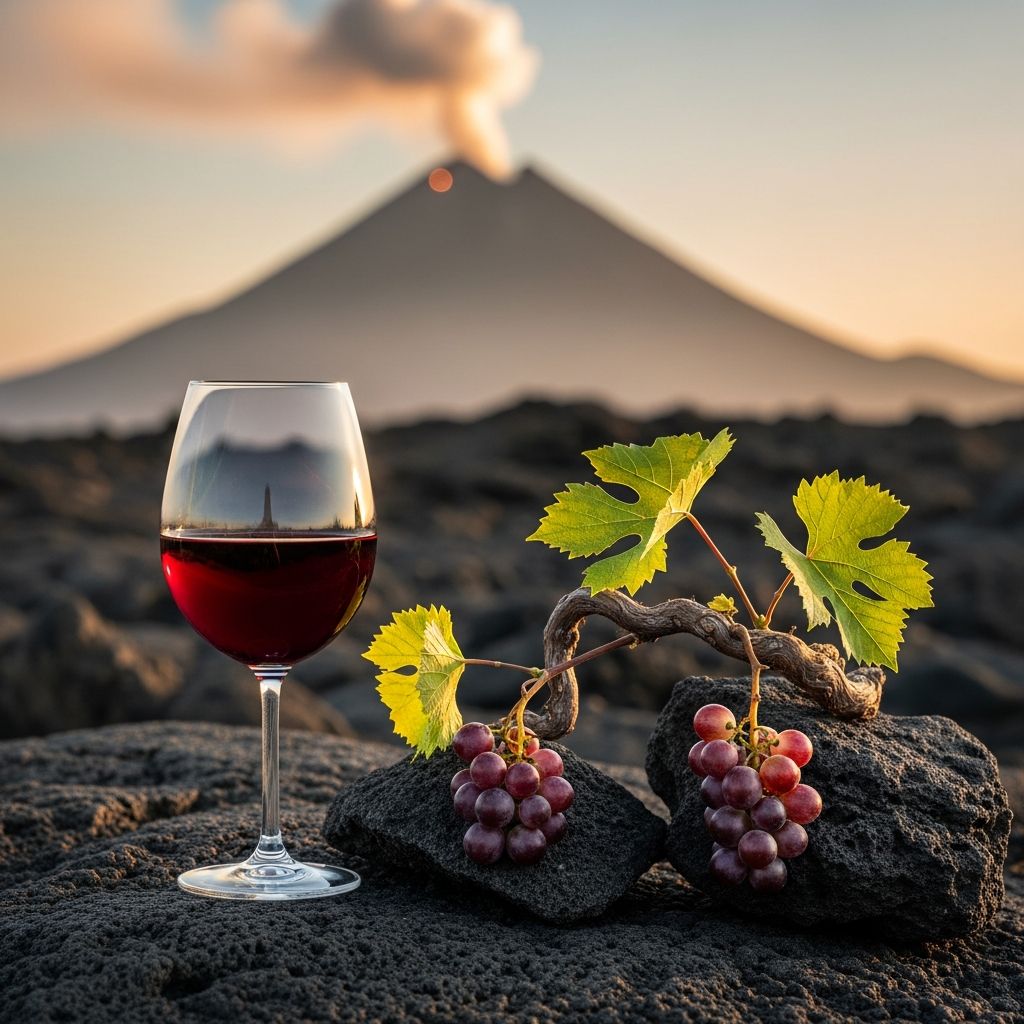
Wines produced from vines rooted in volcanic soils offer a distinctive profile marked by intense minerality, subtle smokiness, and remarkable freshness. These characteristics arise from the unique geology of regions shaped by ancient or active volcanoes, where ash, lava, and pumice create fertile yet challenging growing conditions.
The Science Behind Volcanic Terroir
Volcanic soils stand out due to their composition, rich in minerals like iron, magnesium, phosphorus, and copper. These elements contribute to the wines’ complexity, often described as having an earthy, saline quality that enhances fruit flavors rather than overpowering them. The free-draining nature of ash and pumice prevents waterlogging, stressing vines to produce concentrated grapes with high acidity and balanced structure.
Unlike typical soils, volcanic ones resist phylloxera, allowing many regions to maintain ungrafted, old vines that yield small but flavorful berries. This phylloxera-free status is a boon in places like Sicily’s Etna and the Canary Islands, preserving genetic diversity in indigenous grapes.
Signature Flavors of Volcanic Wines
Common threads in volcanic wines include a chalky minerality, volcanic smokiness, and vibrant acidity. Reds often show dark cherry, leather, and spice, while whites display citrus, herbs, and a salty edge. These traits make them versatile for food pairings, from grilled meats to fresh seafood.
- Minerality: A wet-stone or flinty note from mineral uptake.
- Smokiness: Echoing the volcanic origins with subtle ash-like aromas.
- Acidity: Elevated levels providing longevity and refreshment.
- Texture: Silky tannins in reds, creamy yet crisp whites.
Prime Volcanic Regions Around the Globe
Volcanic wine production spans continents, each area imprinting its local geology and climate on the grapes.
Mount Etna, Sicily, Italy
Etna, Europe’s most active volcano, dominates Sicily’s eastern coast. Vineyards climb its slopes up to 1,000 meters, on soils of black lava, ash, and sand loaded with minerals. Nerello Mascalese, the star red grape, produces elegant, Nebbiolo-like wines with red fruit, herbs, and volcanic tension. Whites from Carricante offer almond, peach, and saline notes. Etna’s high-altitude sites yield structured wines that age gracefully.
Canary Islands, Spain
This Atlantic archipelago features eight volcanic islands, all phylloxera-free with sandy, mineral-rich soils. Tenerife and Lanzarote shine with Listán Negro for reds and rosés showing wild berries, pepper, and earth. Malvasia and Listán Blanco craft aromatic whites. Vines here, often bush-trained, endure arid winds, resulting in intense, age-worthy wines.
Campania and Basilicata, Southern Italy
Near Mount Vesuvius and Vulture volcano, these areas produce robust wines. Aglianico del Vulture reds boast dark fruit, smoke, chocolate, and firm tannins from iron-rich soils. Vesuvius yields Piedirosso and Aglianico with spicy, mineral-driven profiles. Lacryma Christi wines, meaning ‘tears of Christ,’ highlight indigenous varieties like Caprettone for whites.
Emerging Spots: Oregon, Chile, and Beyond
In the U.S., Oregon’s Dundee Hills and Lake County’s high-elevation sites around Mount Konocti produce Pinot Noir and Cabernet Sauvignon with volcanic finesse. Chile’s Traiguén area offers Chardonnay from ancient soils. Santorini, Greece, delivers Assyrtiko whites with lemon, smoke, and maritime salinity.
Top Volcanic Wine Recommendations
Here are standout bottles showcasing volcanic diversity, selected for accessibility and quality.
| Wine | Region | Grape | Key Notes | Price Range |
|---|---|---|---|---|
| Bodega Los Bermejos Listán Negro Rosado 2023 | Lanzarote, Spain | Listán Negro | Strawberry, pepper, earthy depth | $30-35 |
| Los Loros Listán Negro 2021 | Tenerife, Spain | Listán Negro | Wild cherry, savory spice, volcanic sand | $30-35 |
| Envínate ‘Migan’ Tinto 2021 | Tenerife, Spain | Listán Negro | Century-old vines, elevation-driven intensity | $35-40 |
| Baettig Vino De Viñedo ‘Los Parientes’ Chardonnay 2022 | Traiguén, Chile | Chardonnay | Mineral freshness, orchard fruit | $30-35 |
| Belle Pente ‘Murto Vineyard’ Pinot Noir 2019 | Dundee Hills, Oregon | Pinot Noir | Red fruit, earth, silky texture | $40-45 |
Pairing Volcanic Wines with Food
Their acidity and minerality make volcanic wines ideal for bold flavors. Etna Rosso pairs with roasted lamb or mushroom risotto, enhancing earthy notes. Canary Island rosés complement grilled octopus or spicy sausages. Vulture Aglianico stands up to barbecue ribs, while Santorini Assyrtiko refreshes with shellfish or goat cheese.
- Reds: Game meats, smoked foods, aged cheeses.
- Whites: Seafood, citrus salads, herb-crusted fish.
- Rosés: Charcuterie, tapas, light pasta.
Tips for Buying and Storing Volcanic Wines
Seek bottles labeled from Etna DOC, Aglianico del Vulture, or Canary Island DOs for authenticity. Prioritize producers using indigenous grapes and minimal intervention. Store at 55°F in cool, dark conditions; most benefit from 1-2 years aging, with premium examples lasting a decade.
Start with entry-level options under $40, then explore single-vineyard expressions. Online retailers and natural wine shops often stock these gems.
Health and Sustainability Notes
Many volcanic producers embrace organic or biodynamic practices, leveraging the soils’ natural pest resistance. Low-sulfite options from Vesuvius highlight clean winemaking.
Frequently Asked Questions
What makes volcanic wines taste mineral?
The high mineral content in volcanic soils—iron, copper, magnesium—transfers to grapes, creating flinty, salty sensations.
Are volcanic wines always red?
No, whites like Carricante and Assyrtiko are prominent, often more expressive of terroir.
Which country produces the most volcanic wines?
Italy leads with Etna, Vesuvius, and Vulture, followed by Spain’s Canaries.
Do volcanic wines age well?
Yes, their acidity and structure support 10+ years for top examples.
Where to find volcanic wines in the U.S.?
Specialty shops in Portland or NYC; online from importers focusing on natural wines.
References
- The 8 Best Volcanic Wines, According to Experts — SevenFifty Daily. 2024. https://daily.sevenfifty.com/the-8-best-volcanic-wines-according-to-experts/
- The Wild World of Volcanic Wines — Wine-Searcher. N/A. https://www.wine-searcher.com/select/volcanic-wines
- A Beginner’s Guide to Volcanic Wines — L’OCCASION (Jill Barth). 2016-09-03. https://jillbarth.wordpress.com/2016/09/03/a-beginners-guide-to-volcanic-wines/
- Volcanic Wines – What You Need to Know — Cellars Wine Club. N/A. https://cellarswineclub.com/volcanic-wines-what-you-need-to-know/
- 5 to Try: Volcanic Wines — Imbibe Magazine. N/A. https://imbibemagazine.com/5-to-try-volcanic-wines/
Similar Articles







Read full bio of medha deb