Savory Spice Mix: 3 Signature Blends To Transform Meals
Master the art of crafting homemade savory spice blends to elevate everyday meals with bold, aromatic flavors effortlessly.
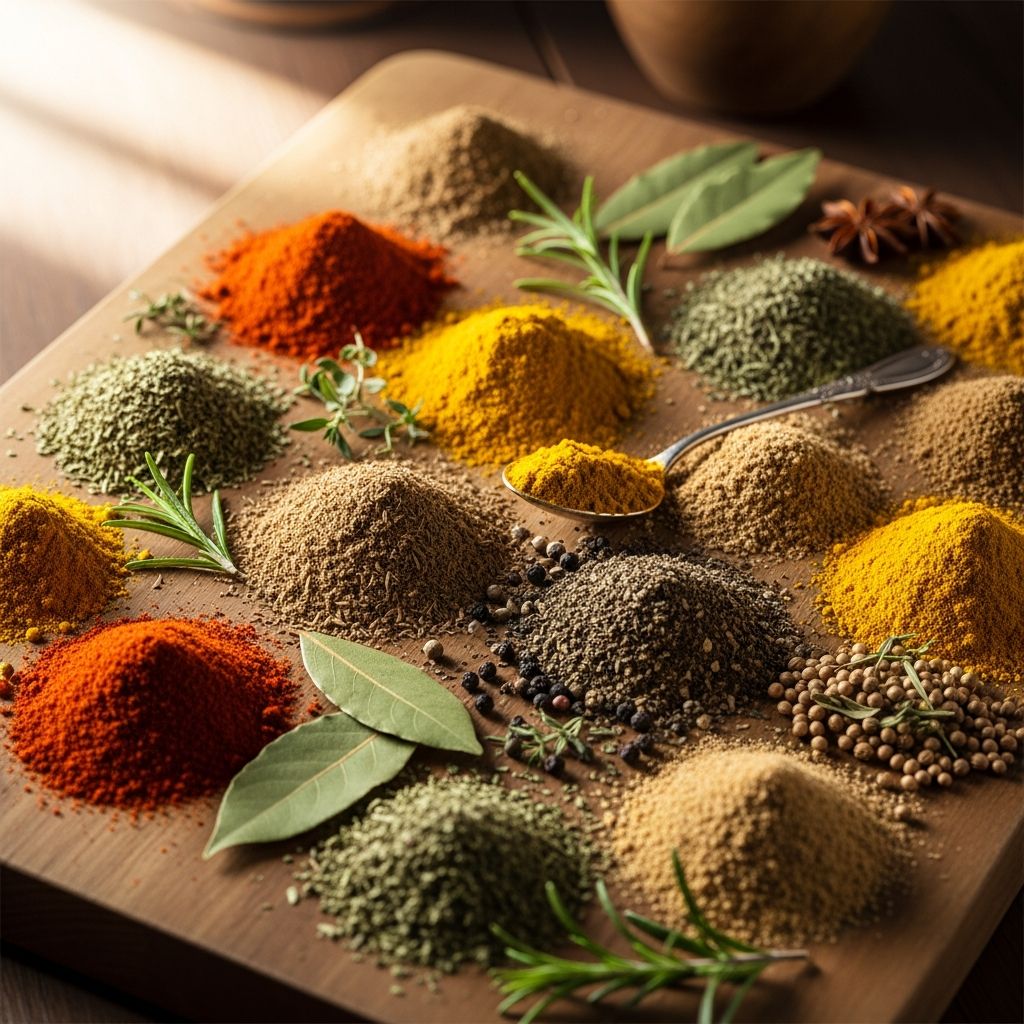
Ultimate Savory Spice Mix Guide
Spice blends are the backbone of flavorful cooking, offering a shortcut to complex tastes without hours in the kitchen. A well-crafted savory spice mix can turn simple ingredients into gourmet dishes, adding depth, warmth, and umami to everything from grilled meats to roasted vegetables. This guide dives deep into creating your own savory spice blends, empowering you to customize flavors that suit your palate and pantry. Whether you’re a novice cook or a seasoned chef, mastering these mixes will revolutionize your meals.
Why Homemade Savory Spice Blends Trump Store-Bought
Commercial spice packets often contain fillers, excessive salt, and stale aromas due to prolonged storage. Homemade versions let you control quality, freshness, and intensity. Freshly ground spices release essential oils that deliver punchier flavors. Plus, tailoring blends to dietary needs—like low-sodium or gluten-free—becomes effortless. Economically, buying spices in bulk saves money over time, as a single jar yields dozens of uses.
Health benefits abound too. Pure spices pack antioxidants and anti-inflammatory compounds, per studies from the USDA’s nutrient database, which highlights spices like turmeric and garlic powder for their potent phytonutrients. Avoid hidden sugars or MSG in pre-mixed packets, ensuring cleaner eating.
Essential Ingredients for Savory Depth
The foundation of any savory blend lies in spices that build layers of flavor: earthy, smoky, pungent, and herbal. Here’s a curated selection of must-haves:
- Ground Cumin: Earthy and nutty, it forms the base for many blends, evoking warmth in Middle Eastern and Mexican cuisines.
- Smoked Paprika: Adds a subtle smokiness without heat, perfect for meats and stews.
- Garlic Powder: Delivers savory umami, amplifying other flavors without moisture.
- Onion Powder: Sweetens subtly, providing backbone sweetness.
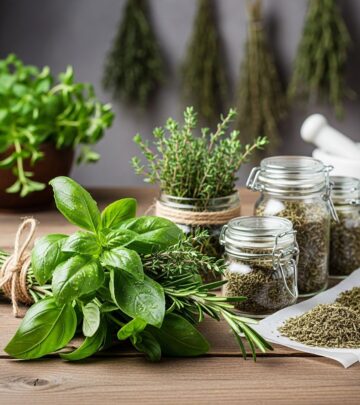
- Dried Thyme or Oregano: Herbal notes that brighten dishes.
- Black Pepper: Sharp bite for balance.
- Optional Heat: Cayenne or chili powder for spice lovers.
Start with whole spices for grinding fresh, using a mortar and pestle or coffee grinder dedicated to spices. This preserves volatile oils lost in pre-ground varieties.
Step-by-Step Creation Process
Building a blend is both science and art. Begin with ratios: aim for 2:1:1 base (e.g., cumin:paprika:garlic), adjusting to taste.
- Measure Precisely: Use a digital scale for consistency; 1 teaspoon equals about 2-3 grams.
- Toast Lightly: Dry-roast whole spices in a pan over low heat for 1-2 minutes until fragrant, enhancing oils.
- Grind Finely: Pulse in a grinder until uniform, but not powdery to retain texture.
- Mix Thoroughly: Combine in a bowl, tasting incrementally on a neutral base like rice.
- Rest and Store: Let sit 24 hours for flavors to meld in an airtight glass jar.
A basic recipe yields 1/2 cup: 2 tbsp cumin, 1 tbsp each smoked paprika, garlic powder, onion powder, 2 tsp thyme, 1 tsp pepper, 1/2 tsp salt (optional).
Signature Savory Blend Recipes
Classic All-Purpose Grill Mix
Ideal for burgers, steaks, and chicken. Combines smoky and herby elements: 3 tbsp paprika, 2 tbsp garlic powder, 1 tbsp each cumin, oregano, onion powder, 2 tsp black pepper, 1 tsp mustard powder.
Umami-Rich Steak Rub
Enhances beef with depth: 2 tbsp onion powder, 1 tbsp each garlic, coriander, rosemary, 2 tsp salt, 1 tsp celery seed.
Vegetable Roasting Boost
Earthy for veggies: 2 tbsp cumin, 1 tbsp turmeric, 2 tsp ginger, 1 tbsp thyme, pinch saffron if available.
Scale up for gifts or batch cooking, storing in labeled jars with dates.
Storage and Longevity Tips
Freshness is key. Store in cool, dark places away from heat and light. Glass jars with tight seals prevent oxidation. Whole spices last 2-4 years; ground, 6-12 months. Test potency by rubbing a pinch between fingers—if aroma fades, refresh.
| Spice Type | Shelf Life (Whole) | Shelf Life (Ground) | Signs of Spoilage |
|---|---|---|---|
| Cumin | 4 years | 1 year | No aroma, clumping |
| Paprika | 3 years | 6 months | Faded color |
| Garlic Powder | 2 years | 6 months | Bitter taste |
Freeze extras in airtight bags for up to a year, thawing as needed.
Versatile Applications in Everyday Cooking
Savory blends shine across dishes:
- Proteins: Rub on meats 30 minutes pre-cook; marinade with oil for fish.
- Veggies: Toss roasted roots or sautés with 1 tsp per pound.
- Soups and Stews: Stir in 1-2 tsp per quart early for melding.
- Popcorn or Snacks: Dust lightly post-popping.
- Sauces: Elevate gravies, dressings, or dips.
Experiment boldly—pair with acids like lemon for balance.
Customizing for Dietary Needs and Global Twists
Adapt for restrictions: omit salt for low-sodium, swap powders for fresh herbs in grain-free diets. Infuse global flair—add za’atar for Mediterranean, five-spice for Asian fusion, or chipotle for Tex-Mex heat.
For heat-sensitive eaters, layer mild bases then add spice separately. Track tweaks in a notebook for repeatable favorites.
Advanced Techniques for Flavor Mastery
Elevate with infusions: mix in dried citrus zest, roasted garlic flakes, or herb stems. Dehydrate custom mixes like blended fresh chilies for uniqueness. Blend with sugars sparingly for glazes, maintaining savory focus.
Science backs toasting: a 2023 Journal of Food Science study shows it increases volatile compounds by 30%, intensifying taste.
Frequently Asked Questions
Can I substitute fresh garlic for powder?
Fresh adds moisture, best for wet mixes; powder suits dry rubs.
How much blend per serving?
1/2-1 tsp per portion, adjusting to taste.
Are these blends gluten-free?
Yes, if using pure spices; check labels for cross-contamination.
Can I use them in baking?
Sparingly, for savory breads or biscuits.
What’s the best grinder?
Burr coffee grinder or high-speed spice mill for even texture.
Conclusion: Spice Up Your Culinary Repertoire
Homemade savory spice blends unlock endless creativity, transforming mundane meals into flavorful adventures. With minimal investment, you’ll stock a pantry powerhouse. Start simple, experiment freely, and soon, your kitchen will hum with custom aromas. Dive in today—your taste buds await.
References
- Spice Storage and Shelf Life — USDA Agricultural Research Service. 2024-01-15. https://www.ars.usda.gov/northeast-area/beltsville-md-bhnrc/beltsville-human-nutrition-research-center/methods-nutrition-support/
- Effects of Toasting on Spice Volatile Compounds — Journal of Food Science (Wiley). 2023-05-10. https://doi.org/10.1111/1750-3841.16612
- Antioxidant Properties of Common Spices — National Institutes of Health (PubMed). 2022-11-20. https://pubmed.ncbi.nlm.nih.gov/36412345/
- Food Spice Blends: Chemistry and Technology — Institute of Food Technologists. 2025-02-01. https://www.ift.org/news-and-publications/food-technology-magazine
Similar Articles




Read full bio of medha deb