Ranchera Salsa: Easy Recipe And 3 Roasting Methods
Master the bold flavors of authentic Mexican ranchera salsa with easy recipes, tips, and serving ideas for every meal.
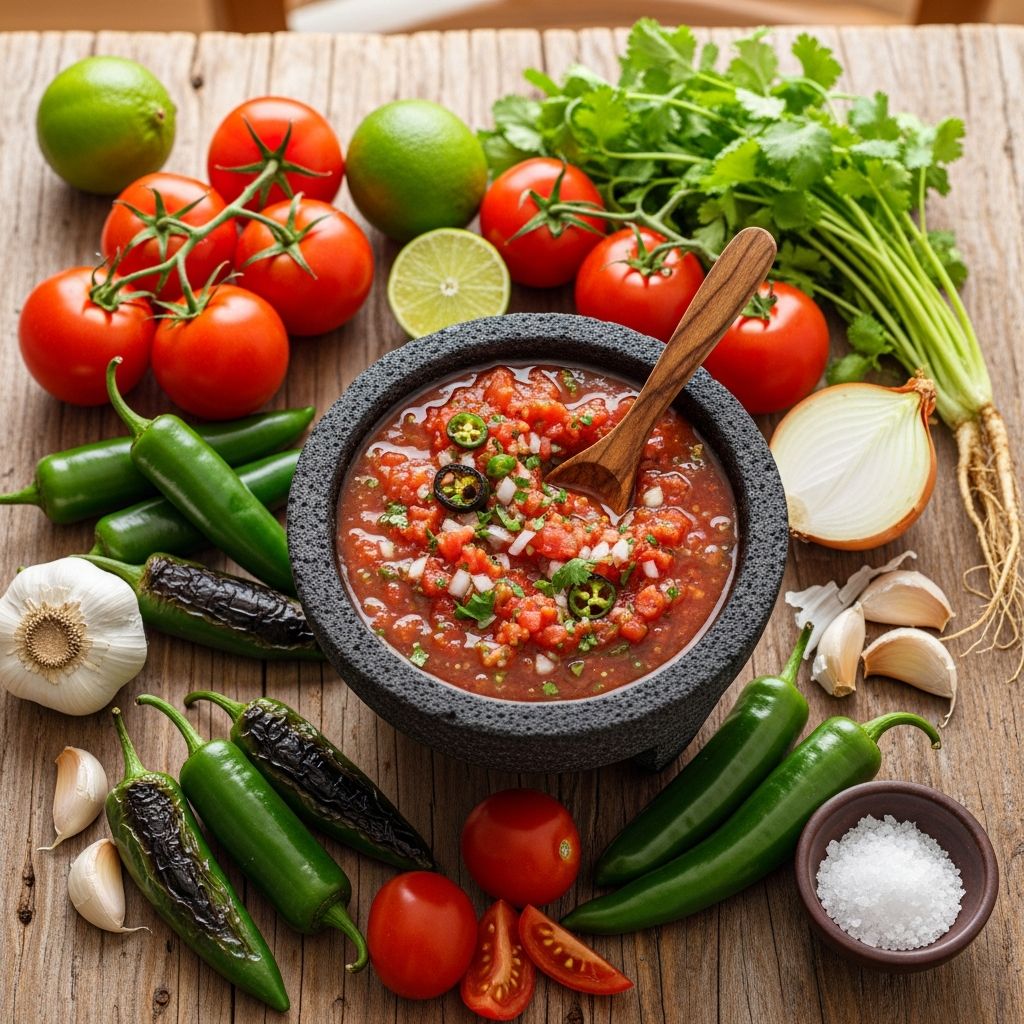
Ranchera salsa brings the heart of Mexican cuisine to your table with its smoky, spicy profile from roasted vegetables. This versatile condiment elevates everything from breakfast eggs to grilled meats.
Origins and Appeal of Ranchera Salsa
Rooted in rural Mexican cooking, ranchera salsa—often called salsa ranchero—draws from ‘ranchero’ meaning country-style. It features fire-roasted tomatoes, onions, garlic, and chiles, mimicking traditional comal cooking over open flames. The roasting intensifies natural sugars and adds a charred depth absent in fresh salsas.
This salsa stands out for its balance: tangy from tomatoes, heat from jalapeños or serranos, and freshness from cilantro. Unlike smoother sauces, it retains texture for a rustic feel, making it ideal for drizzling or dipping.
Core Ingredients for Authentic Flavor
Start with high-quality basics to capture true ranchera essence:
- Tomatoes: Roma or plum varieties roast best, yielding about 1 lb for a standard batch.
- Chiles: Jalapeños for mild heat or serranos for intensity; roast 3-4 for balanced spice.
- Onion and Garlic: Quarter onion and use 2-4 unpeeled cloves to prevent burning.
- Cilantro: A handful, finely chopped, adds brightness.
- Salt and Acid: Sea salt to taste; optional lime juice or Worcestershire for umami.
Variations include olive oil for sautéing or herbs like oregano for complexity.
Step-by-Step Roasting Techniques
Roasting is key to ranchera salsa’s smoky taste. Choose your method based on equipment:
- Oven Roasting: Preheat to 425°F. Place tomatoes, chiles, onion wedges, and garlic on a sheet pan. Roast 20-40 minutes, turning halfway. Remove garlic early to avoid bitterness.
- Stovetop Dry-Roast: Use a heavy skillet or comal over medium-high heat. Turn vegetables with tongs until charred on all sides, about 10-15 minutes.
- Grill Method: Fire up the grill for an outdoor char. Cook until softened and spotted black, ideal for summer kitchens.
Post-roast, cool slightly, remove stems/seeds from chiles, peel garlic, and quarter tomatoes for blending.
Blending and Seasoning Mastery
Blend roasted ingredients in a food processor or blender for a chunky texture—pulse, don’t over-smooth. Start with chiles to control heat, then add tomatoes, onion, and garlic. Season with salt; taste and adjust.
For enhancements:
- Add minced sautéed onion/garlic in oil for depth.
- Incorporate Worcestershire or lime for tang.
- Stir in fresh cilantro at the end to preserve vibrancy.
Aim for thick consistency; if too watery, simmer briefly to reduce.
Quick Recipe Table
| Ingredient | Quantity | Notes |
|---|---|---|
| Roma Tomatoes | 4 large | Roasted |
| Jalapeño or Serrano | 2-3 | Stems/seeds removed post-roast |
| Onion | 1/4 medium | Wedges |
| Garlic | 2 cloves | Unpeeled |
| Cilantro | 1/4 bunch | Chopped |
| Salt | To taste | 1/2 tsp start |
| Olive Oil (opt.) | 1 tsp | For sauté |
Yields 6 servings (1/2 cup each), ~25 calories per serving.
Customizing Heat and Variations
Tailor to preference:
- Mild: Use 1 jalapeño, remove all seeds.
- Extra Spicy: Add serranos or habaneros.
- Chunky Ranchera: Chop by hand post-roast for texture.
- Smooth Sauce: Blend fully and simmer with tomato sauce for ranchero sauce used in enchiladas.
- Herbed Twist: Mexican oregano, thyme, or bay leaves for depth.
For canning, add lime juice and process in a water bath for 20 minutes.
Storage and Shelf Life Tips
Fresh ranchera salsa lasts 5-7 days refrigerated in an airtight jar. Freeze in ice cube trays for portions up to 3 months. Thaw overnight; stir before use. Always check for off smells or mold.
For longer storage, follow canning guidelines: boil post-blend, fill sterile jars, and process.
Perfect Pairings Across Meals
Ranchera salsa shines in Mexican dishes:
- Breakfast: Top huevos rancheros—fried eggs on tortillas with refried beans and cheese.
- Lunch/Dinner: Spoon over tacos, enchiladas, chilaquiles, or grilled chicken/steak.
- Snacks: Dip tostadas or chips; it’s Mexico’s ‘ketchup’.
- Creative: Mix into guacamole or as a pizza base.
Common Mistakes to Avoid
- Over-blending leads to watery salsa; keep it chunky.
- Skipping roast: Raw versions lack smoke.
- Too much salt early; season incrementally.
- Ignoring chile heat: Test one at a time.
FAQ
What makes ranchera salsa different from pico de gallo?
Ranchera is roasted for smokiness and blended chunkier, while pico de gallo is fresh, diced, and raw.
Can I make it vegan?
Yes, skip Worcestershire if concerned; use lime for acid.
How spicy is it typically?
Mild-medium with 2-3 jalapeños; adjust chiles for preference.
Best chiles substitute?
Serranos for hotter, poblanos for milder roast.
Freezer-friendly?
Absolutely; portion and freeze up to 3 months.
Scaling for Crowds
Double ingredients for parties. A 3-lb tomato batch serves 20+ as a dip. Prep roast in batches; blend in a large processor.
Pro tip: Make ahead; flavors deepen overnight.
References
- Authentic Mexican Salsa Ranchera Recipe — My Latina Table. Accessed 2026. https://www.mylatinatable.com/authentic-mexican-salsa-ranchera-recipe/
- Salsa Ranchera — Mexican tomato and chile sauce, country style — Kathleen is Cooking in Mexico. 2010-03-26. https://kathleeniscookinginmexico.wordpress.com/2010/03/26/salsa-ranchera-mexican-tomato-and-chile-sauce-country-style/
- Ranchera Salsa Recipe — Northern Homestead. Accessed 2026. https://northernhomestead.com/ranchera-salsa-recipe/
- Best Ranchero Sauce Recipe — A Spicy Perspective. Accessed 2026. https://www.aspicyperspective.com/best-ranchero-sauce-recipe/
- Mary’s Salsa Roja — Silk Road Diary. Accessed 2026. https://www.silkroaddiary.com/marys-salsa-roja/
- Huevos Rancheros — Mexican Please. Accessed 2026. https://www.mexicanplease.com/huevos-rancheros/
Similar Articles








Read full bio of medha deb