Ultimate Hearty Minestrone Soup Guide
Discover the art of crafting a nourishing, vegetable-packed minestrone soup that's perfect for any season and dietary need.
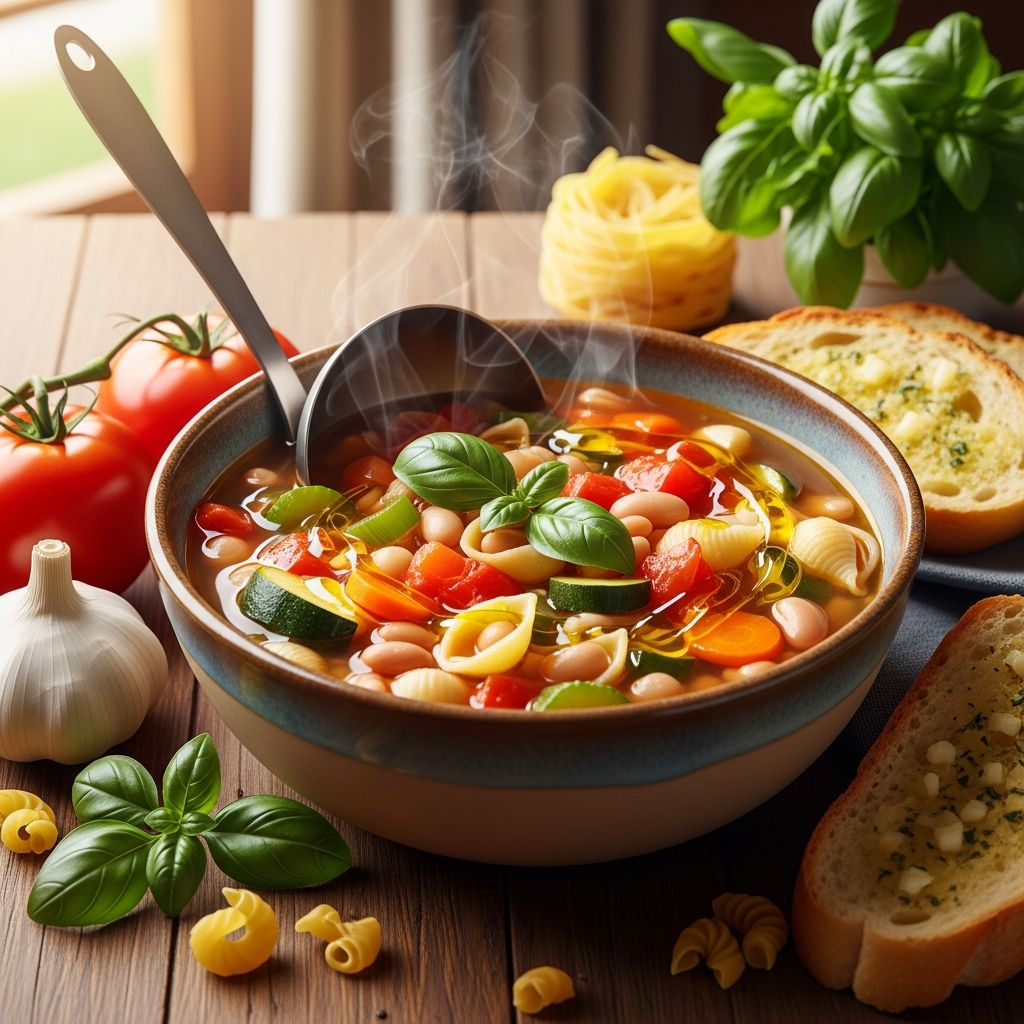
Minestrone soup stands as a timeless classic in Italian cuisine, celebrated for its robust flavors and versatility. This hearty dish transforms simple pantry staples and seasonal vegetables into a comforting bowl of goodness. Whether you’re seeking a quick weeknight dinner or a nourishing meal prep option, minestrone delivers satisfaction with every spoonful. In this guide, we’ll dive deep into its origins, key components, preparation methods, and creative twists to suit modern palates.
Origins and Cultural Significance of Minestrone
Rooted in the rustic kitchens of ancient Rome, minestrone evolved as a peasant dish designed to utilize whatever ingredients were available. Farmers and villagers combined leftover vegetables, beans, and grains in a single pot, creating a sustainable meal that minimized waste. Over centuries, it spread across Italy, with regional variations reflecting local produce—think Ligurian versions heavy on pesto or Tuscan takes enriched with bread.
Today, minestrone symbolizes mindful eating. According to the Italian Academy of Cuisine, it’s more than soup; it’s a philosophy of cucina povera, or “poor kitchen,” emphasizing quality over quantity. This approach aligns perfectly with contemporary trends in sustainable cooking, where every ingredient counts.
Essential Ingredients for Authentic Flavor
Building a flavorful minestrone starts with fresh, high-quality components. The base typically includes a mirepoix of onions, carrots, and celery, sautéed to release natural sweetness. Add garlic for pungency and canned tomatoes for acidity and depth.
- Vegetables: Zucchini, green beans, potatoes, and cabbage provide texture and bulk.
- Legumes: Cannellini or kidney beans add protein and creaminess.
- Pasta or Rice: Small shapes like ditalini or arborio rice absorb broth, thickening the soup naturally.
- Herbs and Spices: Bay leaves, thyme, oregano, and a Parmesan rind infuse umami.
- Broth: Vegetable or chicken stock forms the liquid foundation.
Pro tip: Opt for seasonal veggies to enhance taste and nutrition. In summer, incorporate fresh corn or peas; in winter, swap in kale or squash.
Step-by-Step Preparation Mastery
Crafting minestrone is straightforward, requiring about 45 minutes from start to finish. Begin by heating olive oil in a large pot over medium heat. Sauté the mirepoix until softened, about 8 minutes, then stir in minced garlic to avoid burning.
- Add tomatoes and broth, bringing to a simmer.
- Incorporate harder vegetables like carrots and potatoes, cooking for 10 minutes.
- Stir in softer veggies, beans, and pasta; simmer until al dente, around 10-12 minutes.
- Finish with leafy greens and herbs; season with salt, pepper, and a splash of vinegar for brightness.
- Let rest off-heat for flavors to meld.
For best results, use a Dutch oven for even heat distribution. This method yields 6-8 servings, perfect for freezing.
Nutritional Profile and Health Advantages
Minestrone is a nutritional powerhouse. A typical serving boasts over 10 grams of fiber from veggies and beans, aiding digestion and satiety. It’s rich in vitamins A, C, and K, plus antioxidants from tomatoes that support heart health.
| Nutrient | Per Serving (1.5 cups) | % Daily Value |
|---|---|---|
| Calories | 250 | 13% |
| Protein | 12g | 24% |
| Fiber | 11g | 39% |
| Vitamin C | 45mg | 50% |
| Iron | 4mg | 22% |
Data adapted from USDA FoodData Central. Low in saturated fat and sodium (if homemade), it’s ideal for weight management and blood pressure control. Studies from the Harvard T.H. Chan School of Public Health highlight how legume-rich soups like this reduce chronic disease risk.1
Customizing Minestrone for Every Diet
Versatility is minestrone’s superpower. For vegan versions, skip cheese rind and use plant-based broth. Gluten-free? Swap pasta for quinoa or rice noodles. Boost protein with lentils or turkey sausage for a meaty twist.
Quick Variations
- Summer Minestrone: Yellow squash, basil, and lemon zest.
- Winter Hearty: Butternut squash, spinach, and rosemary.
- Spicy Kick: Add chili flakes and smoked paprika.
- Grain-Free: Double beans, skip pasta.
These adaptations ensure inclusivity without sacrificing taste.
Storage, Freezing, and Reheating Tips
Minestrone stores beautifully. Refrigerate in airtight containers for up to 5 days; flavors deepen over time. For freezing, portion into freezer bags, removing excess air, and store for 3 months. Thaw overnight and reheat gently on stovetop, adding water if thickened.
Avoid microwaving large batches to preserve texture. According to FDA guidelines on safe food storage, maintaining below 40°F prevents bacterial growth.2
Pairing Suggestions and Serving Ideas
Elevate minestrone with crusty bread rubbed with garlic or a sprinkle of pesto. Pair with a crisp white wine like Pinot Grigio or a light red Chianti. For lunch, top with a fried egg; for dinner, serve alongside grilled cheese.
Garnish ideas: Fresh parsley, grated Parmesan, or a drizzle of olive oil. These touches add elegance to everyday meals.
Common Mistakes and Pro Tips
- Overcooking Veggies: Add in stages for crisp-tender results.
- Soggy Pasta: Undercook slightly; it continues cooking in residual heat.
- Flat Flavor: Always taste and adjust acid (vinegar/lemon) and salt.
- Pro Tip: Save Parmesan rinds in the freezer for future soups—they’re gold!
FAQs
Can I make minestrone in a slow cooker?
Yes! Sauté aromatics first, then cook on low for 6-8 hours. Add pasta in the last 30 minutes.
Is minestrone vegan by default?
Often yes, if no meat or cheese rind is used. Check recipes carefully.
How do I thicken minestrone without cream?
Mash some beans or add a slurry of cornstarch and water.
What’s the best pasta shape?
Small tubes like elbows or shells work best to capture broth.
Can I use fresh tomatoes?
Absolutely—roast them first for intensified flavor.
Why Minestrone Deserves a Spot in Your Rotation
With its balance of convenience, nutrition, and adaptability, minestrone transcends trends. It’s budget-friendly (under $2 per serving), scalable, and endlessly forgiving. Embrace this Italian gem to warm hearts and fill bellies, one pot at a time.
References
- Vegetable and Legume Consumption and Risk of Cardiovascular Disease — American Journal of Clinical Nutrition (Oxford Academic). 2023-05-15. https://doi.org/10.1093/ajcn/nqad099
- Food Safety Guidelines: Refrigeration and Freezing — U.S. Food and Drug Administration (FDA.gov). 2024-01-10. https://www.fda.gov/food/buy-store-serve-safe-food/refrigerator-thermometers-cold-facts-about-food-safety
- Dietary Guidelines for Americans, 2020-2025 — U.S. Department of Agriculture (USDA.gov). 2020-12-01. https://www.dietaryguidelines.gov/sites/default/files/2020-12/Dietary_Guidelines_for_Americans_2020-2025.pdf
- FoodData Central: Soup, Minestrone — USDA Agricultural Research Service. 2023-11-20. https://fdc.nal.usda.gov/fdc-app.html#/food-details/173420/nutrients
Similar Articles



Read full bio of medha deb