Ultimate Guide to Perfect Baked Beans
Master the art of slow-cooked baked beans with our detailed recipe, tips, variations, and expert techniques for irresistible homemade flavor.
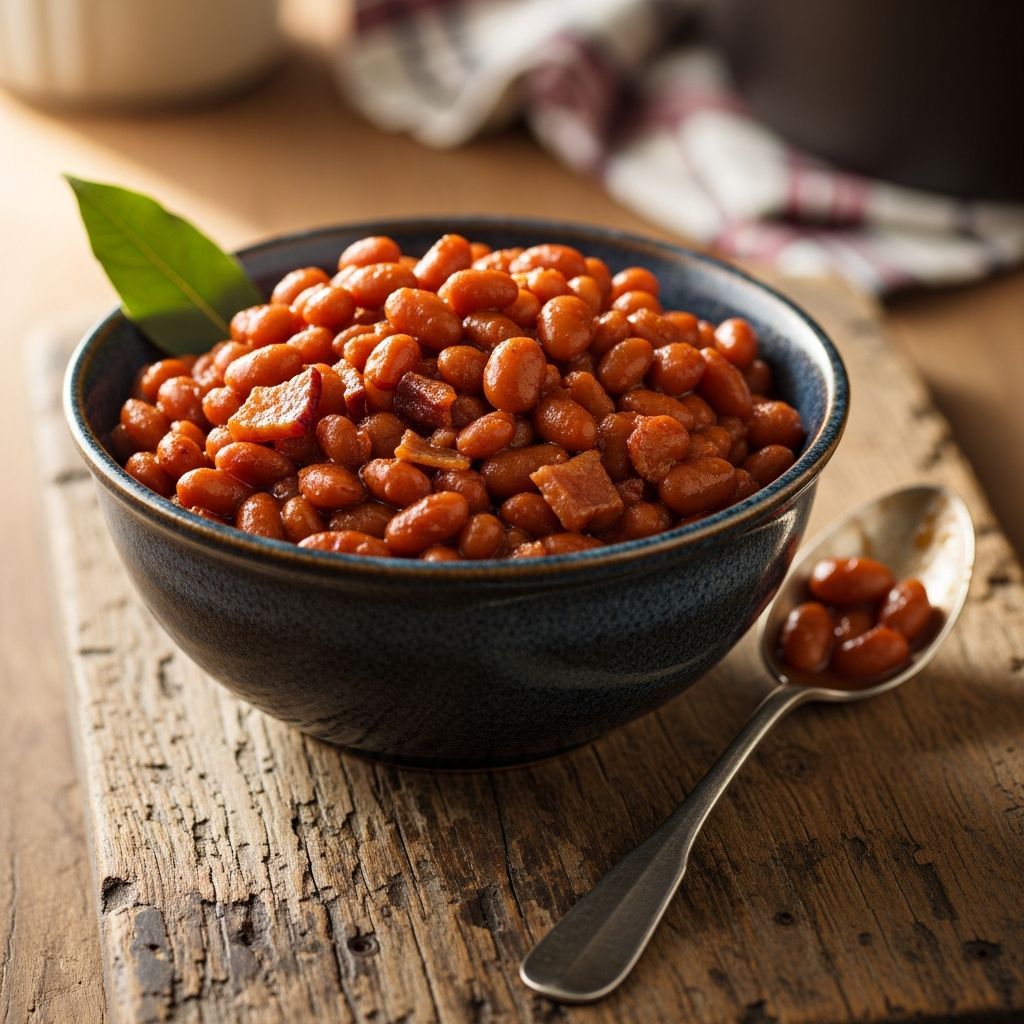
Baked beans represent a timeless comfort food staple, evoking images of summer barbecues, cozy family gatherings, and hearty meals. This versatile dish, rooted in American culinary tradition, combines tender beans simmered in a sweet-savory sauce until thick and flavorful. Whether you’re hosting a cookout or seeking a satisfying side, mastering baked beans elevates any spread. In this guide, we’ll walk through everything from selecting the best beans to achieving that glossy, caramelized finish, with practical tips for customization and success.
Why Homemade Baked Beans Outshine the Canned Variety
Store-bought cans offer convenience, but they often lack depth and freshness. Homemade versions allow control over ingredients, reducing sodium and preservatives while amplifying taste through slow cooking. The magic happens as beans absorb a medley of molasses, brown sugar, mustard, and smoky elements, creating layers of flavor impossible in mass-produced jars. Nutritionally, dried beans provide more fiber and protein, and you can tweak for dietary preferences like vegetarian or low-sugar options.
According to the USDA, dry beans are an excellent source of plant-based protein and folate, supporting heart health when prepared without excess salt. USDA research highlights their role in balanced diets, making this recipe a smart choice for wholesome eating.
Essential Ingredients for Authentic Flavor
Gathering quality components sets the foundation for success. Here’s what you’ll need for a batch serving 8-10:
- Beans: 1 pound dried navy beans (small, white beans that hold shape well; great northern or cannellini as substitutes).
- Bacon: 8 ounces thick-cut, diced (for smokiness; turkey bacon for lighter version).
- Onion: 1 large yellow, finely chopped (adds sweetness and base aroma).
- Molasses: 1/2 cup unsulfured (deep, bittersweet note).
- Brown sugar: 1/2 cup dark (enhances caramelization).
- Mustard: 1/4 cup Dijon or yellow (tangy contrast).
- Ketchup or tomato paste: 1/2 cup (umami and color).
- Vinegar: 2 tablespoons apple cider (brightness).
- Worcestershire sauce: 1 tablespoon (savory depth).
- Seasonings: Salt, black pepper, smoked paprika (1 teaspoon each), and optional liquid smoke (1 teaspoon).
- Liquid: 6 cups water or low-sodium broth.
Pro tip: Soak beans overnight in cold water to reduce cooking time and improve digestibility, as recommended by Harvard’s nutrition guidelines on legumes.
Step-by-Step Cooking Method
Preparation takes about 15 minutes, with 3-4 hours of baking. Patience yields perfection.
- Prep the beans: Rinse and soak dried beans for 8-12 hours. Drain and rinse again.
- Brown the base: In a large Dutch oven over medium heat, cook diced bacon until crisp (8 minutes). Remove bacon, leaving fat. Sauté onion until translucent (5 minutes).
- Combine sauce: Stir in molasses, brown sugar, mustard, ketchup, vinegar, Worcestershire, paprika, salt, and pepper. Add beans, bacon, and water. Bring to a simmer.
- Bake low and slow: Cover and bake at 300°F for 3 hours. Uncover, stir, and bake 30-60 more minutes until sauce thickens and beans are creamy.
- Rest and serve: Let sit 15 minutes for flavors to meld.
For stovetop: Simmer covered 2-3 hours, stirring occasionally. Instant Pot users: Sauté mode for base, then pressure cook 40 minutes with natural release.
Make-Ahead and Storage Strategies
Baked beans taste even better the next day as flavors intensify. Prepare up to 2 days ahead; reheat gently on stovetop with a splash of water. Store in airtight containers in the fridge for 5 days or freeze portions up to 3 months. Thaw overnight before reheating. Avoid boiling to prevent mushiness.
| Method | Duration | Tips |
|---|---|---|
| Refrigerator | 5 days | Cool completely before storing |
| Freezer | 3 months | Portion in freezer bags |
| Reheat | Oven 350°F, 20 min | Add broth if dry |
Customizing for Every Palate and Diet
Adapt this base to suit needs:
- Vegetarian/Vegan: Omit bacon, use coconut aminos instead of Worcestershire, and smoked paprika for depth.
- Spicy Kick: Add 1-2 chopped jalapeños or 1 teaspoon chipotle powder.
- Sweet Boost: Maple syrup swap for half the molasses.
- Low-Carb: Use fewer beans, more veggies like bell peppers.
- Gluten-Free: Naturally so; confirm Worcestershire label.
For kids, reduce mustard and vinegar. Experiment with pineapple juice for tropical twist or bourbon for adults-only luxury.
Perfect Pairings and Serving Ideas
Baked beans shine as a side for grilled meats like ribs, burgers, or pulled pork. Balance with coleslaw, cornbread, or potato salad for picnics. Breakfast style: Top with fried eggs. In burritos or nachos for fusion flair. A FDA guide on safe bean handling ensures worry-free enjoyment.
Portion 3/4 cup per serving for 250 calories, pairing well with lean proteins for complete meals.
Troubleshooting Common Pitfalls
Sauce too thin? Bake uncovered longer or simmer on stovetop. Beans tough? Extend soak or cooking time; older beans need more hydration. Too sweet? Splash vinegar or mustard. Salt imbalance? Add potato chunks to absorb excess, discard later. Always taste before final seasoning.
Nutritional Breakdown and Health Benefits
Per serving (about 3/4 cup): 280 calories, 12g protein, 40g carbs, 8g fat, 10g fiber. High in iron and antioxidants from molasses. The American Heart Association endorses beans for cholesterol management due to soluble fiber.
Frequently Asked Questions
Can I use canned beans?
Yes, drain and rinse two 15-oz cans, reduce liquid to 2 cups, bake 1 hour.
What’s the best bean type?
Navy beans for texture; pinto for earthier flavor.
How do I make it vegetarian?
Skip bacon, add liquid smoke and extra smoked paprika.
Can I double the recipe?
Yes, use larger pot; cooking time similar.
Is overnight soaking necessary?
Not strictly, but quick-soak (boil 2 min, sit 1 hour) works.
Elevate your cooking repertoire with these baked beans—simple yet impressive. Share your twists in comments!
References
- USDA Bean Nutrient Database — USDA Agricultural Research Service. 2009-10-01. https://www.ars.usda.gov/ARSUserFiles/80400525/articles/jafc49_2655-2660.pdf
- Food Safety with Beans — U.S. Food and Drug Administration. 2023-05-15. https://www.fda.gov/food/buy-store-serve-safe-food/food-safety-and-beans
- Legumes in Heart Health — American Heart Association. 2024-02-20. https://www.heart.org/en/healthy-living/healthy-eating/eat-smart/nutrition-basics/legumes-beans
- Harvard T.H. Chan Legume Guide — Harvard University. 2022-08-10. https://www.hsph.harvard.edu/nutritionsource/legumes-pulses/
Similar Articles




Read full bio of Sneha Tete