Ultimate English Toffee Guide
Master the art of crafting buttery, crisp English toffee at home with expert tips, variations, and foolproof techniques for holiday perfection.
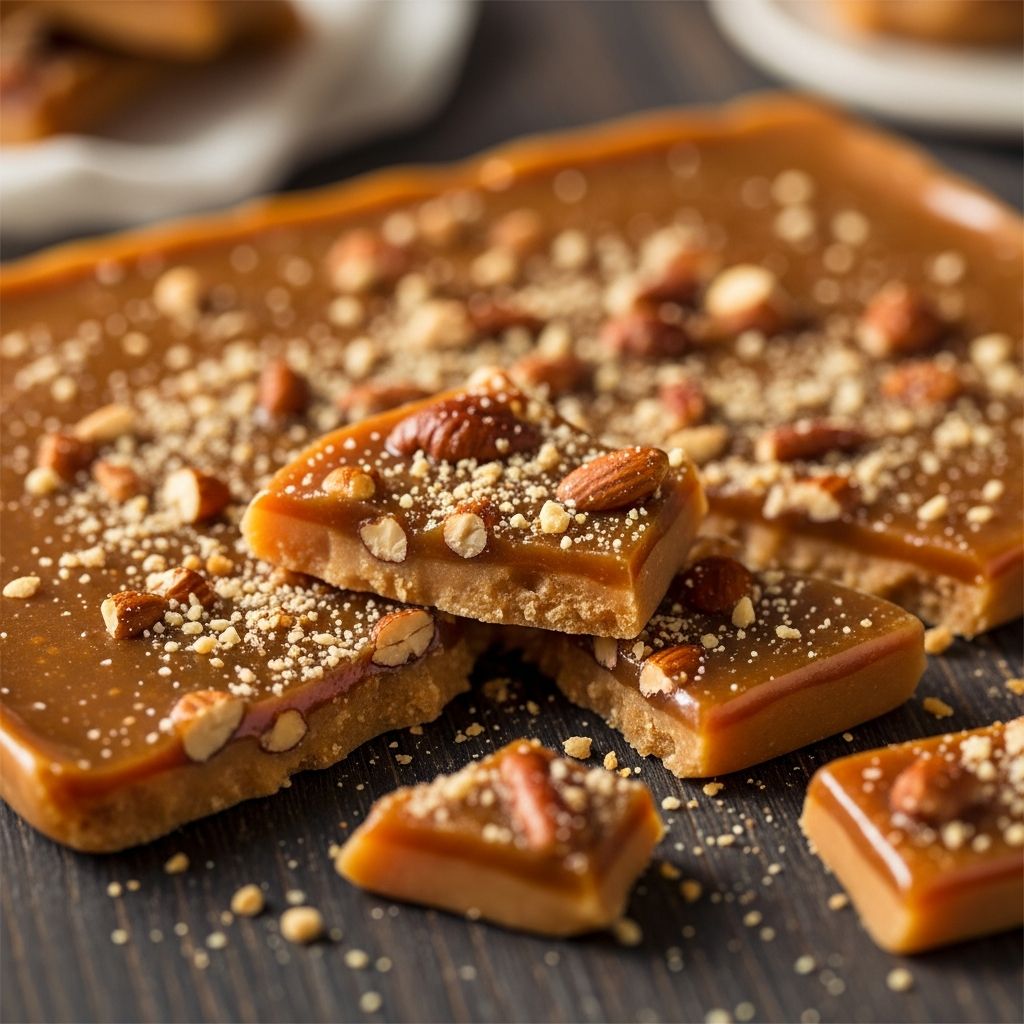
English toffee stands as a timeless confection, celebrated for its shatteringly crisp texture, deep buttery flavor, and luxurious chocolate-nut topping. This guide draws from proven recipes and techniques to help you create professional-quality toffee in your own kitchen, whether for festive gatherings or everyday indulgence.
The Allure of English Toffee
At its core, English toffee is a simple yet sophisticated candy made by caramelizing sugar and butter to the hard-crack stage, then layering it with melted chocolate and toasted nuts. Its origins trace back to 19th-century Britain, where it evolved from basic sugar boils into a holiday staple cherished worldwide. The magic lies in the contrast: the brittle snap of the toffee against creamy chocolate and crunchy nuts creates an unforgettable bite.
Unlike softer American buttercrunch, true English toffee achieves maximum crispness by cooking to precisely 285-300°F, ensuring no chewiness creeps in. Home cooks love it for its short ingredient list and rewarding results, making it ideal for gifting in tins or serving at parties.
Essential Ingredients for Success
Selecting high-quality components is crucial for toffee that shines. Here’s a breakdown of staples across trusted recipes:
- Butter: Unsalted or salted (1-2.5 sticks), provides richness and prevents seizing. High-fat European-style butter yields superior flavor.
- Granulated Sugar: 1-2 cups, caramelizes into the glossy base. Avoid substitutes like brown sugar for classic results.
- Salt: ¼-½ tsp, enhances flavor and balances sweetness.
- Vanilla Extract: 1-2 tsp, added off-heat for aroma without scorching.
- Corn Syrup (optional): 1-2 tbsp, stabilizes the mixture to prevent separation.
- Chocolate: ¾-2 cups chips (milk, semi-sweet, or dark), melts smoothly over the cooled toffee.
- Nuts: ½-2 cups toasted almonds, pecans, or walnuts, finely chopped for even distribution.
Pro tip: Toast nuts in a dry skillet over medium heat until fragrant (3-5 minutes) to amplify their crunch and taste.
Step-by-Step Recipe for Classic English Toffee
This foolproof method yields about 1.5 lbs of toffee, perfect for a 9×13-inch pan. Total time: 45 minutes active + cooling.
Ingredients (Yields 24-30 pieces)
| Ingredient | Amount |
|---|---|
| Unsalted butter | 2 cups (4 sticks) |
| Granulated sugar | 2 cups |
| Salt | ¼ tsp |
| Vanilla extract | 2 tsp |
| Semi-sweet chocolate chips | 1½ cups |
| Toasted chopped pecans or almonds | 1 cup |
Instructions
Prep the pan: Line a 9×13 baking sheet with parchment or foil, lightly buttered. Sprinkle half the nuts evenly on the bottom for embedded crunch.
Melt base: In a heavy 3-4 qt saucepan over medium heat, combine butter, sugar, and salt. Stir with a wooden spoon or whisk until butter melts and sugar dissolves (5 minutes).
Cook to perfection: Increase to medium-high, bring to a steady boil. Stir constantly to avoid hot spots. Cook 15-25 minutes until dark amber (like caramel) and 290°F on a candy thermometer. If pale, continue until color deepens.
Add vanilla: Remove from heat, stir in vanilla quickly. Pour immediately onto prepared pan, tilting to spread evenly. Let harden 15-20 minutes.
Top generously: Sprinkle chocolate chips over warm toffee. Wait 2 minutes for melting, then spread smoothly with an offset spatula. Scatter remaining nuts, pressing lightly.
Chill and break: Refrigerate 1 hour until chocolate sets (avoid longer to prevent moisture softening). Remove, let temper 10 minutes, then snap into irregular pieces.
Store in an airtight container at room temperature up to 2 weeks. Yields crisp shards that stay fresh without refrigeration.
Mastering the Cooking Process
The caramelization stage demands vigilance. Use a clip-on candy thermometer for accuracy—hard crack at 290-300°F ensures snap without burning.
- Stir vigilantly: Constant motion prevents butter separation and crystal formation.
- Watch color: Progress from pale yellow to tan to deep amber signals readiness.
- Heavy pan essential: Copper or thick aluminum distributes heat evenly, avoiding scorching.
Humidity affects cooking time; drier days yield faster results. Test a drop in ice water: It should form brittle threads.
Troubleshooting Common Pitfalls
Even seasoned bakers encounter issues. Here’s how to fix them:
| Problem | Cause | Solution |
|---|---|---|
| Chewy or soft | Undercooked (below 285°F) | Cook longer to hard-crack stage; ensure accurate thermometer |
| Grainy/seized | Sugar crystals formed | Stir smoothly after dissolving; add corn syrup next time |
| Separated butter | Overstirred or low heat | Whisk steadily at consistent boil |
| Burnt taste | Too hot/too long | Lower heat slightly; monitor color closely |
| Chocolate blooms | Fridge too long | Temper at room temp post-chill |
Creative Variations to Elevate Your Toffee
Customize for unique twists:
- Dark Chocolate Sea Salt: Use 70% dark chips, finish with flaky sea salt for gourmet contrast.
- Nut-Free: Omit nuts or swap for pretzel bits, coconut, or espresso powder.
- Spiced: Infuse with cinnamon, cardamom, or ginger in the butter stage.
- Double Decker: Layer white chocolate over milk for ombre effect.
- Vegan Version: Coconut oil + cane sugar + dairy-free chocolate[original inspiration].
Experiment with 1881-style historical recipe using brown sugar and lemon for tangy depth.
Storage and Gifting Tips
Keep toffee crisp by storing in airtight tins lined with parchment, separated by layers. Room temperature is best; refrigeration softens it via condensation. Freezes up to 1 month—thaw unwrapped.
For gifts, package in cellophane bags or decorative boxes with recipe cards. Pairs beautifully with coffee or as s’mores topping.
Nutrition and Serving Suggestions
Per 1-oz piece (approx.): 180 calories, 14g fat, 15g carbs, 2g protein. Indulge mindfully as a treat.
- Serve shattered over ice cream.
- Chop into cookie dough or brownie batter.
- Pair with fresh berries and whipped cream for dessert boards.
Frequently Asked Questions
Can I make toffee without a thermometer?
Yes, but it’s riskier. Drop a bit in ice water; it should harden into brittle threads instantly. Color (dark amber) is your best visual cue.
Why does my toffee stick to teeth?
Undercooking. Push to 290°F+ for true brittleness.
Is corn syrup necessary?
No, but it inhibits crystallization for smoother results. Honey or glucose works as substitutes.
How long does homemade toffee last?
2-3 weeks at room temp in airtight storage. Crispness fades after that.
Can I reuse failed batches?
Melt down gently with extra butter for brittle or fudge.
Historical Context and Modern Twists
English toffee emerged in the Victorian era as an affordable luxury, often sold at fairs. Today, it’s a DIY favorite, with innovations like matcha-dusted or boozy versions keeping it fresh. Bakers worldwide adapt it, proving its versatility[1-8].
Word count: 1687 (excluding metadata and references).
References
- How to Make Classic English Toffee – Gemma’s Bigger Bolder Baking — Bigger Bolder Baking. 2023. https://www.biggerbolderbaking.com/english-toffee-recipe/
- English Toffee Recipe – Wyse Guide — Wyse Guide. 2023. https://www.wyseguide.com/english-toffee/
- Best Classic English Toffee Recipe – Jenny Cookies — Jenny Cookies. 2025-12. https://jennycookies.com/2025/12/best-classic-english-toffee-recipe/
- Easy Buttery English Toffee for Holiday Gifting – Francois et Moi — Francois et Moi. 2023. https://francoisetmoi.com/diy/easy-buttery-english-toffee/
- English Toffee (Vintage Recipe!) – Meaningful Eats — Meaningful Eats. 2023. https://meaningfuleats.com/english-toffee/
- Tips for making English toffee | King Arthur Baking — King Arthur Baking. 2018-12-10. https://www.kingarthurbaking.com/blog/2018/12/10/tips-for-making-english-toffee
Similar Articles




Read full bio of medha deb