Ultimate Coleslaw Mastery Guide
Discover expert techniques, fresh ingredient tips, and perfect dressings to elevate your coleslaw from ordinary to unforgettable side dish.
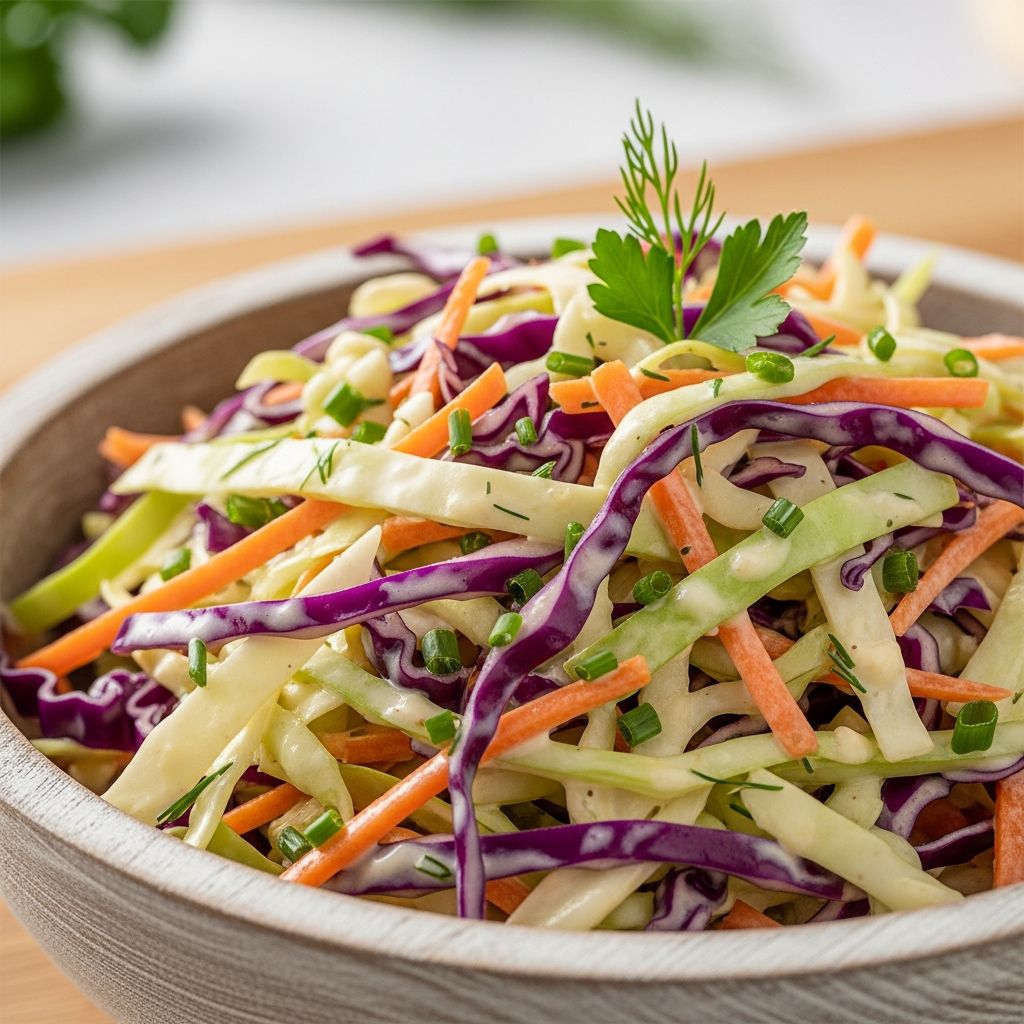
Coleslaw stands as a timeless classic in the world of side dishes, offering a refreshing crunch and tangy flavor that complements everything from grilled meats to sandwiches. Whether you’re firing up the barbecue or packing a picnic, knowing how to make coleslaw that wows is a kitchen skill worth perfecting. This guide dives deep into the essentials, from selecting the freshest produce to mastering dressings and customizations that suit any palate.
Why Coleslaw Deserves a Spot on Your Table
At its core, coleslaw is a shredded cabbage salad dressed in a creamy or vinaigrette base, but its versatility makes it indispensable. Originating from Dutch settlers in the 18th century—where ‘koolsla’ meant cabbage salad—it evolved in America into the picnic staple we love today. According to the USDA, cabbage is packed with vitamin C, fiber, and antioxidants, providing about 50% of your daily vitamin K needs per cup. This makes coleslaw not just tasty but nutritious too.
Beyond health perks, coleslaw balances rich, smoky flavors with its cool, crisp texture. It’s low-cost, easy to scale for crowds, and stores well, making it ideal for potlucks or weekly meal prep. Experiment with global twists—like Asian-inspired sesame slaw or Mexican-style with cilantro and lime—to keep things exciting.
Selecting and Preparing the Perfect Vegetables
The foundation of great coleslaw is crisp, vibrant vegetables. Start with green cabbage for its sturdy leaves that hold up to dressing without wilting. Red cabbage adds color and a slightly peppery bite, while Napa cabbage offers tenderness for lighter versions.
- Carrots: Choose firm, bright orange ones; shred finely for even distribution.
- Onions: Red or green onions provide sharpness—slice thinly to mellow their bite.
- Add-ins: Bell peppers for sweetness, celery for extra crunch, or apples for a fruity twist.
Prep tips: Remove the tough cabbage core by quartering the head and slicing out the stem. Use a sharp knife, mandoline, or food processor for uniform shreds—aim for 1/8-inch thickness to ensure even dressing absorption. Rinse shreds in cold water to remove bitterness, then spin dry thoroughly. This prevents a watery slaw and keeps it crunchy for days.
| Vegetable | Quantity (for 8 servings) | Prep Method |
|---|---|---|
| Green Cabbage | 1 medium head (about 2 lbs) | Shred finely |
| Carrots | 2 large | Grate or julienne |
| Red Onion | 1 small | Thin slices or grate |
| Bell Pepper | 1 (optional) | Julienne strips |
Crafting Irresistible Dressings
Dressings define coleslaw’s personality—creamy for indulgence or vinegar-based for zing. The key is balance: acidity cuts richness, sweetness tempers sharpness, and fat binds it all.
Creamy Dressing Blueprint
A mayo-based dressing is the crowd-pleaser. Whisk together 1 cup mayonnaise, 1/4 cup apple cider vinegar, 2 tablespoons sugar, 1 teaspoon salt, and 1/2 teaspoon celery seed. For tang, add Dijon mustard or pickle juice. Greek yogurt swaps half the mayo for a lighter option without sacrificing creaminess.
Vinegar-Style Vinaigrette
For a non-dairy version, emulsify 1/2 cup oil (neutral like canola or olive), 1/4 cup vinegar (rice or white), 2 tablespoons honey, and seasonings. This style shines with bolder veggies like radishes or jalapeños.
Pro tip: Dress in stages. Toss veggies with salt and vinegar first, let sit 15 minutes to draw out moisture, then add creamy elements. This technique, rooted in classic salad prep, ensures longevity.
Step-by-Step Coleslaw Recipes
Classic Creamy Coleslaw
Prep time: 20 mins | Serves: 8 | Chill: 1 hour
- Shred 1 head cabbage, 2 carrots, and 1/2 red onion.
- Mix dressing: 1 cup mayo, 2 tbsp sugar, 3 tbsp vinegar, 1 tsp salt, pepper to taste.
- Combine all, toss well, refrigerate.
This version pairs perfectly with fried chicken or pulled pork.
Asian Fusion Slaw
Incorporate 1/4 cup rice vinegar, 2 tbsp sesame oil, 1 tbsp soy sauce, ginger, and sesame seeds. Add shredded bok choy or edamame for protein. Ideal for sushi nights.
Vegan Power Slaw
Use tahini or vegan mayo, lime juice, and maple syrup. Toss in pineapple or mango for tropical flair—great for vegan barbecues.
Customization Ideas for Every Occasion
Tailor slaw to your menu:
- BBQ Boss: Add smoky paprika and jalapeños.
- Seafood Side: Lemon zest and dill for fish tacos.
- Autumn Harvest: Cranberries, pecans, and apple cider dressing.
- Spicy Kick: Chipotle mayo with cilantro.
Texture matters—mix fine shreds for sandwiches, chunkier for forks.
Storage, Make-Ahead, and Food Safety
Fresh slaw lasts 3-5 days in the fridge in an airtight container. For make-ahead, prep veggies and dressing separately; combine 1-2 hours before serving. Avoid freezing, as it ruins crunch—per FDA guidelines, shredded cabbage softens post-thaw.
Safety note: Mayo-based slaws need refrigeration below 40°F. Discard after 2 hours at room temp to prevent bacterial growth, as advised by USDA food safety standards.
Common Mistakes and Fixes
- Soggy Slaw: Over-dress or skip drying veggies—pat dry post-shred.
- Bland Flavor: Taste and adjust salt/acid incrementally.
- Too Sweet: Balance with more vinegar or mustard.
- Wilted After a Day: Use fresher cabbage and minimal liquid.
Nutritional Breakdown and Health Twists
A 1-cup serving offers ~100 calories, 8g fat, 8g carbs, 2g fiber. Boost nutrition with kale, broccoli stems, or quinoa. Low-carb? Skip sugar, use stevia.
Per Harvard Health, cruciferous veggies like cabbage reduce inflammation—slaw is a tasty way to eat more.
Frequently Asked Questions
Can I make coleslaw without mayo?
Yes! Oil-vinegar dressings or yogurt bases work beautifully for creamy texture minus eggs.
How far ahead can I prepare coleslaw?
Up to 24 hours; longer improves flavor as it melds.
Is coleslaw healthy?
Absolutely, especially with light dressing—high in fiber and vitamins.
What’s the best cabbage for coleslaw?
Green for classic crunch; mix with red for color.
Can I use a food processor?
Yes, but pulse briefly to avoid mush.
Pairing Suggestions
- Grilled ribs or burgers
- Smoked brisket
- Fish tacos
- Turkey sandwiches
Word count: 1678 (excluding HTML tags)
References
- USDA FoodData Central: Cabbage, raw — United States Department of Agriculture. 2023-05-15. https://fdc.nal.usda.gov/fdc-app.html#/food-details/169975/nutrients
- Food Safety Guidelines for Salads — USDA Food Safety and Inspection Service. 2024-02-10. https://www.fsis.usda.gov/food-safety/safe-food-handling-and-preparation/food-safety-basics/big-thaw-safe-defrosting-methods
- Cruciferous Vegetables and Cancer Prevention — National Cancer Institute. 2022-11-01. https://www.cancer.gov/about-cancer/causes-prevention/risk/diet/cruciferous-vegetables-fact-sheet
- Harvard T.H. Chan School of Public Health: Vegetables and Fruits — Harvard University. 2023-08-20. https://www.hsph.harvard.edu/nutritionsource/what-should-you-eat/vegetables-and-fruits/
Similar Articles





Read full bio of Sneha Tete