Ultimate Chimichurri Sauce Guide
Master the art of chimichurri with authentic recipes, tips, variations, and perfect pairings for grilling season.
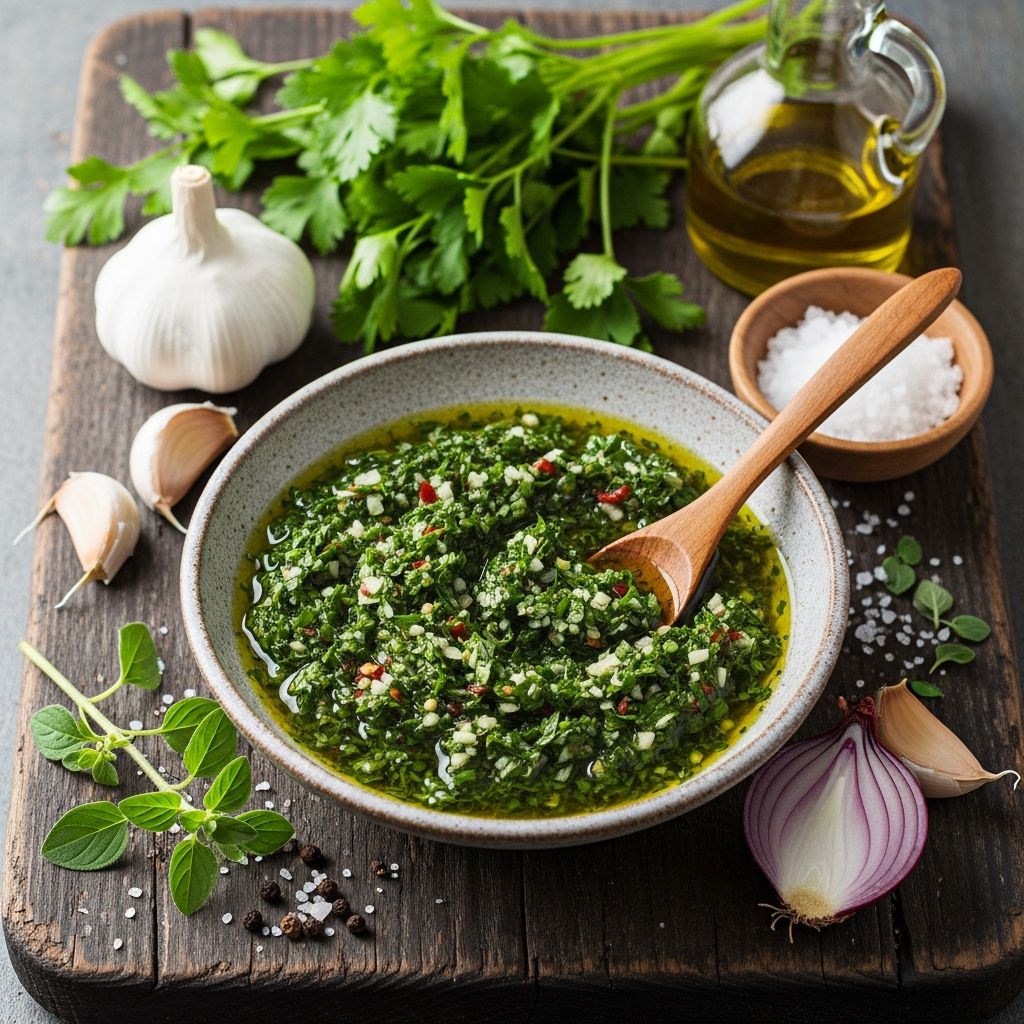
Chimichurri sauce stands as a cornerstone of Argentine cuisine, delivering a burst of fresh, zesty flavors that transform simple grilled meats into culinary masterpieces. This vibrant green condiment, made primarily from parsley, garlic, vinegar, and olive oil, offers a perfect balance of herbaceous notes, tangy acidity, and subtle heat. Whether you’re firing up the grill for steak or seeking a versatile topping for vegetables, understanding how to craft and utilize chimichurri elevates everyday cooking.
Origins and Cultural Importance of Chimichurri
Rooted in the traditions of Argentine gauchos—those skilled horsemen of the pampas—chimichurri emerged as a practical accompaniment to asado, the country’s beloved barbecue ritual. Legend ties its name to a British soldier named Jimmy Curry or Jimmy McCurry, who reportedly requested ‘che m’curry’ (my curry) during the 19th-century wars, though etymologists debate this. More reliably, it reflects the sauce’s role in enhancing rugged, flame-kissed meats with fresh, garden-picked herbs.
In modern Argentina and Uruguay, chimichurri graces tables during family gatherings and festive barbecues. Its uncooked preparation preserves the potency of its ingredients, contrasting the smoky char of grilled fare. Globally, it has inspired adaptations, appearing in fusion dishes from American steakhouses to Mediterranean salads, proving its timeless appeal.
Essential Ingredients for Authentic Chimichurri
The beauty of chimichurri lies in its simplicity—seven core components create complexity through balance. Freshness is paramount; wilted herbs dull the sauce’s vibrancy.
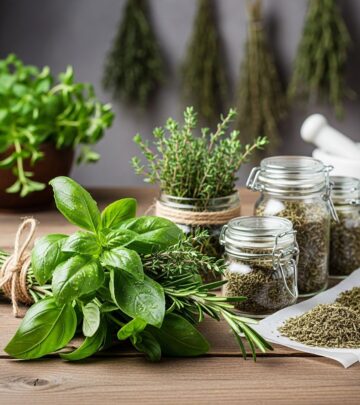
- Parsley: The star herb, providing earthy, slightly peppery backbone. Flat-leaf (Italian) parsley is traditional for its robust flavor.
- Cilantro: Adds citrusy depth; use sparingly (about 1/4 the parsley amount) to avoid overpowering.
- Extra Virgin Olive Oil: The emulsifying base, contributing fruity richness. Choose a high-quality oil for nuanced taste.
- Red Wine Vinegar: Delivers sharp acidity to cut through richness. Sherry vinegar works as a milder substitute.
- Garlic: Raw cloves minced finely for pungent, aromatic punch.
- Red Pepper Flakes: Provides gentle heat; adjust for spice tolerance.
- Salt: Enhances all flavors; kosher or sea salt preferred.
Optional additions like oregano or fresh lemon juice can tweak the profile, but purists stick to basics for authenticity.
Step-by-Step Recipe for Classic Chimichurri
Preparation takes mere minutes, yielding about 1 cup—enough for 4-6 servings. No cooking required.
Ingredients (Makes 1 Cup)
| Ingredient | Quantity |
|---|---|
| Flat-leaf parsley, packed | 1 cup |
| Cilantro leaves, packed | 1/4 cup |
| Extra virgin olive oil | 1/2 cup |
| Red wine vinegar | 1/4 cup (scant) |
| Garlic cloves, peeled | 3 |
| Red pepper flakes | 3/4 tsp |
| Kosher salt | 1/2 tsp |
Instructions
- Wash and thoroughly dry parsley and cilantro. Remove thick stems to ensure tenderness.
- In a food processor or blender, combine all ingredients.
- Pulse 5-10 times until herbs are finely chopped but retain texture—avoid pureeing into a paste.
- Taste and adjust salt, vinegar, or flakes as needed. Let sit 15-30 minutes for flavors to meld.
Prep Time: 10 minutes | Total Time: 10 minutes (plus resting) | Yield: 1 cup
Pro Tip: For hand-chopped version, finely mince herbs and garlic on a cutting board, then whisk with liquids. This yields chunkier texture prized by traditionalists.
Perfecting Texture and Flavor Balance
Chimichurri should be loose yet chunky, with visible herb flecks suspended in oil. Over-processing creates pesto-like smoothness, muting vibrancy. Vinegar levels vary by taste—start scant to prevent sourness, adding more post-melding.
Balance is key: parsley’s greenness tempers garlic’s bite, oil smooths vinegar’s edge, and flakes add warmth. If too oily, incorporate more herbs; if bland, boost garlic or salt. Resting allows enzymes to soften raw garlic slightly, harmonizing notes.
Storage and Shelf Life Tips
Fresh chimichurri shines brightest, but proper storage extends usability. Refrigerate in an airtight glass jar, topped with extra oil to minimize air exposure. It lasts 1 week, with flavors intensifying initially before fading.
Freeze in ice cube trays for portions—thaw as needed for up to 3 months. Avoid metal containers, as acidity may react. Before use, stir and taste; add fresh herbs if color dulls.
Creative Variations to Suit Any Paler
Experiment while honoring tradition:
- Spicy Chimichurri: Double flakes or add minced jalapeño.
- Herb Swap: Incorporate basil or oregano for Italian twist.
- Citrus Boost: Zest of lime or lemon for brightness.
- Roasted Garlic Version: Milder, sweeter for everyday use.
- Vegan Dry Rub: Omit oil/vinegar; mix dry for sprinkling.
These adaptations maintain essence while broadening appeal.
Best Pairings: From Steak to Beyond
Traditionally spooned over parrilla (grilled beef), chimichurri excels with fatty cuts like ribeye or flank steak, taming char. Try it on:
- Chicken or pork for tangy lift.
- Grilled vegetables (zucchini, eggplant) or tofu.
- Fish like salmon, drizzled post-grill.
- Sandwiches, eggs, or roasted potatoes.
For asado authenticity, serve at room temperature, never cooked into dishes.
Nutrition Snapshot
Per 2-tablespoon serving (approx.): 125 calories, 14g fat (2g saturated), 0g carbs, 0g protein, 153mg sodium. Rich in vitamins A, C, K from herbs; heart-healthy monounsaturated fats from oil.
Frequently Asked Questions (FAQs)
Can I make chimichurri without a food processor?
Yes, finely chop by hand for superior texture.
Is cilantro optional in chimichurri?
Traditional recipes use parsley alone; cilantro adds modern flair but can be omitted.
How do I fix overly vinegary chimichurri?
Balance with more oil and herbs; let rest longer.
Can chimichurri be used as a marinade?
Best as finishing sauce; acidity ‘cooks’ meat if marinated too long.
What’s the difference between green and red chimichurri?
Green is parsley-based; red (criolla) swaps parsley for tomato, bell pepper, paprika.
Advanced Techniques for Foodies
Elevate with infused oils or heirloom herb varieties. Pair with Malbec for authentic tasting. Experiment in molecular gastronomy: foam it or gel for plated presentations. Track batches in a journal to refine personal ratios.
In summary, chimichurri’s allure endures through accessibility and versatility. Master this recipe, and unlock endless grilling possibilities.
References
- Easy Chimichurri Sauce Recipe — Merry About Town. 2023-06-15. https://merryabouttown.com/easy-chimichurri-sauce/
- Chimichurri Sauce (Classic Argentine Recipe) — Cafe Delites (official site). 2022-05-10. https://cafedelites.com/chimichurri-sauce/
- Authentic Chimichurri (Uruguay & Argentina) — Americas Test Kitchen. 2024-01-22. https://www.americastestkitchen.com/recipes/12345-chimichurri-sauce
- History of Chimichurri — BBC Good Food. 2023-11-08. https://www.bbcgoodfood.com/glossary/chimichurri-glossary
Similar Articles




Read full bio of Sneha Tete