Ultimate Bolognese Sauce Guide
Master the art of authentic Bolognese sauce with our detailed guide to ingredients, techniques, and perfect pairings for unforgettable meals.
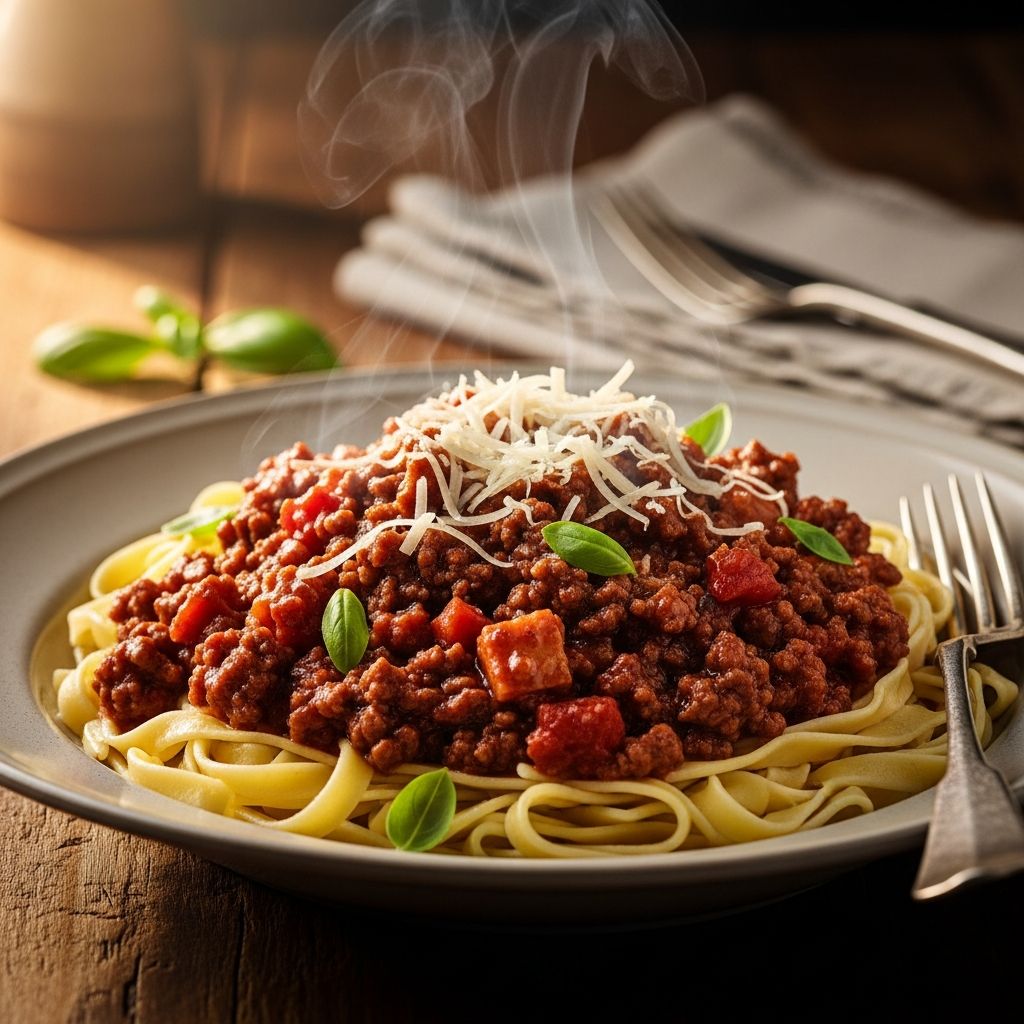
Rich, meaty, and deeply flavorful, Bolognese sauce—known in Italy as ragù alla Bolognese—is a cornerstone of Italian cuisine. This slow-simmered masterpiece transforms simple ingredients into a luxurious sauce perfect for coating wide pasta ribbons like tagliatelle or pappardelle. Unlike quick tomato-based sauces, true Bolognese emphasizes a harmonious blend of ground meats, aromatic vegetables, wine, and just enough tomato for balance, cooked low and slow to develop complex layers of taste.
Understanding the Essence of Bolognese
Originating from Bologna in Italy’s Emilia-Romagna region, Bolognese sauce has strict traditional guidelines set by the Accademia Italiana della Cucina. It prioritizes a soffritto base of finely diced onions, carrots, and celery, combined with ground beef and pork, pancetta or bacon for umami, red or white wine for acidity, and a touch of milk or cream to mellow the richness. Tomatoes play a supporting role, often as paste or passata rather than chunky pieces. The magic happens during hours of gentle simmering, where flavors meld and the sauce thickens to a velvety consistency.
This sauce rewards patience. Rushing the process yields a thinner, less nuanced result. Home cooks can achieve professional results by focusing on quality ingredients and precise techniques, making it ideal for family dinners or entertaining.
Essential Ingredients for Authentic Flavor
Selecting high-quality components is crucial. Here’s a breakdown of key elements:
- Vegetables (Soffritto): Onions, carrots, and celery form the aromatic foundation. Finely chop or pulse in a food processor for even cooking without turning to mush.
- Meats: A mix of ground beef (70-80% lean) and pork provides texture and fat. Add pancetta or bacon for smoky depth, and some recipes include veal for tenderness.
- Fats: Olive oil and butter create a luxurious base, allowing ingredients to caramelize slowly.
- Wine: Dry red wine deglazes and adds complexity; cook until the alcohol evaporates.
- Tomatoes: Crushed tomatoes, passata, or paste—avoid fresh or stewed for authenticity.
- Dairy: Whole milk or cream tenderizes meat and balances acidity.
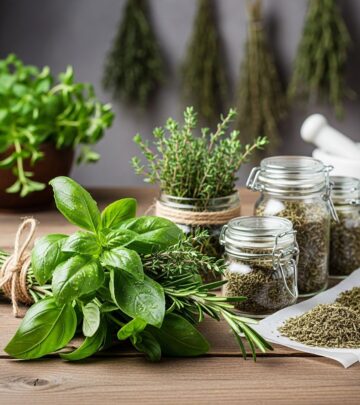
- Herbs and Seasonings: Bay leaves, thyme, rosemary, and a Parmesan rind infuse subtle earthiness.
| Ingredient | Quantity (Serves 6-8) | Purpose |
|---|---|---|
| Onion, carrot, celery | 1 each, finely chopped | Aromatic base |
| Ground beef & pork | 10 oz each | Main protein |
| Pancetta | 4 oz | Umami boost |
| Red wine | ½ – 1 cup | Depth & deglazing |
| Crushed tomatoes | 28 oz can | Body without overpowering |
| Whole milk | 1 cup | Tenderness & creaminess |
Mastering the Cooking Technique
The process unfolds in stages, each building profound flavor. Start with a heavy-bottomed pot or Dutch oven for even heat distribution.
Step 1: Craft the Soffritto and Pestata
Pulse vegetables in a food processor until finely minced but not pureed. In the pot over medium heat, cook in olive oil and butter until deeply golden and caramelized—about 15-20 minutes. This step concentrates sweetness.
Separately, process pancetta and garlic into a paste (pestata). Render it in the pot until fat melts and bits crisp, infusing the base with savory notes.
Step 2: Brown the Meats
Add ground beef and pork in batches to avoid steaming. Cook until richly browned and any liquid evaporates, stirring to break up clumps. Season lightly with salt and pepper.
Step 3: Deglaze and Simmer
Pour in wine, scraping fond (browned bits) from the pot bottom. Reduce until nearly dry. Stir in tomato paste, cook briefly, then add tomatoes, broth or water, herbs, and Parmesan rind. Bring to a simmer.
Lower heat to the barest bubble, partially cover, and cook 2-4 hours, stirring occasionally. Add liquid if needed, but aim for a thick, ragù-like consistency. In the final 30 minutes, stir in milk for silkiness.
Pro Tip: Taste and adjust after 2 hours; the sauce evolves dramatically.
Common Pitfalls and How to Avoid Them
- Too Watery? Simmer uncovered longer or use less initial liquid.
- Lack of Depth? Caramelize soffritto thoroughly—don’t rush.
- Overly Acidic? Add milk early and use quality tomatoes.
- Meat Tough? Choose fresh, higher-fat blends and simmer gently.
Creative Variations to Elevate Your Bolognese
While traditionalists stick to the classic, experiment responsibly:
- White Bolognese: Skip tomatoes; use white wine and extra cream for a lighter version.
- Veal Addition: Mix in ground veal for delicate flavor.
- Vegetarian Twist: Substitute lentils and mushrooms for meats, keeping the soffritto intact.
- Spicy Kick: Add red pepper flakes or ‘nduja sausage.
- Slow Cooker Method: Brown ingredients first, then cook on low 6-8 hours.
Perfect Pairings: Pasta and Beyond
Bolognese shines with egg-based pasta like tagliatelle, which clings to the sauce. Cook al dente, reserve pasta water to loosen if needed, and toss directly in the pot.
Serving Ideas:
- Classic tagliatelle al ragù.
- Layered lasagna with béchamel.
- Stuffed cannelloni.
- Polenta for gluten-free.
- Topped baked potatoes or zucchini noodles.
Finish with grated Parmigiano-Reggiano, fresh basil, and black pepper. Pair with Chianti or Sangiovese.
Storage, Freezing, and Make-Ahead Tips
Bolognese tastes better the next day. Cool completely, store in airtight containers in the fridge up to 5 days, or freeze portions up to 3 months. Thaw overnight and reheat gently with a splash of broth.
Make-ahead: Prepare soffritto and meats a day early for intensified flavor.
Frequently Asked Questions (FAQs)
What makes Bolognese different from meat sauce?
Bolognese uses minimal tomato, milk for creaminess, and long simmering for ragù texture, unlike tomato-heavy American spaghetti sauce.
Can I use ground turkey?
Yes, but add extra fat like olive oil to compensate for leanness.
How long does it really need to simmer?
Minimum 2 hours for good results, ideally 3-4 for excellence.
Red or white wine?
Red is traditional for depth; white works for milder profiles.
Is tomato paste essential?
Yes, it adds concentrated umami without excess liquid.
Nutrition Snapshot (Per Serving, Approx.)
| Nutrient | Amount |
|---|---|
| Calories | 450 |
| Protein | 25g |
| Fat | 30g |
| Carbs | 15g |
Values vary by exact ingredients; sauce is nutrient-dense from veggies and protein.
References
- Truly, The Best-Ever Bolognese Sauce Recipe — Plays Well With Butter. 2023. https://playswellwithbutter.com/bolognese-sauce-recipe/
- Authentic Bolognese Sauce Recipe — An Italian in my Kitchen. 2023. https://anitalianinmykitchen.com/bolognese-sauce/
- Bolognese Sauce Recipe (with Video) — Natasha’s Kitchen. 2023. https://natashaskitchen.com/bolognese-sauce-recipe/
- Best Bolognese Sauce — The Defined Dish. 2023. https://thedefineddish.com/the-best-bolognese-sauce/
- The best spaghetti bolognese recipe — BBC Good Food. 2023. https://www.bbcgoodfood.com/recipes/best-spaghetti-bolognese-recipe
Similar Articles



Read full bio of medha deb