Ultimate Basil Pesto Guide
Master the art of homemade basil pesto with expert tips, variations, and perfect pairing ideas for every meal.
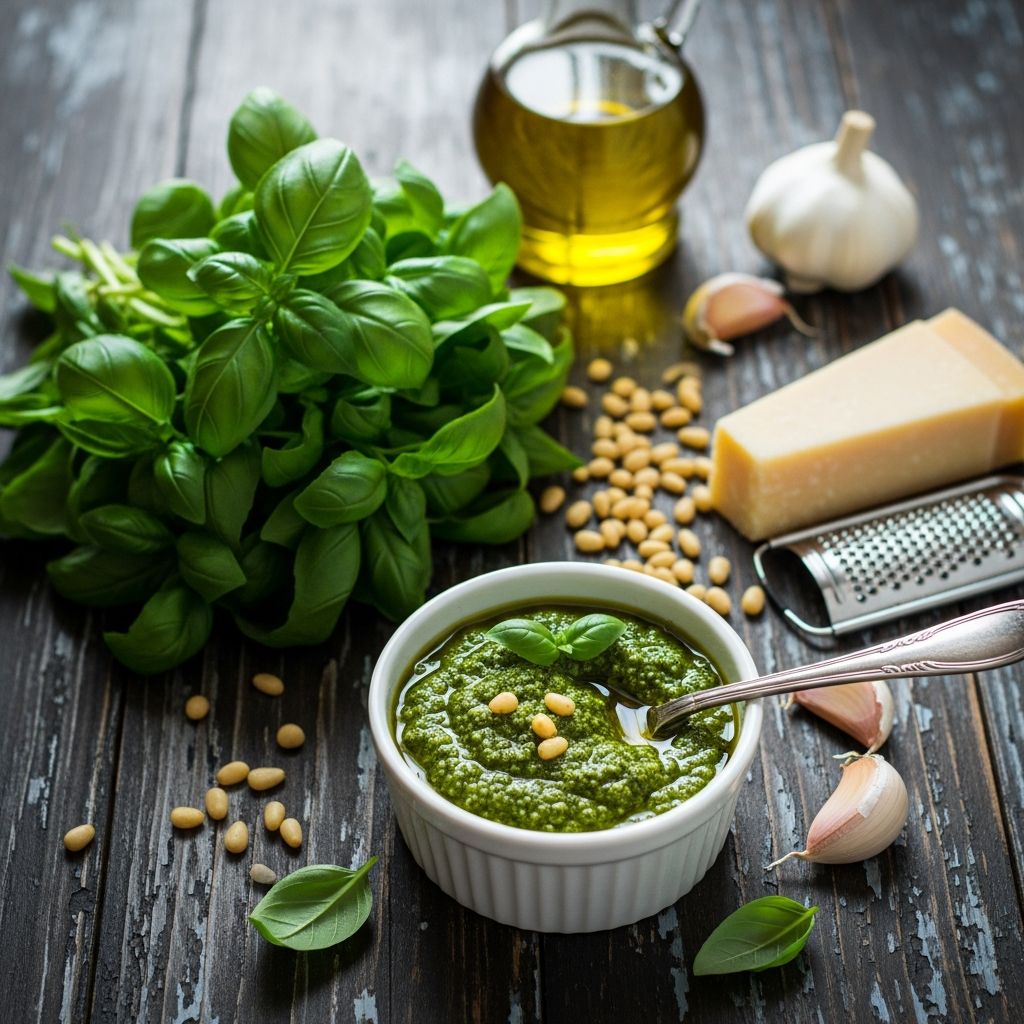
Ultimate Basil Pesto Guide: From Garden to Table
Basil pesto stands as one of the most beloved sauces in culinary history, originating from the sunny Liguria region of Italy. This vibrant green blend of fresh basil, nuts, cheese, garlic, and olive oil captures the essence of Mediterranean flavors in every spoonful. Whether you’re tossing it with pasta, spreading it on bread, or drizzling it over grilled vegetables, pesto adds an instant burst of freshness and complexity to any dish. In this guide, we’ll explore everything you need to know to create restaurant-quality pesto in your own kitchen, including ingredient selection, preparation techniques, creative variations, and practical serving suggestions.
Understanding the Heart of Pesto
The magic of basil pesto lies in its simplicity and balance. Traditional Genovese pesto, protected by European Union designation, relies on just a handful of high-quality components working in harmony. Freshness is paramount—wilted herbs or subpar oil can dull the sauce’s bright personality. Beyond the basics, pesto embodies versatility, adapting to seasonal produce and personal tastes while maintaining its herbaceous soul.
Historically, pesto evolved from ancient mortar-and-pestle grinding methods, where each ingredient was crushed to release essential oils gradually. Modern food processors speed up the process, but the principle remains: gentle handling preserves flavor intensity. Today, pesto enjoys global popularity, appearing in everything from high-end gourmet menus to everyday home cooking.
Selecting Premium Ingredients for Superior Flavor
Great pesto starts with exceptional ingredients. Here’s how to choose the best:
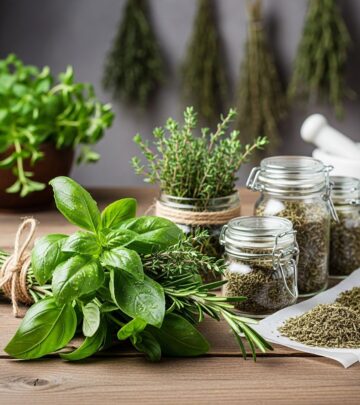
- Basil: Opt for young, tender leaves from sweet Genovese or Italian varieties. Avoid large, tough leaves which can taste bitter. Look for vibrant green color without dark spots or yellowing.
- Pine Nuts: These add creamy texture and subtle nuttiness. Toast them lightly for enhanced flavor, but source from reputable suppliers to avoid rancidity.
- Parmesan and Pecorino: Use aged Parmigiano-Reggiano and Pecorino Romano, finely grated just before use. Their sharp, salty profiles cut through the basil’s sweetness.
- Garlic: Fresh cloves provide pungency without overwhelming. Choose firm bulbs without green sprouts, which indicate bitterness.
- Extra-Virgin Olive Oil: A fruity, peppery Ligurian oil elevates the sauce. Cold-pressed varieties preserve delicate aromas best.
Pro tip: Grow your own basil for peak freshness. A windowsill pot yields enough for weekly batches during summer months.
Step-by-Step Recipe for Classic Basil Pesto
Yield: 1 cup | Prep Time: 15 minutes
| Ingredient | Quantity |
|---|---|
| Fresh basil leaves, packed | 2 cups |
| Pine nuts, toasted | 1/4 cup |
| Parmesan cheese, grated | 1/2 cup |
| Pecorino Romano, grated | 1/4 cup |
| Garlic cloves | 2 |
| Extra-virgin olive oil | 1/2 cup |
| Kosher salt | 1/2 tsp |
- Wash basil leaves gently in cold water, then dry thoroughly using a salad spinner or paper towels. Excess moisture dilutes flavor.
- Toast pine nuts in a dry skillet over medium heat for 2-3 minutes until golden. Cool completely.
- In a food processor, pulse garlic and nuts first to chop finely, scraping sides as needed.
- Add basil leaves and pulse 5-7 times until coarsely chopped—avoid over-processing into a puree.
- With motor running, slowly drizzle in olive oil until emulsified and smooth.
- Transfer to a bowl and stir in grated cheeses and salt. Taste and adjust seasoning.
For mortar-and-pestle authenticity: Crush garlic and salt first, add nuts, then basil (tearing leaves by hand), oil last, and fold in cheese off-heat.
Mastering Technique for Professional Results
Achieving silky texture without bitterness requires attention to detail. Pulse rather than blend to prevent heating the basil, which releases harsh compounds. Add oil gradually for proper emulsion—think mayonnaise consistency. If pesto seems too thick, loosen with pasta water or a splash of lemon juice during use, not preparation.
Temperature control matters: Use room-temperature ingredients. Cold oil solidifies, ruining smoothness. Freshly made pesto shines brightest, but proper storage extends its life (see below).
Storage and Preservation Methods
Fresh pesto lasts 3-5 days in the fridge, covered with a thin oil layer to prevent oxidation. For longer storage:
- Freezer: Portion into ice cube trays, cover with oil, freeze, then transfer to bags. Thaw cubes as needed—up to 6 months.
- Oil-Packing: Layer in a sterile jar with extra oil. Refrigerate up to 2 weeks; discard if aroma changes.
Never reheat pesto—gentle warming preserves vibrancy. Microwave cubes for 10 seconds max or stir into hot pasta off-heat.
Flavor Variations to Suit Every Palate
Classic pesto invites experimentation. Try these twists:
- Nut-Free: Swap pine nuts for sunflower seeds or walnuts.
- Winter Pesto: Use kale, arugula, or parsley when basil scarce.
- Spicy: Add roasted red peppers or Calabrian chiles.
- Citrus: Zest of lemon or orange for brightness.
- Vegan: Nutritional yeast replaces cheese; hemp seeds for nuts.
Regional Italian variants include Sicilian pistachio pesto or Calabrian nduja-infused for meaty depth.
Perfect Pairings: Ways to Enjoy Pesto
Pesto transcends pasta. Elevate these dishes:
| Dish | How to Use Pesto |
|---|---|
| Pasta | Toss 1-2 tbsp per serving with hot linguine or trofie. |
| Proteins | Marinate chicken, grill fish, or stuff pork tenderloin. |
| Veggies | Drizzle on roasted potatoes, grilled zucchini, or caprese salad. |
| Bread | Spread on crostini with burrata or mix into focaccia dough. |
| Soups/Salads | Swirl into minestrone or dress quinoa salads. |
For pasta perfection: Reserve starchy water to thin pesto, creating glossy sauce that clings beautifully.
Common Mistakes and How to Avoid Them
Steer clear of these pitfalls:
- Brown Pesto: Oxidizes quickly—add lemon juice or blanch basil briefly (30 seconds in boiling water, ice bath shock).
- Over-Blending: Results in bitter, watery paste. Pulse judiciously.
- Stale Ingredients: Always taste components individually first.
Frequently Asked Questions
What if I can’t find pine nuts?
Substitute almonds, walnuts, or pepitas. Toast all nuts for best flavor.
Can I make pesto without a food processor?
Yes! A sharp knife and patience work, or use immersion blender in a tall jar.
Is pesto gluten-free?
The sauce is naturally gluten-free; pair with GF pasta or rice noodles.
How much pesto per person?
Plan 2-3 tablespoons per serving, adjusting for dilution with pasta water.
Can kids eat pesto?
Mild versions without garlic work well; introduce gradually.
Nutritional Snapshot
Per 2 tbsp serving: ~200 calories, 20g fat (healthy monos), 4g protein, rich in vitamins A, C, K from basil. Anti-inflammatory properties from olive oil and nuts support heart health, per USDA data.
References
- Traditional Pesto alla Genovese Specifications — European Commission Protected Designation of Origin. 2023-05-15. https://ec.europa.eu/info/food-farming-fisheries/food-safety-and-quality/certification/quality-labels/geographical-indications-register/
- Basil Oil Content and Flavor Compounds — Journal of Agricultural and Food Chemistry (ACS Publications). 2022-08-10. https://pubs.acs.org/doi/10.1021/acs.jafc.2c03456
- Olive Oil Health Benefits — USDA Agricultural Research Service. 2024-01-22. https://www.ars.usda.gov/research/publications/publication/?seqNo115=417890
- Italian Regional Cooking Techniques — Academia Barilla (official culinary institute). 2023-11-03. https://www.academiabarilla.com/en/recipes/pesto-genovese/
Similar Articles




Read full bio of medha deb