Tropical Spiced Chicken Thighs with Fruit Glaze
Master the art of combining sweet tropical fruits with fiery habanero heat in one stunning dish
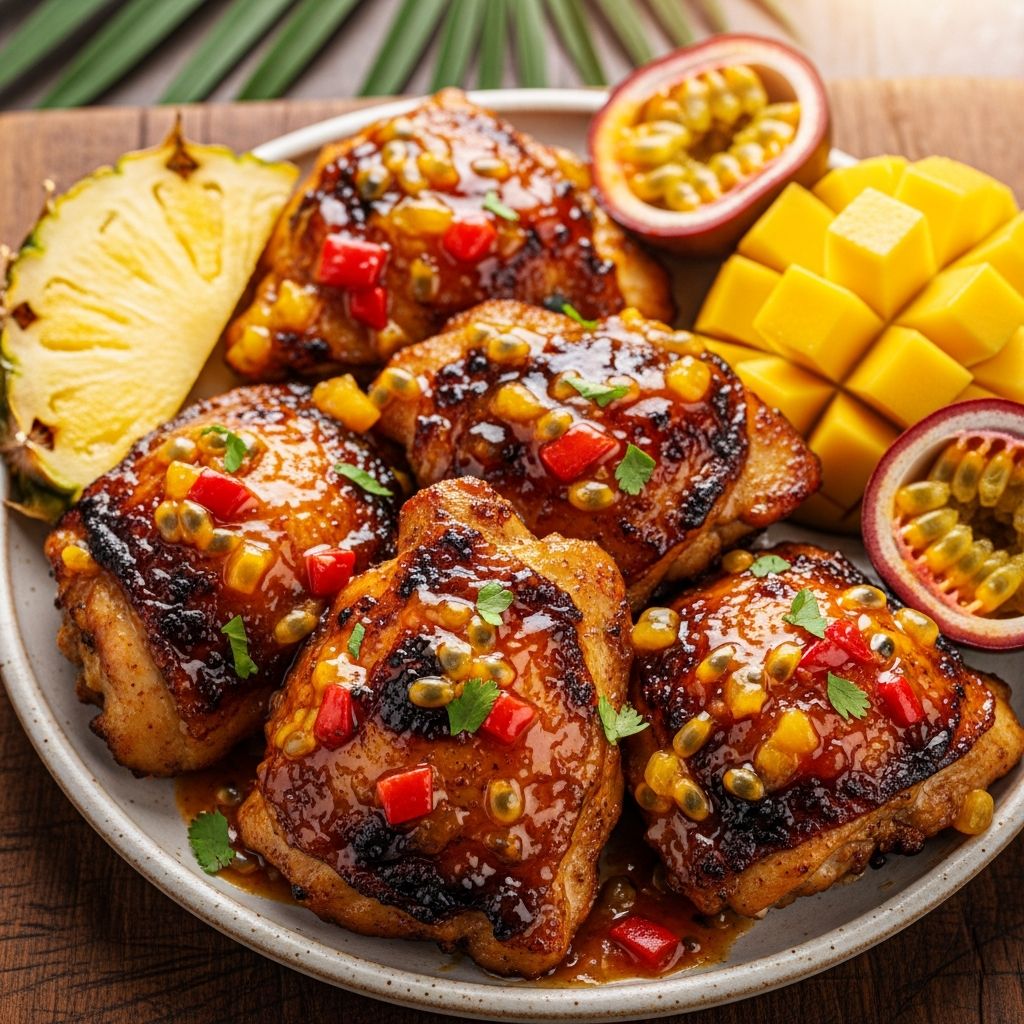
Chicken thighs represent one of the most forgiving and flavorful cuts available for home cooks, offering natural juiciness that resists drying out during cooking. When paired with bold tropical flavors and carefully balanced heat, they transform into an elegant weeknight dinner or impressive entertaining centerpiece. This approach combines the richness of preserved stone fruits with the distinctive bite of habanero peppers, creating a sophisticated flavor profile that appeals to both adventurous palates and those new to spiced cuisine.
Understanding the Foundation: Why Chicken Thighs Excel
The thigh portion of chicken contains significantly more fat and connective tissue compared to breast meat, which breaks down during cooking to create moisture and deep flavor. This structural difference makes thighs substantially more forgiving when baking, as they remain tender even with slight overcooking. The natural marbling throughout the meat accepts glazes and sauces readily, allowing flavors to penetrate rather than sit on the surface. For dishes emphasizing robust sauce components, thighs provide the necessary richness to balance spicy and acidic elements without becoming overwhelmed.
Building Layers: The Dry Rub Foundation
Before introducing any wet components, a carefully constructed dry seasoning establishes baseline flavor depth. The foundation typically includes:
- Smoked paprika — provides depth and subtle smoke notes that complement fruit sweetness
- Ground black pepper — adds sharp bite and complexity
- Granulated garlic and onion — deliver concentrated umami and savory undertones without introducing moisture
- Sea salt — enhances all other flavors and aids in browning
This dry seasoning approach serves multiple purposes. It seasons the meat internally as it rests on the surface, creates textural interest as it begins to brown, and prevents the surface from becoming soggy when the glaze layers are eventually applied. The dehydrated garlic and onion concentrate their flavors, delivering more impact than fresh versions would provide at similar quantities.
The Sweet Foundation: Preserved Fruit Components
Peach preserves function as the primary sweetening agent and textural base for the glaze. Preserves differ from fresh fruit or jam through their particular balance of fruit solids and pectin, which allows them to maintain structure while melting smoothly into sauce consistency. The natural acidity in peach preserves helps cut through the richness of chicken fat, while their mild spice compatibility makes them versatile across multiple cuisines.
The peach element also provides natural enzyme compounds that gently tenderize the chicken surface without aggressive marinading. This secondary tenderizing action combines with the dry rub to ensure meat remains succulent throughout the baking process.
The Heat Component: Habanero Integration
Habanero peppers deliver fruity, citrusy heat that distinguishes them from hotter varieties. Rather than creating sharp, one-dimensional burn, habaneros provide warmth that builds gradually and pairs naturally with tropical fruit notes. A quality habanero sauce balances this heat through complementary ingredients like vinegar, which adds brightness, and mango puree, which adds sweetness and depth.
The recommended approach incorporates habanero sauce rather than fresh peppers, which offers several advantages. Pre-made sauces provide consistent heat levels, eliminating guesswork about spice intensity. They also integrate seamlessly into preserves without curdling or separating, creating a cohesive glaze. For those sensitive to heat, this method allows precise control—starting with modest quantities and adjusting upward ensures each cook achieves their preferred spice threshold.
Citrus Brightness: Lemon’s Crucial Role
While peach and mango dominate the flavor profile, lemon zest and juice provide essential brightness that prevents the dish from becoming cloying. Lemon zest contributes aromatic oils and subtle bitterness, while juice adds acidity that sharpens fruit sweetness and enhances the chicken’s savory qualities. The citrus element also aids in cutting through the sauce’s richness, making the finished dish feel lighter despite its sweet components.
Applying lemon zest to the finished dish, rather than incorporating it into the sauce, preserves bright flavor notes that might otherwise fade during extended heating.
Execution Strategy: Temperature and Timing
The cooking method employs two distinct phases, each serving specific purposes. An initial fifteen-minute bake at 400°F (200°C) without sauce allows the chicken to partially cook while the seasoned exterior develops color and protective texture. This preliminary stage prevents the delicate glaze from burning before the chicken reaches proper doneness.
Once the chicken achieves initial color and the surface reaches approximately 150°F internal temperature, the glaze application begins. This timing ensures the sauce caramelizes rather than burns during the final cooking stages. The chicken completes cooking in approximately ten additional minutes, reaching the food safety standard of 165°F (74°C) throughout.
Sauce Preparation and Application
Preparing the sauce immediately before application ensures optimal temperature and texture. Combining peach preserves with habanero sauce in a saucepan over medium heat allows the preserves to fully dissolve into the habanero base, creating uniformity. Frequent stirring during this stage prevents scorching and ensures even heat distribution.
The finished sauce should bubble gently before removal from heat, indicating complete dissolution of solid components. Applying this warm glaze to partially cooked chicken creates a bond between the sauce and meat, encouraging adhesion and preventing sliding during the final bake. Generous coating on both surfaces ensures even coverage and balanced flavor throughout.
Achieving Perfect Doneness
Visual inspection and temperature measurement combine to confirm proper doneness. Chicken meat should show no pink coloration when cut at the thickest point, and juices should run clear rather than displaying any pink tinge. An instant-read thermometer inserted near the center of the thickest thigh should read exactly 165°F (74°C) or higher.
Because chicken thighs remain moist at higher temperatures compared to breasts, slightly exceeding 165°F poses minimal risk of drying out. However, maintaining consistency allows for better control over the final texture and ensures reproducible results across multiple cooking attempts.
Customizing Spice Intensity
The beauty of this preparation method lies in its adaptability. Beginning with modest habanero sauce quantities—perhaps one-quarter cup instead of the full amount—allows cooks to assess baseline heat before adjusting. Adding more sauce creates progressively hotter results, while reducing the amount produces milder versions suitable for family members with lower spice tolerance.
For those preferring even more heat, supplementing the sauce with fresh diced habaneros or adding hot pepper flakes to the dry rub intensifies the experience. Conversely, those seeking reduced heat can substitute milder hot sauces while maintaining the tropical fruit component.
Complementary Side Dishes and Serving Suggestions
| Side Option | Flavor Profile | Preparation Consideration |
|---|---|---|
| Jasmine or Basmati Rice | Mild, aromatic base | Cooks simultaneously with chicken if prepared together |
| Roasted Root Vegetables | Earthy sweetness | Parsnips and carrots complement tropical notes |
| Mixed Green Salad | Fresh, acidic brightness | Contrasts richness of glaze |
| Quinoa Pilaf | Nutty, protein-rich | Absorbs sauce flavors effectively |
| Charred Broccoli | Bitter, mineral notes | Balances sauce sweetness |
The remaining glaze from the saucepan should be reserved and served alongside the finished dish, allowing diners to add extra sauce according to preference. This approach accommodates varying heat tolerances at the table without requiring separate preparations.
Make-Ahead and Storage Considerations
The dry seasoning mixture can be prepared several hours in advance, stored in an airtight container. The glaze components can be mixed together and refrigerated for up to three days, though reheating becomes necessary before application. Preparing these components ahead allows for quicker assembly on busy evenings.
Leftover prepared chicken keeps refrigerated for three to four days and reheats successfully in a low oven at 325°F (163°C) for approximately fifteen minutes, allowing the glaze to warm through without additional browning. The preserved-fruit-based sauce protects the chicken from drying out during storage and reheating, making this dish particularly suited to meal preparation strategies.
Nutritional Considerations
Chicken thighs provide substantial protein content while contributing beneficial nutrients including B vitamins and minerals like selenium and phosphorus. The skin-on versions specified in some variations contain higher fat content, though modern nutritional science recognizes that unsaturated fats in poultry skin contribute to satiety and nutrient absorption when consumed in moderation.
The peach and mango components add natural sugars and fiber, particularly when using preserves containing whole fruit solids. Habanero peppers provide capsaicin, the compound responsible for heat sensation, which some research suggests may support metabolic function. The overall dish represents a balanced approach combining protein, natural fruit sugars, and beneficial spice compounds.
Troubleshooting Common Issues
Glaze Separates or Breaks: This typically occurs when combining ingredients at vastly different temperatures. Ensure the peach preserves are fully melted and warm before combining with habanero sauce. Stir frequently to maintain emulsion.
Sauce Burns Before Chicken Cooks Through: Reduce the oven temperature by 25 degrees and extend cooking time by approximately five minutes. Apply the glaze after the initial preliminary bake, not at the start.
Chicken Surface Remains Pale: Ensure the oven reaches full temperature before adding chicken. Use the preliminary bake period without glaze to develop Maillard browning before glaze application prevents direct surface contact with heat.
Excessive Spice Heat: Future iterations should reduce habanero sauce quantity or substitute with milder alternatives. Serving with plain rice or yogurt-based accompaniments helps temper heat for sensitive palates.
Advanced Variations Worth Exploring
Grilling presents an alternative cooking method, applying the glaze at the halfway point once initial sear marks develop. This method produces additional caramelization and smoky undertones complementing the tropical flavors. Similarly, broiling can achieve concentrated heat for quicker cooking if desired.
Substituting mango preserves for peach versions creates entirely new flavor dimensions, as does experimenting with alternative hot sauces featuring different pepper varieties. Some cooks incorporate fresh ginger into the glaze for additional aromatic complexity, or add balsamic vinegar for deeper sweetness and acidity balance.
References
- United States Department of Agriculture Food Data Central — USDA. 2024. https://fdc.nal.usda.gov/
- Safe Minimum Internal Temperature Chart — United States Department of Agriculture Food Safety and Inspection Service. 2024. https://www.fsis.usda.gov/food-safety/safe-food-handling-and-preparation/food-safety-basics/safe-temperature-internal-cooking
- The Maillard Reaction in Cooking and Food Quality — Journal of Agricultural and Food Chemistry, American Chemical Society. 2023. https://pubs.acs.org/doi/10.1021/jf00031a042
Similar Articles





Read full bio of medha deb