Thriving Kitchen Herb Garden Guide
Master the art of cultivating fresh herbs right in your kitchen for endless flavor and homegrown freshness all year long.
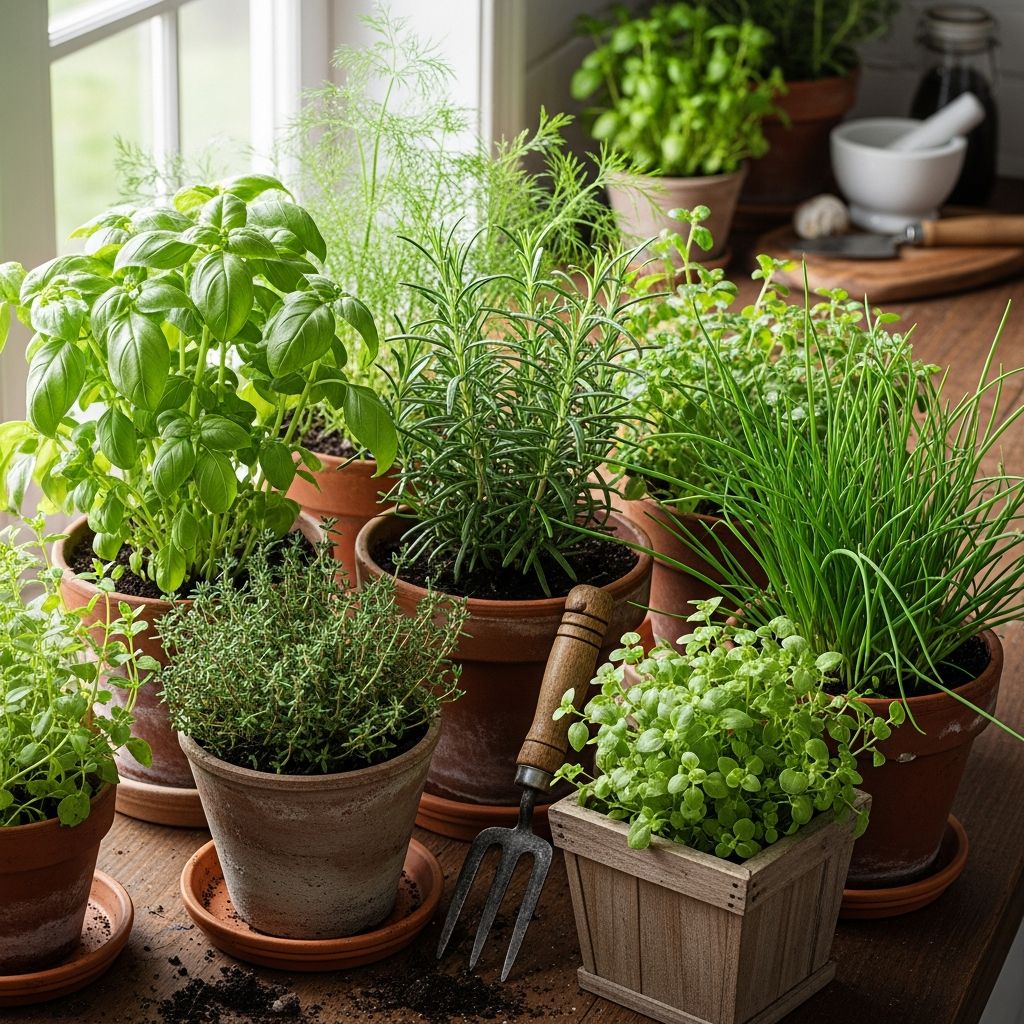
Creating a kitchen herb garden brings fresh, vibrant flavors directly to your cooking space, allowing you to snip aromatic leaves whenever inspiration strikes. Whether on a sunny windowsill or under grow lights, these compact plants offer convenience and savings over store-bought bunches.
Why Start an Indoor Herb Garden?
Indoor herb gardens provide immediate access to premium ingredients, reducing waste from wilting supermarket purchases. They enhance meals with superior taste and aroma, while promoting wellness through hands-on gardening. Many herbs thrive with minimal space, making them ideal for apartments or small homes.
- Cost-effective: One plant yields far more than a single store packet.
- Freshness guaranteed: Harvest at peak ripeness for maximum flavor.
- Year-round growth: Overcome seasonal limits indoors.
- Easy for beginners: Low-maintenance varieties forgive common errors.
Selecting the Best Herbs for Your Space
Choose herbs based on your culinary preferences and their adaptability to indoor conditions. Focus on fast-growing, leafy types that tolerate regular harvesting.
Top Annual Herbs
These complete their life cycle in one season but regrow quickly from cuts indoors.
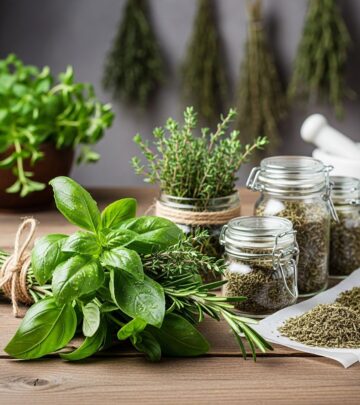
- Basil: Perfect for Italian dishes, pesto, and salads. Loves warmth and humidity.
- Parsley: Versatile for garnishes, soups, and tabbouleh. Biennial but treated as annual indoors.
- Cilantro: Essential for Mexican, Asian, and Indian recipes. Sow seeds successionally for steady supply.
- Dill: Adds tang to pickles, fish, and salads. Grows tall, so provide support.
Perennial Standouts
These return year after year, offering long-term value with proper care.
- Thyme: Earthy and peppery for roasts, eggs, and stews. Drought-tolerant once established.
- Oregano: Robust for Mediterranean flavors. Handles neglect well.
- Rosemary: Woody shrub for meats and breads. Needs excellent drainage.
- Mint: Refreshing for teas, desserts, and cocktails. Keep in separate pots to prevent spreading.
- Chives: Mild onion flavor for potatoes and omelets. Tolerates shade better than most.
| Herb | Type | Best Uses | Indoor Difficulty |
|---|---|---|---|
| Basil | Annual | Pesto, salads | Easy |
| Thyme | Perennial | Roasts, soups | Easy |
| Rosemary | Perennial | Meats, focaccia | Moderate |
| Mint | Perennial | Teas, mojitos | Easy |
| Cilantro | Annual | Salsas, curries | Moderate |
Finding the Perfect Growing Spot
Light is the cornerstone of success; most herbs demand 6-8 hours of bright, indirect sunlight daily. South-facing windowsills excel, but east or west exposures work too.
- Use grow lights if natural light falls short: Full-spectrum LEDs for 12-16 hours mimic sunlight.
- Avoid drafts and extreme temperature swings; aim for 65-75°F (18-24°C).
- Kitchen placement keeps herbs handy, but ensure good air circulation to deter mold.
Choosing Containers and Soil
Opt for pots at least 8-12 inches wide with drainage holes to prevent root rot. Terracotta breathes well, while plastic retains moisture.
Well-draining potting mix is essential; blend standard potting soil with perlite, compost, or sand. Avoid garden soil, which compacts and harbors pests.
- Group compatible herbs: Basil with parsley, thyme with oregano.
- Single-pot mint or rosemary to control growth.
- Top-dress with gravel for stability and aesthetics.
Planting and Starting Your Herbs
Begin with healthy seedlings from reputable nurseries for quicker results, or sow seeds for budget-friendly variety.
- Fill pots with moistened soil mix.
- Plant seedlings at the same depth as their nursery pots; space seeds 1-2 inches apart.
- Water gently and place in light.
- Thin seedlings to avoid crowding.
Perennials like rosemary root slowly; propagate from cuttings for faster establishment.
Watering and Feeding Essentials
Water when the top inch of soil feels dry—overwatering kills more herbs than drought. Use room-temperature water to avoid shocking roots.
- Bottom-water by setting pots in a saucer to encourage deep roots.
- Fertilize sparingly with diluted, balanced liquid feed every 4-6 weeks during growth.
- Flush soil monthly to prevent salt buildup.
Pruning, Harvesting, and Maintenance
Regular trimming promotes bushiness and delays flowering, which turns leaves bitter. Snip above leaf nodes for new growth.
- Harvest mornings when oils peak.
- Never remove more than one-third of the plant at once.
- Pinch basil flowers; deadhead others.
Pest Control and Common Issues
Indoors, watch for aphids, spider mites, and fungus gnats. Prevent with good airflow and neem oil sprays.
| Problem | Symptoms | Solution |
|---|---|---|
| Yellow leaves | Overwatering | Reduce water, improve drainage |
| Leggy growth | Insufficient light | Add grow lights or rotate pots |
| Pests | Sticky residue, webbing | Insecticidal soap, isolate plant |
| Brown tips | Low humidity | Mist or use pebble tray |
Advanced Tips for Year-Round Success
Rotate pots weekly for even light exposure. In winter, boost humidity with trays of water and pebbles. Propagate favorites in water for endless supply.
For outdoor extension, transition hardy perennials to patios in summer, acclimating gradually.
Herb Companion Planting Guide
Pair wisely to maximize space and health.
- Basil + Tomatoes (if expanding outdoors).
- Thyme + Lavender for pollinators.
- Avoid: Mint with anything—it invades.
Frequently Asked Questions
Can I grow herbs without a sunny window?
Yes, full-spectrum grow lights positioned 6-12 inches above plants for 14-16 hours daily replicate sunlight effectively.
How often should I water my indoor herbs?
Check soil moisture; water thoroughly when dry to an inch deep, typically every 3-7 days depending on conditions.
What if my basil bolts?
Pinch off flowers promptly; replant with new seedlings as it focuses energy on seeds post-bloom.
Are coffee grounds good for herbs?
Sprinkle sparingly around acid-lovers like rosemary, but avoid overdoing to prevent mold.
Can I use tap water?
Let it sit 24 hours to dissipate chlorine, or use filtered water for sensitive herbs.
Expanding Your Herb Harvest
Dry excess leaves for winter storage or freeze in ice cube trays with oil. Experiment with varieties like lemon thyme or chocolate mint for unique twists.
With these strategies, your kitchen herb garden will flourish, transforming routine meals into gourmet experiences. Patience and observation yield the best results.
References
- Growing Herbs 101: How to Start a Kitchen Herb Garden — Homestead and Chill. 2023-05-15. https://homesteadandchill.com/grow-herbs-101-kitchen-herb-garden/
- How To Grow Kitchen Herbs and Medicinal Herbs — Journey with Jill. 2024-05-21. https://journeywithjill.net/gardening/2024/05/21/how-to-grow-kitchen-herbs-and-medicinal-herbs/
- How to Start an Herb Garden — Gardenary. 2023-11-10. https://www.gardenary.com/blog/how-to-start-an-herb-garden
- A Beginner’s Guide to Growing a Kitchen Herb Garden — New Home Source. 2024-02-28. https://www.newhomesource.com/learn/kitchen-herb-garden/
- How to Grow Herbs Indoors — Bonnie Plants. 2024-01-12. https://bonnieplants.com/blogs/garden-fundamentals/how-to-grow-herbs-indoors
- Creating a Herb Garden Indoors — Thrive. 2023-08-05. https://www.thrive.org.uk/get-gardening/creating-a-herb-garden-indoors
Similar Articles





Read full bio of Sneha Tete