Syrniki: Eastern European Cheese Pancakes
Master the art of making fluffy farmer's cheese pancakes
Understanding This Beloved Eastern European Breakfast
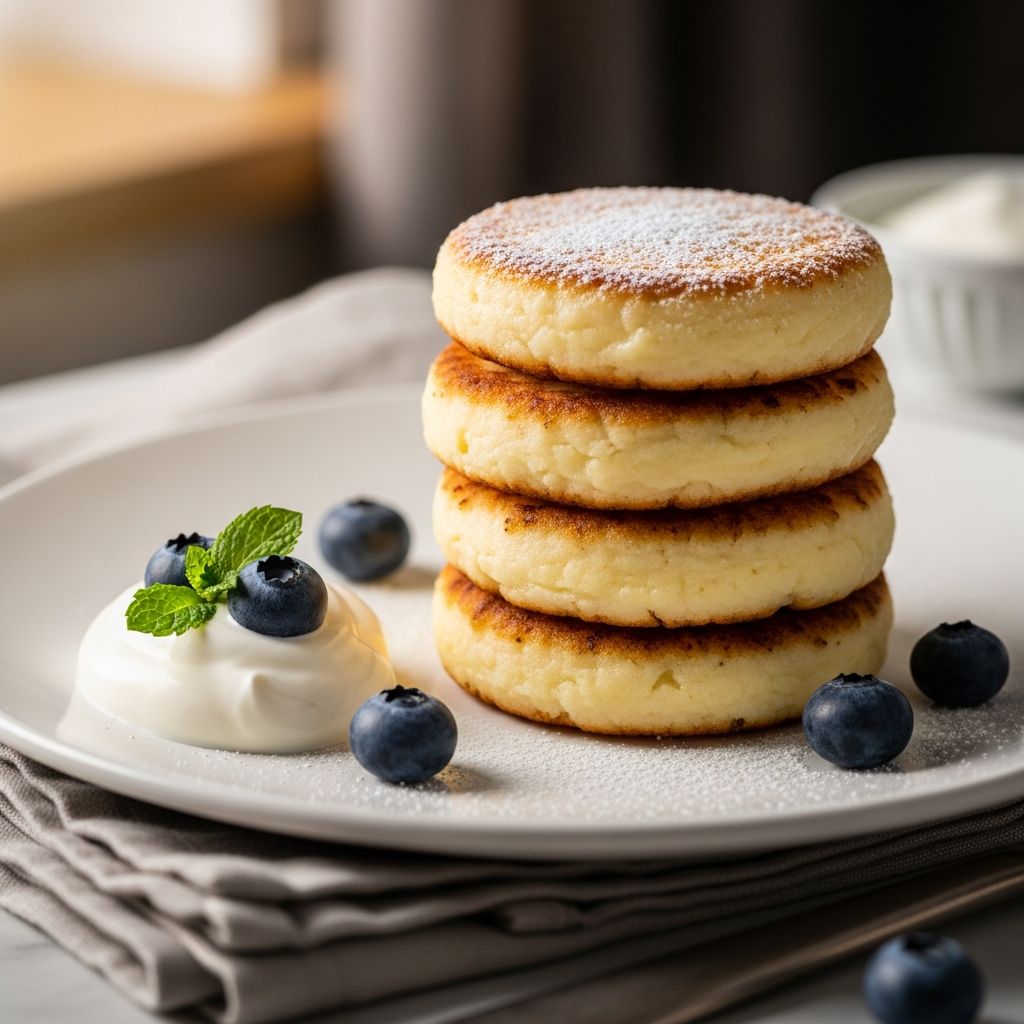
Throughout Eastern European households, particularly in Russia and Ukraine, a specific breakfast dish holds a cherished place in family traditions. Syrniki (also spelled sirniki or сырники in Cyrillic) represents far more than a simple pancake—it embodies cultural heritage and culinary comfort passed down through generations. These small, bite-sized cheese pancakes differ significantly from the American pancake tradition, offering a unique texture and flavor profile that has captivated palates for centuries.
The name itself provides insight into the dish’s composition. Derived from the Russian word for cheese (творог, or tvorog), syrniki are fundamentally cheese-based rather than grain-based preparations. What makes them particularly special is their ability to serve as a bridge between savory and sweet cuisines, making them versatile enough for breakfast, brunch, or even dessert occasions.
The Essential Ingredient: Farmer’s Cheese
The foundation of authentic syrniki rests entirely on one ingredient: farmer’s cheese. This ingredient deserves special attention because it differs substantially from mainstream cheeses found in typical grocery stores. Farmer’s cheese, also known as tvorog or curd cheese, possesses a crumbly, granular texture that sets it apart from cream cheese or ricotta, though it shares some characteristics with both.
Farmer’s cheese can typically be located in the dairy section near cream cheese and other specialty cheeses. When selecting this ingredient, look for products without added preservatives like potassium sorbate, as these can affect the final texture of your pancakes. The cheese should have a slightly moist appearance while maintaining its crumbly structure—this balance is crucial for achieving the proper consistency in your batter.
One important preparation step involves straining the cheese if it appears too wet. This simple action prevents your batter from becoming overly moist, which would result in pancakes that spread too much during cooking and lack the desirable slightly crispy exterior.
Building Your Syrniki Batter: The Basics
Core Ingredients and Their Functions
- Farmer’s cheese (450-500 grams or 2 cups): The primary ingredient providing protein and distinctive flavor
- Eggs (1-2 large): Act as a binder to hold the mixture together while adding richness
- Sugar (3-4 tablespoons): Provides subtle sweetness and balances the cheese’s tanginess
- Flour (2-4 tablespoons, plus additional for coating): Creates structure and helps firm up the batter
- Vanilla extract or vanilla sugar (1 teaspoon): Enhances sweetness with aromatic complexity
- Salt (pinch to 1/4 teaspoon): Heightens all flavors and balances sweetness
- Baking powder (optional, 1/2 teaspoon): Creates additional lift and fluffiness
Optional Flavor Additions
Many traditional recipes incorporate golden raisins (approximately 1/3 cup) throughout the batter, providing bursts of sweetness and textural interest. Some cooks add a small amount of cream cheese (1-2 ounces) to enhance richness and moisture retention during cooking.
Preparation Techniques for Perfect Results
Step-by-Step Batter Assembly
Begin by placing your farmer’s cheese into a large mixing bowl. Using a fork, break apart the cheese into smaller, more manageable pieces, ensuring no large clumps remain. This preliminary step is essential because large cheese pieces create uneven texture throughout your finished pancakes.
Once the cheese reaches the proper consistency, add your eggs and mix thoroughly, using the fork to continue breaking down any remaining chunks. Add your flour, sugar, and salt, continuing to mix with the fork or transitioning to a handheld mixer if you prefer. The resulting mixture should resemble thick cookie dough rather than traditional pancake batter—this distinction is crucial for proper cooking.
If you’re incorporating optional ingredients, fold them in gently at this stage. Allow the batter to rest for several minutes, which permits the flour to fully hydrate and allows the mixture to reach optimal consistency.
Shaping Your Pancakes
Syrniki require a different shaping approach than traditional pancake preparation. Using a heaping tablespoon or small ice cream scoop, portion the thick batter onto a floured surface or directly into your hands (which should be lightly oiled to prevent sticking). Roll each portion into a ball, then coat generously with flour by rolling it around in a shallow dish or on a plate.
After flouring, gently press each ball with your palm to form a thick, pancake-like disc approximately 3/4 to 1 inch thick. These pancakes will be noticeably thicker and denser than American-style pancakes, which is entirely intentional and contributes to their distinctive texture.
Cooking Methods: Traditional and Modern Approaches
Pan-Frying for Crispy Exteriors
Heat 3-4 tablespoons of neutral oil (sunflower, light olive, or avocado oil work excellently) in a large skillet over medium heat. Once the oil reaches the proper temperature—indicated by a slight shimmer—carefully place your shaped syrniki into the pan, maintaining some distance between each piece to prevent them from crowding.
Fry each side for approximately 3 minutes, or until golden brown and crispy. The pancakes will puff up slightly as they cook, which is a positive indication that they’re developing properly. Using a spatula, carefully flip each pancake to ensure even browning on both sides. Transfer finished pancakes to a serving dish and keep warm while you continue cooking remaining batches.
Oven-Baking as a Healthier Alternative
For a lighter preparation method, preheat your oven to 350°F. Arrange your shaped syrniki on a parchment-lined baking sheet, spacing them evenly. Bake for approximately 25 minutes, turning the pancakes halfway through the cooking time. This method produces pancakes with slightly less crispy exteriors but reduces overall oil consumption while still delivering excellent flavor and texture.
Nutritional Profile and Health Considerations
Syrniki represent a nutritionally superior breakfast option compared to traditional flour-based pancakes. The substantial farmer’s cheese content makes these pancakes notably high in protein, supporting sustained energy levels throughout the morning. This protein-rich profile makes them particularly suitable for individuals following high-protein dietary approaches or those seeking more satisfying breakfast options.
The minimal flour content means syrniki possess a lower carbohydrate density than conventional pancakes, making them accessible for those monitoring carbohydrate intake. For grain-free preparations, substitute all-purpose flour with coconut flour or other grain-free alternatives in equal measurements, adjusting liquid content as needed based on the specific flour’s absorption properties.
Serving Suggestions and Complementary Accompaniments
Syrniki pair beautifully with both sweet and savory toppings, reflecting their versatile nature. Sweet topping options include melted butter, sour cream (a traditional Eastern European accompaniment), jam, honey, or maple syrup. The slight tanginess of sour cream particularly complements these pancakes, creating a balanced flavor profile.
Savory variations involve reducing sugar content slightly and serving with savory toppings such as smoked salmon, caramelized onions, or fresh herbs. Some preparations skip sweeteners entirely, treating syrniki as a protein-rich savory component for lunch or dinner meals.
Frequently Asked Questions About Syrniki
Can I prepare syrniki batter in advance?
Yes, you can prepare the batter several hours ahead, storing it covered in the refrigerator. However, avoid shaping the pancakes until shortly before cooking, as they’re best prepared fresh to maintain optimal texture and prevent excessive moisture release from the cheese.
What if I cannot find farmer’s cheese?
While farmer’s cheese is ideal, you can experiment with ricotta cheese as a substitute, though the resulting texture will differ slightly. Some cooks use a combination of cream cheese and cottage cheese to approximate farmer’s cheese’s characteristics. Always strain any substitute thoroughly before using.
How should leftover syrniki be stored?
Store cooked syrniki in an airtight container in the refrigerator for up to three days. Reheat gently in a 300°F oven for approximately 10 minutes to restore crispiness, or briefly warm individual pancakes in a skillet over low heat.
Can syrniki be frozen?
Yes, freeze cooked syrniki on a baking sheet before transferring to freezer bags for up to three months. Reheat from frozen in a 350°F oven for approximately 15-20 minutes, or thaw overnight in the refrigerator and reheat briefly.
Why are my syrniki spreading too much during cooking?
This typically indicates your batter contains too much moisture. Ensure your farmer’s cheese is properly strained, and consider adding an additional tablespoon of flour to firm up the mixture. Additionally, verify your oil is sufficiently hot before adding pancakes to the pan.
Regional Variations and Cultural Adaptations
Throughout Eastern Europe, syrniki demonstrate remarkable consistency while allowing for regional personalization. Ukrainian preparations sometimes incorporate more generous amounts of raisins, while Russian versions may emphasize the slightly tangy cheese flavor by reducing sugar content slightly. Contemporary adaptations include incorporating different dairy products, adding nuts, or experimenting with various spice profiles to suit modern palates.
The dish’s popularity has expanded well beyond its geographic origins, with food enthusiasts worldwide discovering these versatile pancakes. Their compatibility with various dietary approaches—including high-protein, low-carb, and grain-free preparations—has contributed to their growing international recognition.
Why Syrniki Deserve a Place in Your Kitchen
Syrniki represent an excellent addition to your breakfast rotation for multiple compelling reasons. They’re relatively simple to prepare, requiring no specialized equipment beyond basic kitchen tools. The ingredient list is short and straightforward, with farmer’s cheese being the only potentially unfamiliar component. Beyond simplicity, these pancakes offer superior nutritional value, distinctive flavor, and cultural authenticity that enriches your cooking experience.
Whether you’re exploring Eastern European cuisine, seeking protein-rich breakfast options, or simply wanting to expand your pancake repertoire, syrniki deliver on all fronts. Their ability to transition between sweet and savory applications provides flexibility for different meals and occasions, while their impressive texture and flavor profile ensure they’ll become a household favorite once you master the basic technique.
References
- Syrniki (Farmer’s Cheese Pancakes) — Liza’s Farmhouse. https://lizasfarmhouse.com/syriniki-farmers-cheese-pancakes/
- Farmer’s Cheese Pancake Recipe — Arbuz.com. https://arbuz.com/recipes/ricotta-cheese-pancake-recipe/
- Syrniki or Farmers Cheese Pancakes — Beets and Bones. https://www.beetsandbones.com/syrniki-farmers-cheese-pancakes/
- Syrnyky (Сирники) Farmer Cheese Pancakes — The Splendid Table. https://www.splendidtable.org/story/2024/09/13/syrnyky-farmer-cheese-pancakes
- Cheese Pancakes Recipe (Sirniki) — Olga in the Kitchen. https://www.olgainthekitchen.com/cheese-pancakes-sirniki-video/
- Syrniki Recipe – Russian Cheese Pancakes — Babaganosh. https://www.babaganosh.org/syrniki-russian-cheese-pancakes/
Similar Articles





Read full bio of medha deb