Strawberry Rhubarb Sour Cream Pie: Complete Baker’s Guide
Master the art of baking a tangy-sweet strawberry rhubarb sour cream pie
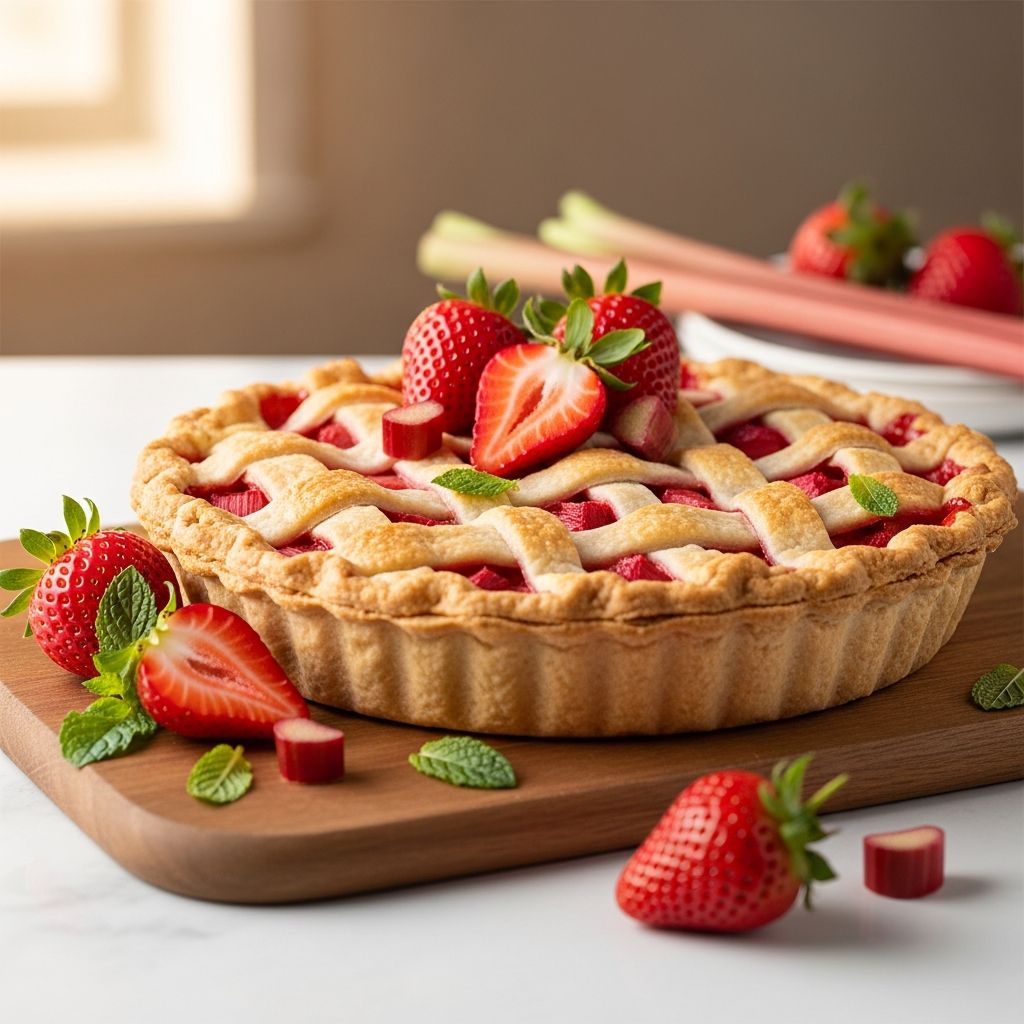
The combination of tart rhubarb and sweet strawberries creates one of the most beloved fruit pie varieties in traditional American baking. When these two fruits are paired with a luxurious sour cream custard filling and finished with a golden crumb topping, the result is a dessert that satisfies both sweet and tangy cravings simultaneously. This guide explores every aspect of creating this elegant dessert, from ingredient selection through final presentation.
Understanding the Flavor Profile and Appeal
The strawberry-rhubarb combination offers a unique taste experience that distinguishes it from other fruit pies. Rhubarb, technically a vegetable but used as a fruit in baking, naturally contains high levels of tartness that would overwhelm the palate if used alone. Strawberries provide natural sweetness and a familiar fruity flavor that balances the rhubarb’s sharp edges. When combined with sour cream, which adds another layer of tang and richness, the three components create a sophisticated flavor complexity that appeals to both adventurous and traditional palates.
Essential Ingredients and Their Roles
The Fruit Foundation
Quality fruit selection determines the success of your pie. Fresh rhubarb should be firm and vibrant pink or red, as this indicates proper ripeness and optimal flavor. Each cup of fresh rhubarb requires gentle washing and careful dicing into uniform pieces, typically one-half inch cubes, to ensure even cooking. For strawberries, medium-sized berries with deep red coloring and no blemishes produce the best results. Slicing them thickly preserves their structural integrity during baking, preventing them from turning into mush. Frozen fruit works equally well when fresh options are unavailable, though thawing and draining excess moisture prevents the pie from becoming overly watery.
The Binding Components
Flour serves as the primary thickener in the filling, transforming the fruit’s natural juices into a custard-like consistency. All-purpose flour works reliably, though some bakers prefer a combination of cornstarch and flour for extra silkiness. Sugar balances the rhubarb’s acidity while enhancing natural fruit sweetness. Most recipes call for one to one and one-half cups of sugar, depending on personal preference regarding sweetness levels. Salt, though often overlooked, amplifies and rounds out all other flavors in the filling.
The Creamy Custard
Sour cream serves as the foundation for the pie’s signature filling. Full-fat sour cream produces superior results compared to reduced-fat versions, offering richer texture and more pronounced tang. Eggs bind all components together while contributing to the filling’s structure and richness. One to two eggs typically suffice for a single nine-inch pie. Vanilla extract adds warmth and depth, complementing both the fruit and sour cream notes.
The Structural Elements
A quality pie crust forms the foundation that holds everything together. Many bakers choose between homemade and store-bought shells based on time availability and personal preference. Store-bought crusts offer convenience without sacrificing quality, while homemade shells allow for customization and the satisfaction of baking from scratch. The crust should be thoroughly chilled before filling to prevent shrinking during baking.
Constructing the Filling with Precision
Dry Ingredient Preparation
Begin by sifting together flour, sugar, and salt in a medium bowl. This process removes lumps and incorporates air, creating a lighter final texture. Setting these dry ingredients aside prevents clumping when wet components are added.
Wet Ingredient Integration
In a separate bowl, combine sour cream, eggs, and vanilla extract. Whisking thoroughly ensures even distribution of eggs throughout the sour cream, eliminating streaks and creating a uniform mixture. This step prevents egg pieces from appearing in the finished pie.
Combining Components
Gradually add the wet mixture to the dry ingredients while stirring constantly. This measured approach prevents lump formation that occurs when sour cream mixture is added too quickly. Continue stirring until the consistency reaches complete smoothness, which typically requires one to two minutes of gentle mixing.
Fruit Integration
Fold the prepared rhubarb and strawberries into the sour cream mixture using a spatula or wooden spoon. Gentle folding, rather than vigorous stirring, prevents breaking down the fruit pieces. This step combines the fruit evenly throughout the filling rather than allowing it to settle at the bottom.
Building Optimal Texture Through Baking Temperatures
Temperature control throughout the baking process creates the ideal pie structure. Starting at a higher temperature, typically 425 to 450 degrees Fahrenheit, sets the crust quickly and prevents it from becoming soggy. This initial burst of heat activates the crust’s structure before the fruit releases its moisture. After fifteen minutes, reducing the oven temperature to 350 degrees Fahrenheit slows the baking process, allowing the filling to set gradually without the crust over-browning. This two-temperature approach, developed through generations of pie baking experience, consistently produces superior results.
Crafting the Crumb Topping
The crumb topping provides textural contrast and visual appeal. Creating the ideal crumb mixture requires combining flour, brown sugar, and softened or melted butter in precise proportions. Most recipes recommend equal parts flour and sugar with slightly less butter, creating loose crumbs rather than a dense topping. Some bakers add a pinch of salt and cinnamon for additional flavor complexity. The mixture should resemble coarse bread crumbs with some pieces slightly larger than others. Uneven texture creates visual interest and provides varied crunchiness in each bite.
Timing the crumb topping application prevents over-browning while ensuring adequate cooking. Most recipes call for adding the topping after the pie has baked for approximately forty-five minutes, allowing the filling to set slightly before the topping is added. This prevents the topping from sinking into the filling while ensuring it crisps adequately before the pie finishes baking.
Managing Moisture and Preventing a Soggy Crust
A common challenge in fruit pie baking involves moisture management. The fruit releases significant liquid during baking, which can saturate the crust if not properly controlled. Several strategies address this concern. Placing a baking sheet lined with parchment paper on the oven rack below the pie catches any overflow, preventing oven messes and protecting the crust’s bottom from excess moisture. Some bakers brush the unbaked crust with egg wash or a thin layer of melted chocolate, which creates a moisture barrier without affecting flavor.
The flour content in the filling also controls moisture levels. Ensuring adequate flour concentration thickens the fruit juices into a custard-like filling rather than allowing it to remain watery. Testing the filling’s consistency during baking provides feedback about whether additional flour was needed in future attempts.
Cooling and Setting Procedures
Proper cooling significantly impacts the final pie’s sliceability and texture. Removing the pie from the oven and allowing it to cool completely on a wire rack for at least two to three hours permits the filling to set adequately. This patience prevents warm pie from collapsing into a runny mess when sliced. Some bakers recommend refrigerating the pie for several additional hours or overnight, which makes slicing cleaner and allows flavors to meld more completely. Serving the pie at room temperature or slightly warmed releases the aromatic compounds, enhancing the eating experience.
Troubleshooting Common Issues
Preventing Overly Tart Results
If the finished pie tastes excessively sour, increasing the sugar content in future attempts addresses the issue. Additionally, using less rhubarb relative to strawberries shifts the flavor balance toward sweetness. Some bakers add a small amount of orange zest, which complements tart fruit flavors while adding subtle aromatic complexity.
Managing Excessive Filling Moisture
When the filling remains too liquid even after adequate baking time, the flour-to-liquid ratio requires adjustment. Increasing flour by one to two tablespoons per pie corrects this issue. Alternatively, draining strawberries and rhubarb on paper towels before adding them to the filling removes excess surface moisture.
Addressing Soggy Crust Issues
A soggy bottom crust typically results from insufficient initial oven temperature or inadequate baking time. Ensuring the oven reaches the target temperature before placing the pie inside and maintaining that temperature for the recommended duration prevents this problem. Blind baking the crust for five to ten minutes before adding the filling provides additional insurance against sogginess.
Flavor Variations and Creative Adaptations
While the classic combination remains unmatched, creative variations allow for personal expression. Adding a quarter teaspoon of ground nutmeg or allspice to the filling enhances the warm spice notes. A tablespoon of lemon zest brightens the fruit flavors while emphasizing the tartness. Some bakers incorporate cardamom, ginger, or rose water for more adventurous flavor profiles. These additions should be used sparingly to avoid overpowering the natural fruit flavors.
Serving Suggestions and Accompaniments
Presentation and accompaniments enhance the dining experience significantly. Serving generous slices with a dollop of freshly whipped cream creates an elegant contrast to the tangy filling. Vanilla ice cream melting into warm pie creates a classic combination that never disappoints. Crème fraîche, with its own subtle tang, complements the sour cream filling without becoming redundant. Some elegant presentations include a drizzle of berry coulis or caramel sauce around the plate rim.
Storage and Make-Ahead Preparation
A fully baked pie stores well in the refrigerator for up to four days, covered loosely with plastic wrap to prevent drying. The pie can also be frozen for up to two months before baking, allowing for convenient preparation of future desserts. Unbaked pies freeze successfully, though adding approximately fifteen minutes to the total baking time accounts for the frozen state. Simply place the frozen pie directly into the preheated oven without thawing.
Frequently Asked Questions
Can this pie be made with only strawberries or only rhubarb?
While the combination provides optimal flavor balance, single-fruit variations are possible. Using only strawberries creates a sweeter pie lacking complexity, requiring reduced sugar to prevent excessive sweetness. Using only rhubarb produces an extremely tart pie that many find unpalatable unless significant sugar is added.
What is the best time of year to make this pie?
Spring and early summer offer peak availability of both strawberries and rhubarb, providing optimal flavor and quality. However, frozen fruit available year-round allows for enjoyment outside the traditional season without quality compromise.
How many servings does one pie provide?
A standard nine-inch pie yields eight generous slices, though individual preferences regarding portion size may produce six to ten servings.
Can dairy-free sour cream be substituted?
Dairy-free sour cream alternatives work adequately, though results differ slightly from traditional versions. Greek yogurt mixed with a small amount of lemon juice or vinegar provides a closer approximation to traditional sour cream’s tang and texture.
References
- Rhubarb and Strawberry Sour Cream Pie Recipe — Words of Deliciousness. Accessed April 2026. https://www.wordsofdeliciousness.com/sour-cream-rhubarb-and-strawberry-pie/
- Rhubarb Strawberry Sour Cream Pie — Noshing With the Nolands. Accessed April 2026. https://noshingwiththenolands.com/rhubarb-strawberry-sour-cream-pie/
- Strawberry Rhubarb Sour Cream Pie With Sophia — Instructables. Accessed April 2026. https://www.instructables.com/Strawberry-Rhubarb-Sour-Cream-Pie-with-Sophia/
Similar Articles




Read full bio of Sneha Tete