Storing Potatoes And Onions: 5 Storage Mistakes To Avoid
Discover why potatoes and onions shouldn't share space, plus expert tips for keeping both fresh for months in your kitchen.
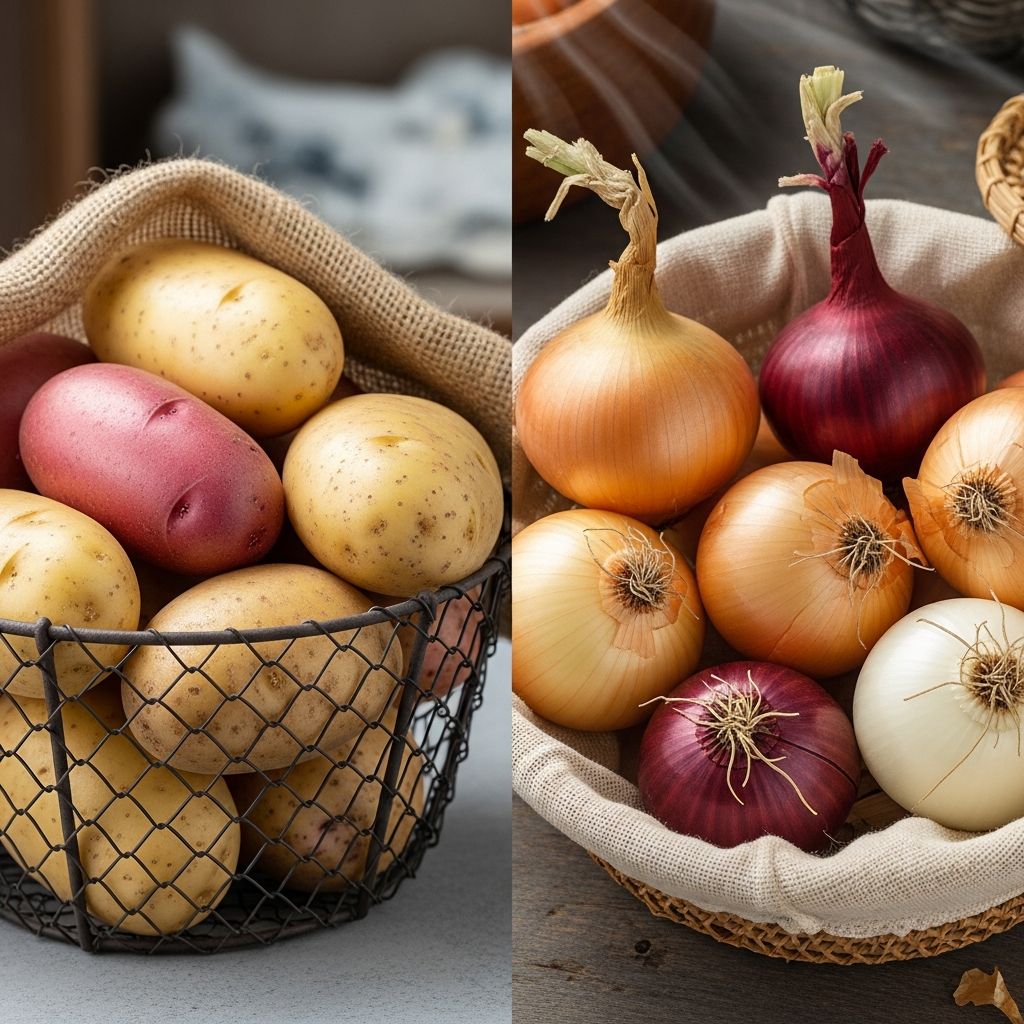
Potatoes and onions are pantry staples that can last for months when stored correctly, but keeping them together leads to faster spoilage due to gases they emit.
Why Separation is Essential for Longevity
Both potatoes and onions release natural gases during storage that accelerate each other’s deterioration. Onions produce ethylene gas, a plant hormone that triggers ripening and sprouting in potatoes. Potatoes, in response, emit moisture and other compounds that cause onions to soften and develop mold more quickly. This interaction can cut storage life from months to just weeks.
Research from produce experts confirms that physical separation by at least several feet—or ideally different storage areas—prevents these chemical reactions. In home pantries, this means dedicating distinct zones or containers to avoid cross-contamination.
Optimal Conditions for Potatoes
Potatoes thrive in environments mimicking their underground origins: cool, dark, and moderately humid. Ideal temperature ranges from 45°F to 55°F (7°C to 13°C), with humidity around 85-90% during initial curing and slightly lower for ongoing storage.
- Curing process: After harvest or purchase, let potatoes dry in a dark, humid spot for 1-2 weeks to toughen skins.
- Daily storage: Use breathable containers like wire baskets or cloth-covered bins to allow air flow while blocking light, which promotes greening and bitterness.
- Avoid: Refrigeration, as cold converts starches to sugars, altering taste and texture; washing before storage, which introduces excess moisture.
Under these conditions, properly stored potatoes can remain usable for 6 months or longer, retaining firmness and flavor.
Ideal Storage Setup for Onions
Onions prefer similar cool temperatures (45°F-55°F) but drier conditions, around 56-76% humidity, to prevent rot. Their papery skins act as a natural barrier, but moisture from nearby potatoes can penetrate this layer.
- Curing step: Spread onions in a warm (70°F+), dry, ventilated area for 2-3 weeks until necks dry and skins rustle.
- Storage options: Hang in mesh bags, use slatted crates, or place in open cardboard boxes with holes punched for circulation.
- Pro tip: Trim tops to 1 inch but leave roots intact for stability; discard any with soft spots immediately.
Yellow and white onions outlast red varieties, which soften faster—buy accordingly for bulk storage.
Can Garlic Join the Mix?
Unlike potatoes, garlic shares compatible traits with onions. Both are ‘produce buddies’ that tolerate each other’s ethylene without issue, allowing joint storage in the same mesh bag or bin.
Store garlic cured similarly to onions: dry necks form a protective seal. Keep at 45°F-55°F in cool, ventilated spots. Unpeeled bulbs last months; once broken apart, use cloves within weeks.
Pantry Organization Strategies
Transform your pantry into a longevity zone with these setups:
| Item | Container Type | Location | Separation Distance |
|---|---|---|---|
| Potatoes | Wire basket or cloth-covered bin | Dark shelf, away from light | 6+ feet from onions |
| Onions/Garlic | Mesh bags or open crates | Cool, dry shelf | Away from potatoes and fruits |
| Other Roots (e.g., Squash) | Slatted boxes | 50°F-55°F zone | Separate from ethylene producers |
Label zones clearly and rotate stock: first in, first out. Basements or garages work if temperatures stay above freezing and below 60°F.
Common Storage Pitfalls to Avoid
Even with separation, mistakes shorten shelf life:
- Light exposure: Causes potatoes to green (toxic solanine buildup) and onions to sprout.
- Poor ventilation: Trapped moisture breeds rot; never stack tightly.
- Fruit proximity: Apples and bananas emit high ethylene, hastening spoilage across the board.
- Pre-washing: Removes protective dirt layer; scrub only before cooking.
- Plastic bags: Trap humidity; opt for breathable materials.
Extending Life of Cut or Excess Produce
Not all buys fit long-term plans. For chopped onions, store in glass jars in the fridge for up to 10 days or freeze in bags for months. Potatoes don’t freeze well whole but can be parboiled and frozen for later use.
Spot spoilage? Isolate and use immediately—chop and freeze onions, bake softening potatoes into chips.
Seasonal Harvesting and Homegrown Tips
Gardeners maximize storage by timing harvests. Stop watering potatoes 2 weeks prior; dig after vines die. Brush, don’t wash, and cure as noted. Onions cure post-harvest in sun or warm air. Home-stored crops beat store-bought for nutrition and savings.
Monitoring and Maintenance Routine
Weekly checks prevent losses: feel for softness, sniff for off odors, remove sprouts. Adjust humidity with trays of damp cloths for potatoes or dry rice for onions if needed. Digital gauges (under $20) ensure precision.
FAQ
Can I refrigerate potatoes or onions?
No—cold damages starches in potatoes and moisture causes onion mold. Pantry or cool cellar is best.
How long do separated potatoes and onions last?
Up to 6-8 months for potatoes, 3-6 months for onions, depending on variety and conditions.
What if my space is limited?
Use vertical hanging bags for onions/garlic, under-shelf baskets for potatoes—maintain airflow and distance.
Is it safe to eat sprouted potatoes?
Remove sprouts and green areas; safe in moderation, but prioritize fresh stock.
Do sweet potatoes follow the same rules?
Similar to regular potatoes—separate from onions, store at 55°F-60°F.
References
- Can I Store Potatoes, Onions, and Garlic Together? — Fruits & Veggies (Have A Plant). 2023. https://fruitsandveggies.org/blog/can-store-potatoes-onions-garlic-together/
- Keeping Potatoes and Onions Fresh: Pantry Organization Tips! (Transcript) — YouTube (The Cross Legacy). 2023. https://www.youtube.com/watch?v=LlIOMCB0T74
- Long Term Storage of Your SFG Potatoes, Onions, Winter Squash — Square Foot Gardening Foundation. 2024-10. https://squarefootgardening.org/2024/10/long-term-storage-of-your-sfg-potatoes-onions-winter-squash/
Similar Articles








Read full bio of medha deb