Spring Soup Mastery: Fresh Seasonal Flavors
Discover how to craft vibrant, light soups that celebrate spring's finest ingredients and culinary traditions.
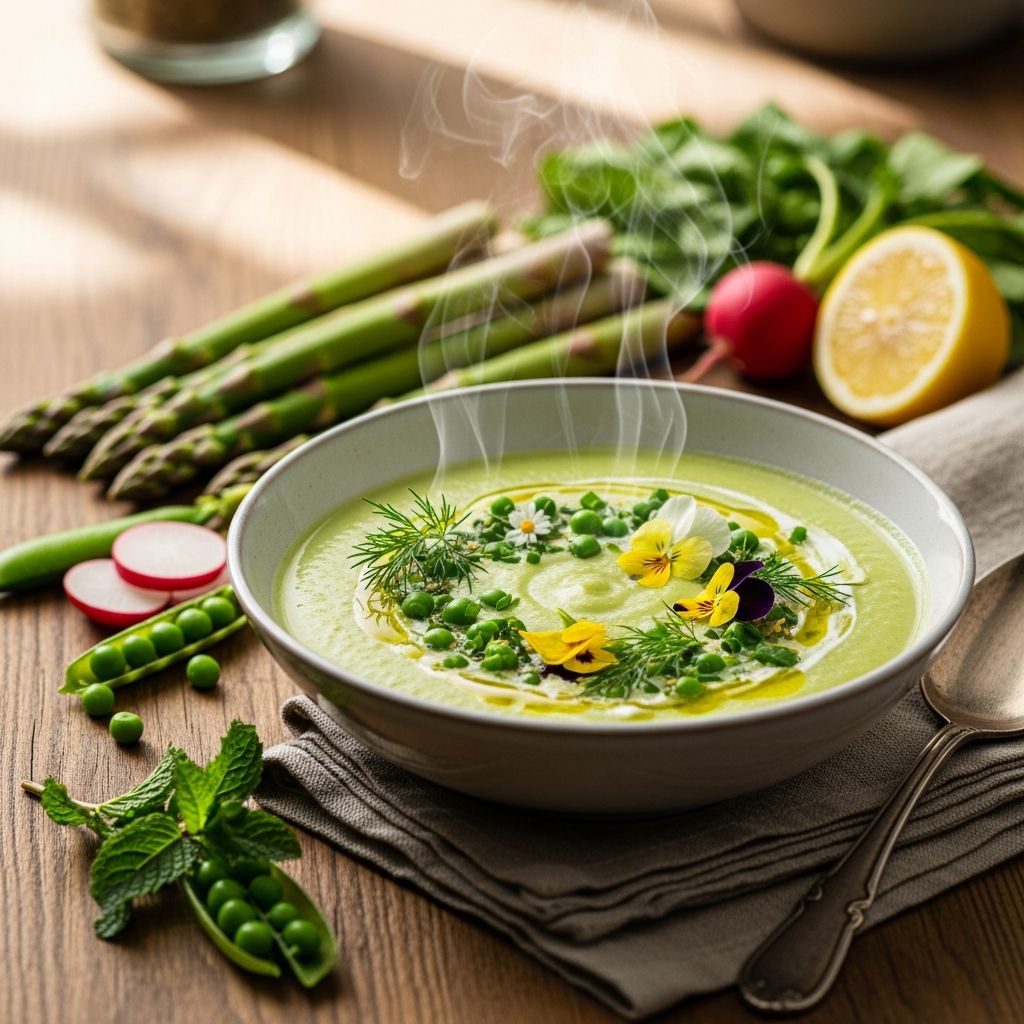
As winter fades and warmer weather approaches, the culinary landscape transforms dramatically. The arrival of spring brings a treasure trove of fresh, delicate ingredients that inspire a different approach to soup preparation. Unlike the heavy, warming broths that dominate colder months, spring soups embrace lightness, vibrancy, and the natural flavors of newly harvested vegetables. This seasonal shift represents an opportunity to explore culinary techniques that emphasize the inherent qualities of fresh produce rather than masking them with excessive cream or stock.
Understanding the Spring Soup Philosophy
Spring soups occupy a unique position in culinary tradition, bridging the gap between winter’s hearty comfort and summer’s cool, refreshing offerings. These preparations prioritize the essence of seasonal produce, utilizing vegetables available for only brief periods when they reach peak freshness. The fundamental principle underlying spring soup preparation involves highlighting natural flavors through thoughtful technique rather than heavy-handed seasoning or excessive preparation methods.
The vegetables that define spring cooking include asparagus, peas, fresh herbs, fennel, leeks, radishes, and young greens. Each of these ingredients carries distinct flavor profiles that benefit from preparation methods designed to preserve their delicate characteristics. The cooking philosophy emphasizes achieving balance between texture and taste, ensuring that soups remain vibrant and nourishing without becoming monotonous or overly refined.
Essential Seasonal Ingredients for Spring Soup Creation
Successful spring soup preparation begins with understanding the vegetables and herbs that define this season. Fresh produce delivers both nutritional benefits and authentic seasonal flavor that cannot be replicated during other times of year.
- Asparagus: This versatile vegetable brings subtle earthiness and natural sweetness. Its tender tips and firmer stalks cook at different rates, requiring thoughtful knife work and timing considerations.
- Fresh Peas: Whether snap peas or garden peas, these legumes provide natural sweetness and vibrant green color. They cook quickly, making them ideal for last-minute additions or garnish applications.
- Fennel: Offering delicate anise notes, fennel adds complexity and aromatic depth. When roasted or caramelized, its natural sugars intensify, creating rich flavor foundations.
- Leeks: These mild allium vegetables form the flavor base for numerous spring preparations. Their sweetness develops through gentle cooking, creating subtle aromatic layers.
- Fresh Herbs: Parsley, chervil, tarragon, and dill provide brightness and complexity. Raw or lightly cooked applications preserve their delicate flavors and vibrant colors.
- Radishes: These often-overlooked vegetables bring peppery notes and crisp texture. Both cooked and raw applications showcase their versatility in spring cooking.
Foundational Techniques for Spring Soup Development
Spring soup preparation employs distinct culinary techniques that differ substantially from winter preparations. Understanding these methods ensures that final dishes showcase seasonal ingredients authentically.
Puree-Based Preparations: Many spring soups utilize pureeing techniques that create smooth, elegant textures while preserving vegetable flavors. This method involves cooking vegetables until tender, then blending them with aromatic stock or cooking liquid. The resulting consistency offers refinement without excessive cream, allowing vegetable essence to dominate the palate.
Light Broth Foundations: Rather than relying on heavy stock, spring soups often employ lighter broths that complement delicate vegetables. Vegetable-based broths or light chicken preparations provide subtle flavor backgrounds that enhance rather than overwhelm seasonal ingredients.
Fresh Herb Integration: Fresh herbs deserve special consideration in spring preparations. Incorporating them at different stages—during cooking for subtle infusion, or raw as finishing elements—creates layered flavor complexity. This approach honors the herbs’ natural brightness while building depth.
Contemporary Spring Soup Variations
Modern culinary practice has expanded spring soup possibilities, incorporating international influences and innovative ingredient combinations while maintaining respect for seasonal traditions.
Chilled Preparations: As temperatures gradually warm, chilled soups bridge the gap between hot and cold presentations. These preparations utilize the same quality ingredients and refined techniques as their warm counterparts but deliver refreshment and sophisticated simplicity.
Protein Integration: Spring soups needn’t be vegetarian, though many modern preparations emphasize vegetables as primary components. Lighter proteins like fresh fish, delicate poultry preparations, or legumes complement spring vegetables without dominating the finished dish.
Unexpected Flavor Combinations: Contemporary spring soup preparation embraces thoughtful ingredient combinations that might seem unconventional but create harmonious finished products. Fruit-forward additions, unexpected spice applications, and international influence have expanded the traditional spring soup repertoire.
Preparation Methodology: From Selection to Service
Ingredient Selection and Preparation
Beginning with quality produce sets the foundation for successful spring soup preparation. Select vegetables that appear fresh and vibrant, with no signs of wilting or damage. When possible, source ingredients from local suppliers or farmers’ markets where seasonal availability ensures peak freshness.
Proper cleaning techniques deserve attention, particularly for vegetables like leeks that trap soil between layers. Thorough washing removes debris while preserving the vegetables’ delicate cellular structure. For tender spring vegetables, gentle handling prevents bruising that can compromise both appearance and flavor.
Knife work influences both cooking time and final texture. Consistent sizing ensures even cooking throughout the preparation, preventing situations where some pieces become overcooked while others remain undercooked. This precision reflects professional culinary practice and ensures optimal results.
Cooking Stages and Temperature Control
Successful spring soup preparation requires attentive temperature management. Initial cooking stages often involve gentle sautéing of aromatic vegetables at moderate temperatures, allowing their flavors to develop through caramelization without burning. This builds flavor foundations that support the finished dish.
Subsequent cooking with stock or liquid should maintain temperatures below boiling, as vigorous boiling can break down delicate vegetables and diminish their fresh character. Gentle simmering preserves texture while extracting maximum flavor.
For pureeing preparations, cooling soup before blending in a standard blender, or utilizing immersion blenders directly in the pot, offers flexibility. Multiple blending passes create progressively smoother textures, allowing the cook to achieve desired consistency from rustic to entirely smooth.
Garnish Strategies and Finishing Techniques
Proper garnishing elevates spring soups from simple preparations to refined dishes worthy of special occasions. Garnishes serve both aesthetic and flavor functions, introducing textural contrast and additional flavor elements that complete the presentation.
Fresh herbs offer obvious garnish applications, but presentation matters significantly. Chiffonade-cut herbs or whole delicate leaves create different visual impacts. Microgreens, pea tendrils, or edible flowers add sophistication and visual interest.
Textural garnishes provide important contrast to smooth preparations. Toasted breadcrumbs, crispy vegetable chips, or carefully prepared legumes introduce the textural variation that engaging dishes provide. These elements should be prepared separately to maintain their intended crispness rather than absorbing soup moisture.
Protein-based garnishes might include prosciutto strips, bacon bits, or delicately seared seafood additions. These components introduce savory depth and sophistication without overwhelming the soup’s essential spring character.
Flavor Development and Seasoning Considerations
Building well-balanced spring soups requires understanding how components interact and evolve throughout preparation. Unlike heavily spiced dishes, spring soups often achieve complexity through subtle layering rather than bold additions.
Acidity plays a crucial role in brightening spring soup flavors. Lemon juice, white wine, or sherry vinegar in modest quantities enhances vegetable flavors and prevents the finished dish from tasting flat or one-dimensional. Addition should occur near the end of cooking, preserving the acidity’s bright character.
Salt and pepper deserve careful attention during the final tasting stage. Seasoning should enhance natural flavors rather than introducing a distinctly salty or peppery taste. This restraint reflects professional culinary practice and respects the vegetables’ inherent qualities.
Umami elements, traditionally derived from meat stocks or aged cheeses, can be incorporated thoughtfully. Kombu, mushroom powder, or a modest parmesan cheese addition builds depth without compromising the soup’s spring essence.
Frequently Asked Questions
Can spring soups be prepared in advance?
Yes, most spring soups benefit from advance preparation. Completed soups can be refrigerated for several days or frozen for longer storage. However, fresh garnishes should typically be added immediately before service to preserve their appearance and texture. This advance-preparation capability makes spring soups practical for busy households.
What equipment proves most useful for spring soup preparation?
Quality knives for precise vegetable cutting, heavy-bottomed pots for even heat distribution, and either a blender or immersion blender for pureeing operations prove essential. A fine-mesh strainer helps achieve silky textures when a completely smooth preparation is desired.
How can vegetarian cooks maximize flavor in spring soups?
Vegetable stocks crafted from vegetable scraps, mushroom powders, kombu, miso paste, and careful caramelization of aromatic vegetables build depth in vegetarian preparations. Finishing with fresh herb oils or high-quality finishing oils adds complexity and richness.
What storage recommendations apply to finished spring soups?
Properly cooled soups refrigerate safely for three to four days in airtight containers. Freezing extends storage capacity to several months, though creamier preparations may require minor adjustment after thawing. Frozen soups benefit from gentle reheating over moderate heat rather than rapid boiling.
Adapting Spring Soups for Different Occasions
Spring soups’ versatility allows adaptation across various dining contexts. Simple, broth-based preparations serve as satisfying weeknight meals requiring minimal preparation. More refined versions with carefully considered garnishes and precise presentations suit special occasions and entertaining contexts.
Portion sizing influences how diners receive spring soups. Larger bowls suggest substantial meals, while smaller portions function as elegant first courses in multi-course presentations. This flexibility makes spring soups valuable tools for menu planning.
Temperature presentation also varies by context and season progression. As spring advances toward summer, chilled presentations become increasingly appropriate, while early spring favors warmly served preparations that provide comfort while celebrating fresh ingredients.
Conclusion
Spring soup preparation represents a distinctive culinary practice that honors seasonal produce while demonstrating refined technique and thoughtful flavor development. By understanding essential seasonal ingredients, mastering foundational techniques, and approaching preparation with attention to detail, home cooks and professional chefs alike can create memorable soups that capture spring’s essence. Whether preparing simple weeknight meals or sophisticated entertaining fare, spring soups offer endless possibilities for creative expression within the framework of seasonal cooking traditions.
References
- Springtime Soups For A Rainy Day — Escoffier Online. 2024. https://www.escoffieronline.com/springtime-soups-for-a-rainy-day/
- These Warm-Weather Recipes Prove Soup’s A Dish For All — Auguste Escoffier School of Culinary Arts. 2024. https://www.escoffier.edu/blog/recipes/these-warm-weather-recipes-prove-soups-a-dish-for-all/
- 3 Comforting Soups For Chilly Nights — Auguste Escoffier School of Culinary Arts. 2024. https://www.escoffier.edu/blog/culinary-arts/3-comforting-soups-for-chilly-nights/
- Some Souper Recipes from Escoffier Chef Instructors — Auguste Escoffier School of Culinary Arts. 2024. https://www.escoffier.edu/blog/recipes/some-souper-recipes-from-escoffier-chef-instructors/
- Soup: From Classic to Modern — Escoffier Online. 2024. https://www.escoffieronline.com/soup-from-classic-to-modern/
Similar Articles






Read full bio of Sneha Tete