Spring Peas with Lemon and Mint
Master this vibrant seasonal side dish with fresh herbs and bright citrus flavors
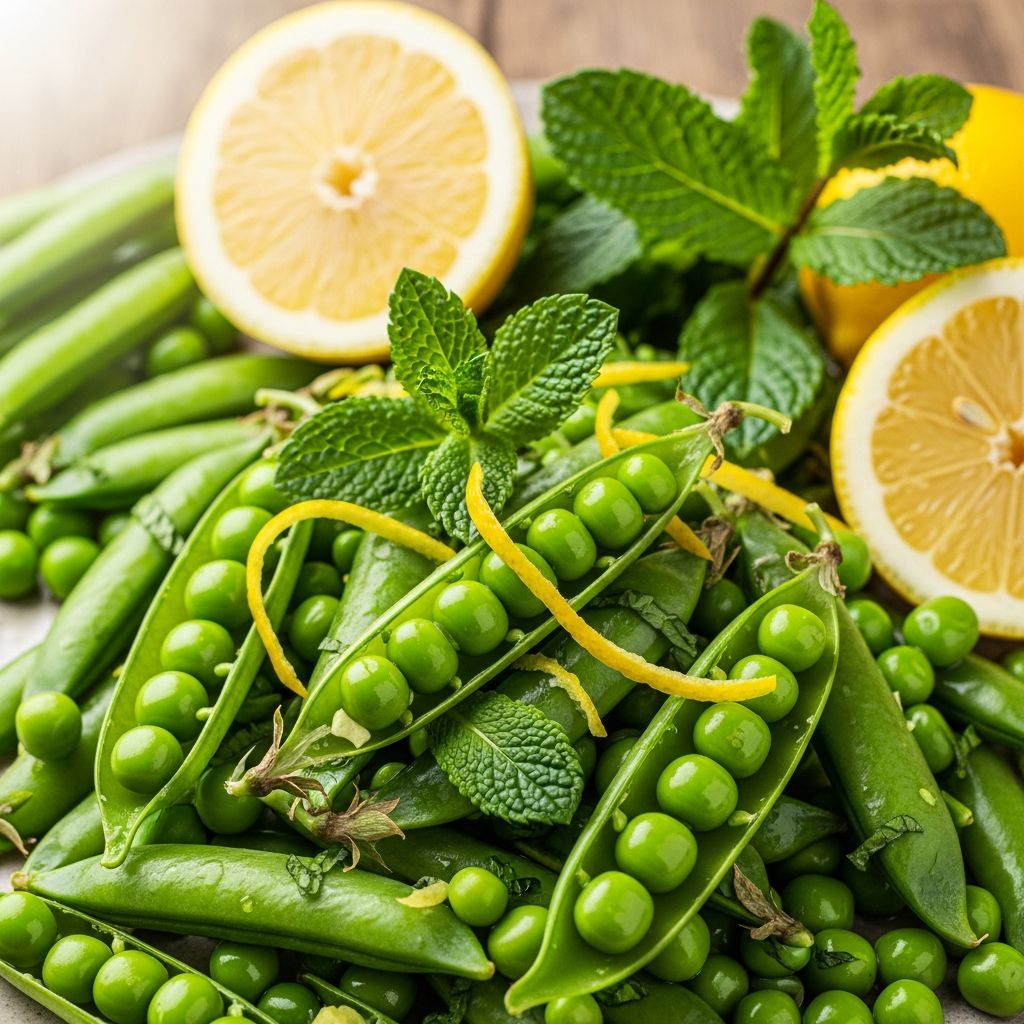
Celebrating Spring’s Finest: A Guide to Preparing Peas with Citrus and Herbs
When springtime arrives, fresh peas become one of the most anticipated ingredients in kitchens everywhere. Their natural sweetness and delicate texture make them perfect for simple preparations that let their flavor shine. This guide explores how to transform these seasonal gems into an elegant accompaniment to any meal through the addition of bright lemon and aromatic mint.
Understanding the Appeal of Spring Produce
Spring peas represent the essence of seasonal cooking. Unlike their frozen counterparts available year-round, fresh spring peas offer a tender texture and concentrated sweetness that captures the essence of the season. The combination of these delicate legumes with complementary flavors creates a dish that feels both effortless and refined. The interplay between the natural sweetness of peas, the tartness of lemon, and the refreshing qualities of mint creates a harmonious balance that appeals to modern palates seeking lighter, vegetable-forward cuisine.
Choosing quality ingredients sets the foundation for success. When selecting fresh peas, look for pods that feel firm and full, with a vibrant green color. The moment peas are harvested, their natural sugars begin converting to starch, making freshness directly correlate with flavor intensity. If fresh peas aren’t available, high-quality frozen peas offer a reliable alternative that has been harvested and frozen at peak ripeness.
Ingredient Selection and Preparation
This recipe’s simplicity relies on understanding each component’s role. The primary ingredients include tender peas, unsalted butter, fresh mint leaves, and lemon zest. Each element contributes distinct characteristics that work in concert.
Working with Fresh Versus Frozen Peas
Fresh spring peas require shelling, which involves removing the peas from their protective pods. This step takes time but yields incomparable flavor and texture. Once shelled, fresh peas need minimal cooking—typically just two to three minutes in boiling water. The goal is to preserve their tender quality and bright green color while ensuring they reach the perfect degree of doneness.
Frozen peas offer convenience without sacrificing quality. Modern freezing techniques capture peas at their nutritional and flavor peak, then lock in those qualities through rapid freezing. Since they’re already blanched during processing, frozen peas require even less cooking time. Many preparations simply thaw them gently under cool running water or add them directly to warm preparations where residual heat completes the cooking process.
Mastering Lemon Zest Preparation
Lemon zest represents the colored outer layer of lemon peel, which contains the fruit’s essential oils and delivers concentrated citrus flavor without the bitterness of the white pith beneath. Proper zesting technique ensures you capture only the flavorful colored portion. Using a microplane zester creates the finest texture, producing delicate strands that distribute evenly throughout the dish. If a microplane isn’t available, a vegetable peeler can remove thin strips of peel, which you then mince finely with a sharp knife. The key is avoiding the bitter white layer beneath the surface.
Fresh lemon zest offers far superior flavor to bottled alternatives. The aromatic compounds in fresh zest are volatile and diminish over time, so using zest immediately after preparation maximizes its impact. Plan to zest your lemon just before cooking, using only what the recipe requires.
Selecting and Using Fresh Mint
Fresh mint brings a cooling, refreshing quality that brightens the entire dish. Spearmint, the most common culinary variety, offers the ideal balance of flavor intensity and subtlety. When selecting mint, choose bunches with vibrant green leaves and no signs of browning or wilting. Store mint wrapped in a damp paper towel inside a plastic bag in your refrigerator, where it stays fresh for up to two weeks.
To prepare mint, gently wash and thoroughly dry the leaves, as excess moisture can cause bruising and browning. Most preparations call for finely chopping the leaves, which increases their surface area and allows their essential oils to distribute more effectively throughout the dish. A sharp knife creates cleaner cuts than tearing or crushing, which can darken the delicate leaves through oxidation.
Core Cooking Techniques
The Blanching Method
Blanching forms the foundation of this recipe’s technique. This process involves briefly cooking peas in boiling salted water, then immediately cooling them to halt the cooking process. For fresh peas, bring a large pot of generously salted water to a rolling boil. Add the shelled peas and immediately set a timer for two to three minutes. The salt seasons the peas from within while the boiling water cooks them evenly. The exact timing depends on pea size and how tender you prefer them.
Once the timer sounds, drain the peas immediately into a fine-mesh strainer. For a finished dish where peas will receive no additional cooking, transfer them to a bowl of ice water to cool completely, then drain again. This stops the cooking immediately and preserves the bright green color. If the peas will receive additional cooking in a cream sauce, cooling is optional.
Building the Finishing Sauce
The elegant simplicity of this dish emerges through strategic layering of flavors. Begin by melting butter over medium-low heat in a heavy-bottomed saucepan. The lower heat prevents the butter from browning, which would introduce bitter notes. Once the butter is fully melted and foamy, add finely minced shallots or sliced scallions, cooking for approximately three minutes until they soften and become fragrant without browning.
At this point, introduce the cream, fresh mint, and lemon zest. The combination creates an aromatic base that will coat the peas. Bring the mixture to a gentle simmer, stirring occasionally. As it heats, the cream’s fat will emulsify with the butter, creating a silky sauce. Some recipes add a splash of pasta water or vegetable broth to achieve the desired consistency, though a cream-based sauce typically reaches the right texture naturally.
Finally, add the cooked peas to the warm sauce, stirring gently to coat each pea evenly. Allow everything to warm through for just one minute, maintaining the peas’ tender texture. The entire process from sauce creation to serving should take no more than ten minutes.
Essential Tips for Success
- Pat peas completely dry before cooking: Excess moisture interferes with emulsification and can cause the sauce to break or become watery
- Use fresh, quality herbs: Dried mint loses its delicate flavor profile and cannot substitute adequately
- Don’t overcook: Peas transition quickly from perfectly tender to mushy; err on the side of undercooking slightly
- Season thoughtfully: Taste before adding salt, as the blanching water and butter contribute saline qualities
- Serve immediately: This dish is best enjoyed right after preparation when flavors are brightest and textures most appealing
Recipe Variations and Adaptations
Oil-Based Preparation
For a lighter interpretation, replace cream and butter with quality olive oil. After cooking the peas, toss them while still warm with excellent olive oil, fresh lemon zest, chopped mint, and red wine vinegar. This version works beautifully as a room-temperature side dish that actually improves as flavors meld over time. The acidity from vinegar provides brightness without cream’s richness.
Incorporating Additional Vegetables
This preparation accommodates vegetables that share similar cooking times and flavor profiles. Sliced scallions provide mild onion notes and visual interest. Thinly sliced shallots develop gentle sweetness during the sauté stage. Finely diced radishes add peppery crunch as a garnish. Snap peas, which cook quickly, pair beautifully with traditional peas.
Protein Integration
Transform this side into a light main course by incorporating complementary proteins. Crispy pancetta pieces add savory depth. Sautéed shrimp creates an elegant preparation suitable for entertaining. Soft goat cheese crumbled over finished peas adds richness and tang.
Nutritional Considerations
Spring peas deliver impressive nutritional value despite their small size. They provide plant-based protein, dietary fiber, and complex carbohydrates that sustain energy levels. The lemon zest contributes vitamin C and antioxidants without adding calories significantly. Fresh mint aids digestion and adds negligible calories while providing vitamins and minerals. When prepared with butter and cream in moderate amounts, the finished dish remains relatively balanced nutritionally while satisfying comfort food cravings.
Frequently Asked Questions
Can I prepare this dish ahead of time?
Prepare components separately in advance: blanch and cool peas, and prepare lemon zest and chopped mint. Combine everything just before serving to preserve texture and brightness. The finished dish doesn’t reheat well as cream sauces can break.
What if I only have dried mint available?
Use one-third the fresh amount of dried mint, as drying concentrates flavors. Dried mint works best when added to warm liquid, allowing it to rehydrate and release its essential oils fully.
How do I know when peas are done cooking?
Tender peas should offer minimal resistance when pressed between your tongue and the roof of your mouth, without any starchy graininess. Start checking at the two-minute mark when blanching fresh peas.
Can I use bottled lemon juice instead of fresh zest?
Bottled juice won’t replace zest, as it provides tartness without the aromatic quality that makes this dish special. However, a small squeeze of fresh lemon juice can supplement zest for additional brightness.
What sides pair well with this preparation?
The light, bright flavors complement grilled fish, roasted chicken, and lamb dishes. It works equally well alongside risotto, pasta, or grain-based preparations.
Seasonal Serving Suggestions
This dish epitomizes spring dining, making it ideal for transitional meals when heavier winter preparations feel inappropriate and summer grilling hasn’t fully begun. Serve alongside simply prepared proteins that won’t compete for attention: poached fish, pan-seared scallops, or herb-roasted chicken breast. The brightness works particularly well in multi-course meals where it cleanses the palate between courses.
For entertaining, this recipe’s elegance and simplicity make it perfect for dinner parties. Prepare all components in advance, then combine just before plating. The finished dish looks sophisticated on the plate—vibrant green peas glistening with sauce, punctuated with fresh mint—without requiring complex techniques or extended cooking times.
Consider offering this preparation at spring celebrations or holiday gatherings. It contributes vegetable nutrition to menus while adding color and flavor complexity that elevates simple meals into memorable dining experiences.
Conclusion
This spring peas preparation demonstrates how seasonal ingredients and simple techniques create dishes that feel both effortless and elegant. The combination of tender peas, bright lemon, and aromatic mint represents the essence of springtime cooking—celebrating fresh produce with minimal intervention, allowing natural flavors to shine. Whether served as a sophisticated side or enjoyed as part of a casual family meal, this timeless preparation continues to delight because it honors ingredients’ inherent qualities while adding just enough complementary flavor to enhance without overwhelming. The recipe’s versatility ensures it accommodates various preferences while maintaining its essential character, making it a valuable addition to any cook’s repertoire.
References
- Fresh Peas with Mint Recipe — Veggie Fest Chicago. Accessed April 2026. https://veggiefestchicago.org/recipe/fresh-peas-with-scallions-lemon-mint/
- Minted Peas with Lemon and Shallots Recipe — Mean Green Chef. Accessed April 2026. https://meangreenchef.com/minted-peas-with-lemon-and-shallots/
- Spring Peas With Mint — Italian Food Forever. May 2013. https://italianfoodforever.com/2013/05/spring-peas-with-mint/
- Peas With Lemon, Mint and Scallions — Cutco. Accessed April 2026. https://cutco.com/learn/peas-with-lemon-mint-scallions
Similar Articles





Read full bio of Sneha Tete