Spiedies Marinade: 5 Core Ingredients For Tender Flavor
Master the art of creating authentic Italian-inspired grilled meat skewers
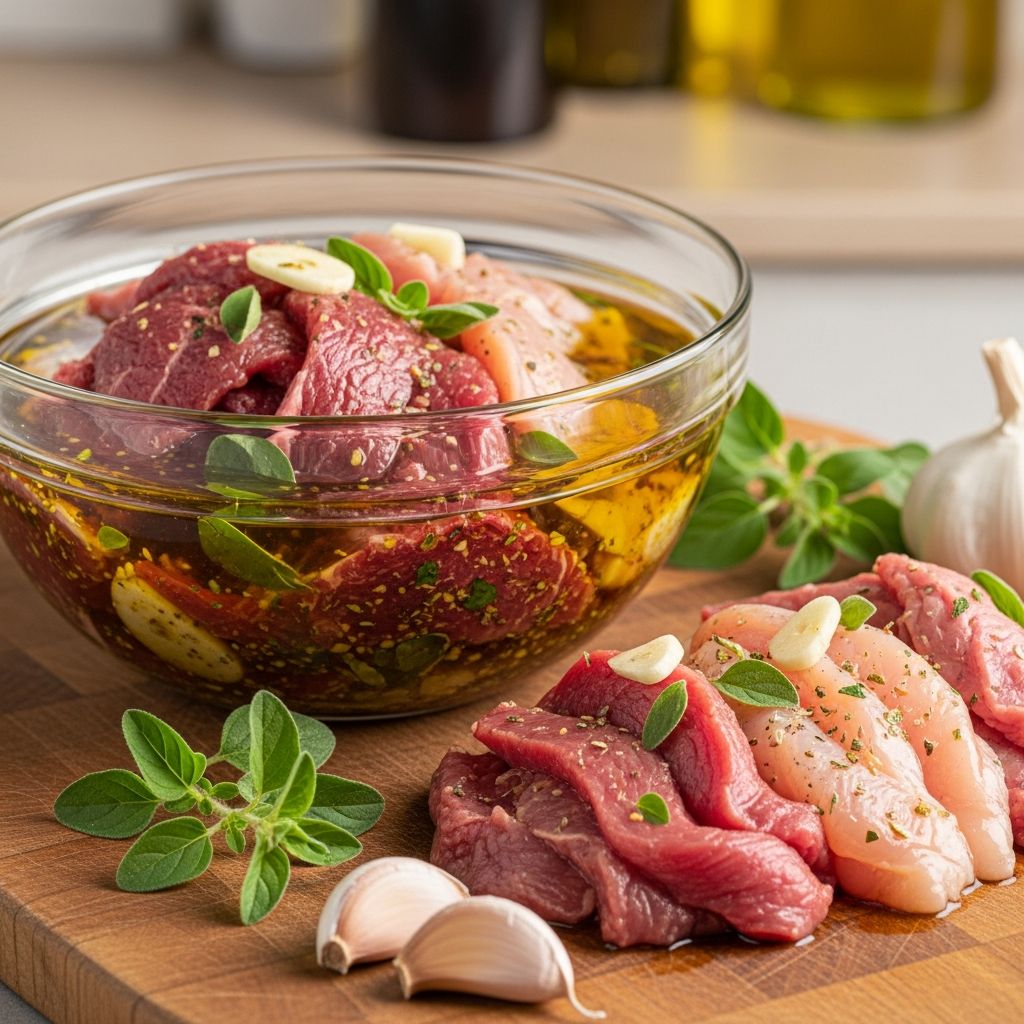
Spiedies represent a cherished culinary tradition with roots in Italian-American communities, particularly in the northeastern United States. These delicious grilled meat skewers derive their distinctive character from a carefully balanced marinade that combines acidic and savory elements. The marinade transforms ordinary cuts of meat into tender, flavorful morsels that showcase the complexity of Italian seasonings. Understanding how to prepare this versatile marinade opens doors to creating restaurant-quality results in your own backyard.
Understanding the Foundation of Spiedies Marinade
The essence of a proper spiedies marinade lies in balancing three fundamental components: fat, acid, and aromatics. The fat component, typically extra-virgin olive oil, serves multiple purposes beyond adding richness. It protects the meat’s surface from excessive drying during the marinating and grilling process, while also helping to distribute flavor-carrying compounds throughout the preparation. The acidic element, usually provided by vinegar and fresh lemon juice, works to gently denature the protein structure, allowing the meat to absorb surrounding flavors more effectively. Finally, the aromatic compounds derived from garlic, herbs, and spices create the distinctive taste profile that makes spiedies instantly recognizable.
The interplay between these components is not arbitrary. The acidic nature of the marinade actually begins a subtle transformation of the meat, partially breaking down muscle fibers in a process sometimes referred to as chemical cooking. This process, which occurs slowly over time in the refrigerator, contributes to the tender texture and concentrated flavor that characterize well-prepared spiedies. However, this same process means that marinating times must be carefully managed—too brief, and the meat remains relatively unchanged; too extended, and the meat’s texture can become mushy or unpleasantly soft.
Core Ingredients That Define the Marinade
Building a foundational spiedies marinade requires understanding the role of each ingredient category. The following components work together to create the characteristic flavor profile:
- Olive Oil: Ranging from 1/3 cup to 1 cup depending on the batch size, olive oil provides the fat base. Extra-virgin varieties contribute additional complexity and a fruity undertone to the final product.
- Vinegar: Both red wine vinegar and white wine vinegar appear frequently in traditional recipes, with each contributing slightly different flavor profiles. Red wine vinegar offers deeper, slightly earthier notes, while white wine vinegar provides a lighter, crisper acidity.
- Lemon Juice and Zest: Fresh lemon juice adds brightness and prevents the marinade from becoming one-dimensional. The zest contributes aromatic oils and subtle citrus complexity that pure juice cannot provide.
- Garlic: Fresh minced or smashed garlic cloves deliver pungent, savory depth. Some preparations use as few as 2 cloves, while others incorporate up to 10 cloves for a more assertive garlic presence.
- Dried Herbs: Oregano, basil, thyme, and parsley form the backbone of Italian flavor. These dried herbs concentrate flavor in smaller quantities compared to their fresh counterparts.
Comparative Analysis of Marinading Approaches
| Marinade Component | Minimal Recipe | Standard Recipe | Enhanced Recipe |
|---|---|---|---|
| Olive Oil | 1/3 cup | 3/4 to 1 cup | 1 cup |
| Vinegar (Red Wine) | 1/4 cup | 1/2 cup | 1/2 cup |
| Lemon Juice | 2 tablespoons | 1/4 cup | 1/2 cup freshly squeezed |
| Garlic Cloves | 2 cloves | 4-6 cloves | 10 cloves |
| Dried Oregano | 1/2 teaspoon | 1 tablespoon | 1 tablespoon |
| Fresh Herbs | None | 1/4 cup mixed | 1/4 cup mixed |
| Marinating Time | 12 hours | 18-24 hours | 24-48 hours |
Step-by-Step Marinade Preparation Method
Creating an exceptional spiedies marinade follows a logical sequence that ensures proper flavor development and emulsification of ingredients. Begin by assembling all components before beginning the mixing process. This mise en place approach prevents forgotten ingredients and allows for smooth preparation flow.
Initial Combination: In a medium-sized bowl, combine the acidic components—lemon juice, white or red wine vinegar, and any additional citrus zest. These ingredients should be whisked together briefly to ensure even distribution. Next, add the minced or smashed garlic cloves, along with all dried herbs, salt, pepper, and any optional spice elements such as red pepper flakes.
Oil Integration: The critical step involves incorporating the olive oil into this aromatic mixture. Rather than simply pouring all the oil at once, add it in a slow, steady stream while whisking continuously. This gradual approach encourages partial emulsification, creating a more stable marinade that coats meat more effectively. Some cooks prefer using a food processor for this stage, which ensures thorough mincing of garlic and herbs while creating a more uniform consistency.
Optional Reserve Portion: Experienced cooks recommend immediately setting aside approximately one-half cup of the prepared marinade before combining it with meat. This reserved portion remains uncontaminated by raw meat and can later serve as a basting liquid during grilling or as a finishing sauce drizzled over cooked spiedies.
Selecting and Preparing Proteins for Marinating
While chicken represents the most common choice for spiedies preparation, the versatility of this marinade extends to multiple protein options. Each protein requires slightly different consideration regarding marinating duration and cutting technique.
Chicken breasts should be cut into uniform one-inch cubes to ensure even marinating and consistent cooking throughout. This standardized sizing prevents some pieces from becoming overdone while others remain undercooked. Removing excess moisture from the chicken before marinating can improve the flavor absorption process. Pork, lamb, and venison can all be successfully marinated using identical techniques, though these meats may tolerate slightly longer marinating periods without texture degradation.
The choice of cutting surface and knife matters more than many home cooks realize. Using a dedicated cutting board for raw meat prevents cross-contamination, while a sharp knife produces cleaner cuts that absorb marinade more efficiently than jagged edges created by dull blades.
The Critical Marinating Process
Once meat and marinade combine, the actual flavor development occurs during the refrigerated resting period. Place the cubed meat into a non-reactive container—either a glass bowl, ceramic dish, or heavy-duty plastic freezer bag. Non-reactive vessels prevent chemical interactions between acidic marinades and metal containers, which can impart unwanted metallic flavors.
Pour the prepared marinade over the meat, ensuring every piece contacts the liquid. Use your hands to massage the meat gently, breaking up any clumps and distributing the marinade thoroughly. If using a freezer bag, remove as much air as possible by squeezing before sealing. This technique ensures better contact between meat and marinade while preventing oxidation.
Refrigerate the marinating meat for a minimum of 18 to 24 hours, though extending the process up to five days produces even more pronounced flavor development. The extended timeframe remains within safe boundaries when proper refrigeration temperatures between 35-40 degrees Fahrenheit are maintained. Turning or gently agitating the container occasionally ensures even marinade distribution, though this step is optional when using freezer bags, as occasional squeezing achieves similar results.
Marinade Variations and Flavor Customization
While traditional spiedies marinades maintain certain core components, numerous variations exist that reflect regional preferences and personal taste preferences. Some recipes incorporate fresh herbs alongside dried varieties, creating a more complex aromatic profile. Others introduce elements such as honey, soy sauce, or bay leaves to add subtle sweetness or savory depth.
Regional Italian-American communities have developed proprietary marinade formulations that became commercially bottled products, such as Lupo’s Spiedie Marinade, which some cooks choose as a convenient alternative to homemade preparations. Whether choosing a commercial product or preparing marinade from scratch, the fundamental principles of balancing acid, fat, and aromatics remain constant.
For those desiring different flavor directions, apple cider vinegar can substitute for wine vinegar when unavailable, contributing a slightly sweeter undertone. Similarly, the herb selection can emphasize different profiles—increasing fresh mint and basil creates a lighter, more Mediterranean character, while emphasizing oregano and thyme produces a more robust, earthy taste.
Preparation for Grilling Success
Approximately 30 minutes before grilling, remove the marinated meat from refrigeration to allow it to reach closer to room temperature. This practice promotes more even cooking throughout each cube. While the meat approaches room temperature, prepare your skewers by soaking bamboo varieties in water for at least 30 minutes, which prevents burning during grilling. Metal skewers require no special preparation but benefit from light oiling to prevent sticking.
Thread the meat cubes onto skewers, ensuring even spacing that allows heat circulation around all surfaces. Leave approximately 1/2 inch between pieces to facilitate thorough cooking. The reserved marinade can now serve as a basting liquid during the initial stages of grilling, though avoid applying it during the final minutes when raw meat contamination concerns arise.
Grilling Techniques and Timing Considerations
Preheat your grill to medium-high heat and lightly oil the grate to prevent sticking. For chicken spiedies, plan on approximately 3-4 minutes per side, adjusting based on cube size and your particular grill’s heat characteristics. Pork requires slightly extended cooking times, typically a few minutes longer than chicken, to ensure complete doneness throughout. Use an instant-read thermometer to verify that internal temperatures reach 165°F for chicken and 145°F for pork, removing guesswork from the cooking process.
Avoid excessive flipping, which interrupts the development of flavorful crust and increases the risk of meat falling off skewers. Instead, allow each side adequate time to develop browning before turning. The drizzle of reserved marinade during grilling adds moisture and reinforces the distinctive flavor while creating a light glaze on the finished product.
Serving and Storage Recommendations
Spiedies are traditionally served immediately after grilling, nestled into soft Italian rolls or hoagie-style bread. Some preparations include optional grilled onions and fresh tomato slices for additional texture and flavor complexity. Any leftover reserved marinade can be drizzled over the finished sandwich or served alongside as an accompaniment.
Properly stored leftover marinated meat remains safe for up to three days in the refrigerator. Cooked spiedies keep for approximately three to four days under similar conditions. For extended storage, freezing marinated meat in its marinade preserves quality for several months, allowing convenient future preparation without repeating the marinating process.
Frequently Asked Questions About Spiedies Marinades
Can I use different types of vinegar in spiedies marinades?
Yes, both red wine vinegar and white wine vinegar work well in traditional recipes. Apple cider vinegar serves as an acceptable substitute, though it contributes slightly different flavor characteristics. The primary requirement is ensuring adequate acidity to achieve proper flavor development.
What is the minimum marinating time required for adequate flavor development?
While 12 hours produces edible results, 18-24 hours represents the optimal minimum for developing full flavor complexity. Extended marinating up to five days produces increasingly pronounced outcomes without negative effects when proper refrigeration is maintained.
Is it necessary to use fresh herbs, or do dried herbs suffice?
Dried herbs work effectively for marinades, as their concentrated form delivers ample flavor. Fresh herbs can supplement or partially replace dried varieties, though adjusting quantities upward by a factor of three to four accounts for their lower concentration.
Why should I reserve a portion of marinade before combining with meat?
The reserved portion remains uncontaminated by raw meat, making it safe to use as a basting liquid during grilling or as a finishing sauce served alongside the meal. This approach adds flavor reinforcement while ensuring food safety.
What proteins work best with traditional spiedies marinades?
Chicken serves as the most popular choice, but pork, lamb, and venison all respond excellently to this marinade style. The fundamental flavor profile complements various proteins, allowing flexibility based on personal preference and availability.
References
- Spiedies Recipe — Something New For Dinner. Accessed April 2026. https://somethingnewfordinner.com/recipe/spiedies/
- Chicken Spiedies – What Should I Make For — What Should I Make For. Accessed April 2026. https://whatshouldimakefor.com/chicken-spiedies/
- Chicken Spiedies — baked magazine. Published May 2, 2025. https://bakedmagazine.com/2025/05/02/chicken-spiedies/
- Grilled Chicken Spiedies — Just a Little Bit of Bacon. Accessed April 2026. https://www.justalittlebitofbacon.com/grilled-chicken-spiedies/
- Garlic & Herb Marinated Chicken Spiedies — Host The Toast. Accessed April 2026. https://hostthetoast.com/garlic-herb-marinated-chicken-spiedies/
- New York Chicken Spiedies — Frugal Hausfrau. Published July 11, 2019. https://frugalhausfrau.com/2019/07/11/new-york-chicken-spiedies/
- “Lupo’s” Chicken Spiedies Recipe — Food.com. Accessed April 2026. https://www.food.com/recipe/lupos-chicken-spiedies-219681
Similar Articles








Read full bio of medha deb