Smart Bulk Buying: 12 Items to Skip
Discover 12 everyday items that seem like bulk bargains but often lead to waste, spoilage, or hidden costs—save money with these savvy tips.
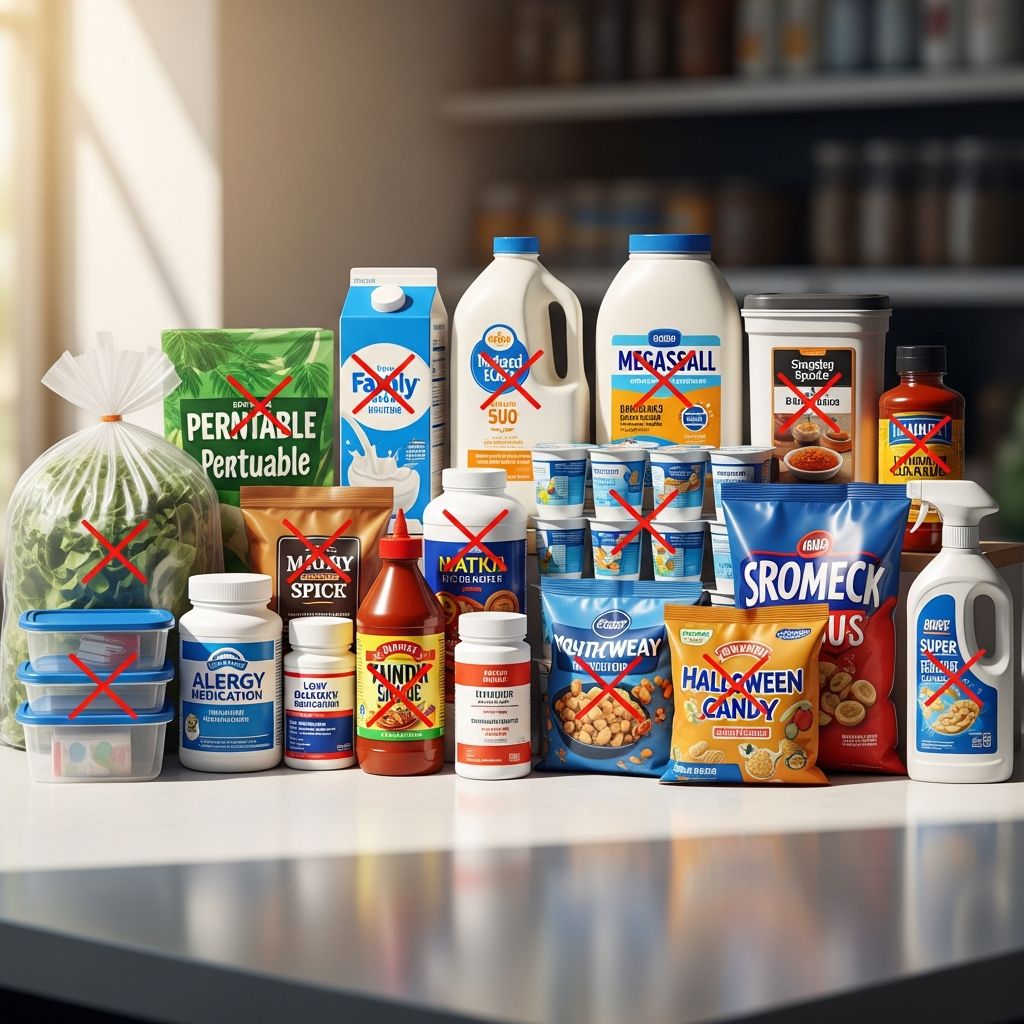
Bulk shopping at warehouse clubs promises big savings, but not every deal delivers. Certain products degrade quickly, take up space, or cost more per unit than smaller sizes on sale. This guide highlights 12 categories to approach cautiously, backed by practical reasons and alternatives for true value.
Why Bulk Isn’t Always Best
While jumbo packs tempt with low per-unit prices, factors like expiration dates, storage needs, and usage rates often make them wasteful. Perishables spoil, chemicals lose potency, and trendy items sit unused. Families throw away tons of bulk-bought food annually, especially produce and dairy. Smart shoppers buy only what matches their habits.
Perishable Foods That Spoil Fast
Fresh items dominate bulk regrets. Their short shelf lives mean overbuying leads straight to the trash.
- Fresh Produce like Berries and Greens: Delicate fruits and leafy veggies rot quickly in large quantities. Households discard more of these than any other category. Buy weekly instead to ensure freshness.
- Bread and Baked Goods: Giant loaves stale rapidly, and oversized muffins or pastries encourage overeating. Freeze small batches if needed, but smaller purchases prevent waste.
- Eggs: Dozens expire before average families use them. Check sell-by dates and opt for smaller cartons unless hosting events.
Dairy Products with Short Lives
Large dairy containers seem economical but sour or separate faster once opened.
- Milk and Yogurt: Jumbo jugs warm quickly in fridges, accelerating spoilage. Misread dates lead to premature tossing. Smaller sizes suit most households.
- Sour Cream: Loses texture days after opening. Stick to family-sized tubs only if consumed promptly.
Oils, Grains, and Nuts Gone Rancid
High-fat foods turn bitter over time, ruining flavor and nutrition.
| Item | Why Avoid Bulk | Best Alternative |
|---|---|---|
| Brown Rice & Whole Grains | Oil content causes spoilage in months; store airtight in cool spots. | Buy 6-month supply max. |
| Cooking Oils | Rancidify after opening; heat speeds breakdown. | Small bottles, dark storage. |
| Nuts & Trail Mix | Fats go rancid; added sugars/salt in mixes reduce value. | Small bags, portion control. |
Beverages That Lose Appeal
Drinks in crates often disappoint on price or quality.
- Soda & Diet Drinks: Warehouse prices per can exceed grocery sales. Diet versions decline post-best-by. Shop promotions locally.
- Coffee & Cocoa: Aroma fades fast in big cans. Whole beans in small bags preserve taste better.
- Beer: Grows skunky; prefer local deals or cans for freshness.
Household Cleaners That Weaken
Chemicals degrade, reducing effectiveness.
- Liquid Bleach: Sodium hypochlorite breaks down in 6 months, faster in heat. Replace yearly.
- Laundry & Dish Detergents: Liquids separate; pods or powder last longer in bulk if used frequently.
Personal Care with Expiration Risks
Beauty and health items harbor bacteria or lose potency.
- Sunscreen: Heat degrades UV blockers; store cool, buy seasonally.
- Eye Makeup: Liquids/cream expire in 3-6 months; powders safer for bulk.
- Skincare Creams: Jars expose to contaminants; short lives for retinoids, peels.
Pantry Staples That Stale
Small-use items waste away in giants.
- Spices & Leaveners: Lose potency yearly; buy whole spices, grind fresh.
- Flour: Attracts pests, sours; small bags suffice.
- Condiments: Ketchup, mayo separate slowly; vinegar exception lasts forever.
Baby and Health Essentials
Growth spurts and dates derail these buys.
- Diapers: Sizes outgrown fast; compare Amazon vs. clubs.
- OTC Medications: Expire unused; generics cheaper small.
Canned Goods and Freezer Fillers
Not always cheaper, and space hogs.
- Canned Foods: Grocery sales beat club cases, especially with coupons.
Strategies for Bulk Success
To shop wisely:
- Assess usage: Match buys to consumption.
- Hunt sales: Local stores often undercut clubs.
- Freeze smart: Works for bread, not oils.
- Portion immediately: Divide nuts, grains.
- Check dates: Buy near expiration for quick use.
FAQ
Q: When is bulk buying worth it?
A: For non-perishables like rice (white), toilet paper, or frozen meats used frequently.
Q: How long do opened spices last?
A: Ground: 6-12 months; whole: 2-4 years in cool, dark storage.
Q: Are warehouse clubs always cheapest?
A: No—compare per-unit with sales, coupons.
Q: What about pet food or paper goods?
A: Safe if rotated; avoid if space-limited.
Q: Can I bulk-buy sunscreen in winter?
A: Yes, cooler storage preserves it better.
Key Takeaways for Savvy Shoppers
Focus on high-turnover items. Calculate true costs including waste. Small, frequent shops often win over one-stop bulk hauls. Adjust for household size—large families thrive on some giants, solos on minis.
References
- 12 Things You Should Never Buy In Bulk — Woman’s Day. Accessed 2026. https://www.womansday.com/home/g2178/worst-things-to-buy-in-bulk/
- 10 foods you should never buy in bulk—even if they’re on sale — FODMAP Everyday. Accessed 2026. https://www.fodmapeveryday.com/10-foods-you-should-never-buy-in-bulk-even-if-theyre-on-sale/
- 20 Items Not to Buy in Bulk: Beer, Soda, Diapers, and More — Cheapism. 2018-03. https://www.cheapism.com/what-not-to-buy-in-bulk-17648/
- 8 Things to Avoid Buying in Bulk Even in a Pandemic — AARP. Accessed 2026. https://www.aarp.org/money/personal-finance/bad-bulk-store-buys/
- 11 items you should never buy in bulk — Business Insider. 2018-03. https://www.businessinsider.com/worst-things-to-buy-in-bulk-2018-3
Similar Articles




Read full bio of medha deb