Slow Cooker Pulled Pork Tacos: Complete Guide For Weeknights
Transform your taco night with tender, flavorful slow cooker pulled pork
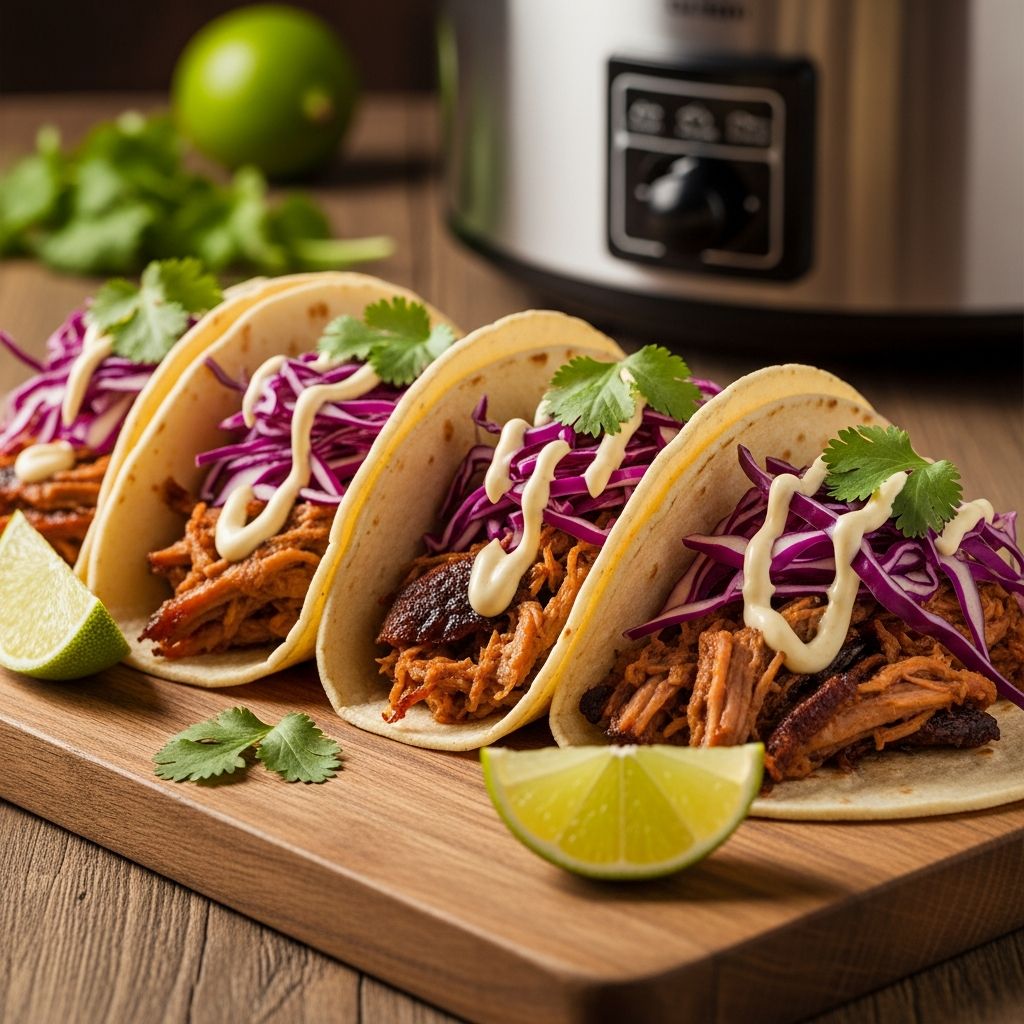
When it comes to convenient weeknight dinners that don’t compromise on flavor, few dishes rival the appeal of slow cooker pulled pork tacos. This cooking method transforms a humble cut of meat into something extraordinary, allowing you to prepare an impressive meal with just minutes of hands-on work. Whether you’re planning a casual family dinner or looking to impress guests, understanding the fundamentals of this technique will elevate your culinary repertoire.
Understanding Your Ingredient Selection
The foundation of exceptional pulled pork starts with choosing the right cut of meat. Pork shoulder, also called pork butt, is the ideal choice for this application. This particular cut contains sufficient marbling and connective tissue that break down during prolonged cooking, resulting in meat that shreds effortlessly and absorbs flavors beautifully. When selecting your pork, aim for a piece that weighs between four and five pounds, which typically yields enough protein for six to eight servings depending on your taco preferences.
Beyond the meat itself, the aromatic components play an equally important role in developing depth. While traditional approaches often rely on salsa or tomato-based products, exploring alternatives can yield exciting variations. Many cooks incorporate pineapple for subtle sweetness, jalapeños for heat, and citrus juices for brightness. The interplay between these elements creates complexity that single-note seasoning simply cannot achieve.
Building Layers of Flavor Through Strategic Seasoning
Rather than viewing seasoning as a single step, consider it an opportunity to build flavor at multiple stages. The initial spice rub applied directly to the meat surface creates a flavorful crust that forms the base of your final dish. This mixture should include warm spices like cumin and coriander, which complement pork naturally, alongside aromatics like garlic powder and onion powder for enhanced umami.
The second layer of flavor comes from your cooking liquid. This element serves dual purposes: it prevents the meat from drying out during the extended cooking period while simultaneously infusing the pork with additional taste dimensions. Your choice here determines the final character of your dish. A green salsa base produces brighter, more herbaceous results, while a traditional red salsa offers richer tomato notes. Some adventurous cooks add unexpected ingredients like cola or beer, which contribute subtle sweetness and depth.
Preparation Steps That Set You Up for Success
Begin by trimming excessive fat from your pork shoulder, though leaving a modest amount preserves moisture and flavor. Cut the meat into several large pieces rather than keeping it whole; this approach promotes more even cooking and facilitates the shredding process. Some cooks prefer an optional preliminary step of searing the seasoned meat in a hot skillet before transferring it to the slow cooker. While not strictly necessary, this technique develops a flavorful crust through the Maillard reaction, adding another dimension to your final product.
Arrange your slow cooker ingredients thoughtfully. Place your aromatic base—whether that’s salsa, spices, or a liquid mixture—at the bottom of your vessel first. This prevents your meat from sitting directly on the heating element, which could lead to uneven cooking. Position your pork on top of this flavorful foundation, ensuring the liquid reaches at least halfway up the sides of the meat. This coverage protects against drying while the meat slowly cooks.
Mastering Cooking Times and Temperature Settings
The slow cooker’s beauty lies in its flexibility regarding cooking duration. On the low setting, expect your pork to reach optimal tenderness after six to ten hours, with eight hours representing a reliable middle ground for most home cooks. The high setting accelerates the process to four to six hours, making this option convenient for those with tighter schedules. However, low-and-slow cooking typically produces superior texture and more thoroughly integrated flavors.
Determining doneness relies more on texture than time. Your pork is ready when it yields effortlessly to a fork, shredding into individual strands with minimal pressure. If you encounter resistance, your meat needs additional cooking time. Remember that the cooking process continues even after you remove your slow cooker from heat, so resist the urge to open the lid frequently, which releases valuable steam and extends cooking times.
The Shredding Process and Sauce Management
Once your pork achieves the desired tenderness, carefully remove it from the slow cooker and place it on a large cutting board. Using two forks—one to hold the meat steady and one to pull it apart—systematically shred the pork into bite-sized pieces. This process requires minimal effort if your cooking time was adequate; properly cooked pork essentially falls apart under gentle pressure. Discard any substantial fat deposits you encounter, though some marbling throughout adds valuable moisture and flavor.
Return your shredded pork to the slow cooker and stir it thoroughly into the cooking liquid. This step ensures every morsel absorbs the accumulated flavors. If your sauce seems too thin, you have several options: allow it to simmer uncovered on high for fifteen to twenty minutes to reduce slightly, or prepare a slurry by mixing cornstarch with cold water and stirring it in before the brief cooking period. Conversely, if your sauce seems overly concentrated, simply remove some liquid with a ladle before serving.
Tortilla Preparation Techniques
Your choice of tortilla significantly impacts the eating experience. Corn tortillas offer authentic texture and flavor, though flour varieties provide a sturdier vessel for generous portions. Regardless of your selection, warming them immediately before assembly prevents them from becoming cold and brittle.
The stovetop method remains quick and straightforward: heat a dry skillet over medium heat and warm each tortilla approximately twenty to thirty seconds per side until pliable. This approach takes only minutes and requires no additional equipment. Alternatively, stack your tortillas in aluminum foil and warm them in a 350-degree Fahrenheit oven for about ten minutes, an excellent approach when feeding a crowd. For maximum convenience, wrap warmed tortillas in a clean kitchen towel or foil to maintain their temperature and prevent moisture loss throughout your meal service.
Creative Serving Suggestions and Topping Options
While tacos represent the most straightforward application, your slow cooker pulled pork adapts beautifully to numerous preparations. Consider loading it onto fresh salad greens for a satisfying entrée salad, layering it on nachos with melted cheese and fresh toppings, or serving it over rice for a burrito bowl configuration. Each approach showcases the tender meat while accommodating different dietary preferences and occasions.
When it comes to toppings, balance is key. Fresh elements like diced white onion, cilantro, and lime wedges provide brightness that cuts through the richness of the pork and sauce. Creamy components such as avocado slices or sour cream add luxurious mouthfeel. Aged cheeses like cotija provide salty, crumbly contrast. A dollop of salsa verde or pico de gallo contributes additional freshness and complexity. The beauty of this approach lies in allowing each diner to customize their tacos according to personal preference.
Advanced Techniques for Flavor Maximization
For those seeking to elevate their preparation further, consider several refinement strategies. Brown your seasoned pork in a hot skillet before placing it in the slow cooker, creating a flavorful crust that contributes depth to your final dish. Bloom your dried spices in oil or fat before combining with wet ingredients, a technique that releases their volatile compounds and intensifies their impact. Toast your cumin and coriander lightly in a dry pan before grinding or using whole; this simple step magnifies their aromatic qualities noticeably.
Experiment with unexpected flavor additions based on your culinary interests. A splash of apple cider vinegar brightens the overall profile while tenderizing the meat further. A spoonful of coffee powder deepens and enriches the sauce without imparting an obvious coffee flavor. Fresh herbs stirred in after cooking—cilantro, oregano, or epazote—provide vibrant finishing notes that dried versions simply cannot replicate.
Storage, Make-Ahead Options, and Practical Considerations
Slow cooker pulled pork tacos represent an ideal make-ahead dish, as the flavors actually improve as they sit. Store your shredded pork and sauce together in an airtight container in the refrigerator for up to four days. When ready to serve, gently reheat in your slow cooker on low or in a skillet over medium heat until warmed through. The pork freezes excellently for up to three months; thaw overnight in the refrigerator before reheating to maintain optimal texture.
For true convenience, assemble your slow cooker the night before, storing the prepared mixture in your refrigerator overnight. Simply place the cold insert in your slow cooker base and begin cooking in the morning—your dinner practically prepares itself while you attend to daily responsibilities. This strategy transforms an already convenient recipe into a virtually effortless solution for busy schedules.
Frequently Asked Questions
Can I use boneless pork butt instead of bone-in shoulder?
Absolutely. Boneless cuts cook slightly faster but produce equally tender results. Reduce your cooking time by approximately thirty minutes to one hour on each setting and monitor for doneness accordingly.
What should I do if my pork is still tough after the recommended cooking time?
Continue cooking for additional hour-long intervals, checking for tenderness regularly. Occasionally tougher cuts require longer cooking, and there’s no harm in extending the process slightly to achieve optimal results.
Can I make this recipe without salsa or other store-bought ingredients?
Yes. Combine tomato sauce with sautéed onions and garlic, then add your spices and a bit of chicken broth. This approach yields delicious results while allowing complete ingredient control.
How much pork should I plan per person?
Plan for approximately four to five ounces of cooked pork per person, or roughly two to three tacos per serving, adjusting based on appetite and whether additional sides are served.
What’s the best way to reheat leftover pulled pork?
Gently warm it in a skillet over medium heat, adding a splash of broth or water to restore moisture if needed. Alternatively, use your slow cooker on low for gentle, even reheating.
Conclusion: Simplicity Meets Sophistication
Slow cooker pulled pork tacos exemplify how minimal effort combined with proper technique yields maximum satisfaction. From initial ingredient selection through final plating, each decision contributes to an exceptional eating experience that belies the straightforward preparation required. Whether you’re a seasoned home cook or exploring the slow cooker for the first time, this versatile recipe rewards experimentation while remaining forgiving and adaptable to your preferences and available ingredients. Embrace the method, enjoy the process, and savor the impressive results.
References
- Slow Cooker Cooking Guide — USDA Food Safety and Inspection Service. 2024. https://www.fsis.usda.gov/
- Safe Minimum Internal Temperature Chart — Centers for Disease Control and Prevention. 2024. https://www.cdc.gov/foodsafety/keep-food-safe/food-types/pork/
- The Maillard Reaction in Cooking — McGee, Harold. On Food and Cooking: The Science and Lore of the Kitchen. Scribner, 2004.
- Slow Cooker Safety Standards — National Center for Home Food Preservation. 2023. https://nchfp.uga.edu/
- Mexican Culinary Traditions and Authentic Ingredients — Pilcher, Jeffrey M. Food in the United States, 1890–1945. University of North Carolina Press, 2012.
Similar Articles








Read full bio of medha deb