Simple Ramp Pesto Recipe: 15-Minute Sauce, 5 Ways To Serve
Discover how to craft a vibrant ramp pesto using fresh wild ramps, perfect for elevating spring dishes with bold, garlicky flavors in just minutes.
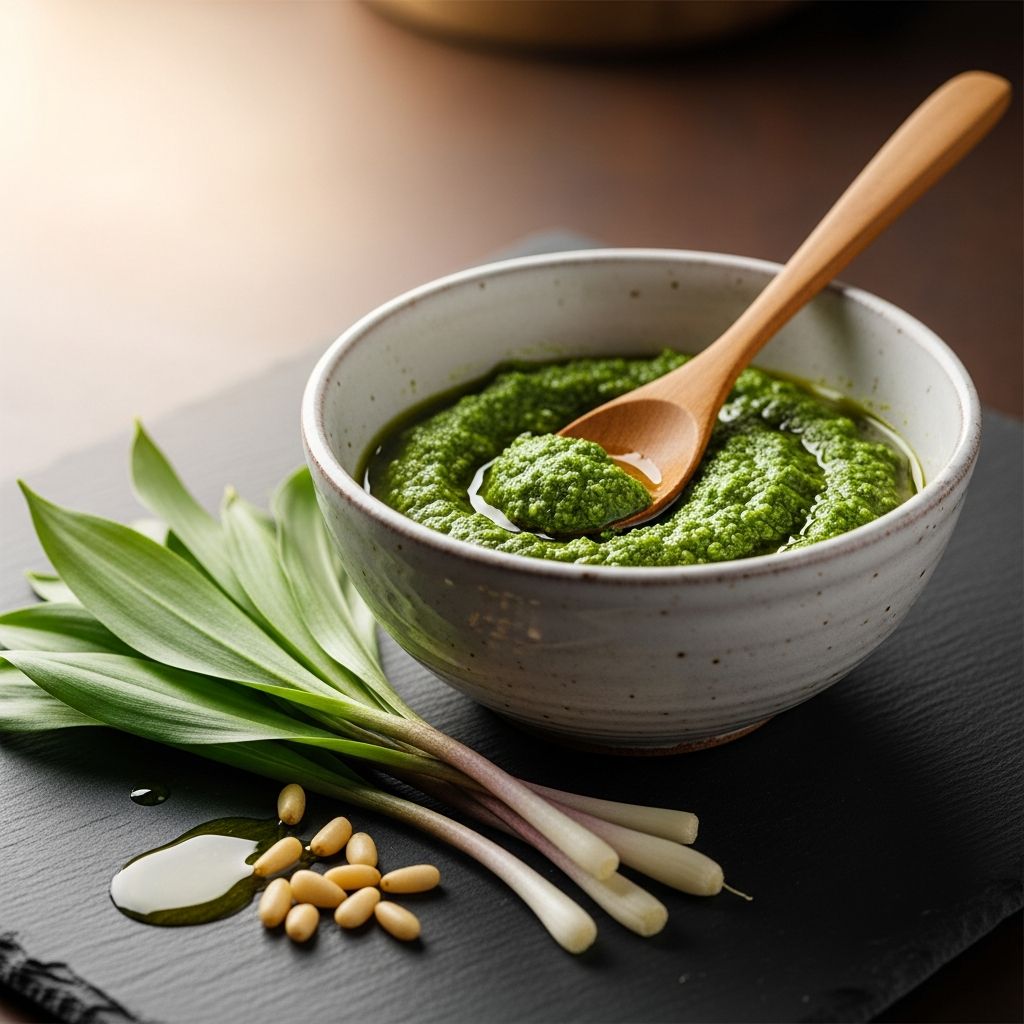
Wild ramps, those elusive wild leeks that herald spring’s arrival, bring an intoxicating blend of onion and garlic notes to any dish. This straightforward ramp pesto captures their essence in a versatile sauce that’s ready in under 15 minutes. Whether you’re a forager or shopping at a farmers’ market, this recipe transforms humble ingredients into a culinary gem for pasta, proteins, or appetizers.
What Are Ramps and Why Use Them in Pesto?
Ramps, scientifically known as Allium tricoccum, are perennial wild onions native to North American woodlands. They feature broad green leaves atop slender bulbs and stems, emerging briefly in early spring. Their flavor profile—mildly garlicky with onion undertones—makes them ideal for pesto, replacing or enhancing traditional basil and garlic.
Seasonality drives their appeal; ramps appear for just 4-6 weeks, from April to May in most regions. Foraging them sustainably means harvesting leaves selectively to preserve bulbs for future growth. This pesto leverages ramps’ natural pungency, requiring no extra garlic, and offers a fresh alternative to year-round pestos.
Gathering and Preparing Fresh Ramps
Locate ramps in rich, moist forest floors under deciduous trees like maples or poplars. Look for clusters of 2-3 broad leaves per plant. Harvest ethically: twist off leaves at the base or snip them, leaving bulbs intact. Clean by rinsing thoroughly and trimming root ends.
- Select vibrant greens: Choose ramps with crisp, unyellowed leaves for optimal flavor.
- Wash gently: Submerge in cold water, agitate, and pat dry to remove soil.
- Trim precisely: Remove tough lower stems and any discolored parts.
One pound of ramps yields about 7 ounces of leaves, enough for a standard batch. If unavailable, cultivate ramps in shaded garden beds with loamy soil—they’re slow-growing but rewarding.
Essential Ingredients for Authentic Ramp Pesto
This recipe balances ramps’ boldness with creamy nuts, sharp cheese, and bright citrus. Yields about 1.5 cups, serving 8 as a pasta sauce or condiment.
| Ingredient | Quantity | Purpose |
|---|---|---|
| Ramp leaves (cleaned, trimmed) | 4-7 oz (from 1-2 bunches) | Primary flavor base, garlicky punch |
| Pine nuts or walnuts (toasted) | ½ cup | Creamy texture, nutty depth |
| Parmesan or Pecorino Romano (grated) | ½-¾ cup | Salty umami, binding agent |
| Extra-virgin olive oil | ½-⅔ cup | Smooth emulsion, richness |
| Lemon zest and juice | Zest of 1 lemon + 1-2 Tbsp juice | Bright acidity, freshness |
| Salt and black pepper | To taste (½-1 tsp salt) | Seasoning balance |
| Optional: Basil or parsley (loosely packed) | ½ cup | Herbal notes, color enhancement |
Toast nuts in a dry skillet over medium heat for 3-5 minutes until golden, enhancing their oil release and flavor.
Step-by-Step Instructions for Perfect Results
- Prep ramps: Blanch leaves in boiling salted water for 30-45 seconds to mellow intensity and preserve color. Shock in ice water, drain, and squeeze dry using a clean towel.
- Combine dry ingredients: In a food processor, pulse ramps, toasted nuts, cheese, lemon zest/juice, salt, and pepper until finely chopped. Scrape sides as needed.
- Emulsify: With motor running, drizzle in olive oil slowly until smooth and creamy. Adjust with more oil or water for desired consistency—thicker for spreads, looser for sauces.
- Taste and tweak: Sample for seasoning. Add pepper, lemon, or salt incrementally. Process briefly to incorporate.
Total time: 10-15 minutes. No cooking required beyond blanching and toasting. Food processor yields the smoothest texture; a mortar and pestle works for rustic versions.
Customizing Your Ramp Pesto
Adapt based on availability and preference:
- Nut swaps: Walnuts or pistachios for earthiness; almonds for milder crunch.
- Cheese variations: Pecorino for sharper tang, Parmesan for subtlety.
- Greens boost: Add basil/parsley to soften ramp’s bite and extend usability.
- Spice it up: Incorporate red pepper flakes or fresh herbs like chives.
- Vegan option: Omit cheese, use nutritional yeast and extra nuts.
For milder flavor, blanch 100% of ramps; use raw for maximum intensity.
Storage and Preservation Techniques
Fresh pesto keeps in an airtight jar in the fridge for 5-7 days, with a thin oil layer on top to prevent oxidation. Freeze in ice cube trays for portioned use—thaw cubes directly into hot pasta or soups. Lasts up to 3 months frozen.
- Refrigerator: Up to 1 week, stir before use.
- Freezer: 2-3 months; avoid refreezing thawed pesto.
- Pro tip: Portion into silicone molds for easy release.
Creative Ways to Serve Ramp Pesto
This pesto’s versatility shines across meals:
- Pasta perfection: Toss 1 cup with 1 lb cooked linguine or gnocchi. Add grilled shrimp or peas.
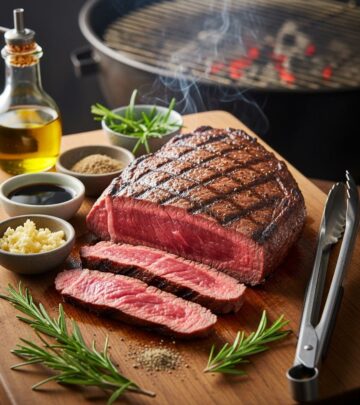
- Protein pairings: Dollop on grilled fish, chicken, steak, or roasted veggies.
- Appetizers: Spread on crostini, mix into dips, or swirl into hummus.
- Baked delights: Swirl into pizza dough, top flatbreads, or stuff ravioli.
- Salad enhancer: Thin with oil/vinegar for dressings; layer in grain bowls.
Pair with crisp whites like Sauvignon Blanc to complement its herbaceous punch.
Nutritional Profile and Health Benefits
A 2-tablespoon serving offers approximately 150-200 calories, primarily from healthy fats in olive oil and nuts. Ramps provide vitamins A, C, and antioxidants, supporting immunity during spring transitions. Nuts contribute heart-healthy omega-3s and protein.
| Nutrient (per 2 Tbsp) | Amount | % Daily Value |
|---|---|---|
| Calories | 180 | 9% |
| Total Fat | 18g | 23% |
| Protein | 4g | 8% |
| Vitamin C | 10mg | 11% |
| Iron | 1mg | 6% |
Moderate portions due to high fat content; ramps’ allicin compounds may aid digestion.
Frequently Asked Questions (FAQs)
Can I make ramp pesto without a food processor?
Yes, finely chop ingredients by hand and mash in a mortar for a chunkier texture.
Are ramps the same as leeks or scallions?
No, ramps are wild with stronger garlic flavor; leeks are cultivated and milder.
How do I forage ramps sustainably?
Harvest only 10-20% of a patch, take leaves only, and avoid over-mature plants.
Can I substitute ramps with something else?
Green garlic or scallions work, but won’t replicate the unique wild taste.
Does ramp pesto freeze well?
Absolutely—cube and freeze for up to 3 months; omit cheese if freezing long-term.
Seasonal Foraging Tips for Ramps
Prime season aligns with spring ephemerals. Check local regulations—some areas protect ramps due to overharvesting. Join forager groups for spots. Post-harvest, dry leaves for seasoning or pickle bulbs.
Expand your pesto repertoire annually; ramps’ fleeting nature makes each batch special. Experiment with ratios to suit your palate, turning forest finds into kitchen staples.
References
- Ramp Pesto – Running to the Kitchen® — Running to the Kitchen. 2023. https://www.runningtothekitchen.com/ramp-pesto/
- Basic Ramp Pesto Recipe — Proportional Plate (YouTube). 2023. https://www.proportionalplate.com/ramp-pesto/
- Ramp Pesto: Foraged Recipe for Spring — Grow Forage Cook Ferment. 2023. https://www.growforagecookferment.com/ramp-pesto/
- Lemony Ramp Pesto with Basil — Vanilla Bean Cuisine. 2023. https://www.vanillabeancuisine.com/lemony-ramp-pesto-recipe/
- Ramp Pesto Recipe {Easy & Flavorful} — Savory Simple. 2023. https://www.savorysimple.net/ramp-pesto/
- How to Make Ramp Pesto — Honest Food. 2023. https://honest-food.net/ramp-pesto/
- Ramp Pesto — Edible Vermont. 2023. https://ediblevermont.ediblecommunities.com/recipe/recipes-ramp-pesto-0/
Similar Articles








Read full bio of medha deb