Seasonal Corn And Tomato Salad: 4 Flavor Variations
Master the art of creating vibrant, fresh corn and tomato salads perfect for warm-weather entertaining.
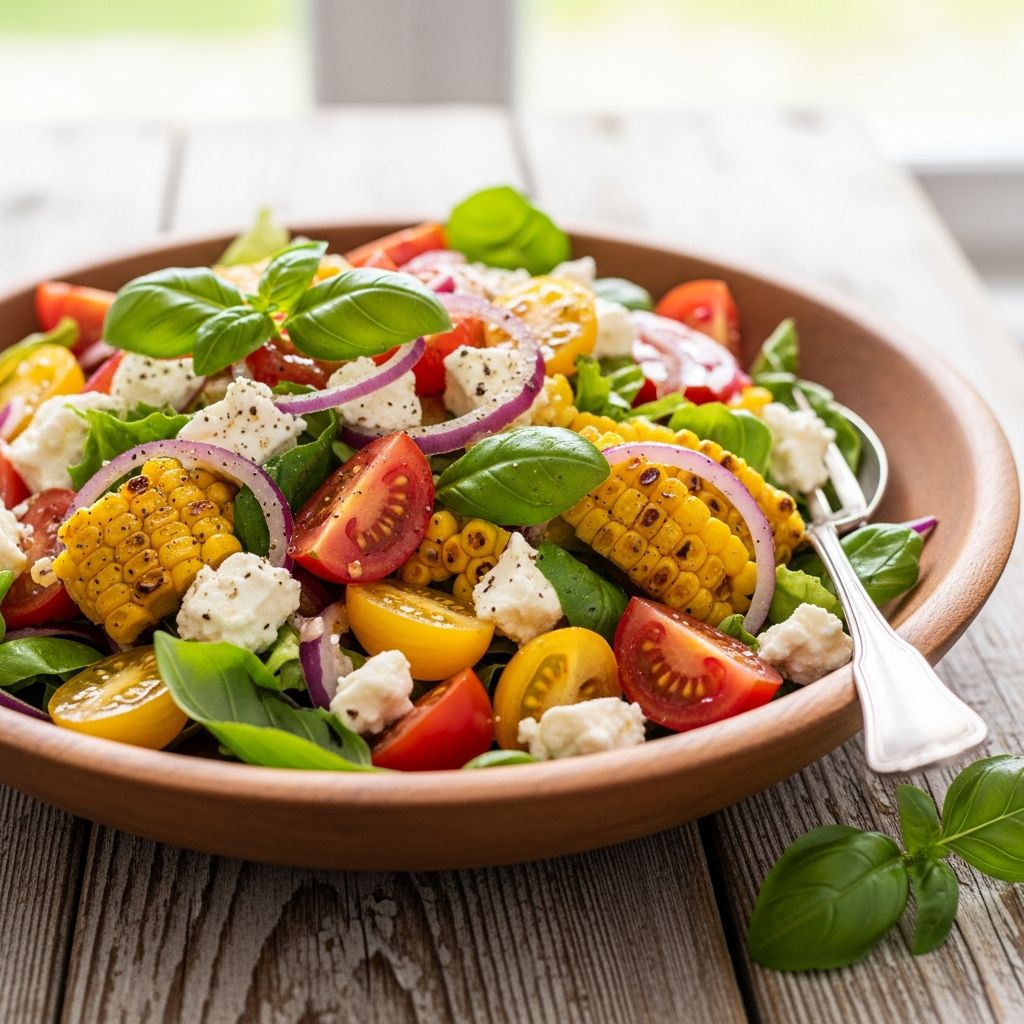
When warm weather arrives, home cooks seek simple yet satisfying dishes that highlight the season’s most vibrant produce. A well-prepared salad featuring corn and tomatoes represents an ideal choice, combining natural sweetness with bright acidity and refreshing textures. This guide explores comprehensive techniques for developing these salads, from ingredient selection through final presentation, ensuring consistently delicious results.
Understanding Your Core Ingredients
The foundation of any exceptional corn and tomato salad begins with selecting premium produce. Fresh corn, at peak ripeness, contains maximum natural sugars that develop complex flavor profiles when exposed to heat. Look for ears with husks that feel tightly wrapped and silk that appears moist and fresh. When pressed gently, kernels should release a milky substance, indicating optimal maturity for cooking.
Cherry tomatoes bring concentrated sweetness and manageable size to these compositions. Their natural acidity provides essential balance against the corn’s inherent sweetness, creating the dynamic flavor tension that makes these salads memorable. Select tomatoes that yield slightly to pressure without feeling mushy, and choose varieties with deep coloring, which typically indicates superior flavor development and sugar content.
Fresh basil serves as the aromatic bridge between these primary ingredients. Its volatile oils contribute peppery, slightly anise-like notes that enhance both components without overwhelming either. Harvest basil leaves just before preparation, as they begin losing potency immediately after cutting.
Cooking Methods: Transformation Through Heat
Grilling Technique for Charred Corn
Grilling corn directly over medium-high heat creates irreplaceable caramelized flavors through the Maillard reaction, a chemical process that develops complex taste compounds. Begin by brushing shucked ears generously with quality olive oil, which promotes even browning and prevents sticking. Season corn with kosher salt and freshly ground black pepper before placing directly on grill grates.
Rotate ears every two to three minutes, allowing each section to develop light char marks without excessive burning. This rotation ensures even cooking across all kernel surfaces. After approximately ten to twelve minutes total, kernels should display scattered dark spots indicating proper caramelization. Remove corn and allow cooling until comfortable handling, then use a sharp knife to slice kernels directly from cobs into a large mixing bowl.
Roasting as an Alternative Method
For cooks without grill access, roasting in a conventional oven produces equally impressive results with different characteristics. Preheat ovens to 400 degrees Fahrenheit and position racks at middle height. Place trimmed corn ears directly on oven racks, spacing them evenly for adequate air circulation. Roast for fifteen minutes, flip each ear, then continue roasting for an additional fifteen minutes.
This method develops deeper browning across kernel surfaces while maintaining tender interiors. The dry oven heat concentrates sugars differently than grilling, producing a distinctly sweet profile that some prefer. After cooling, kernels separate easily with minimal effort.
Blistering Cherry Tomatoes for Concentrated Flavor
While corn preparation receives primary attention, tomato treatment significantly impacts overall salad character. Heating tomatoes in a heavy skillet over medium-high temperature causes their skins to split and char slightly, intensifying their natural sugars and creating deeper umami flavors. Add extra virgin olive oil to cast iron or stainless steel cookware until it shimmers near smoking point.
Place cherry tomatoes in hot oil and resist stirring for approximately two minutes, allowing the cooking side to develop brown spots. Stir gently and continue cooking for another minute until tomatoes begin splitting. This technique concentrates flavors while maintaining structural integrity, preventing the mushy texture that develops from overcooking.
Building Layered Flavor Profiles
The Role of Aromatics and Alliums
Beyond basil, additional aromatic components elevate these salads from simple combinations into sophisticated dishes. Minced garlic contributes pungent notes that complement both vegetables’ sweetness. Red onions provide sharp, slightly sulfurous tones that brighten heavy flavors. Shallots offer a more delicate allium presence with subtle sweetness. Green onions or scallions add mild onion flavor with grassy undertones.
The choice between these options depends on desired intensity. Garlic suits bold palates and pairs particularly well with Mediterranean-inspired dressings. Red onions work best when diced finely and allowed to soften slightly in acidic dressing. Shallots provide sophistication without overpowering fresh produce. Green onions contribute color and mild flavor when used as finishing garnish.
Vinegar-Based Dressing Formulation
Acidic components balance corn’s natural sweetness and provide preservation benefits for storage. Apple cider vinegar brings fruity notes complementary to both ingredients. Red wine vinegar offers deeper, more complex acidity. White wine vinegar provides bright notes without color contribution. Balsamic vinegar, though darker and sweeter, works beautifully when used judiciously.
A basic vinaigrette combines one part vinegar with three parts extra virgin olive oil, one teaspoon Dijon mustard, one teaspoon sugar, and salt and pepper to taste. Whisking these components together in a separate bowl before combining with salad ensures even distribution and better flavor integration. Allow dressings to sit for fifteen minutes before serving, permitting flavors to meld and develop.
Advanced Ingredient Combinations and Variations
| Variation Type | Key Ingredients | Flavor Profile | Best Occasions |
|---|---|---|---|
| Mediterranean | Feta cheese, kalamata olives, fresh oregano, lemon juice | Briny, tangy, herbaceous | Formal dinners, wine pairings |
| Southwestern | Jalapeños, cilantro, lime juice, cumin, black beans | Spicy, citrus-forward, earthy | Casual gatherings, grilled meats |
| Creamy Garden | Avocado, lime, sour cream, cilantro, cucumber | Rich, cool, fresh | Light lunches, summer brunches |
| Italian Breadcrumb | Toasted bread cubes, parmesan, red wine vinegar, oregano | Textured, umami-rich, rustic | Casual dining, family meals |
Avocado adds creamy richness and healthy monounsaturated fats. Dice avocados immediately before assembly to prevent oxidation and browning. Cucumbers contribute refreshing crunch and watery quality that balances heavier components. Jalapeños provide controlled heat and aromatic compounds. Cilantro works beautifully in Spanish and Mexican-influenced preparations. Feta cheese introduces briny, salty notes perfect for Mediterranean variations. Toasted breadcrumbs add textural contrast and absorb flavorful dressing.
Preparation Sequence and Assembly Strategy
Proper sequencing ensures maximum flavor development and optimal texture preservation. Begin by cooking corn and tomatoes in advance, allowing adequate cooling time before assembly. While proteins cool, prepare all other components: dice onions and garlic, slice basil, measure vinegar and oil, prepare cheese if using.
For salads that will be consumed immediately, combine all components just before serving. This approach maintains fresh textures and prevents excess moisture absorption. For salads requiring advance preparation or storage, reserve basil and delicate garnishes until serving time. Toss heartier components with dressing several hours ahead, allowing flavors to marry.
When combining ingredients, handle gently to preserve corn kernels’ integrity and prevent tomatoes from breaking down excessively. Use a large bowl to allow adequate space for gentle tossing. Taste before final seasoning and adjust salt, pepper, and acid as needed.
Storage Guidelines and Make-Ahead Options
These salads maintain quality for up to three days when stored properly in covered containers in refrigerators. Before storage, ensure the salad has cooled completely to room temperature. Excess moisture from dressing can be drained partially to prevent vegetables from becoming waterlogged, though some liquid improves flavor development over time.
For advance preparation, store individual components separately and assemble shortly before serving. Cooked corn freezes successfully for up to three months, making it practical to prepare larger batches during peak season. Blanch corn briefly in boiling water, cool in ice bath, dry thoroughly, then freeze in airtight containers. Frozen corn thaws quickly and works beautifully in composed salads.
Nutritional Considerations and Health Benefits
Corn provides dietary fiber, supporting digestive health and promoting satiety. Fresh tomatoes contribute lycopene, a powerful antioxidant with potential cardiovascular benefits. Basil contains antimicrobial compounds and anti-inflammatory compounds. Olive oil delivers heart-healthy monounsaturated fats and polyphenols. Together, these ingredients create nutritionally balanced dishes that satisfy while supporting overall wellness.
Preparing salads with minimal added sugars and relying on vegetables’ natural sweetness makes them suitable for various dietary approaches. Vegetarian and vegan preparations require no modifications, making these recipes universally accessible. Those monitoring sodium content can adjust salt quantities without significantly impacting overall flavor profiles.
Serving Suggestions and Pairing Recommendations
These salads function excellently as standalone light meals, particularly during warm months when fresh vegetables provide sufficient nutrition and satisfaction. They pair beautifully alongside grilled proteins: chicken breasts, fish fillets, lean beef steaks, or plant-based proteins like tofu. The bright acidity cuts through richness, creating balance on plates.
As side dishes for casual outdoor entertaining, they accommodate large gatherings while maintaining freshness. Prepare base components in advance and provide dressing separately, allowing guests to customize portions and intensity. For formal dinners, portion salads individually and present with careful attention to plating aesthetics.
Frequently Asked Questions
- Can I prepare this salad without fresh basil?
- Yes, though basil provides distinctive character, fresh parsley, dill, or even cilantro offer interesting alternatives. Select herbs complementary to your chosen dressing style and other ingredients.
- How do I prevent cherry tomatoes from becoming too soft?
- Avoid cutting them excessively small, and combine with dressing immediately before serving. For advance preparation, halve rather than quarter tomatoes and toss gently when assembling.
- What temperature should the salad be when served?
- Room temperature typically offers optimal flavor development. Cold salads mask subtle notes that emerge as ingredients warm slightly. Refrigerate if desired, but allow thirty minutes at room temperature before serving.
- Can frozen corn work if fresh corn is unavailable?
- Yes, though fresh corn provides superior texture and flavor. Thaw frozen corn completely and dry well before using. Consider brief pan-heating to develop caramelization even with previously frozen kernels.
- How much salad should I prepare for entertaining?
- Plan approximately one cup per person as a side dish, or two cups per person for main course consumption. Adjust based on accompanying dishes and guest appetites.
Seasonal Variations and Year-Round Adaptations
While peak season for both corn and tomatoes spans mid-summer through early fall, creative cooks adapt recipes across seasons. During winter months, roasted root vegetables like beets and carrots substitute for fresh tomatoes, while frozen or canned corn provides necessary components. Spring variations incorporate tender lettuces and early season greens alongside blanched corn and greenhouse tomatoes.
Regardless of season, the fundamental technique remains constant: combine cooked corn with acidic tomato components, fresh herbs, and complementary vegetables in proportions that appeal to personal taste. This flexibility ensures year-round preparation possibilities while honoring seasonal ingredient availability.
References
- Grilled Corn Salad with Cherry Tomatoes and Basil — Cookin Canuck. Accessed April 2026. https://www.cookincanuck.com/grilled-corn-salad-recipe-cherry-tomatoes-basil/
- Roasted Corn Salad with Blistered Cherry Tomatoes — The Sophisticated Caveman. Accessed April 2026. https://www.thesophisticatedcaveman.com/roasted-corn-salad-with-blistered-cherry-tomatoes/
- Summer Corn and Tomato Salad — A Simple Palate. Accessed April 2026. https://asimplepalate.com/blog/grilled-corn-and-tomato-salad/
- Grilled Corn Salad — Food with Feeling. Accessed April 2026. https://foodwithfeeling.com/grilled-corn-salad/
- Sweet Corn and Tomato Panzanella Salad — Craving Something Healthy. Accessed April 2026. https://cravingsomethinghealthy.com/grilled-corn-and-tomato-panzanella-salad/
- Summer Tomato Salad with Charred Sweet Corn and Herbs — Plays Well with Butter. Accessed April 2026. https://playswellwithbutter.com/summer-tomato-salad-with-sweet-corn/
- Fresh Corn and Cherry Tomato Salad — Marie Bostwick. Accessed April 2026. https://mariebostwick.com/seasonal-salad-recipes-fresh-corn-and-cherry-tomato-salad/
Similar Articles








Read full bio of medha deb