Savory Party Bites: Master the Art of Cocktail Meatballs
Transform simple ingredients into crowd-pleasing appetizers for any celebration
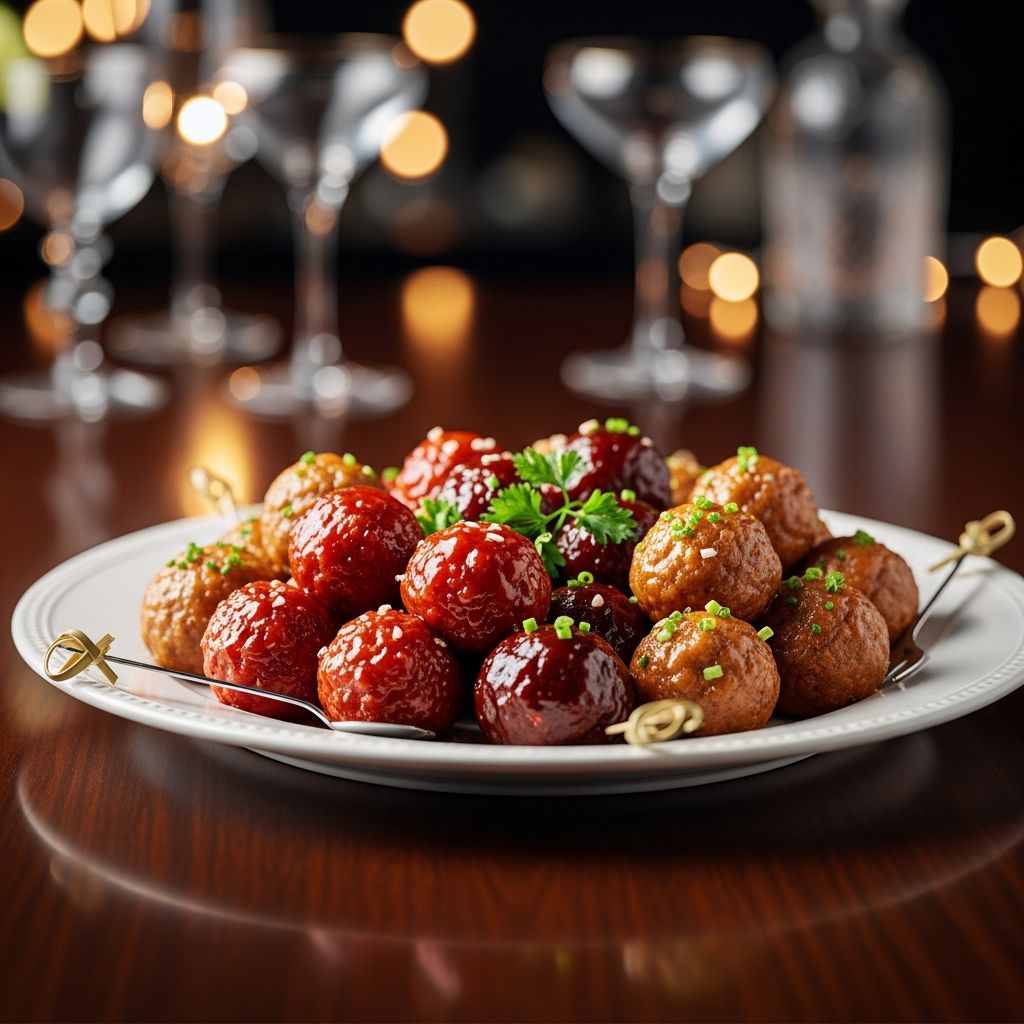
Cocktail meatballs represent one of the most versatile and beloved finger foods for gatherings of any size. Whether you’re hosting an intimate dinner party, a holiday celebration, or a large corporate event, these bite-sized portions of seasoned meat deliver maximum flavor with minimal fuss. The beauty of this classic appetizer lies in its adaptability—you can customize the seasoning profile, experiment with sauce variations, and prepare everything ahead of time, making it an ideal choice for busy hosts who want to spend more time with guests rather than hovering over the kitchen.
Understanding the Foundation: Building Better Meatballs
The success of cocktail meatballs starts with understanding how to properly combine your base ingredients. The foundation typically includes ground meat, a binding agent, seasonings, and a liquid component that keeps the mixture moist and cohesive. Ground beef serves as the most traditional choice, though many contemporary recipes blend beef with pork to create a more complex flavor profile and improved texture.
Essential Components for Tender, Flavorful Results
- Ground meat selection: A combination of lean ground beef and ground pork creates superior texture and prevents dense meatballs. The fat content helps maintain moisture during cooking.
- Breadcrumb varieties: Italian seasoned breadcrumbs add flavor and act as a binder, while Panko breadcrumbs create a lighter, more tender crumb structure.
- Binding liquids: Eggs and milk work together to hold the mixture together while maintaining a tender interior rather than producing tough, dense balls.
- Flavor builders: Worcestershire sauce, onion powder, garlic powder, and dried herbs like oregano and basil establish a savory foundation that complements various sauce options.
The key to avoiding dense, rubbery meatballs lies in careful mixing. Combine ingredients until just incorporated—overmixing develops gluten in the breadcrumbs and creates a compact, undesirable texture. Using a cookie scoop or measuring spoon ensures uniform sizing, which promotes even cooking and consistent presentation.
Three Distinct Cooking Methodologies
Cocktail meatballs can be prepared through three primary cooking techniques, each offering distinct advantages depending on your kitchen setup and timeline.
Oven Baking for Efficiency and Consistency
Preheating your oven to 400°F and baking meatballs on parchment-lined baking sheets yields evenly cooked, lightly browned results in approximately 20 minutes. This method allows you to prepare multiple batches simultaneously and produces meatballs with a slightly caramelized exterior. After baking, you can transition the cooked meatballs directly to your slow cooker with sauce, or freeze them for future use.
Slow Cooker Method for Hands-Off Convenience
The slow cooker method represents the ultimate approach for stress-free entertaining. Frozen meatballs can be added directly to your slow cooker with sauce ingredients, then cooked on the LOW setting for 3-4 hours or HIGH for 1-2 hours. This method eliminates the need for stovetop monitoring and keeps meatballs warm throughout your event. Switching to the WARM setting after cooking maintains optimal serving temperature without overcooking.
Stovetop Preparation for Quick Entertaining
When time constraints exist, combine meatballs with sauce in a pot over medium heat and bring to a gentle simmer. Cover and cook for 20-30 minutes, stirring occasionally, until meatballs are heated through. This method provides flexibility for last-minute entertaining or smaller gatherings.
Sauce Variations to Elevate Your Presentation
The sauce transforms ordinary meatballs into memorable party fare. Several distinct flavor profiles can be achieved by experimenting with different glaze combinations.
The Classic Grape Jelly and Chili Sauce Combination
This beloved pairing combines 12 ounces of grape jelly with 12 ounces of sweet chili sauce to create a sweet-savory glaze with subtle spice. The jelly dissolves into the sauce during cooking, coating each meatball in a glossy finish. This combination works particularly well with frozen store-bought meatballs and requires minimal preparation.
Cranberry-Based Glaze for Holiday Appeal
Substituting cranberry sauce for grape jelly creates a more sophisticated flavor profile with natural tartness. Combine a 14-ounce can of jellied cranberry sauce with 12 ounces of chili sauce, 2 tablespoons of Dijon mustard, 2 tablespoons of brown sugar, and 1 tablespoon of fresh lemon juice. Simmer this mixture for 5-10 minutes before adding meatballs to allow flavors to meld. This variation evokes holiday celebrations and appeals to guests seeking less-conventional appetizer options.
Sweet and Sour Dipping Alternative
Create a distinctive dipping sauce by combining ketchup, vinegar, sugar, soy sauce, and cornstarch in a saucepan. Whisk ingredients together and simmer until the mixture thickens into a glossy coating. This versatile sauce can both glaze meatballs and serve as a dipping accompaniment, offering guests options for enjoying each bite.
Strategic Make-Ahead Planning for Stress-Free Hosting
One of the greatest advantages of cocktail meatballs is their compatibility with advance preparation. Strategic planning ensures you can focus on other entertaining responsibilities rather than last-minute cooking.
Preparation Timeline and Storage Strategies
| Preparation Stage | Timing | Storage Method |
|---|---|---|
| Baked meatballs cooling | Allow 1-2 hours at room temperature | Store in airtight containers |
| Frozen storage | Up to 3 months | Ziploc freezer bags or freezer containers |
| Thawing before party | Overnight in refrigerator or 2 hours at room temperature | Keep in original storage container |
| Sauce preparation | 1-2 days before event | Sealed containers in refrigerator |
| Final assembly | 2-3 hours before serving | Transfer to slow cooker on WARM setting |
This staged approach allows you to accomplish the most time-consuming steps well in advance, then perform simple assembly closer to your event. Many hosts find that preparing and freezing meatballs a week or two before entertaining reduces day-of stress considerably.
Scaling Recipes for Various Gathering Sizes
The proportional nature of cocktail meatball recipes makes scaling remarkably straightforward. A base recipe yielding approximately 40-50 meatballs can be easily doubled or tripled for larger gatherings. When multiplying recipes, maintain consistent ratios for all ingredients, including seasonings and sauce components. For events exceeding 75 guests, preparing two separate batches proves more practical than attempting to manage an unwieldy single batch.
Presentation and Serving Recommendations
The final impression your guests receive depends partly on thoughtful presentation and convenient serving setup.
- Serving vessel selection: Slow cookers maintain consistent temperature throughout extended gatherings while freeing stovetop space. Decorative bowls work well for stationary appetizer tables.
- Toothpick and utensil provision: Provide small toothpicks or skewers alongside appetizer napkins for convenient grabbing without guests needing to handle raw meatballs directly.
- Temperature maintenance: Switching slow cookers to WARM setting prevents overcooking while maintaining food safety standards. Test temperature periodically to ensure meatballs remain above 140°F.
- Sauce accompaniment: Reserve a portion of sauce for dipping alongside the glazed meatballs, offering guests multiple enjoyment options.
- Garnish considerations: Fresh parsley, sesame seeds, or sliced green onions add visual appeal without interfering with flavor profiles.
Frequently Asked Questions About Cocktail Meatball Preparation
Can I Use Store-Bought Frozen Meatballs?
Yes, frozen meatballs provide an excellent shortcut for busy hosts. Most recipes calling for homemade meatballs can accommodate 32 ounces of frozen store-bought meatballs with minimal adjustment. Simply combine with sauce and slow cook on LOW for 3-4 hours. The convenience factor makes this approach particularly attractive for spontaneous entertaining.
How Far in Advance Can I Prepare Meatballs?
Baked meatballs can be frozen for up to three months when properly stored in airtight containers or freezer bags. This extended timeline allows you to prepare meatballs during less busy periods and retrieve them as needed. Transfer frozen meatballs directly to your slow cooker with sauce—no thawing required.
What Adjustments Work for Dietary Restrictions?
Ground turkey or chicken can substitute for beef and pork while reducing fat content. Gluten-free breadcrumbs maintain the same binding properties as traditional varieties. Several sauce options contain naturally gluten-free ingredients, though always verify specific product labels for cross-contamination concerns.
Can These Meatballs Be Served Cold?
While traditionally served warm, glazed meatballs can be served at room temperature for buffet-style entertaining. The glaze maintains its coating properties even as meatballs cool, though some sauce viscosity changes occur. Test your specific sauce combination to determine if room-temperature service aligns with your preference.
How Do I Prevent Meatballs from Drying Out?
Avoiding overmixing, maintaining appropriate liquid content in your recipe, and preventing overcooking ensures moist interiors. The slow cooker method particularly excels at maintaining moisture, as the covered environment creates steam that prevents drying during extended warming periods.
Creative Flavor Experimentation for Adventurous Hosts
Beyond traditional recipes, cocktail meatballs accommodate numerous flavor adaptations. Consider infusing Asian-inspired elements through soy sauce and ginger additions to your base meat mixture. Mediterranean enthusiasts might incorporate pine nuts and fresh herbs into the meatball mixture while preparing an olive-based sauce. Spice-loving guests appreciate additions of cayenne pepper, jalapeños, or hot sauce to traditional recipes. The customizable nature of this dish encourages experimentation with flavor combinations that reflect your personal taste preferences and cultural culinary traditions.
Conclusion: Mastering the Versatile Party Essential
Cocktail meatballs deserve their status as entertaining staples because they solve multiple hosting challenges simultaneously. They can be prepared well in advance, require minimal last-minute attention, accommodate numerous flavor variations, and appeal to diverse guest preferences. By understanding proper meatball construction, exploring different cooking methods, and experimenting with sauce variations, you’ll develop confidence in preparing this classic appetizer for any occasion. Whether serving at casual get-togethers or formal celebrations, well-executed cocktail meatballs consistently deliver flavor, convenience, and impressive results that guests remember.
References
- Food Safety and Inspection Service – Safe Food Handling — U.S. Department of Agriculture. 2024. https://www.fsis.usda.gov/food-safety/safe-food-handling-and-preparation
- Slow Cooker Safety Guidelines — U.S. Food and Drug Administration. 2023. https://www.fda.gov/food/food-safety-during-emergencies/food-safety-during-power-outages-and-temps
- Proper Food Storage Guidelines for Home Food Safety — CDC Foodborne Illness Sources. 2024. https://www.cdc.gov/foodsafety/communication/storage-handling-steps.html
- Cooking Temperatures and Food Safety Standards — USDA Food Safety Information. 2024. https://www.fsis.usda.gov/food-safety/safe-food-handling-and-preparation/meat/safe-minimum-internal-temperature-chart
Similar Articles



Read full bio of medha deb