Safe Stuffed Turkey Cooking Guide
Master the art of preparing stuffed turkey with essential safety guidelines to ensure a delicious and risk-free holiday feast for your family.
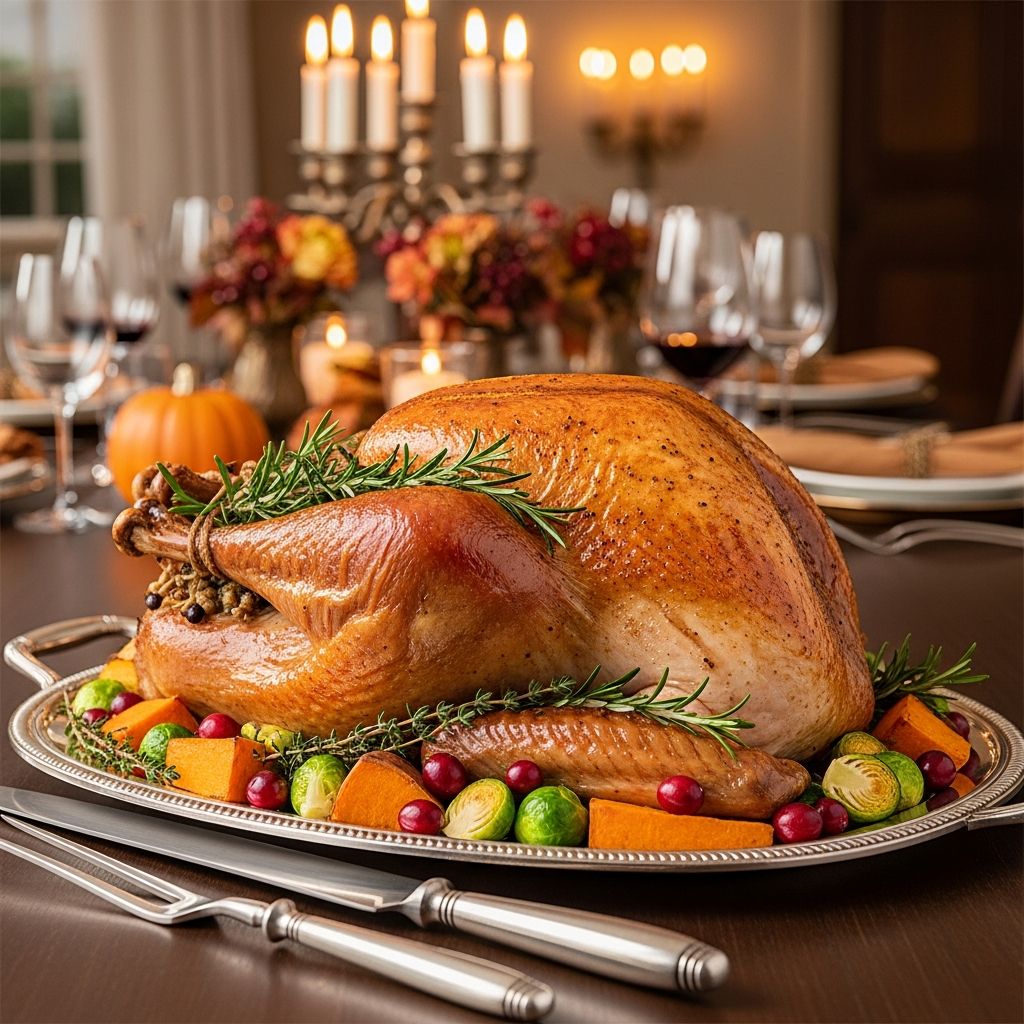
Preparing a stuffed turkey is a cherished tradition for many during holiday gatherings, but it requires careful attention to food safety to avoid bacterial risks like salmonella. Both the bird and its stuffing must reach 165°F internally, as confirmed by reliable food safety authorities. This guide provides step-by-step instructions, timelines, and alternatives to help you cook confidently.
Understanding the Risks of Stuffing a Turkey
Stuffing inside the turkey can create a moist environment where bacteria thrive if temperatures don’t rise quickly enough. The turkey’s dense meat cooks slower than loose stuffing, potentially leaving the center undercooked while the exterior overcooks. Health experts from university extensions and government guidelines strongly advise cooking stuffing separately for uniform safety and better texture.
Despite this, if tradition calls for in-bird stuffing, follow strict protocols: use pre-cooked ingredients, avoid overnight prep, and monitor temperatures rigorously. Loose stuffing in a casserole reaches safe levels faster and absorbs pan drippings for flavor without added danger.
Essential Preparation Steps for Safe Stuffing
Start with a thawed turkey, patted dry, and kept refrigerated until stuffing time. Prepare ingredients separately to prevent bacterial growth in the danger zone of 40-140°F.
- Cook raw proteins first: Sauté sausages, oysters, or shellfish fully before mixing; use pasteurized eggs for binding.
- Separate wet and dry mixes: Refrigerate broth-soaked bread and aromatics apart from dry components until just before roasting.
- Stuff loosely: Use about ¾ cup per pound of turkey, filling cavities without packing to allow heat circulation.
- Immediate cooking: Place in a preheated 325°F oven right away; never hold stuffed at room temperature.
These steps minimize moisture buildup and ensure even cooking. For neck cavity, use a light fill or skip it to prioritize the body cavity.
Mastering Roasting Times and Temperatures
Always roast at a minimum of 325°F—no lower—to kill pathogens efficiently. Use an instant-read food thermometer in multiple spots: thigh (deepest part, not touching bone), breast thickest area, wing joint, and stuffing center via cavity.
Here’s a reliable chart for oven roasting at 325°F, accounting for stuffing’s extra time:
| Turkey Weight (lbs) | Unstuffed Time | Stuffed Time |
|---|---|---|
| 8-12 | 2¾-3 hours | 3-3½ hours |
| 12-14 | 3-3¾ hours | 3½-4 hours |
| 14-18 | 3¾-4¼ hours | 4-4¼ hours |
| 18-20 | 4¼-4½ hours | 4¼-4¾ hours |
| 20-24 | 4½-5 hours | 4¾-5¼ hours |
Check stuffing by inserting the thermometer 1-2 inches into the deepest part; it must hit 165°F independently. If the bird is done but stuffing lags, remove it to a dish and bake separately at 350°F until safe.
Alternative Cooking Methods for Stuffing
Beyond traditional roasting, consider these safer options that maintain moisture and flavor.
Casserole-Style Dressing
Bake stuffing in a buttered dish alongside the turkey. Start covered at 350°F for 30 minutes, then uncover to crisp. Baste with turkey juices for infusion. This method cooks faster (45-60 minutes total) and eliminates cavity risks.
Slow Cooker Option
For hands-off prep, layer moist stuffing (no more than ⅔ full) in a slow cooker. High for 1 hour, then low until 165°F center (about 4-5 hours). Keep lid tight and stir occasionally. Ideal for large batches.
Other Poultry and Meats
Stuffing turkey breasts, chicken, or roasts follows similar rules: loose fill, 165°F check, immediate 325°F+ cooking. For turducken or rolled meats, layer stuffing after partial cooking and verify all layers.
Post-Cooking Handling and Storage
Rest the turkey 20 minutes tented in foil; juices redistribute while stuffing temperature rises slightly. Remove stuffing promptly to prevent steaming, then carve.
- Cool rapidly: Refrigerate within 2 hours (1 hour if above 90°F ambient).
- Portion leftovers: Shallow containers for quick chilling; use within 3-4 days or freeze up to 4 months.
- Reheat safely: To 165°F internally, steaming or oven preferred over microwave for evenness.
Avoid foil-wrapped slow roasting unless monitored; open foil last 30 minutes for browning. For catered meals, ensure hot holding above 140°F or chill immediately.
Tools You Need for Success
Invest in a calibrated food thermometer—digital probes for continuous reading save time. Roasting pans with racks promote air flow; disposable bags or cheesecloth contain stuffing if desired, per manufacturer specs.
Pro tip: Calibrate thermometers in boiling water (212°F at sea level) for accuracy.
Frequently Asked Questions
Can I stuff the turkey the night before?
No—bacteria multiply rapidly in stuffed cavities at fridge temps. Prep ingredients separately.
Is 165°F safe for all stuffing types?
Yes, per USDA standards, it kills salmonella and other pathogens in poultry stuffing.
What if my stuffing has rice or grains?
Cook grains fully first; treat as wet ingredient and follow same temp rules.
How do I know my oven is accurate?
Use an oven thermometer; adjust as needed for true 325°F.
Can I freeze uncooked stuffed turkey?
No, stuffing moisture causes bacterial issues upon thawing. Freeze unstuffed.
Advanced Tips for Flavorful, Safe Results
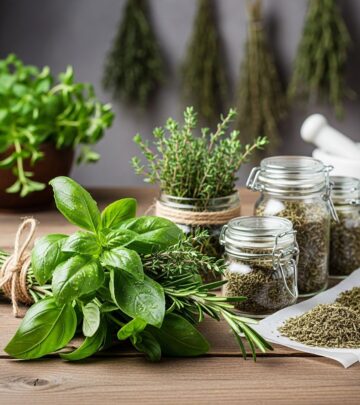
Enhance safety without sacrificing taste: Add herbs to dry mix for aroma, citrus to wet for brightness. For gluten-free, use cornbread or quinoa bases, always pre-cooked. Experiment with fruit like apples or cranberries, but cook thoroughly.
During long roasts, baste sparingly to avoid dropping oven temp. If brining, reduce stuffing moisture to prevent sogginess. For deep-fried turkey, never stuff—cook separately.
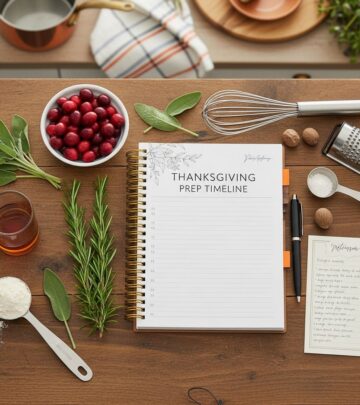
Plan ahead: A 20-pound stuffed bird takes 5+ hours, so start early. Track progress hourly after 3 hours.
In summary, prioritize temperature verification and fresh prep for a worry-free meal. Separate cooking remains the gold standard, but with diligence, in-bird stuffing can be safe and sublime.
References
- Stuffing the Turkey Safely – ISU Extension and Outreach Blogs — Iowa State University Extension. 2024-11-19. https://blogs.extension.iastate.edu/answerline/2024/11/19/turkey-stuffing-safety-tips/
- Stuffing and Food Safety — Healthy Gallatin (USDA-based). 2013-04. https://www.healthygallatin.org/wp-content/uploads/2013/04/FSHstuffing.pdf
- How to Cook Turkey Stuffing Safely — More In My Basket. N/A. https://morefood.org/how-to-cook-turkey-stuffing-safely/
Similar Articles




Read full bio of medha deb