Rotating Storage Solutions for Modern Kitchens
Discover how rotating shelving systems revolutionize kitchen storage accessibility and efficiency.
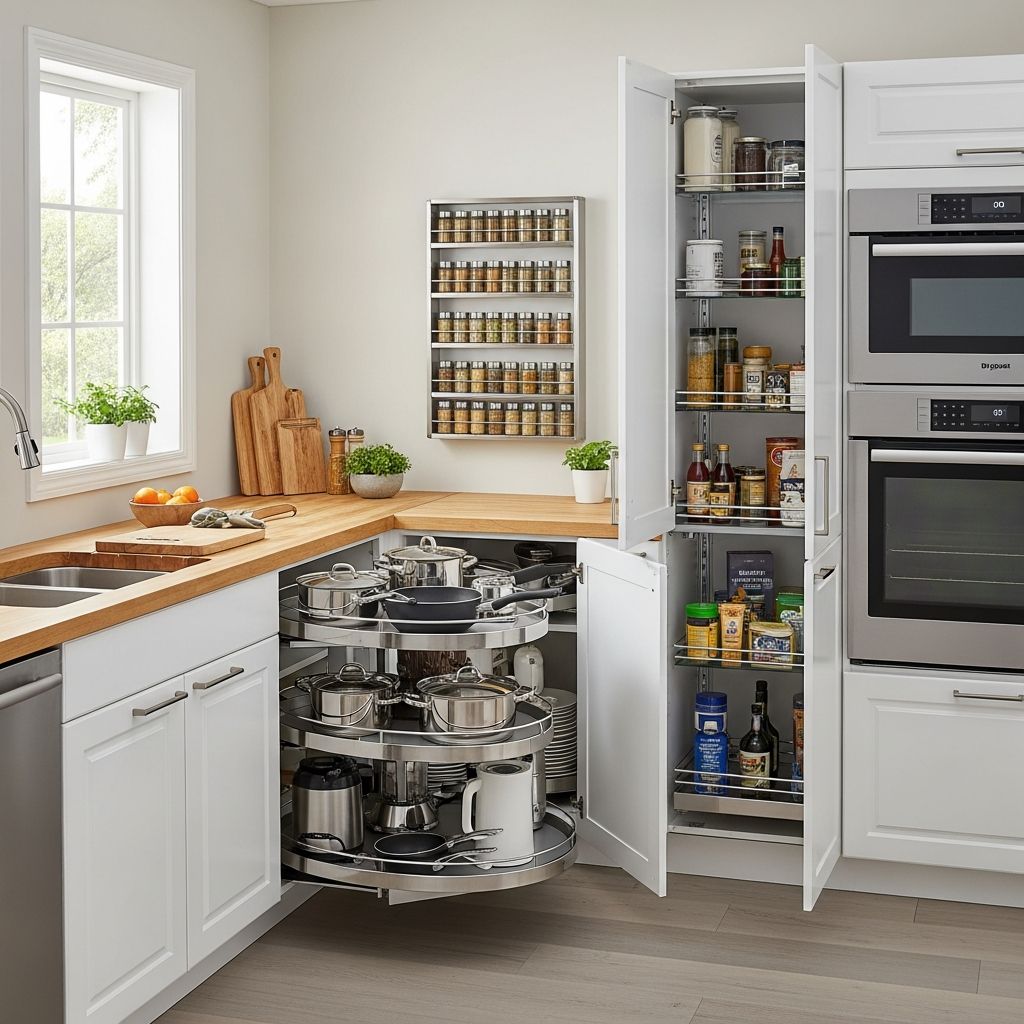
Kitchen organization challenges are universal—whether you’re managing a spacious culinary hub or a compact apartment kitchen, the struggle to maintain accessibility while maximizing storage remains constant. One of the most effective innovations in contemporary kitchen design involves the integration of rotating storage systems, particularly in corner cabinets where items frequently disappear into unreachable depths. These spinning mechanisms transform traditionally wasted space into functional, easily accessible storage zones.
Understanding Rotating Storage Mechanisms
Rotating storage systems represent a fundamental shift in how homeowners approach cabinet organization. These rotating platforms, commonly known as spinning shelves or rotating turntables, operate on a simple yet ingenious principle: items sit on a circular surface that rotates smoothly, bringing desired items forward without requiring you to reach into dark corners or stretch uncomfortably.
The basic mechanics involve a sturdy circular platform mounted on ball bearings or a pivot system, allowing 360-degree rotation with minimal effort. When installed in corner cabinets—those notoriously difficult L-shaped or U-shaped spaces—these systems effectively eliminate the dead zones where kitchen items languish forgotten and inaccessible.
Quality rotating systems accommodate varying load capacities. Heavy-duty models support substantial weight, making them suitable for storing cast iron cookware, mixing bowls, and larger serving pieces. Lighter-duty versions work perfectly for spices, condiments, and smaller kitchen essentials.
Strategic Placement Throughout Your Kitchen
While corner cabinets represent the primary application for rotating storage, these systems deliver benefits across multiple kitchen zones:
- Under-sink cabinets: Deep under-sink spaces become significantly more functional with rotating platforms, allowing easy access to cleaning supplies without contortion
- Pantry shelves: Deep pantry shelves transform when fitted with rotating systems, particularly for storing canned goods, dried ingredients, and bulk items
- Upper cabinets: Compact dual-tiered rotating units maximize vertical space while keeping frequently used items easily accessible
- Refrigerator interiors: Rotating turntables prevent forgotten items and condiments from deteriorating at the back of refrigerator shelves
- Blind corner cabinets: These challenging spaces become practical storage zones when paired with rotating solutions
Maximizing Accessibility and Ergonomic Design
The primary advantage of rotating storage extends beyond mere organization—it fundamentally improves how you interact with your kitchen environment. When items sit at arm’s length on a rotating platform, retrieval becomes intuitive and effortless, eliminating the need for awkward reaching, bending, or stretching into confined spaces.
Ergonomic benefits accumulate over time. Traditional cabinet organization often requires repeated stretching and bending to access items stored in corner depths. Rotating systems bring everything to your fingertips, reducing physical strain and making kitchen tasks more comfortable for users of varying heights and physical capabilities.
Professional kitchen designers emphasize that accessibility directly impacts long-term organization success. When items remain visible and easily reachable, household members prove more likely to return them to designated spots, maintaining organization naturally rather than through constant effort.
Organization Strategies for Rotating Platforms
Grouping by Function and Frequency
Effective rotating storage organization begins with categorizing items by how often you use them. Group baking supplies together, designate zones for oils and vinegars, create dedicated spice sections, and store serving pieces in their own area. This functional grouping means you know exactly where to look when you need something, and everything returns to its logical spot.
Implementing Container Systems
While rotating platforms provide the accessibility infrastructure, containers and organizational tools maximize their effectiveness:
- Clear containers allow quick visual identification of contents without opening packages
- Small baskets and bins corral similar items, preventing spice bottles or small jars from sliding around during rotation
- Tiered risers create multiple levels on single shelves, effectively doubling storage capacity within the rotating surface area
- Dividers and organizers keep bottles from tipping when the platform spins
Labeling Systems
Implementing a consistent labeling strategy ensures household members can quickly identify items and maintain organization over time. Clear labels work particularly well on containers where contents aren’t immediately visible, transforming your rotating storage into a system anyone can navigate intuitively.
Addressing Common Organization Challenges
Managing Oversized Items
Not everything fits neatly on rotating platforms. Larger cookware, baking sheets, and serving platters require alternative storage solutions. Reserve rotating systems for appropriately-sized items while developing separate strategies for bulkier pieces. Pull-out shelves and swing-out racks complement rotating systems perfectly, offering solutions for items that don’t fit the rotating platform model.
Preventing Item Loss and Waste
Deep cabinets traditionally become repositories for forgotten items—expired spices, abandoned condiments, duplicate kitchen tools. Rotating platforms combat this tendency by maintaining visibility. However, implementing a regular assessment schedule prevents stagnation. Quarterly reviews identify items you haven’t used, helping you maintain a streamlined kitchen and reduce waste.
Load Distribution and Safety
Proper load distribution ensures rotating systems function smoothly over time. Avoid overloading one side of the platform, as unbalanced weight increases friction and can damage the rotation mechanism. Center heavier items and distribute weight evenly around the circular surface.
Comparing Storage Solutions for Corner Cabinets
| Storage Solution | Best For | Accessibility | Installation | Cost Range |
|---|---|---|---|---|
| Rotating Systems | Small to medium items, spices, condiments | Excellent | Moderate | $50–$200 |
| Pull-Out Trays | Larger cookware, mixing bowls | Very Good | Moderate to Complex | $100–$300 |
| Swing-Out Shelves | Maximum accessibility needs | Excellent | Complex | $200–$500 |
| Adjustable Shelving | Mixed-size items, flexible storage | Good | Simple | $30–$100 |
| Basket Systems | Lightweight items, visual organization | Good | Simple | $20–$80 |
Long-Term Maintenance and Organization Sustainability
Establishing sustainable organization requires more than initial setup—it demands systems that support ongoing maintenance:
- Regular rotation audits: Monthly checks ensure items haven’t shifted or become lost behind others
- Expiration tracking: For food items and condiments, maintain a simple system to identify and remove expired products
- Seasonal adjustments: Rotate storage priorities seasonally, bringing frequently-used items forward and storing occasional-use pieces toward the back
- Family communication: Ensure household members understand the organization system so everyone returns items consistently
- Decluttering schedules: Quarterly assessments prevent accumulation of unused items that consume valuable storage space
Integration with Overall Kitchen Design
Rotating storage solutions work most effectively as part of a comprehensive kitchen organization strategy. Rather than treating them as standalone solutions, integrate them thoughtfully with complementary storage systems:
Combine rotating platforms in corner cabinets with pull-out drawers in lower cabinets for expanded functionality. Use wall-mounted magnetic strips for frequently-used knives and metal tools. Implement open shelving in select areas for items you use daily while reserving cabinet space for occasional-use pieces. This layered approach creates a kitchen that functions efficiently while maintaining visual appeal.
Frequently Asked Questions
What types of items work best on rotating storage systems?
Rotating platforms excel for storing spices, condiments, oils, vinegars, canned goods, small appliances, baking supplies, and measuring tools. They work particularly well for items you use regularly but need to keep organized. Heavy cookware also works well if you select heavy-duty rotating systems rated for substantial weight.
How much weight can typical rotating storage systems support?
Standard rotating platforms typically support 30-50 pounds, while heavy-duty commercial-grade systems can handle 100+ pounds. Verify weight ratings before purchasing, particularly if you plan to store cast iron cookware or multiple large items.
Can rotating systems be added to existing cabinets?
Yes, most rotating platforms install as aftermarket additions. They simply sit on cabinet shelves without requiring permanent installation. Some models require minimal adjustment to ensure level placement, but they don’t demand cabinet modification.
How do I maintain rotating storage systems?
Periodic maintenance involves wiping rotating surfaces clean and occasionally rotating the platform even when not accessing items to ensure smooth operation. Avoid overloading one side and check that items won’t tip during rotation. Most systems require minimal maintenance beyond basic cleanliness.
What’s the typical lifespan of a rotating storage system?
Quality rotating platforms last 5-10 years or longer with proper use. Lifespan depends on frequency of rotation, weight load consistency, and item stability. Investing in well-constructed systems ensures durability and sustained functionality.
Are there alternatives if rotating systems don’t fit my space?
Absolutely. Pull-out trays, swing-out shelves, adjustable shelving, and basket systems all provide effective corner cabinet solutions. Select alternatives based on your specific space dimensions, item types, and accessibility needs.
Transforming Your Kitchen Through Smart Storage
Kitchen organization extends beyond aesthetics—it fundamentally affects how you cook, store food safely, and maintain enjoyment in your culinary space. Rotating storage systems represent a practical, cost-effective approach to addressing one of the most challenging kitchen design problems: making corner cabinet space truly functional.
By implementing rotating platforms strategically throughout your kitchen, grouping items logically, and maintaining consistent organization practices, you create an environment where everything you need remains accessible and visible. This transformation proves particularly valuable for busy households where efficiency and ease of use directly impact daily life.
Whether you’re undertaking a comprehensive kitchen renovation or making targeted improvements to existing spaces, rotating storage solutions deserve consideration as a practical, proven approach to maximizing your kitchen’s potential and making organization efforts sustainable over time.
References
- What is a Lazy Susan and How Can It Transform Your Kitchen Organization? — CliqStudios. Accessed April 2026. https://www.cliqstudios.com/blog/what-is-a-lazy-susan-and-how-can-it-transform-your-kitchen-organization/
- How to Organize a Corner Cabinet — Dean Cabinetry. Accessed April 2026. https://www.deancabinetry.com/kitchen-design-services/organize-corner-cabinet/
Similar Articles



Read full bio of Sneha Tete