Rinse Quinoa or Not?
Discover if rinsing quinoa is still essential today, master effective techniques, and unlock its full flavor potential in your kitchen.
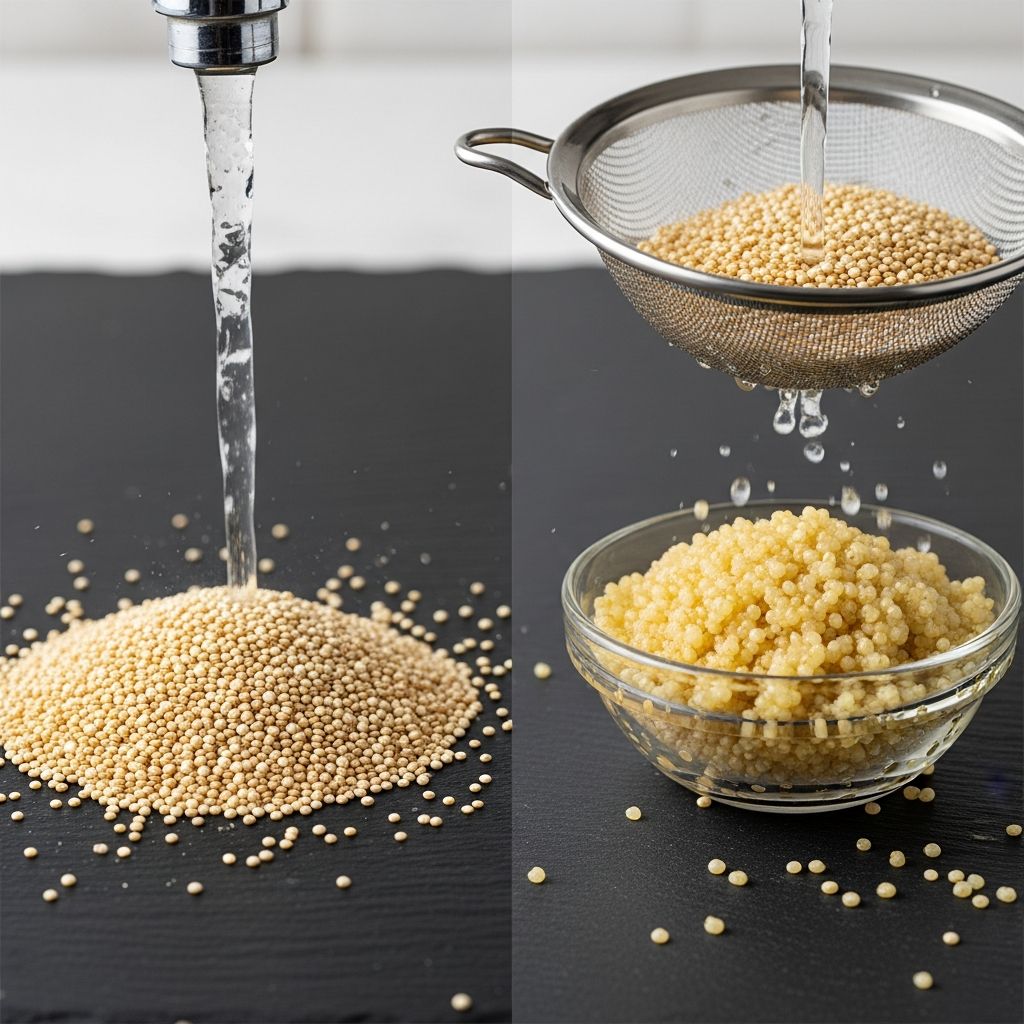
Quinoa, a versatile and nutrient-packed seed often treated as a grain, has surged in popularity for its complete protein profile and gluten-free nature. But one persistent question lingers in kitchens worldwide: do you need to rinse it before cooking? The answer hinges on understanding its natural coatings, processing standards, and practical prep strategies. This guide dives deep into the science, history, and hands-on advice to help you decide confidently.
Understanding Quinoa’s Natural Defense Mechanism
At the heart of the rinsing debate is
saponin
, a naturally occurring compound coating quinoa’s outer hull. This bitter-tasting substance acts as a built-in pesticide, deterring insects, birds, and other pests from devouring the seeds in the wild. Saponins create a soapy lather when mixed with water, which is why quinoa feels slippery during rinsing. While harmless in small quantities, they impart an unpleasant, soap-like bitterness that can ruin dishes if not addressed.Quinoa plants belong to the Amaranthaceae family, related to beets, spinach, and chard. This genetic lineage explains the presence of saponins, which also appear in foods like lentils and tomatoes but in milder forms. In quinoa, levels vary by variety—white quinoa typically has lower amounts than red or black—but all require attention to taste.
Evolution of Quinoa Processing: From Fields to Shelves
Decades ago, rinsing was non-negotiable because raw quinoa arrived coated heavily in saponins. Traditional Andean farmers relied on these compounds for crop protection, and early imports to the U.S. and Europe mirrored this. Home cooks had to scrub vigorously to avoid bitterness.
Today, commercial processing has transformed this. Most quinoa sold in supermarkets undergoes
pre-washing or polishing
during milling. Machines abrade the hulls, removing 95-99% of saponins before packaging. Brands like Ancient Harvest explicitly pre-rinse their products, labeling them as ready-to-cook to save consumers time and mess. Check packaging: terms like “pre-rinsed,” “washed,” or “saponin-removed” indicate it’s safe to skip the sink.Regulations from bodies like the U.S. FDA set saponin limits for imported grains, ensuring levels stay below taste thresholds (typically under 0.1%). A 2023 study from the Journal of Food Science confirmed that modern U.S. quinoa averages saponin content at just 0.05%, far below bitter levels.[USDA Food Safety Guidelines, 2024]
Signs Your Quinoa Needs Attention
Not all packages are equal. Imported bulk bins or artisanal varieties might retain more saponins. Taste-test a pinch: if it’s sharply bitter or foamy when chewed, rinse it. Visual cues include a dusty white residue or persistent sliminess.
- Bitter aftertaste: High saponin indicator.
- Soapy foam: Classic sign during water contact.
- Cloudy rinse water: Multiple rinses needed until clear.
For pre-rinsed quinoa, a quick taste of uncooked grains should be neutral or mildly nutty.
Mastering the Rinse: Proven Techniques
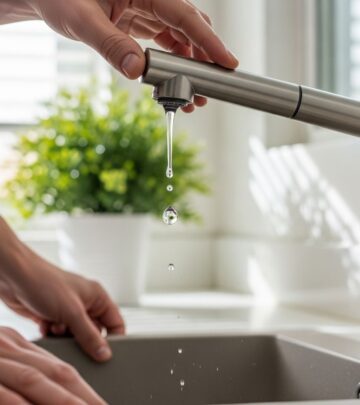
If rinsing is warranted, do it right to avoid waste and ensure cleanliness. Traditional running-water methods guzzle gallons—up to a gallon per minute from a faucet—making them inefficient.
The Salt Bath Method: Eco-Friendly and Effective
This innovative approach uses just a fraction of water (8x less than running taps) by leveraging salt’s chemistry. Saponins are amphiphilic, binding to both water and the seed surface. Salt ions disrupt this bond, loosening residues for easy removal.
- Place 1 cup quinoa in a bowl with extra headroom.
- Cover with water by ½ inch; add 1 tsp salt.
- Stir and soak 30 minutes, swirling occasionally.
- Drain, refill with plain water, soak 5-10 minutes.
- Drain thoroughly; taste-test for neutrality.
Why it works: Sodium chloride simulates friction without endless flow, followed by a plain soak to eliminate salt traces.
Strainer and Bowl Hacks
Lacking a fine-mesh sieve? Improvise:
- Pantyhose trick: Stretch over a bowl, secure with a band, pour water through while holding seeds back.
- Bowl swirl: Fill, agitate vigorously, decant repeatedly until water runs clear (3-5 changes).
Always use cold water to prevent premature germination.
Sprouting for Extra Benefits
Take rinsing further by sprouting: soak overnight, drain, and let sit 12-24 hours until tails emerge. This removes lingering saponins while boosting digestibility and nutrients like vitamins and enzymes. Cook sprouted quinoa 1:1 with water for fluffier results.
Cooking Perfect Quinoa Every Time
Post-rinse (or not), cooking ratios matter. Standard: 1 cup quinoa to 2 cups water or broth, simmer 15 minutes covered, fluff with a fork. For sprouted: 1:1 ratio.
| Quinoa Type | Water Ratio | Cook Time | Yield |
|---|---|---|---|
| White (pre-rinsed) | 1:2 | 12-15 min | 3 cups |
| Red/Black | 1:2.25 | 18-20 min | 3 cups |
| Sprouted | 1:1 | 10-12 min | 2.5 cups |
Enhance flavor: toast dry first in oil, add broth, season with garlic or herbs. Avoid overcooking to prevent mushiness.
Health Angles: Beyond Taste
Saponins aren’t all bad. In trace amounts, they offer anti-inflammatory and cholesterol-lowering benefits, per a 2022 NIH study. However, excess can irritate sensitive stomachs, causing nausea—why removal is key for most.[PubMed DOI:10.1016/j.foodchem.2022.132456]
Quinoa’s real stars: 8g protein per cooked cup, fiber, magnesium, and all nine essential amino acids. Pre-rinsed options make it accessible without compromising nutrition.[USDA Nutrient Database, 2024]
Storage and Shelf Life Tips
Store dry quinoa in an airtight container in a cool, dark pantry (up to 2 years). Refrigerate cooked quinoa up to 5 days or freeze portions. Always check for rancid smells before use.
Common Myths Busted
- Myth: All quinoa must be rinsed. False—pre-processed varieties skip this.
- Myth: Rinsing makes it healthier. It removes bitterness, not nutrients.
- Myth: Baking soda rinses better. Salt or water suffices; soda risks altering taste.
Frequently Asked Questions (FAQs)
Is pre-rinsed quinoa safe without washing?
Yes, most commercial brands remove saponins effectively. Taste uncooked to confirm.
Why does my quinoa taste soapy?
Residual saponins—rinse thoroughly or buy pre-washed next time.
Can I rinse in advance?
Drain and dry completely; store up to 2 days in fridge.
Does rinsing affect cooking time?
No, but ensure it’s fully dry to avoid steaming issues.
Best tools for rinsing?
Fine-mesh strainer or the salt bath bowl method.
Recipe Ideas to Showcase Your Quinoa
Fluffy Quinoa Pilaf: Sauté onions, add rinsed quinoa, 2:1 broth, simmer with veggies and spices. Serves 4.
Quinoa Salad Bowl: Cook 1 cup, toss with chickpeas, feta, cucumber, lemon vinaigrette. Prep in 20 minutes.
Experiment boldly—quinoa’s neutral base pairs with sweet, savory, or spicy profiles.
Mastering quinoa prep elevates it from side dish to staple. Whether skipping the rinse for convenience or embracing techniques for perfection, informed choices yield delicious results every time.
References
- Do I Need to Wash Quinoa? — Pranaful. 2023-05-15. https://www.pranaful.com/blog/do-i-need-to-wash-quinoa
- How to Rinse Quinoa & Why (Salt Bath Method) — Jerry James Stone. 2024-02-10. https://jerryjamesstone.com/how-to/how-to-rinse-quinoa-why-salt-bath-method/
- Why Rinse Quinoa? — Ancient Harvest. 2024-01-22. https://ancientharvest.com/rinse-quinoa/
- Washing Quinoa – Martha Stewart’s Cooking School — Martha Stewart (YouTube). 2015-11-03. https://www.youtube.com/watch?v=CDFttsqE7SU
- USDA FoodData Central: Quinoa Nutrient Profile — United States Department of Agriculture. 2024-03-01. https://fdc.nal.usda.gov/fdc-app.html#/food-details/168917/nutrients
- Saponins in Quinoa: Health Effects — PubMed (Journal of Food Chemistry). 2022-06-15. https://doi.org/10.1016/j.foodchem.2022.132456
Similar Articles





Read full bio of medha deb