Rhubarb Custard Pie: Classic Recipe With Fluffy Meringue
Master the art of creating a delicious rhubarb custard pie topped with fluffy meringue
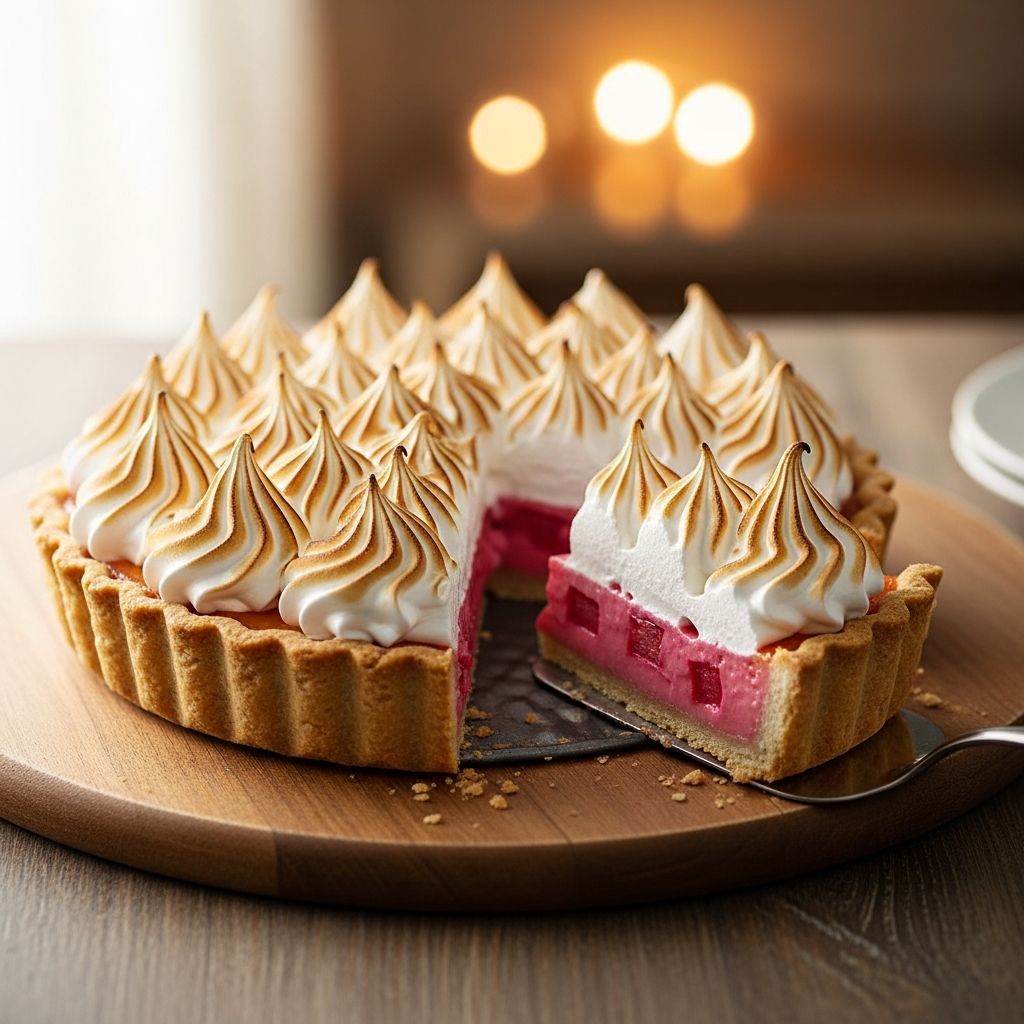
The rhubarb custard pie represents one of the most beloved desserts in traditional home baking, combining the natural tartness of fresh rhubarb with the smooth richness of a custard filling. When topped with a light, airy meringue, this dessert becomes an elegant finale to any meal. This comprehensive guide walks you through every step of creating this sophisticated pie from scratch, ensuring success with clear instructions and helpful insights.
Understanding the Components of This Dessert
A well-executed rhubarb custard pie consists of three distinct layers, each playing a crucial role in the final result. The foundation begins with a pastry shell that provides structural support and textural contrast. The middle layer features cooked rhubarb combined with a custard base, creating a filling that bridges the gap between fruit and cream desserts. Finally, the meringue topping adds visual appeal and introduces a delicate sweetness that balances the tart rhubarb beneath.
The interplay between these components creates a dessert that satisfies multiple sensory experiences simultaneously. The buttery crust yields to the fork, while the custard provides a velvety mouthfeel, and the rhubarb delivers bursts of fruity acidity. The meringue adds an unexpected textural element with its crisp exterior and marshmallow-like interior.
Gathering Your Ingredients
Success in pie baking begins with quality ingredients measured with precision. For this recipe, you’ll need fresh rhubarb as your star ingredient, along with supporting elements that create the custard base and meringue topping.
For the Filling
- 2 cups fresh rhubarb, cut into half-inch pieces
- 3/4 cup granulated sugar (for cooking the rhubarb)
- 1/4 cup granulated sugar (for the custard mixture)
- 2 large egg yolks
- 2 tablespoons all-purpose flour
- 1 teaspoon fresh lemon juice
- 1/4 teaspoon salt
- 1 cup whole milk
- 1 pre-made 9-inch pie shell (or homemade if preferred)
For the Meringue Topping
- 2 large egg whites
- 6 tablespoons granulated sugar
- 1/4 teaspoon fresh lemon juice
Preparing the Rhubarb Base
The preparation of rhubarb requires careful attention to achieve the ideal consistency for your filling. Begin by rinsing your fresh rhubarb thoroughly under cold running water, then cut it into uniform half-inch pieces. This size ensures even cooking and prevents some pieces from becoming mushy while others remain too firm.
Place the cut rhubarb into a medium saucepan along with 3/4 cup of sugar. The natural moisture clinging to the rhubarb after washing provides sufficient liquid for cooking without the need to add water. Heat the mixture over medium heat, stirring occasionally to encourage even cooking and sugar dissolution.
As the rhubarb heats, it will begin to release its juices and create a bubbly mixture. Continue cooking for approximately 7 to 10 minutes until the rhubarb pieces have softened and begun to break down slightly. The mixture should be tender but retain some structure—you’re aiming for a compote-like consistency rather than a completely smooth puree. Once the rhubarb reaches the desired tenderness, remove it from heat and allow it to cool to room temperature. This step is crucial for preventing the egg yolks in your custard from scrambling when combined with the hot rhubarb.
Creating the Custard Filling
While your rhubarb cools, prepare the custard component that will bind everything together and create the creamy texture this pie is known for. In a large mixing bowl, combine the egg yolks, remaining 1/4 cup sugar, flour, salt, and 1 teaspoon of lemon juice.
Beat these ingredients together until the mixture becomes smooth and pale in color, which typically requires about 2 minutes of vigorous beating. This step accomplishes two things: it incorporates air into the eggs, which helps create a lighter texture, and it ensures the flour is fully incorporated without lumps.
Gradually add the milk to the egg mixture while continuing to beat gently. Adding the milk in stages rather than all at once helps prevent lumps from forming and ensures a smooth custard base. Once the milk is fully incorporated, gently fold in the cooled rhubarb mixture using a spatula or large spoon, being careful not to overmix and deflate the custard.
Preparing the Pie Shell
Preheat your oven to 450 degrees Fahrenheit. If using a store-bought frozen pie shell, there’s no need to thaw it—proceed directly to the next step. If making your own crust, ensure it’s placed in a 9-inch pie dish with the edges crimp neatly.
Pour the rhubarb custard mixture into the prepared pie shell, distributing it evenly. The filling should come about three-quarters of the way up the sides of the shell. Place the filled pie on the center oven rack.
The Initial Baking Stage
The baking process occurs in stages, each serving a specific purpose in developing the pie’s texture and flavor. Begin by baking at the higher temperature of 450 degrees Fahrenheit for exactly 10 minutes. This initial high-heat phase helps the bottom crust cook through and prevents it from becoming soggy.
After 10 minutes, reduce the oven temperature to 325 degrees Fahrenheit and continue baking for an additional 25 minutes. During this phase, the custard will gradually set while the rhubarb flavors continue to develop. The pie is ready to remove from the oven when a knife inserted into the center comes out clean or with just a few moist crumbs—the custard should be set but not rubbery.
Crafting the Perfect Meringue Topping
While the pie bakes, prepare the meringue that will provide both visual elegance and a textural contrast to the filling. Place 2 egg whites into a scrupulously clean mixing bowl—even tiny traces of fat will prevent proper whipping, so wash your bowl and beaters with hot soapy water and dry thoroughly.
Using an electric mixer on high speed, beat the egg whites until they begin to form soft peaks, which means the peaks curl slightly when the beaters are lifted. At this point, gradually add the sugar one tablespoon at a time while continuing to beat. This gradual addition helps stabilize the meringue and prevents it from becoming grainy.
Continue beating until the meringue reaches stiff peaks, meaning the peaks stand upright without curling. Add the 1/4 teaspoon of lemon juice, which helps preserve the meringue and brightens its flavor. The finished meringue should be glossy and thick enough to hold peaks firmly.
Finishing the Pie
Remove the partially baked pie from the oven and immediately spread or spoon the meringue over the hot filling, ensuring it reaches the edges of the crust. This contact between hot filling and meringue helps set the bottom of the topping. If desired, use the back of a spoon to create decorative swirls in the meringue surface.
Reduce the oven temperature to 300 degrees Fahrenheit and return the pie to the oven. Bake for 15 to 20 minutes until the meringue develops a light golden-brown color on the peaks and edges. The meringue will firm up as it cools, so avoid baking too long or it will become dry and difficult to cut through.
Cooling and Serving Recommendations
Remove the finished pie from the oven and place it on a wire rack to cool gradually. This slow cooling process is essential for preventing the meringue from cracking or shrinking excessively. Allow the pie to cool for at least 1 to 2 hours at room temperature before slicing.
The pie can be served warm, at room temperature, or even chilled, depending on your preference. Each serving temperature offers a slightly different eating experience—warm slices showcase the flavors most intensely, while chilled slices provide a more refreshing dessert option during warm weather.
Storage Guidelines and Make-Ahead Tips
This pie maintains its quality for up to three days when stored properly. Cover the cooled pie loosely with plastic wrap and refrigerate. Avoid tightly sealing the pie immediately after baking, as condensation can make the meringue soggy.
For a more convenient preparation timeline, consider splitting the project across two days. Prepare and partially bake the pie crust on day one, allowing it to cool completely and storing it at room temperature under a cake dome or inverted bowl. On day two, assemble the filling and complete the baking process. This approach eliminates the need to coordinate multiple stages on a single day while maintaining the quality of the final product.
Common Questions About Rhubarb Custard Pie
- Can I use frozen rhubarb instead of fresh?
- Yes, frozen rhubarb works well in this recipe. Thaw it completely and drain away excess liquid before adding it to the sugar mixture. You may need to reduce the initial cooking time slightly since frozen rhubarb begins softer than fresh rhubarb.
- What if my meringue shrinks or weeps?
- Meringue shrinkage typically occurs when it cools too quickly or when exposed to humidity. Weeping (liquid pooling under the meringue) results from underbaking or excessive moisture in the filling. Ensure the filling is properly set before topping, spread meringue to the crust edges, and avoid baking in humid weather if possible.
- Can I prepare the meringue ahead of time?
- Meringue should be used immediately after preparation, as it begins to break down and lose volume if left standing. Prepare it during the final minutes of the filling’s baking time to ensure optimal results.
- Is there a way to make this recipe without eggs?
- Traditional rhubarb custard pie relies on eggs for both texture and food safety, making it difficult to replicate without them. Consider substituting with a custard made from cornstarch and milk, though the flavor and texture will differ considerably from the classic version.
Troubleshooting Your Baking Results
If your pie crust browns too quickly, cover the edges with aluminum foil during the latter portion of baking to prevent burning. A soggy bottom crust typically indicates insufficient initial high-heat baking—ensure you maintain the 450-degree temperature for the full 10 minutes before reducing heat.
If the custard filling appears undercooked after the recommended baking time, extend the baking period by 5-minute increments at 325 degrees. Conversely, if the filling appears to be setting too quickly before 25 minutes have elapsed, you may have an oven that runs hot; consider adjusting your temperature down by 25 degrees on future attempts.
Variations and Creative Adaptations
While the classic version stands on its own merits, creative bakers can incorporate subtle variations. Adding a half-teaspoon of vanilla extract to the custard mixture enhances its richness. A pinch of nutmeg or ground ginger in the rhubarb compote introduces warm spice notes that complement the tartness beautifully.
For a more decorative presentation, pipe the meringue using a pastry bag fitted with a large star tip, creating peaks that brown beautifully during baking. Some bakers prefer toasting a small amount of coconut or chopped nuts onto the meringue surface for added texture.
Why This Dessert Remains a Timeless Classic
The enduring popularity of rhubarb custard pie with meringue topping stems from its perfect balance of flavors and textures. The tart rhubarb prevents the dessert from becoming overly sweet, while the custard provides richness and body. The meringue adds an element of surprise with its ethereal lightness contrasting beautifully against the substantial filling below.
This pie represents comfort baking at its finest—a dessert that feels approachable yet sophisticated enough to serve at formal gatherings. The multi-stage baking process teaches valuable technique while remaining manageable for home bakers of varying skill levels.
References
- Old-fashioned Rhubarb Custard Pie with Meringue Topping — A Hundred Years Ago. 2022-06-26. https://ahundredyearsago.com/2022/06/26/old-fashioned-rhubarb-custard-pie/
- Quick and Easy Rhubarb Custard Pie — Hummingbird High. 2020-05-01. https://www.hummingbirdhigh.com/2020/05/rhubarb-custard-pie.html
- Recipe For A 1904 Rhubarb Meringue Pie With No Pulp — Recipe Reviver (YouTube). https://www.youtube.com/watch?v=FOKGyExLz1I
Similar Articles






Read full bio of Sneha Tete