Reuben Pierogie Casserole: A Fusion Comfort Food
Discover how to combine two beloved dishes into one hearty baked masterpiece
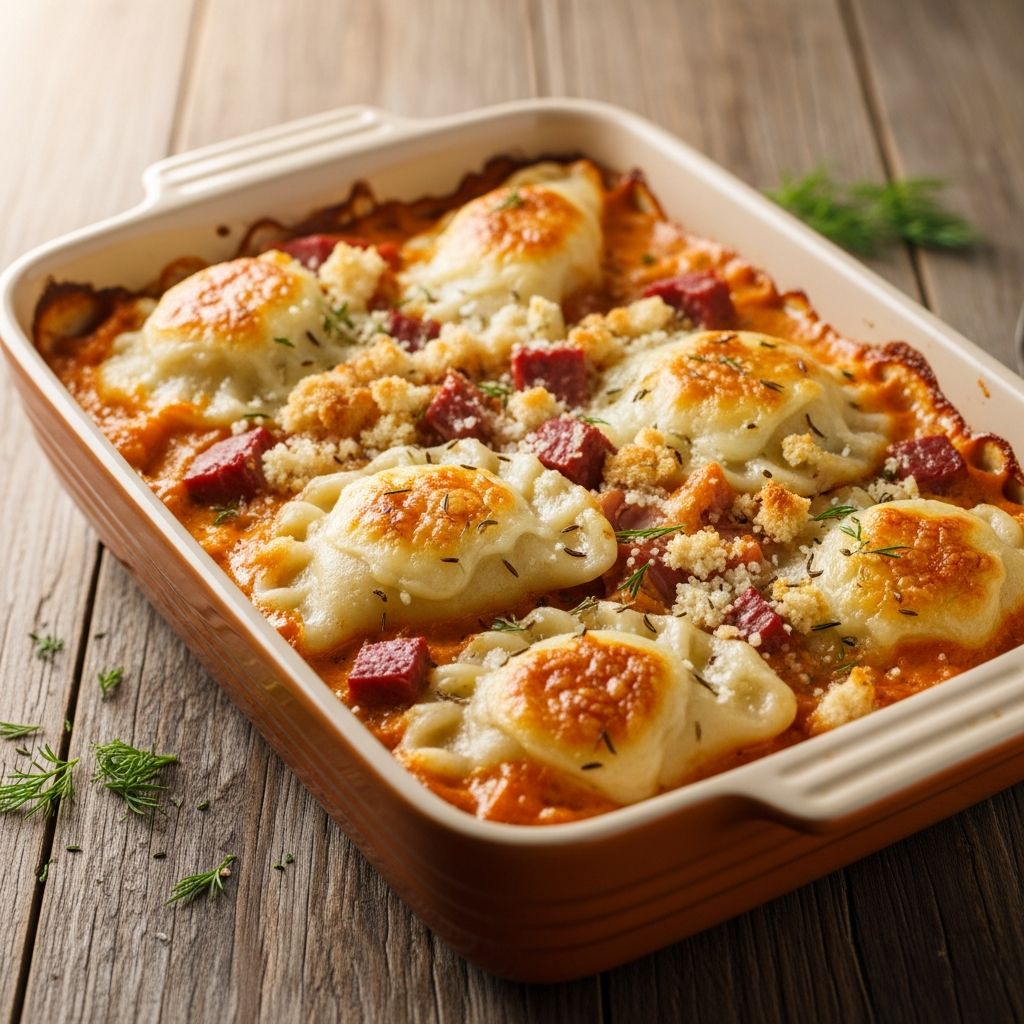
The intersection of culinary traditions often produces the most memorable dishes. A Reuben pierogie casserole represents exactly this kind of creative fusion, merging the hearty potato-filled dumplings of Eastern European cuisine with the bold, tangy flavors characteristic of a classic deli Reuben sandwich. This baked casserole transforms two distinctly different comfort foods into a single, cohesive dish that appeals to both traditionalists and adventurous home cooks. The beauty of this recipe lies not merely in its novelty but in how naturally the components complement one another.
Understanding the Components of This Fusion Dish
To appreciate why this casserole works so well, it helps to understand what each element brings to the table. Pierogies, also spelled pierogi or pirogue, are small dumplings traditionally filled with potato, cheese, mushroom, or sauerkraut. They originated in Eastern Europe and remain a staple of Polish, Ukrainian, and Russian cuisines. When used as the foundation of a casserole, they provide a starchy, satisfying base that absorbs flavors from surrounding ingredients.
The Reuben sandwich, conversely, represents American deli culture at its finest. Traditionally built with corned beef, sauerkraut, Swiss cheese, and thousand island dressing on rye bread, it delivers layers of salt, tang, and richness. By extracting these iconic flavors and combining them with pierogies, home cooks create something entirely new yet somehow familiar to fans of both traditions.
Essential Ingredients for Success
The foundation of any quality casserole depends on ingredient selection. Here are the critical components:
- Frozen Pierogies: Most home cooks opt for store-bought frozen pierogies, with many citing Mrs. T’s brand as a reliable choice. Potato and cheese varieties work particularly well for this application. The advantage of using frozen pierogies is convenience; they come pre-made and require minimal preparation before assembly.
- Corned Beef: Deli-style corned beef, sliced thin and chopped into bite-sized pieces, provides the protein and savory depth characteristic of Reuben sandwiches. Approximately four ounces (roughly one-quarter pound) offers sufficient richness without overwhelming the other flavors.
- Sauerkraut: This fermented cabbage brings crucial tangy, acidic notes that balance the richness of cheese and dressing. Draining the sauerkraut thoroughly prevents excess moisture from making the casserole watery.
- Swiss Cheese: The mild, slightly nutty flavor of Swiss cheese suits this dish better than sharp cheddar or provolone. Use four ounces of shredded or thinly sliced Swiss cheese to achieve even melting.
- Thousand Island Dressing: This creamy, slightly tangy condiment unifies all the flavors. One-third cup provides enough to coat the casserole without making it overly wet. Homemade versions offer more control over ingredients and may taste superior to bottled varieties.
- Optional Caraway Seeds: These distinctive seeds amplify the traditional Reuben flavor profile. Sprinkle them sparingly, as their strong anise-like taste can easily become overwhelming.
Preparing Your Pierogies: The Critical First Step
Unlike baked pasta in a traditional lasagna, pierogies require pre-cooking before assembly. Preheat your oven to 425 degrees Fahrenheit. In a separate saucepan, bring approximately two quarts of water to a rolling boil. Gently add your frozen pierogies directly to the boiling water. Cook them until they float to the surface, which typically occurs after five minutes for frozen varieties. This pre-cooking step accomplishes two objectives: it partially cooks the pierogies so they reach proper tenderness, and it prevents them from being tough and undercooked in the final baked product.
After they float, drain the pierogies thoroughly. Transfer them to a greased ten-inch round baking dish or an equivalent nine-by-thirteen-inch rectangular dish. Pat them dry with paper towels if necessary to remove excess moisture that could compromise the casserole’s texture.
The Layering Technique
The arrangement of ingredients significantly impacts flavor distribution and texture in the finished dish. Begin by spreading the drained pierogies in an even layer across the bottom of your prepared baking dish. This forms the structural foundation. Next, distribute the chopped corned beef across the pierogies. Try to achieve relatively even coverage, though small gaps are acceptable. The corned beef should cushion against the pierogies to prevent direct contact with the baking dish’s surface.
Over the corned beef layer, distribute the well-drained sauerkraut. Spread it as uniformly as possible, breaking up any clumps. Drizzle the thousand island dressing evenly across the sauerkraut. Use a spatula to gently spread it, ensuring it reaches all areas of the casserole. Finally, top everything with shredded or thinly sliced Swiss cheese. The cheese layer should cover the entire surface to create a cohesive, melted top that helps bind all the layers together during baking.
Baking Your Casserole to Perfection
Place your assembled casserole into the preheated 425-degree oven. Bake for approximately ten to fifteen minutes, though cooking time varies depending on your specific oven’s calibration and whether you cover the dish. The casserole is ready when the pierogies are heated through and the cheese has completely melted into a glossy, bubbly layer.
Some cooks prefer covering the casserole with aluminum foil for the first half of baking to trap steam, then removing it to allow the cheese to brown slightly. Others bake it uncovered for the entire duration. Both approaches yield delicious results; choose based on your preference for cheese browning. If you prefer a more substantial crust on the cheese, add a topping of buttered bread crumbs mixed with caraway seeds before baking. This creates a textured surface reminiscent of rye bread.
Serving and Presentation
Allow the casserole to rest for three to five minutes after removing it from the oven. This brief rest allows the cheese to set slightly and makes serving cleaner. A casserole serves four to six people as a main dish, making it suitable for family dinners or small gatherings. Serve directly from the baking dish for casual meals, or carefully portion individual servings onto plates for more formal presentations.
Consider accompanying the casserole with simple side dishes that don’t compete with its bold flavors. A basic green salad dressed with vinaigrette provides refreshing contrast. Roasted root vegetables such as carrots or beets complement the Eastern European heritage of the pierogies. A simple bread like rye or pumpernickel rounds out the meal thematically.
Customization and Variations
While the classic formula works beautifully, several modifications suit different preferences. Some cooks substitute pastrami for corned beef, which imparts a smokier, spicier character. Others incorporate caramelized onions between layers for added sweetness and depth. For those seeking lighter versions, reduced-fat thousand island dressing or sour cream-based alternatives maintain flavor while reducing calories.
Vegetarian adaptations replace the corned beef with additional sauerkraut, mushrooms sautéed with caraway seeds, or even sliced tempeh that’s been marinated in beef-flavored vegetable broth. The casserole remains surprisingly satisfying with these substitutions because the other components provide sufficient umami and richness.
Make-Ahead and Storage Solutions
This casserole lends itself well to advance preparation. Assemble all components in the baking dish up to eight hours before baking, then cover tightly with plastic wrap and refrigerate. When ready to cook, add ten to fifteen minutes to the baking time to account for the chilled temperature. The casserole also stores exceptionally well as leftovers. Cover and refrigerate for up to three days, or freeze for up to two months. Reheat gently in a 350-degree oven until warmed through, covering with foil to prevent the cheese from browning excessively.
Frequently Asked Questions
Can I use homemade pierogies instead of frozen?
Absolutely. Homemade pierogies may require slightly different boiling times—typically two to three minutes instead of five, since they haven’t been previously frozen and cooked. Check a test pierogie for doneness by floating.
What if I cannot find Swiss cheese?
While Swiss cheese’s mild flavor suits this dish perfectly, you may substitute Emmental, Gruyère, or even a blend of provolone and cheddar. Avoid very sharp or aged cheeses that might overpower the delicate balance.
Is there a lower-sodium version of this recipe?
Reduce sodium by using low-sodium corned beef, rinsing the sauerkraut thoroughly, and making thousand island dressing from scratch with measured salt. The casserole will naturally be higher in sodium due to the cured beef and fermented cabbage.
How many servings does this recipe yield?
A standard casserole serves four to six people, depending on portion size and what accompaniments you serve alongside.
Can I prepare this in a slow cooker?
Yes. After boiling the pierogies, layer all ingredients in a slow cooker and cook on low for two to three hours or high for one to one-and-a-half hours. The slower cooking may result in softer pierogies but preserves all flavors.
References
- Pierogi Love: New Takes on an Old-World Comfort Food — University of Illinois Press. 2015. https://www.press.uillinois.edu/books/catalog/77skc8xp9780252081742.html
- The Reuben Sandwich: History and Cultural Significance — Smithsonian Magazine. 2019. https://www.smithsonianmag.com/
- Traditional Polish Cuisine and Pierogies — Polish American Historical Society. 2020. https://www.polishamericanstudies.org/
- Fermentation in Eastern European Cooking — Food & Wine Magazine. 2021. https://www.foodandwine.com/
Similar Articles





Read full bio of Sneha Tete