Raw Chicken Preparation: Skip the Rinse
Discover why modern food safety experts recommend against washing chicken and learn safer preparation techniques.
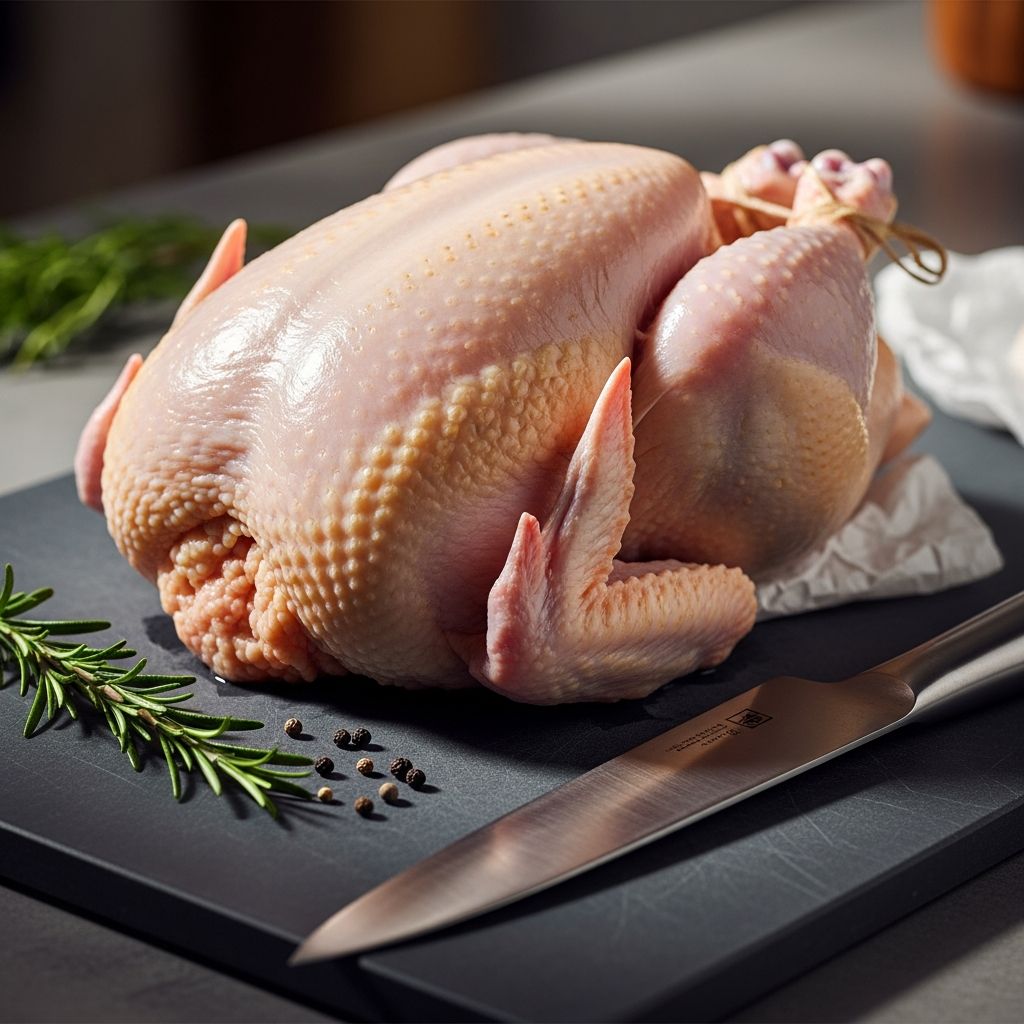
The Science Behind Poultry Preparation: Understanding Why Rinsing Raw Chicken May Compromise Kitchen Safety
For generations, home cooks have followed the tradition of rinsing raw chicken under running water before cooking. This practice, deeply embedded in culinary habits across many cultures, is often performed with the intention of removing surface contaminants and debris. However, contemporary food safety research has challenged this long-standing assumption, revealing that this common kitchen practice may inadvertently increase health risks rather than mitigate them. Major food safety organizations worldwide now recommend against rinsing raw poultry, citing compelling scientific evidence about bacterial transmission and cross-contamination patterns in residential kitchens.
Understanding Bacterial Presence on Raw Poultry
Raw chicken naturally harbors various pathogenic bacteria as part of its biological composition. The most commonly identified organisms include Salmonella and Campylobacter, both of which can cause severe gastrointestinal illness when consumed in sufficient quantities. These bacteria colonize different areas of the bird during processing and storage, establishing themselves on both the surface and within the meat itself. Understanding this fundamental aspect of raw poultry microbiology is essential for comprehending why traditional washing methods fail to provide meaningful protection.
Modern poultry processing facilities employ rigorous cleaning and sanitation protocols that exceed what residential kitchen equipment and techniques can achieve. The chicken you purchase at retail has already undergone industrial-scale cleaning processes, removing visible debris, feathers, and contaminants. Any residual moisture or protein coating on the surface is not indicative of unclean meat but rather a normal byproduct of processing and refrigeration.
How Water Dynamics Facilitate Bacterial Spread
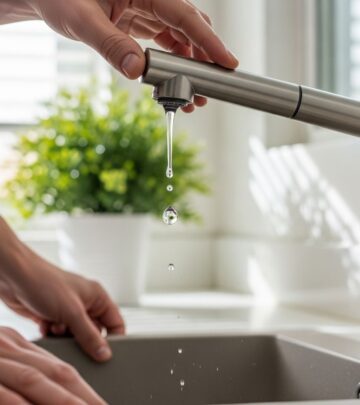
Recent scientific investigations into the mechanics of water splashing from rinsed chicken have yielded particularly illuminating findings. When water flows over raw poultry under a kitchen tap, the soft texture of chicken meat creates a depression in the surface where water collects and then forcefully disperses. This splashing action does not eliminate bacteria; instead, it facilitates their transportation to surrounding kitchen surfaces, cookware, and utensils through microscopic water droplets.
The severity of this bacterial dispersal correlates directly with several controllable factors. Research employing high-speed imaging demonstrated that increased tap height and water pressure significantly amplified splashing patterns and bacterial transmission rates. Additionally, aerated water—the aerating effect produced by high-pressure modern faucets—creates even more vigorous splashing, dramatically increasing the radius and intensity of bacterial dispersal. A sink of standing water, by comparison, produces less violent dispersal patterns, though even this method carries notable risks.
The Cross-Contamination Pathway
One of the most troubling aspects of rinsing chicken involves the subsequent contamination of ready-to-eat foods. Research conducted by the U.S. Department of Agriculture revealed alarming transfer rates of bacteria from rinsed poultry to other kitchen areas and foods. In controlled studies, 60 percent of participants who washed raw chicken subsequently had detectable bacteria in their kitchen sinks. More concerning still, 26 percent of those same individuals transferred bacteria from the rinsed chicken to ready-to-eat salad lettuce, demonstrating how readily pathogens move from rinsed poultry to foods consumed without cooking.
The pathway of contamination typically proceeds from the raw chicken to the sink basin, then to hands, utensils, cutting boards, and eventually to fresh vegetables or other prepared foods. This sequence occurs even when home cooks attempt to clean their sinks afterward; research indicated that 14 percent of participants still harbored detectable bacterial contamination after attempting manual sink sanitation.
Why Traditional Rinsing Solutions Don’t Work
Many home cooks who maintain rinsing habits have adopted alternative approaches, believing that specialized liquids can eliminate bacterial loads. Some utilize acidic solutions such as vinegar or lemon juice, operating under the assumption that acidity denatures pathogens. Others employ salt-water brining, hypothesizing that osmotic effects eliminate harmful organisms. Scientific evidence directly contradicts these approaches. Research has conclusively demonstrated that washing raw poultry in lemon juice, vinegar, or salt water does not remove bacteria and can paradoxically increase cross-contamination risk by increasing splashing and dispersal patterns.
The Case for Improved Handling Without Rinsing
Food safety authorities and regulatory agencies throughout North America, Europe, and Oceania have converged on consistent recommendations against poultry rinsing. These guidelines are not based on theoretical concerns but on empirical research documenting actual contamination patterns in home kitchens. The Australian Food Safety Information Council found that despite official recommendations, approximately half of home cooks surveyed still washed whole chickens before cooking. Dutch research documented that roughly 25 percent of consumers washed chicken regularly or almost always. This persistent gap between recommendations and practice suggests that many home cooks remain unaware of the scientific rationale behind guidance against rinsing.
Effective Alternatives to Rinsing Raw Chicken
The elimination of rinsing from your chicken preparation routine does not compromise food safety; rather, it enhances it by removing a significant cross-contamination vector. Several evidence-based practices should comprise your poultry handling protocol:
- Surface Management: If you observe any visible debris or moisture on chicken, use a clean paper towel to gently pat and wipe the affected area rather than subjecting it to running water. This targeted approach removes unwanted material without the splashing that occurs during rinsing.
- Immediate Hand Hygiene: After handling raw chicken or using paper towels on its surface, wash your hands thoroughly with soap and water for a minimum of 20 seconds. This single practice dramatically reduces the likelihood of bacterial transfer to other foods and surfaces.
- Strategic Food Preparation Sequencing: Prepare all vegetables, salads, and other ready-to-eat foods before handling raw chicken. This temporal separation ensures that even if cross-contamination occurs, it does not affect foods that will be consumed without cooking.
- Dedicated Equipment Use: Designate specific cutting boards and utensils for raw poultry preparation. Avoid using the same board for vegetables immediately before or after poultry handling.
- Thorough Thermal Treatment: The most reliable method for eliminating all pathogenic bacteria on chicken is cooking the meat to an internal temperature of 165°F, verified with a food thermometer. This temperature threshold destroys all dangerous organisms present.
Kitchen Sanitation Practices
Rather than focusing on rinsing raw chicken, direct your food safety efforts toward comprehensive kitchen sanitation. After preparing raw poultry, thoroughly clean all surfaces, utensils, and the sink with hot, soapy water. For additional protection, particularly after handling raw chicken, consider applying a sanitizing solution to work surfaces, allowing contact time according to product instructions, and then rinsing thoroughly.
This approach addresses the actual source of potential contamination—environmental surfaces and utensils—rather than attempting to clean the chicken itself, a process that research has shown to be counterproductive.
Frequently Asked Questions About Poultry Handling
If I don’t rinse my chicken, how do I know it’s clean?
Modern poultry processing facilities employ industrial-scale cleaning and sanitation protocols that far exceed what home kitchen equipment can accomplish. The chicken you purchase has already undergone rigorous cleaning. Any residual moisture or protein coating is normal and will be rendered harmless through cooking to 165°F.
What if I prefer to rinse my chicken despite the recommendations?
If you choose to rinse raw poultry despite safety guidance, use standing water in a sink rather than running tap water. The reduced water pressure minimizes splashing and bacterial dispersal compared to running water. Follow rinsing immediately with thorough hand washing and comprehensive cleaning of all potentially contaminated surfaces. Use paper towels to manage excess moisture and dispose of them immediately.
Can I use any other methods to clean my chicken?
Paper towel wiping of specific areas is an effective targeted approach. Avoid immersion in solutions of salt water, vinegar, or lemon juice, as research shows these do not eliminate bacteria and may increase cross-contamination risk. Your focus should be on cooking the chicken thoroughly rather than attempting external cleaning methods.
How long should I cook chicken to ensure safety?
All poultry, whether whole or ground, must reach an internal temperature of 165°F to be considered safe for consumption. Use a calibrated food thermometer to verify temperature at the thickest part of the meat. This is the most reliable method for destroying all pathogens regardless of initial bacterial load.
Implementing Food Safety in Your Kitchen
Transitioning away from rinsing chicken requires behavioral adjustment for many home cooks, particularly those who learned food preparation techniques from family members who practiced rinsing. However, the scientific evidence supporting this change is substantial and consistent across multiple research institutions and regulatory agencies worldwide. The practice of not rinsing eliminates a significant source of kitchen cross-contamination while maintaining or improving overall food safety through proper thermal treatment and sanitation practices.
By adopting evidence-based poultry handling practices, you reduce illness risks not only for yourself but for all individuals who consume food prepared in your kitchen, particularly vulnerable populations such as young children, elderly individuals, and immunocompromised people who face elevated risks from foodborne pathogenic infection.
References
- Don’t Wash Your Chicken: It’s Risky, It’s Unnecessary and There’s a Better Way — Drexel University Office of University Communications. 2022-08-01. https://drexel.edu/news/archive/2022/August/Dont-Wash-Your-Chicken-Its-Risky-Its-Unnecessary-and-Theres-a-Better-Way
- No, you shouldn’t wash raw chicken before cooking it. So why do people still do it? — Swinburne University of Technology. 2023-01-20. https://www.swinburne.edu.au/news/2023/01/no-you-shouldnt-wash-raw-chicken-before-cooking-it-so-why-do-people-still-do-it/
- Don’t Wash Your Chicken — Minnesota Department of Health. https://www.health.state.mn.us/people/foodsafety/clean/dontwashchix.html
- Washing Raw Poultry: Our Science, Your Choice — U.S. Department of Agriculture Food Safety and Inspection Service. 2019-08-20. https://www.usda.gov/about-usda/news/press-releases/2019/08/20/washing-raw-poultry-our-science-your-choice
Similar Articles




Read full bio of medha deb