Red Wine Vinaigrette: 5-Minute Classic Recipe And Tips
Master a versatile red wine vinaigrette in under 5 minutes that elevates any salad with balanced flavors and endless customization options.
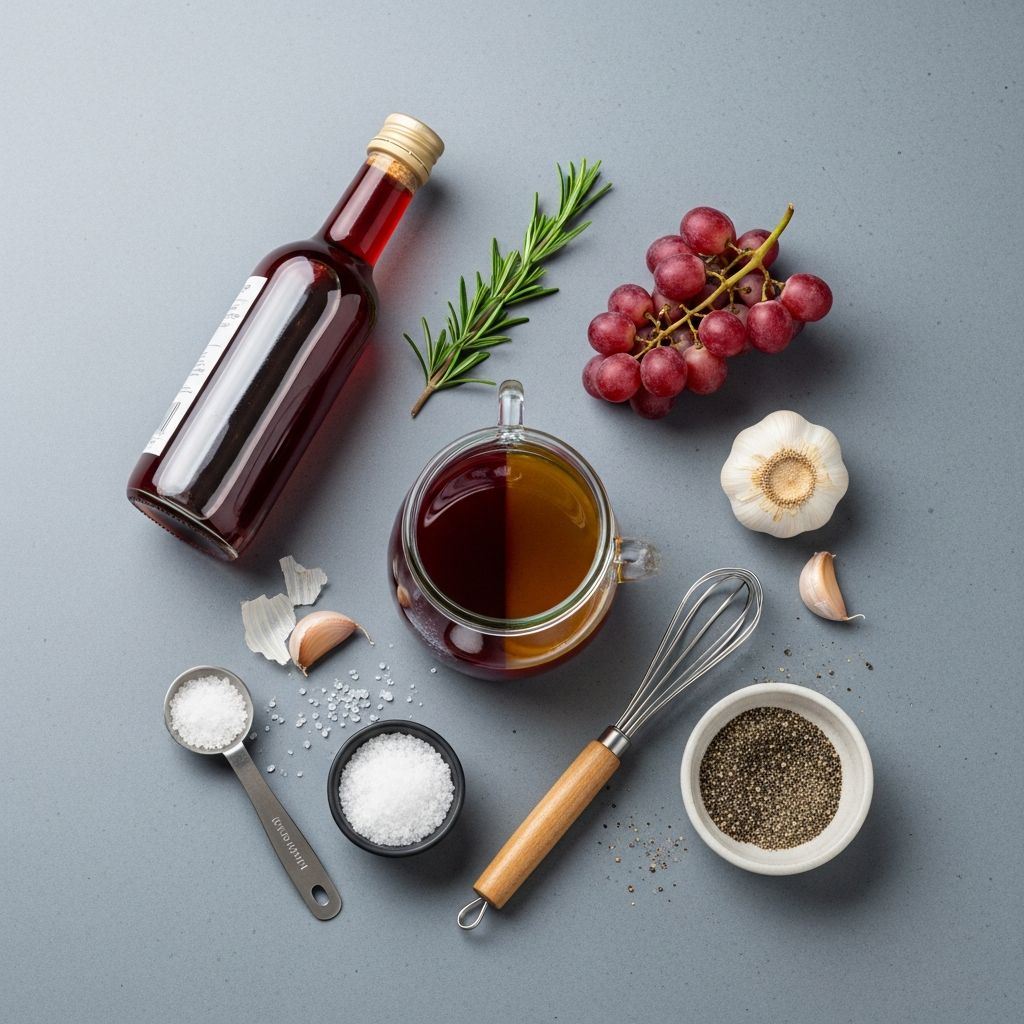
Red wine vinaigrette stands as a cornerstone of versatile salad dressings, delivering a harmonious blend of tangy acidity, subtle sweetness, and rich emulsion that complements a wide array of dishes. This guide explores everything from basic preparation to advanced customizations, empowering home cooks to create professional-quality dressings in mere minutes using everyday ingredients.
Why Choose Red Wine Vinaigrette?
At its core, red wine vinaigrette offers a robust flavor profile derived from red wine vinegar’s fruity notes paired with extra virgin olive oil’s fruity depth. Unlike creamy dressings, it provides a light, refreshing coating for greens, allowing vegetables’ natural flavors to shine. Its quick assembly—often under five minutes—makes it ideal for busy weeknights, while its make-ahead potential extends usability up to a week in the fridge.
The dressing’s adaptability stems from simple ratios: typically three parts oil to one part vinegar, stabilized by mustard and balanced by sweeteners. This foundational formula allows endless tweaks for dietary needs or taste preferences, from vegan adaptations to spicy kicks.
Essential Ingredients Breakdown
Building a superior red wine vinaigrette starts with high-quality components. Here’s a detailed look at each:
- Extra Virgin Olive Oil: Forms the base, contributing smoothness and antioxidants. Opt for robust varieties for bolder salads.
- Red Wine Vinegar: Delivers sharp acidity with mild fruitiness; substitutes like balsamic work for sweeter profiles.
- Dijon Mustard: Acts as an emulsifier, binding oil and vinegar while adding creamy tang.
- Sweetener (Honey, Maple Syrup, or Agave): Counters vinegar’s bite; choose based on vegan requirements.
- Fresh Aromatics (Garlic, Shallot): Infuse depth; mince finely or grate for even distribution.
- Seasonings (Salt, Pepper, Herbs): Enhance overall balance; kosher salt preferred for texture.
| Ingredient | Role | Common Substitutes |
|---|---|---|
| Extra Virgin Olive Oil | Emulsifies and adds richness | Avocado oil |
| Red Wine Vinegar | Provides acidity | Apple cider vinegar |
| Dijon Mustard | Stabilizes emulsion | Whole grain mustard |
| Honey/Maple | Balances tartness | Agave nectar |
| Garlic/Shallot | Adds savory punch | Garlic powder |
Step-by-Step Recipe for Classic Version
Yield: About 3/4 cup (enough for 6-8 salads). Prep time: 5 minutes.
- Gather 1/4 cup red wine vinegar, 1/2 cup extra virgin olive oil, 1 tablespoon Dijon mustard, 1 tablespoon maple syrup, 1 finely minced garlic clove, 1/2 teaspoon kosher salt, and 1/4 teaspoon black pepper.
- In a jar with a tight lid, add vinegar, mustard, syrup, garlic, salt, and pepper. Seal and shake vigorously for 20 seconds to blend acids and seasonings.
- Pour in olive oil and shake again until fully emulsified—a creamy texture indicates success.
- Taste and adjust: more vinegar for tang, syrup for sweetness, or salt for savoriness.
- Use immediately or refrigerate in the jar for up to 7 days. Shake before each use as separation occurs naturally.
This method minimizes cleanup and ensures consistency. For larger batches, double ingredients proportionally.
Mastering Emulsification Techniques
Emulsification creates a stable mixture where oil droplets disperse evenly in vinegar, preventing separation. Dijon mustard’s lecithin is key, coating oil for suspension. Shaking in a jar mimics professional immersion blenders effectively at home.
Alternative methods include whisking: Combine non-oil ingredients first, then drizzle oil slowly while whisking continuously. For ultra-smooth results, use a blender on low speed, but avoid over-processing to preserve fresh flavors.
Pro tip: Temperature matters—room-temperature ingredients emulsify better than cold ones straight from the fridge.
Flavor Variations to Suit Every Palate
Customize your vinaigrette to match meals or moods with these inspired twists:
- Herbed Delight: Add 1/2 teaspoon dried oregano or fresh chopped herbs like thyme for Mediterranean flair.
- Spicy Kick: Incorporate 1/4 teaspoon red pepper flakes or a dash of hot sauce for heat.
- Citrus Boost: Mix in 1 tablespoon fresh lemon juice alongside vinegar for brighter acidity.
- Sweet Balsamic Hybrid: Swap half the red wine vinegar for balsamic and increase sweetener slightly.
- Vegan Power: Use agave or maple syrup exclusively; ensure oil is plant-based.
Experiment incrementally: Start with base recipe, taste, then add 1/4 teaspoon increments of new elements.
Storage and Shelf Life Guidelines
Proper storage preserves freshness and safety. Store in an airtight glass jar in the refrigerator for 5-7 days. The oil may solidify in cold temps—let sit at room temp for 10 minutes and shake to recombine.
Freezing extends life: Portion into ice cube trays, freeze, then transfer to bags for up to 3 months. Thaw cubes in the fridge overnight. Discard if off-odors, mold, or sliminess appear, though high acidity inhibits bacterial growth effectively.
Perfect Pairings for Salads and Beyond
This vinaigrette excels on mixed greens but shines elsewhere:
- Classic Salads: Arugula, spinach, or romaine with cherry tomatoes, cucumbers, and feta.
- Grain Bowls: Quinoa or farro with roasted veggies and nuts.
- Proteins: Drizzle over grilled chicken, fish, or roasted vegetables.
- Unexpected Uses: Marinade for tofu, dip for crudités, or enhancer for grain sides.
For heartier greens like kale, massage dressing in to soften fibers. Pair with bold cheeses like goat or blue for contrast.
Nutrition Profile and Health Benefits
A 2-tablespoon serving typically offers 140 calories, mostly healthy monounsaturated fats from olive oil. Vinegar aids digestion, mustard provides antioxidants, and minimal sweeteners keep sugars low.
Customize for diets: Low-carb by reducing sweetener; anti-inflammatory with added herbs. Compared to store-bought, homemade versions avoid preservatives and excess sodium.
Frequently Asked Questions
Can I make this without mustard?
Yes, but emulsion weakens—use a blender or accept separation and shake before use. Honey alone helps somewhat.
How do I fix a broken vinaigrette?
Add a teaspoon more mustard and whisk vigorously, or start with 1 teaspoon hot water and slowly incorporate the broken mixture.
Is red wine vinegar gluten-free?
Typically yes, but check labels for distilling processes. All other ingredients here are naturally gluten-free.
Can I use regular vinegar instead?
White or apple cider works but alters flavor—red wine’s fruitiness is unique.
How much for one salad serving?
1-2 tablespoons per 4 cups greens; scale up for larger bowls.
Troubleshooting Common Issues
Too oily? Add vinegar 1 teaspoon at a time.
Too tangy? Balance with sweetener or oil.
Not emulsifying? Ensure mustard is fresh and shake harder.
Garlic too strong? Use powder or let mellow overnight.
With practice, these tweaks become intuitive, leading to consistently excellent results.
References
- Punchy Red Wine Vinaigrette (Ready in 5 Minutes) — Plays Well With Butter. 2023-10-15. https://playswellwithbutter.com/red-wine-vinaigrette/
- Three-Minute Red Wine Vinaigrette — Heron Earth. 2022-05-20. https://heronearth.com/three-minute-red-wine-vinaigrette/
- Red Wine Vinaigrette — Rainbow Plant Life. 2024-03-12. https://rainbowplantlife.com/red-wine-vinaigrette/
- Small Batch Salad Dressing | Easy Red Wine Vinaigrette — Justine Snacks. 2023-04-08. https://justinesnacks.com/small-batch-salad-dressing-easy-red-wine-vinaigrette/
Similar Articles






Read full bio of Sneha Tete