Microwave Potato 5-8 Minute Method For Perfect Baked Potato
Master the art of cooking fluffy baked potatoes using your microwave in under 10 minutes.
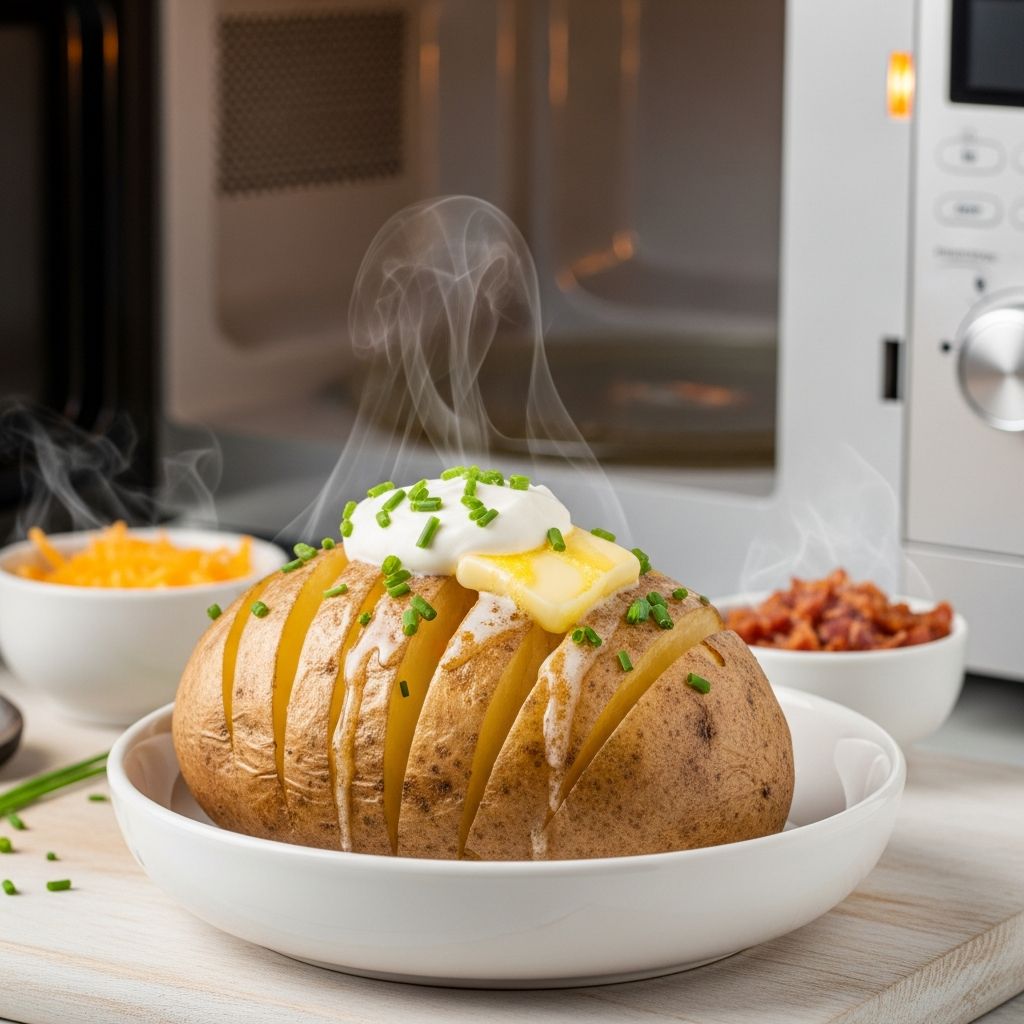
When time is limited and you need a nutritious side dish or complete meal base, the microwave becomes an invaluable kitchen tool. Unlike traditional oven baking that requires up to an hour, microwave cooking transforms a humble potato into a perfectly tender and fluffy dish in just minutes. This method delivers impressive results without requiring special equipment or advanced culinary skills, making it accessible to home cooks of all experience levels.
Why Choose Microwave Cooking for Potatoes
The microwave offers distinct advantages over conventional cooking methods. The primary benefit is speed—a medium-sized potato reaches perfect tenderness in approximately 6-8 minutes, compared to 45-60 minutes in a traditional oven. This efficiency translates to lower energy consumption and less heat generation in your kitchen, which proves particularly valuable during warmer months.
Beyond convenience, microwave preparation preserves the potato’s natural nutritional profile. The shorter cooking time and minimal water contact help retain essential vitamins and minerals. The cooking process also requires minimal added fats, making this method suitable for health-conscious meal planning. Additionally, the microwave approach proves ideal for individuals with limited cooking space, those living in apartments without full-sized ovens, or anyone seeking to minimize kitchen equipment usage.
Essential Preparation Steps
Proper preparation determines the quality of your final result. Begin by selecting potatoes of appropriate size—medium potatoes weighing approximately 5-6 ounces work well for individual servings, while larger specimens may require extended cooking times.
Rinse each potato thoroughly under cool running water, using a vegetable brush to gently scrub the exterior in circular motions. This removes surface dirt, debris, and any chemical residues from cultivation. Pay particular attention to crevices and eyes. Some people prefer to remove potato eyes entirely using a small knife, though this step remains optional depending on preference and appearance goals.
After cleansing, pat the potatoes completely dry using paper towels or clean kitchen cloths. Moisture on the surface can affect cooking uniformity and texture. The drying step deserves attention because excess water interferes with proper steam circulation during microwaving.
The most critical preparation step involves piercing the potato skin multiple times using a fork. Create at least three punctures on each side of a medium potato. This ventilation allows steam to escape gradually during cooking, preventing dangerous pressure buildup that could cause the potato to split or explode inside the microwave. The holes create pathways for heat penetration as well, promoting even cooking throughout the interior.
Microwave Power and Settings
Set your microwave to high power, which corresponds to 100% power output on most standard models. Cooking on lower power settings extends the total time and may result in unevenly cooked potatoes with cold spots. The high power setting ensures consistent, rapid heat distribution throughout the potato’s interior.
Place the prepared potato on a microwave-safe dish—either a standard ceramic plate or a dedicated microwave plate. Avoid metal containers, which reflect microwave energy and create dangerous arcing. The plate serves as both a cooking surface and a protective barrier for your microwave’s interior.
Cooking Time Guidelines by Quantity
Cooking duration depends on several factors including potato size, quantity, and your specific microwave’s wattage. The following guidelines provide reliable starting points:
| Number of Potatoes | Size Range | Recommended Time | Instructions |
|---|---|---|---|
| 1 potato | Medium (5 inches) | 5-8 minutes | Microwave for 3-4 minutes per side |
| 2 potatoes | Medium | 7-12 minutes | Microwave for 4-6 minutes per side |
| 3 potatoes | Medium | 9-11 minutes | Rotate halfway through cooking |
| 4 potatoes | Medium | 12-15 minutes | Flip potatoes at midpoint |
| 1 potato | Large (6+ inches) | 8-10 minutes | May require additional time increments |
These timeframes assume medium-sized russet potatoes, the most common variety for baking. Smaller potatoes may finish in 5-7 minutes, while larger specimens could require up to 15 minutes. Individual microwave variations mean these times serve as starting references rather than exact prescriptions.
The Flipping Technique
Approximately halfway through the cooking cycle, use tongs or an oven mitt to carefully flip the potato. This ensures even heat exposure on all sides. The microwave’s heating pattern means one side receives more intense energy than the other, so rotation compensates for this directional bias and promotes uniformly cooked interiors.
Handle the potato with appropriate caution during flipping. After the initial minutes of cooking, the surface temperature rises significantly. Always use protective equipment such as oven mitts or kitchen towels when handling hot potatoes, reducing burn risk. Similarly, the microwave-safe dish becomes extremely hot and requires careful handling.
Assessing Doneness Accurately
Determining when a potato has reached optimal tenderness requires a simple testing method. Using an oven-mitted hand or tool, gently squeeze the potato’s sides—it should yield without excessive resistance. If the potato gives easily and the skin begins separating slightly, the cooking process is complete.
Alternatively, pierce the potato with a fork at its thickest point. The fork should penetrate smoothly with minimal resistance. If the fork encounters firm resistance or requires considerable force, return the potato to the microwave for one-minute intervals until softness develops.
If your batch contains potatoes of varying sizes, remove smaller potatoes when they achieve doneness while continuing to cook larger specimens. This approach prevents overcooking smaller potatoes while ensuring larger ones reach proper tenderness.
Handling Hot Potatoes Safely
Never underestimate the extreme temperatures potatoes reach during microwave cooking. Both the potato and the ceramic dish retain significant heat that persists for several minutes after cooking completes. Using bare hands risks serious burns.
Always employ oven mitts, kitchen towels, or heat-resistant gloves when removing the dish from the microwave or handling the cooked potato. Place the hot dish on a heat-safe countertop surface away from children and pets. Allow the potato to rest briefly—approximately 2-3 minutes—before attempting to slice it open. This resting period allows internal steam to redistribute slightly, making handling safer and preventing burns from escaping steam.
Alternative Wrapping Methods
Some cooks prefer wrapping potatoes in damp paper towels before microwaving. This method creates a steam chamber that contributes to even cooking. Dampen a paper towel with water, wrap it around the potato, and microwave as directed. The moisture prevents the paper from burning while contributing to steam circulation. This technique proves particularly effective for achieving exceptionally moist, fluffy interiors.
The damp paper towel method reduces the total cooking time slightly because the absorbed moisture adds to the heat transfer efficiency. Experiment with both methods to determine which produces your preferred texture and doneness level.
Customizing Your Cooked Potato
Once your potato achieves perfect tenderness, slice it open using a sharp knife. The steam release provides dramatic visual and aromatic confirmation of successful cooking. The interior should appear fluffy and light, with no hard or crunchy centers.
Apply your preferred toppings immediately while the potato retains its heat. Classic additions include butter for richness, salt and pepper for fundamental seasoning, and fresh herbs for aromatic enhancement. Consider sour cream, chives, crispy bacon bits, shredded cheese, or steamed broccoli for more elaborate presentations.
For individuals seeking crispy skin texture, transfer the fully cooked potato to a conventional oven preheated to 425°F for approximately 10 minutes. This finishing step crisps the exterior while maintaining the tender interior. Brush the potato with a small amount of olive oil and sprinkle with salt before oven finishing for optimal crispiness.
Troubleshooting Common Issues
Potato remains firm or uncooked: Return it to the microwave in one-minute intervals, checking after each cycle. Wattage variations among microwave models affect cooking times, so higher-powered models finish faster than lower-powered ones.
Potato skin splits or ruptures: This typically results from insufficient venting holes. Ensure you pierce the potato at least 3-4 times on each side before cooking. Never attempt to cook an unpierced potato, as pressure buildup creates dangerous conditions.
Interior remains moist but exterior is hard: This suggests uneven cooking, often caused by irregular potato shape or inadequate flipping. Ensure you flip the potato at the midpoint and select similarly-sized potatoes when cooking multiple specimens.
Cooked potatoes turn dark or develop hard spots: This indicates overcooking, which can occur when cooking times exceed recommended ranges. Monitor progress using the fork test, removing the potato as soon as it achieves proper tenderness.
Nutritional Profile
A medium microwave-cooked potato (approximately 5-6 ounces) provides approximately 170-180 calories, with virtually no fat when served plain. The potato supplies roughly 40 grams of carbohydrates, contributing to sustained energy provision. Fiber content reaches nearly 3 grams, supporting digestive health. Protein totals approximately 4-5 grams, along with essential minerals including potassium and manganese. This nutritional density makes potatoes a valuable addition to balanced meal plans, particularly when topped with nutrient-rich additions.
Storage and Reheating Considerations
Leftover cooked potatoes store effectively in the refrigerator for up to 5 days when placed in airtight containers. To reheat, microwave the potato for 1-2 minutes on high power, checking doneness and continuing in 30-second intervals as needed. Alternatively, slice the potato and reheat in a conventional oven at 350°F for 10-15 minutes to restore crispiness.
References
- Microwave Cooking Safety Guidelines — U.S. Food and Drug Administration. 2023. https://www.fda.gov/food/food-safety-during-emergencies/food-safety-during-power-outages
- Potato Nutritional Content and Health Benefits — United States Department of Agriculture. 2024. https://www.usda.gov
- Heat Retention and Microwave Energy Transfer — Institute of Food Technologists. 2023. https://www.ift.org
- Kitchen Equipment Safety Standards — Consumer Product Safety Commission. 2024. https://www.cpsc.gov
Similar Articles








Read full bio of medha deb