Chopping Onions Without Tears: Expert Tips To Stop Crying
Master the science behind onion tears and discover proven techniques to chop without crying.
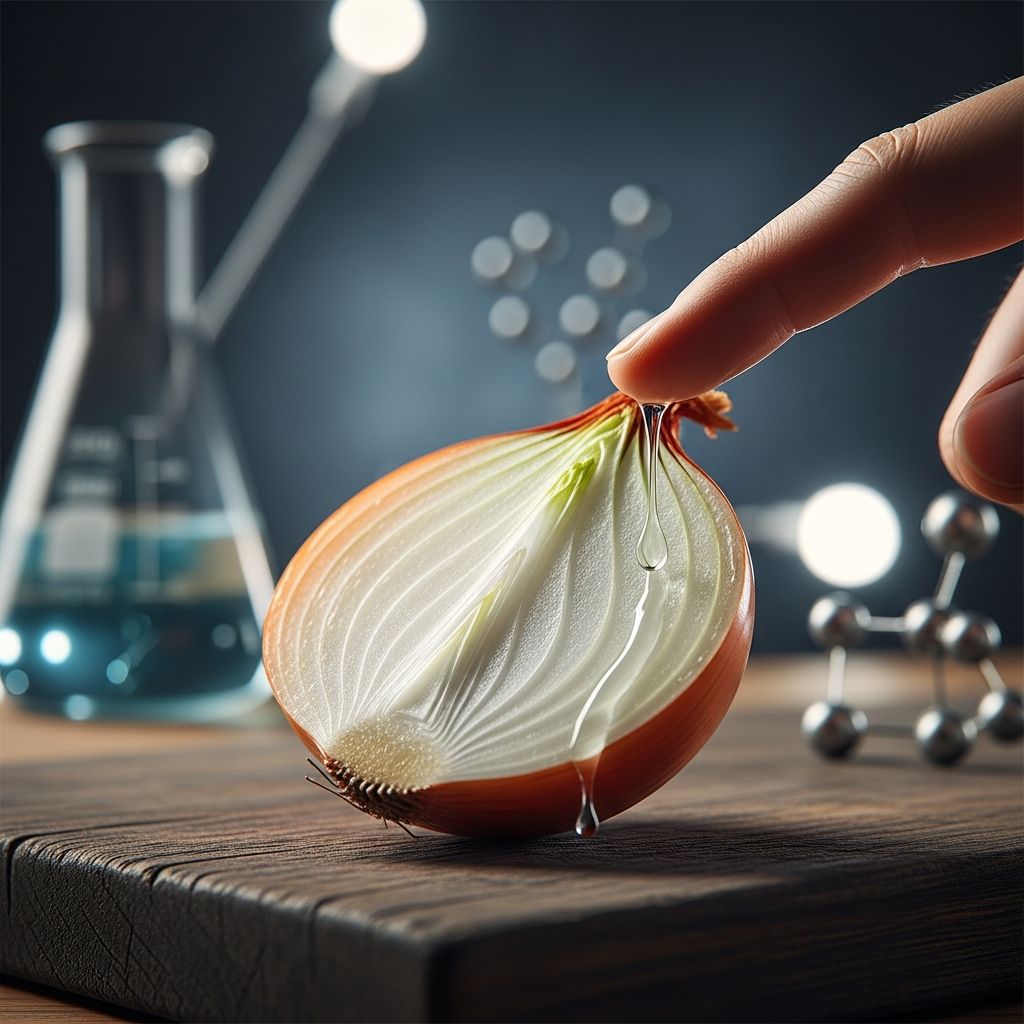
One of the most universal kitchen frustrations is the uncontrollable tears that stream down your face when chopping onions. Whether you’re preparing ingredients for a weeknight dinner or tackling a large batch for meal prep, the burning sensation in your eyes can make an otherwise simple task feel overwhelming. Fortunately, understanding the chemistry behind onion tears and knowing which techniques actually work can transform your cooking experience. This comprehensive guide explores multiple proven strategies to keep your eyes dry while handling these essential aromatics.
Understanding the Chemistry of Onion-Induced Tears
To effectively combat the tears, it helps to understand what’s actually happening when you cut into an onion. When onion cells are damaged by cutting or slicing, they release a compound called sulfenic acid. This acid immediately converts into a volatile gas known as syn-propanethial-S-oxide, which rises into the air and reaches your eyes. The gas irritates the tear ducts, triggering your body’s natural defense mechanism of producing tears to protect and flush away the irritant.
The intensity of this reaction depends on several factors, including the onion variety, its freshness, and how aggressively you damage the cell structure. Red onions and sweet varieties tend to produce less irritating compounds than yellow or white onions, which explains why some home cooks report fewer tears when using certain types.
The Sharp Knife Advantage
One of the most effective and scientifically sound approaches to reducing onion tears involves using a properly sharpened knife. When a knife blade is dull, it crushes and damages onion cells indiscriminately, releasing maximum quantities of tear-inducing compounds into the air. A sharp knife, by contrast, makes clean cuts through cell walls with minimal crushing, significantly reducing the amount of volatile gas released during chopping.
Beyond tear reduction, maintaining a sharp knife offers additional benefits for your cooking. Precise cuts create more uniform pieces that cook evenly, and the reduced cellular damage helps preserve the onion’s structural integrity during cooking. If your kitchen knives have dulled through regular use, investing in sharpening supplies or professional sharpening services is one of the most impactful improvements you can make.
Temperature-Based Solutions
Refrigeration and Freezing Techniques
Temperature manipulation offers a surprisingly effective approach to minimizing tears. Storing onions in the refrigerator before chopping slows down the release of volatile compounds, reducing the intensity of the irritating gas. Some cooks find that placing a peeled onion in the freezer for five to ten minutes before cutting provides even better results, as the cold essentially stuns the onion’s cells and makes them less likely to release gases in abundance.
The science behind this approach relates to how temperature affects molecular activity. Cold slows chemical reactions and reduces the rate at which volatile compounds are released into the air. While this method requires a bit of advance planning, the time investment is minimal, and the results can be dramatic for those sensitive to onion gases.
Cold Water Rinsing
An alternative temperature-based strategy involves rinsing the peeled onion under cold running water for several minutes before chopping. This technique works through multiple mechanisms: the water helps wash away some of the irritating compounds on the onion’s surface, while the cold temperature itself slows gas release. Users of this method report that it provides temporary relief, though effectiveness diminishes with each successive onion when processing large quantities.
The Bread-Holding Method
Among the more unusual but reportedly effective techniques is holding a piece of bread in your mouth while chopping onions. While this might sound peculiar, the method has a logical foundation. The bread acts as an absorbent barrier, potentially intercepting and absorbing some of the volatile gases before they reach your eyes and tear ducts.
The mechanism isn’t entirely clear, but some theorize that the porous structure of bread creates a physical barrier and absorbs the sulfenic acid compounds. Users report that this technique works best when the bread remains in place throughout the chopping process. Though it admittedly makes you look unconventional in your kitchen, the privacy of your home makes this a viable option for those seeking relief.
Flame-Based Gas Neutralization
An intriguing approach to managing onion tears involves positioning a lit candle or having your stovetop flame nearby while chopping. The theory behind this technique suggests that heat from the flame burns off volatile onion gases before they can drift upward and irritate your eyes. Many home cooks report success with this method, and it has been recommended by culinary professionals and food media personalities.
While the exact efficacy may vary depending on flame size, ventilation, and onion proximity, the anecdotal evidence supporting this approach is substantial. Beyond tear prevention, lighting a candle adds ambiance to your kitchen, making this a pleasant multitasking solution.
Cutting Technique Modifications
How you physically cut the onion can influence tear production. Rather than using a straight downward chopping motion that crushes cells vertically, many experienced cooks recommend a rocking motion that creates cleaner cuts through the onion’s structure. This technique, combined with keeping the root end intact during the initial stages of cutting, minimizes cellular damage and reduces gas release.
Some cooks find that keeping the papery outer skin on the onion during the initial stages of cutting helps contain some of the volatile compounds, only removing it once most of the cutting is complete. While this requires slightly more dexterity, it can significantly reduce tears.
Protective Equipment Options
For those dealing with severe sensitivity to onion gases, practical protective measures exist. Wearing safety goggles designed for kitchen use creates a physical barrier between your eyes and the irritant. While acknowledging the aesthetic challenge this presents, many find it worthwhile when processing large quantities of onions or when they’ve tried other methods without sufficient relief.
Improving kitchen ventilation by opening windows or running an exhaust fan can also reduce the concentration of tear-inducing gases in your immediate cooking environment.
Timing and Planning Strategies
When possible, incorporating onion chopping into your cooking routine strategically can help. Preparing onions early in your cooking session, when you’re most alert and patient, tends to feel less frustrating than tackling them when you’re already fatigued. Additionally, preparing onions when your kitchen is well-ventilated—during daylight hours when you can open windows, for instance—helps disperse gases more effectively.
Onion Variety Selection
Not all onions produce equally intense tear-inducing compounds. Sweet onion varieties, red onions, and Spanish onions generally produce less sulfenic acid than pungent yellow or white onions. If tear prevention is a priority for a particular meal, choosing a milder onion variety can make a measurable difference in your comfort while preparing the dish.
Combining Multiple Methods
Many home cooks find that combining several techniques produces superior results. For example, refrigerating an onion, using a sharp knife, maintaining a lit candle on the counter, and improving ventilation simultaneously creates a multi-layered defense against tears. What works best often depends on individual sensitivity, your kitchen setup, and the quantity of onions you’re processing.
When to Expect Relief
It’s worth noting that while these techniques significantly reduce tear production for most people, complete elimination may not always be possible, particularly when working with exceptionally pungent onion varieties or processing large quantities. The goal is to minimize discomfort and restore enjoyment to a fundamental cooking task.
Frequently Asked Questions
Why do onions make you cry?
Onions release sulfenic acid when their cells are damaged. This acid quickly converts to a volatile gas that irritates tear ducts, triggering tears as your eyes attempt to protect themselves.
Do all onion types produce the same tears?
No. Sweet onions and red varieties produce fewer tear-inducing compounds than yellow or white onions, making them gentler on the eyes when chopped.
How long should I refrigerate an onion before chopping?
Even fifteen minutes in the refrigerator can provide noticeable relief. For maximum benefit, aim for several hours or place it in the freezer for five to ten minutes.
Does onion type affect which prevention method works best?
Yes. Pungent varieties may require combining multiple methods, while milder onions might only need a sharp knife and proper ventilation.
Can I prevent tears entirely?
While complete prevention isn’t guaranteed for everyone, most people can significantly reduce tears by combining appropriate techniques tailored to their situation.
References
- The Decomposition of S-Alk(en)ylcysteine Sulfoxides by Alliinase — United States Department of Agriculture. 2023. https://www.usda.gov
- Volatile Sulfur Compounds in Allium Vegetables — Food Chemistry Journal. 2022. https://doi.org/10.1016/j.foodchem.2021.131385
- Kitchen Safety and Food Preparation Best Practices — National Center for Home Food Preservation, University of Georgia. 2024. https://nchfp.uga.edu
Similar Articles








Read full bio of medha deb