Preserve Citrus Peels by Freezing
Unlock year-round flavor by freezing citrus peels: simple methods to zest, store, and use lemons, limes, oranges for cooking and more.
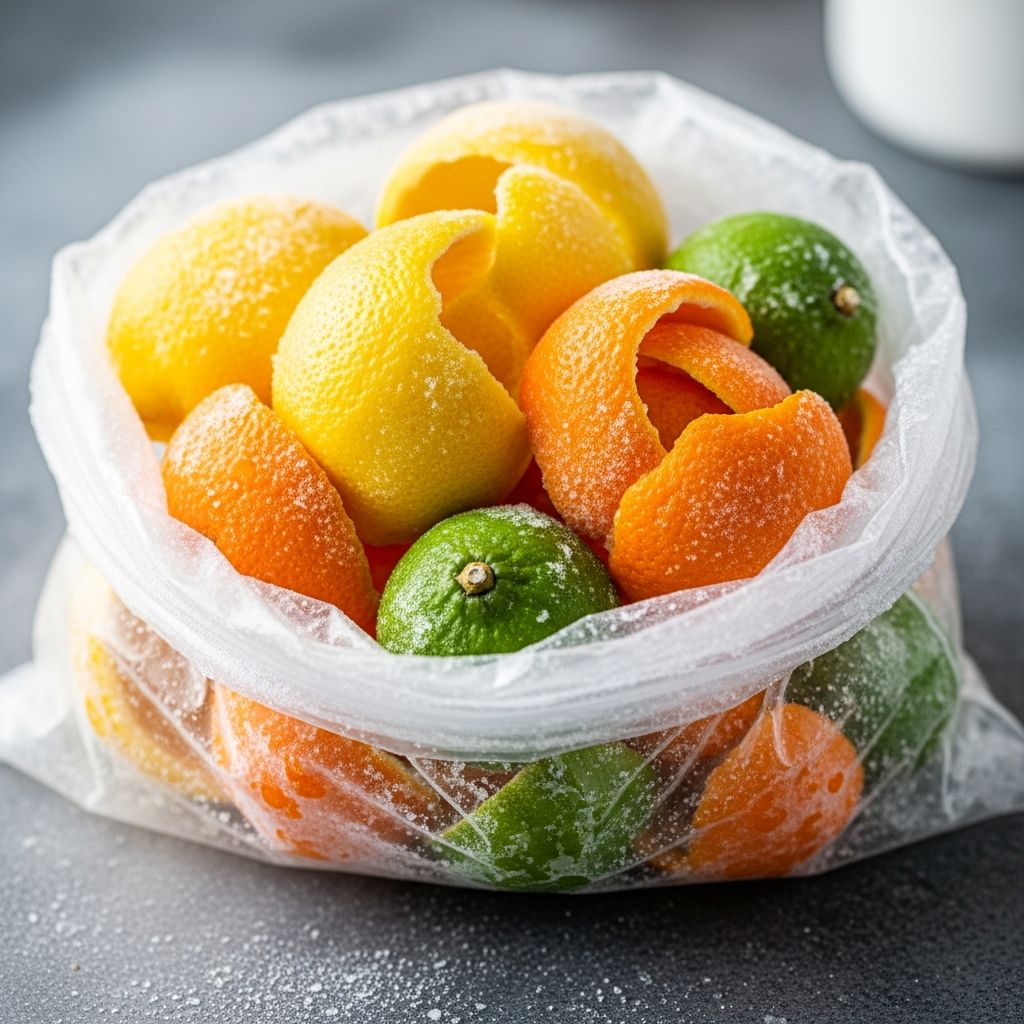
Citrus peels are packed with intense oils and aromas that elevate dishes, yet they often end up discarded after juicing. Freezing these peels preserves their potency, allowing you to infuse brightness into recipes anytime. This guide explores effective freezing methods, versatile applications, and storage best practices drawn from trusted preservation experts.
Why Citrus Peels Deserve a Spot in Your Freezer
The outer layer of citrus fruits like lemons, limes, oranges, and grapefruits contains essential oils responsible for their signature scents and flavors. These compounds remain viable when frozen properly, outlasting fresh peels that dry out or lose potency within days. Freezing prevents waste, especially during peak citrus seasons when abundance leads to excess.
Nutritionally, peels offer antioxidants, vitamins, and fiber not found in the juice alone. Incorporating them into meals boosts health benefits while reducing food waste. Preservation techniques ensure these assets stay accessible for marinades, desserts, beverages, and savory dishes year-round.
Selecting the Best Citrus for Freezing
Choose firm, heavy fruits free from blemishes or soft spots for optimal peel quality. Tree-ripened varieties yield the most flavorful peels. Organic options minimize pesticide residues, ideal for direct culinary use.
- Lemons and limes: Thin-skinned for easy zesting; high acidity preserves well.
- Oranges and grapefruits: Thicker peels suit candying or infusing after freezing.
- Exotics like makrut limes: Leaves and peels both freeze effectively for aromatic dishes.
Step-by-Step Guide to Preparing Citrus Peels
Proper prep is crucial to avoid bitterness from the white pith. Wash fruits thoroughly under running water, scrubbing gently if needed.
- Zest finely: Use a microplane grater for fluffy zest or a vegetable peeler for wide strips, avoiding the bitter pith.
- Portion wisely: Grate into small mounds or strips matching recipe needs, like 1 tablespoon per batch.
- Flash freeze: Spread zest on a parchment-lined tray to solidify individually, preventing clumping.
For whole peels post-juicing, pat dry and wrap tightly to exclude air.
Freezing Techniques for Maximum Freshness
Different formats suit various uses. Here’s a comparison of methods:
| Method | Best For | Storage Time | Pros | Cons |
|---|---|---|---|---|
| Grated Zest in Containers | Baking, dressings | 6-12 months | Easy measuring; retains oils | May clump if not flash-frozen |
| Peel Strips Wrapped | Infusions, candying | Up to 1 year | Versatile large pieces | Requires tight wrapping |
| Zest in Juice Cubes | Soups, cocktails | 8-10 months | Flavor boost; portioned | Juice may separate |
| Dehydrated Powder | Spice rubs, teas | Indefinite | Compact; long shelf life | Loss of fresh aroma |
Pack grated zest into ice cube trays with a splash of juice for enhanced preservation, then transfer to bags. Wide peels wrap in plastic, then freezer bags, squeezing out air.
Creative Ways to Use Frozen Citrus Peels
Frozen peels thaw quickly at room temperature or directly in hot preparations.
- Beverages: Muddle thawed zest into cocktails or steep in teas for natural flavoring.
- Baking: Add to muffin batters, cookies, or pie crusts for zing without grating fresh.
- Savory dishes: Simmer strips in sauces, stews, or rice for subtle brightness.
- Infusions: Steep peels in vinegars, oils, or alcohols for homemade extracts.
Incorporate zest into compound butters by blending thawed portions with softened butter, herbs, and salt for grilling or bread.
Advanced Preservation Beyond Freezing
Complement freezing with complementary methods for variety.
- Candied peels: Simmer peels in syrup post-thaw, then dry for snacks or chocolate dips.
- Dehydrating: Slice thin and dry low-heat for powders or garnishes.
- Salt-preserving: Pack peels in salt for tangy additions to tagines or salads.
Juice freezes separately in cubes for precise dosing in recipes.
Storage Tips to Prevent Flavor Loss
Label bags with dates and contents. Maintain freezer at 0°F (-18°C) or below. Air exposure causes freezer burn, so double-bag or vacuum-seal. Thaw only what you need; refreezing compromises texture.
Monitor for off-odors or discoloration, discarding suspect batches.
Common Mistakes and How to Avoid Them
- Including pith: Bitter results; peel shallowly.
- Poor airtight sealing: Use straws to suck air from bags.
- Over-thawing: Use frozen directly in liquids.
- Ignoring portioning: Freeze in recipe-sized units.
Seasonal Citrus Preservation Calendar
| Month | Peak Citrus | Prep Focus |
|---|---|---|
| Winter | Lemons, Oranges | Zest heavy freezing |
| Spring | Limes, Grapefruit | Juice cubes, peels |
| Summer | Makrut leaves | Air-dry or freeze |
| Fall | All varieties | Stockpile for holidays |
Recipe Ideas Featuring Frozen Peels
Lemon Zest Pasta
Sauté garlic in olive oil, add thawed lemon zest from 2 fruits, toss with pasta, pasta water, parmesan, and herbs. Serves 4; ready in 15 minutes.
Orange Peel Chicken Marinade
Blend frozen orange peels, soy sauce, ginger, garlic, and honey. Marinate chicken overnight for grilled perfection.
Citrus Zest Sugar Scrub
Mix dried zest powder with sugar and coconut oil for an exfoliating, aromatic body treatment.
Frequently Asked Questions (FAQs)
Can I freeze peels from juiced citrus?
Yes, post-juicing peels freeze excellently if patted dry and wrapped tightly.
How long do frozen citrus peels last?
Up to 12 months at proper temperatures, maintaining flavor integrity.
Is zesting before freezing better than whole peels?
Zesting suits quick-use; whole peels for infusions—choose per need.
Can I use frozen peels in baking?
Absolutely; they release oils evenly as they thaw in doughs.
What if my freezer smells affect the peels?
Vacuum-seal or use dedicated freezer bins to isolate odors.
Environmental and Economic Benefits
Freezing peels cuts grocery bills by extending usability and reduces landfill waste. Home preservation aligns with sustainable eating, maximizing every fruit’s potential.
References
- After squeezing the juice, here’s how to freeze lemon peels — HeraldNet. 2018-07-11. https://www.heraldnet.com/2018/07/11/after-squeezing-the-juice-heres-how-to-freeze-lemon-peels/
- Seven Ways to Preserve Citrus (February 2025) — UC Master Food Preserver Program, University of California Agriculture and Natural Resources. 2025-02. https://ucanr.edu/program/uc-master-food-preserver-program/article/seven-ways-preserve-citrus-february-2025
- Freezing Citrus Fruits — National Center for Home Food Preservation, University of Georgia. N/A. https://nchfp.uga.edu/how/freeze/fruits/freezing-citrus-fruits/
Similar Articles





Read full bio of Sneha Tete