Selecting Premium Steaks for Dad’s Special Celebration
Master the art of choosing exceptional beef cuts to honor your father this season
Father’s Day provides an ideal occasion to express appreciation through a thoughtful culinary gift. Among the most memorable ways to honor the special men in your life is by preparing or gifting an exceptional steak. However, navigating the butcher counter can feel overwhelming without proper guidance. Understanding the distinct characteristics, flavor profiles, and cooking methods associated with different beef cuts transforms this decision into an informed and rewarding experience.
Understanding Steak Cut Fundamentals
Before exploring specific options, it helps to understand what distinguishes one steak from another. The location from which a cut originates on the animal determines its tenderness, fat content, and flavor intensity. Cuts from heavily exercised muscle groups tend to be leaner but require careful preparation, while sections that move less frequently develop more intramuscular fat, creating the marbling that produces juiciness and deep flavor.
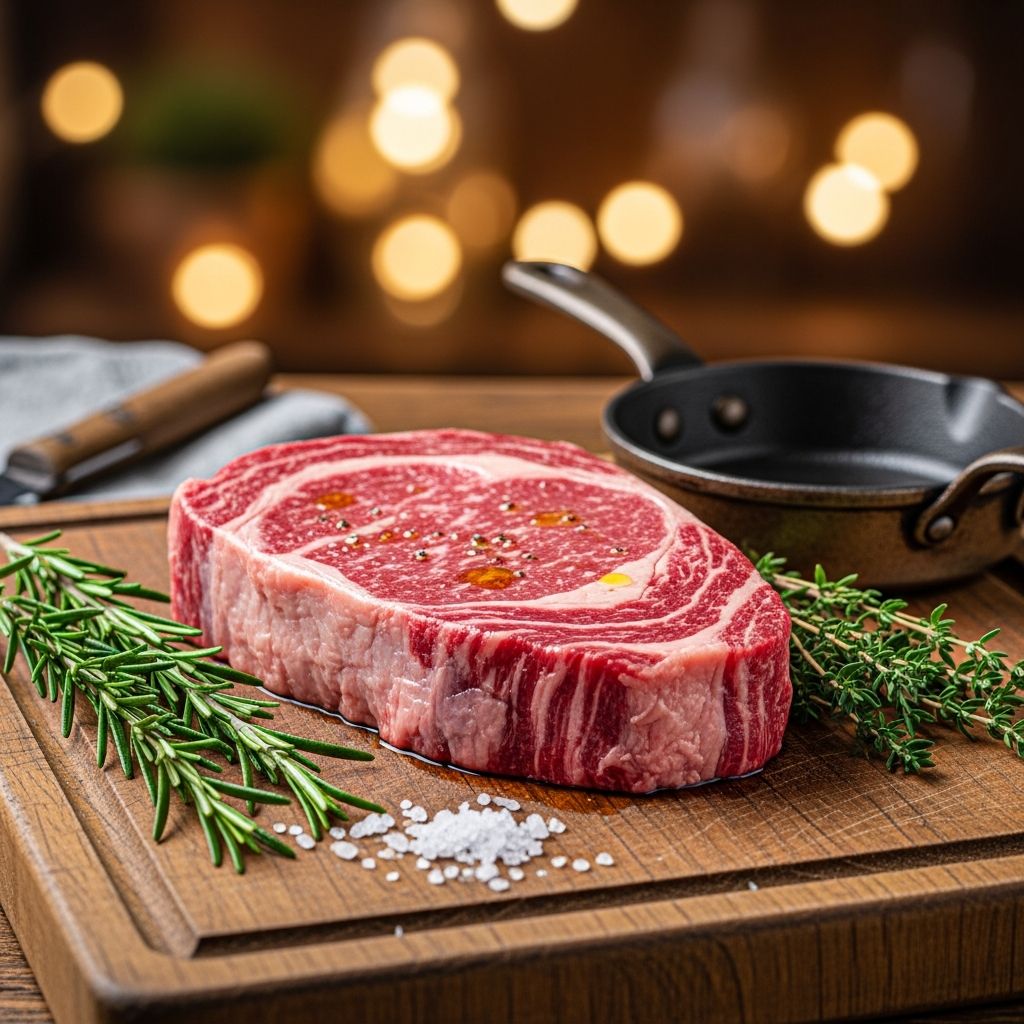
Marbling refers to the thin streaks of fat dispersed throughout the muscle tissue. This fat melts during cooking, enhancing flavor and keeping the meat moist. When examining steaks, look for consistent white lines running through the red muscle—this indicates a well-marbled, high-quality cut that will deliver superior taste and texture.
The Ribeye: A Timeless Classic for Discerning Palates
Among all premium cuts, the ribeye stands as one of the most celebrated choices for special occasions like Father’s Day. Cut from the rib section of the animal, this steak encompasses an ideal balance between muscle and fat. The abundant intramuscular marbling characteristic of ribeyes renders them remarkably tender while delivering rich, robust flavor that appeals to true beef enthusiasts.
Ribeyes excel when prepared using simple cooking methods that allow their natural qualities to shine. Whether grilled over open flame, seared in a cast-iron skillet, or broiled, this cut requires minimal seasoning beyond salt and pepper. The generous fat content self-bastes the meat during cooking, producing a caramelized exterior while maintaining a juicy interior.
For those seeking an even more impressive presentation, the bone-in French ribeye, sometimes called a cowboy chop, offers theatrical appeal alongside exceptional flavor. Featuring at least five inches of rib bone, this substantial cut impresses visually while delivering concentrated beef taste. Available in various weights from eight to fifteen ounces, ribeyes accommodate different appetite levels and preferences.
Filet Mignon: Elegance and Tenderness Combined
Filet mignon, also known as tenderloin steak, represents the epitome of tenderness in the beef world. This premium cut comes from the least-exercised portion of the animal, resulting in an exceptionally tender texture that melts on the palate. The subtle flavor profile, combined with a buttery consistency, makes filet mignon an excellent choice for fathers who appreciate refined dining experiences.
While filet mignon contains less marbling than ribeyes, its inherent tenderness compensates through textural excellence. This cut suits both charcoal and gas grilling, as well as oven roasting and pan-searing methods. The lean nature of this cut means it benefits from careful attention to temperature to prevent overcooking, which can result in a dry texture.
Filet mignon typically comes in smaller portions than other premium cuts, with three, six, and nine-ounce options available. This characteristic makes it ideal for pairing with elegant sides and sauces. Consider complementing filet mignon with rich preparations like béarnaise sauce or truffle butter to enhance its subtle flavors.
New York Strip: Balanced Flavor and Structure
The New York strip steak represents a middle ground between the heavily marbled ribeye and the lean filet mignon. Boneless, moderately lean, and distinctly tender, this cut delivers excellent flavor without overwhelming richness. The New York strip’s structure allows it to develop a beautiful crust when seared, while maintaining a tender, juicy interior.
This versatile cut performs admirably on the grill, where it develops a slightly charred exterior that contrasts with the tender meat inside. The New York strip appeals to fathers who prefer classic preparations and appreciate the straightforward, honest flavor of quality beef. Its consistent thickness allows for even cooking and predictable results, making it an excellent choice for home cooks of varying skill levels.
Sirloin: Flavor-Forward and Approachable
Top sirloin steaks offer remarkable versatility and genuine flavor at a more accessible price point than premium cuts. Moderately tender with distinctive beef character, sirloin works exceptionally well for family gatherings and casual grilling occasions. This cut shines when grilled whole or cut into chunks for kebab preparation with fresh vegetables.
The robust flavor of sirloin makes it particularly suitable for bold marinades and spice rubs. Fathers who enjoy adventurous grilling and experimentation with flavor combinations will appreciate sirloin’s compatibility with diverse preparations. This cut exemplifies the principle that exceptional Father’s Day meals need not always feature the most expensive options.
Specialized Cuts for the Adventurous Grillmaster
Beyond the conventional steakhouse cuts, several distinctive options deserve consideration for fathers with more expansive palates or those seeking something unexpected.
Tomahawk Steak
The tomahawk represents a visually stunning option that combines ribeye characteristics with impressive presentation. This substantial cut features a ribeye muscle with at least five inches of rib bone attached, creating a silhouette resembling an axe head. Rich marbling throughout renders the meat incredibly tender and flavorful. The extended bone enhances both flavor development during cooking and dramatic table presentation.
Flank Steak
For fathers who appreciate intense, concentrated beef flavor, flank steak delivers in spades. This crowd-pleasing cut cooks quickly and offers superb flavor when prepared correctly. Its leaner composition suits marinades well, and proper slicing against the grain yields tender, flavorful portions ideal for various applications from fajitas to steak salads.
Picanha
This Brazilian cut, popular among barbecue enthusiasts, offers a unique experience for adventurous dads. The picanha features a fat cap that protects the meat during cooking while rendering and basting it continuously. Its rich flavor and distinctive texture appeal to those seeking something beyond conventional steakhouse offerings.
Quality Considerations and Sourcing
The quality of beef dramatically influences the final eating experience. When possible, seek steaks from grass-fed and grass-finished cattle, which develop superior marbling patterns and more complex flavor profiles compared to grain-finished alternatives. Grass-fed beef also tends to contain higher levels of beneficial nutrients and omega-3 fatty acids.
Establish relationships with reputable butchers who can discuss animal sourcing, aging processes, and specific characteristics of available cuts. A knowledgeable butcher provides invaluable guidance tailored to your specific needs and cooking methods. Many specialty meat providers offer curated Father’s Day selections and bundles that simplify the decision-making process.
Sizing and Portion Planning
Steak thickness and weight significantly impact cooking results. Steaks should typically measure at least one inch thick to develop a proper crust while maintaining a perfectly cooked interior. Thinner steaks risk overcooking by the time the exterior develops color.
For portion sizing, consider that one pound of steak generally serves two to three people, depending on appetite levels and accompanying sides. Premium cuts like filet mignon and ribeye prove more satisfying than leaner options, meaning slightly smaller portions deliver greater satisfaction. Allowing steaks to rest at room temperature for thirty minutes before cooking promotes even cooking throughout.
Preparation and Cooking Fundamentals
Regardless of which cut you select, certain principles consistently yield superior results. Pat steaks completely dry before cooking to facilitate proper browning and crust development. Season generously with kosher salt and freshly ground black pepper shortly before cooking, as advance seasoning can draw moisture from the surface.
Achieve the best sear by using a sufficiently hot cooking surface and avoiding excessive movement of the meat. Whether grilling, broiling, or pan-searing, resist the urge to flip steaks frequently. One or two flips during cooking typically produces optimal results. Use a meat thermometer to monitor internal temperature, aiming for 125-130°F for medium-rare, the preferred doneness for most premium steaks.
Always allow cooked steaks to rest for five to ten minutes before serving. This resting period permits carryover cooking to complete gently and allows muscle fibers to relax, retaining juices within the meat rather than releasing them onto the plate.
Frequently Asked Questions About Father’s Day Steak Selection
What thickness should I choose?
Opt for steaks measuring at least one to one-and-a-half inches thick. This thickness provides sufficient time to develop a flavorful crust while achieving desired internal doneness without overcooking the center.
How long in advance should I purchase the steak?
Purchase steaks one to two days before cooking. If buying further in advance, freeze them in vacuum-sealed packaging and thaw overnight in the refrigerator before preparation.
What cooking method works best for different cuts?
Ribeyes and New York strips excel on the grill or under the broiler. Filet mignon suits pan-searing followed by oven finishing. Sirloin and flank work well on the grill with marinades. All premium cuts perform admirably on a quality stovetop skillet for those without grilling access.
Should I choose boneless or bone-in steaks?
Bone-in steaks offer enhanced flavor complexity and dramatic presentation, though boneless cuts cook more evenly. Personal preference and cooking expertise should guide this decision.
What sides complement premium steaks?
Classic pairings include roasted potatoes with rosemary, grilled asparagus with garlic, creamed spinach, and simple green salads. Allow the quality steak to remain the focal point rather than competing with elaborate sides.
Creating a Memorable Father’s Day Steak Experience
Selecting an exceptional steak represents just one element of creating a memorable Father’s Day celebration. Consider the complete dining context, including complementary beverages, appropriate plating, and a relaxed atmosphere that prioritizes enjoyment and connection. Whether you’re grilling outdoors with family or preparing an intimate dinner at home, thoughtful steak selection demonstrates genuine appreciation and respect for your father’s palate and preferences.
References
- The Perfect Cut of Steak for Father’s Day — ButcherBox. https://justcook.butcherbox.com/the-perfect-cut-of-steak-for-fathers-day/
- Guide to Best Steaks for Father’s Day — Grassland Beef. https://discover.grasslandbeef.com/blog/guide-to-best-steaks-for-fathers-day/
- Father’s Day Steak and Beef Gifting Guide — Wellborn 2R Ranch. https://www.wellborn2rbeef.com/blogs/food-facts-tips/fathers-day-steak-and-beef-gifting-guide
- Our Picks for a Sizzlin’ Father’s Day — Wilders. https://wilders.com/blogs/news/our-picks-for-a-sizzlin-fathers-day
Similar Articles





Read full bio of medha deb