Plant-Based Peach Cobbler: A Southern Classic Reimagined
Master the art of creating a dairy-free Southern peach cobbler with golden, buttery results.
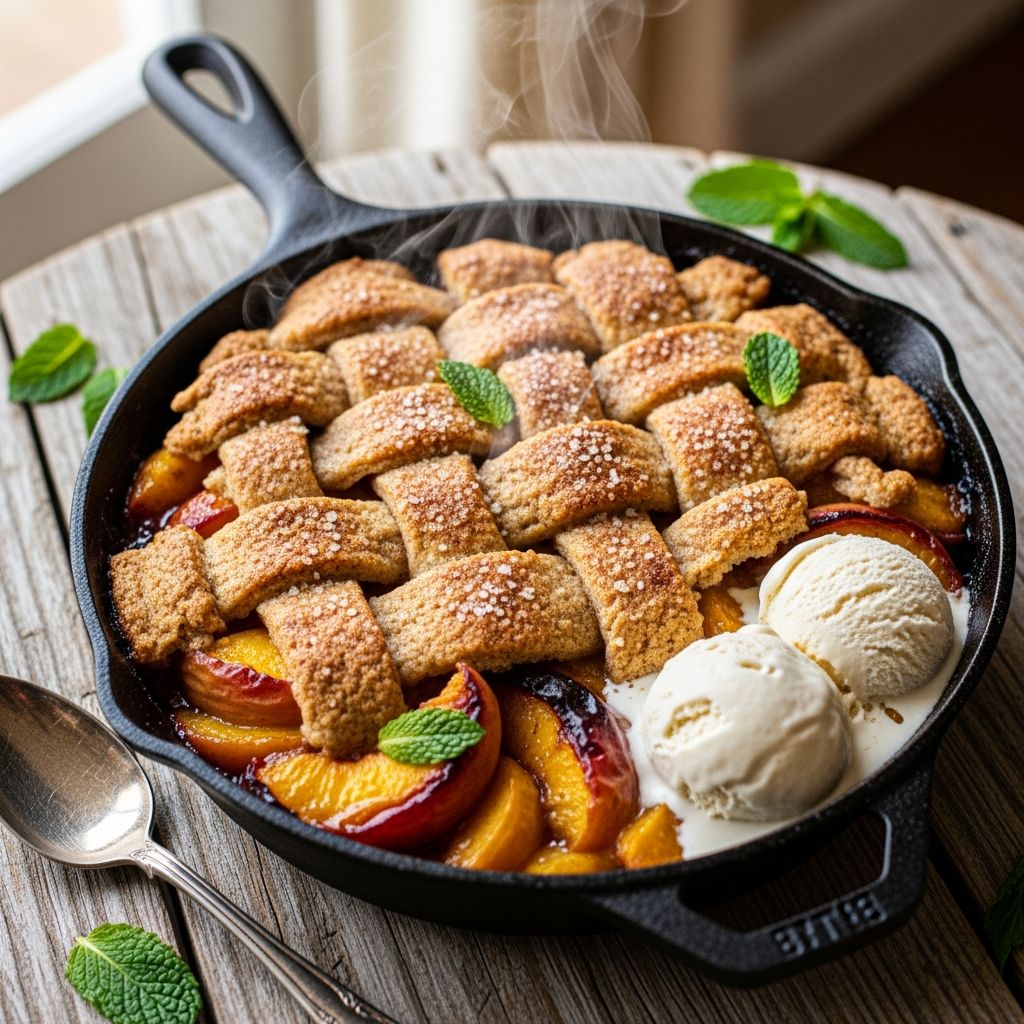
Southern dessert traditions have long celebrated the simple elegance of warm peach cobbler, a treat that brings together seasonal fruit with homemade biscuit-style toppings. The challenge for those following plant-based diets has been recreating this beloved classic without compromising on flavor, texture, or that nostalgic comfort-food appeal. A vegan Southern peach cobbler demonstrates that moving away from conventional dairy and egg ingredients doesn’t mean sacrificing authenticity or indulgence. Instead, thoughtful substitutions and proper technique can yield results that satisfy both longtime cobbler enthusiasts and those new to plant-based baking.
Understanding the Foundation: Core Components of Traditional Cobblers
Before diving into plant-based adaptations, it’s worth understanding what makes a peach cobbler truly Southern. The essential elements include a filling of tender, juicy peaches suspended in a lightly spiced sauce, topped with a biscuit-like crust that achieves a golden-brown exterior while remaining soft and slightly caramelized underneath. The balance between these components determines whether the final dessert feels like a celebration or falls flat. The fruit should retain some integrity rather than becoming a completely homogeneous mush, while the topping needs enough structure to hold together yet enough moisture to provide that melt-in-your-mouth quality.
The challenge with vegan interpretations lies in replacing the binding agents and enriching components that traditionally come from eggs and butter. However, modern plant-based cooking has developed reliable alternatives that perform remarkably similarly to their conventional counterparts. Understanding how these alternatives function at a chemical level helps bakers make informed decisions about which options work best for their specific recipes.
Selecting and Preparing Your Peaches
The quality and preparation of peaches form the foundation of an exceptional cobbler. Whether you choose fresh, frozen, or canned peaches depends on availability, seasonality, and personal preference. Fresh peaches at peak ripeness offer the most vibrant flavor and attractive appearance, though they require careful selection and handling. Frozen peaches provide excellent results year-round and offer the advantage of being pre-sliced and pitted, saving significant prep time. Canned peaches work well for those seeking convenience, though their softer texture may require adjustment to thickening agent amounts.
Preparation techniques vary depending on peach type. For fresh peaches, gentle blanching in boiling water for 30-60 seconds followed by an ice bath makes skin removal straightforward. Alternatively, some prefer leaving skins on for added fiber and texture. Frozen peaches should be thawed completely and any excess liquid drained before assembly. This step prevents a watery filling that can result in a soggy cobbler base.
One critical but often overlooked step involves properly coating peaches with thickening agents before baking. Cornstarch and arrowroot powder work exceptionally well, creating a velvety sauce that neither becomes gluey nor remains runny. The general ratio is approximately one tablespoon of starch per three cups of sliced peaches, though adjustments may be necessary depending on peach juiciness. When using frozen peaches, dusting them lightly with flour before adding starch helps prevent the filling from becoming overly thick.
Crafting the Batter: Vegan Substitutions That Deliver Results
The cobbler topping requires careful attention to ingredient selection and proportions. A successful vegan batter balances leavening agents, fat, liquid, and dry ingredients to create a texture that rises slightly while maintaining structural integrity throughout baking.
Fat Selection and Function
Vegan butter serves as the primary fat component, contributing richness, texture, and the desirable golden-brown color when properly applied. Melted vegan butter incorporates more evenly into wet ingredients than solid fat, creating a smooth batter with consistent moisture distribution. Using a high-quality vegan butter formulated for baking yields superior results compared to lower-quality alternatives, which may contain additives that negatively affect browning or taste.
Oil-based alternatives, including coconut oil and neutral oils like canola or grapeseed oil, can substitute for vegan butter in roughly equal quantities. These create slightly crispier exteriors and slightly less rich flavor profiles. A combination approach—using both melted vegan butter and a small amount of oil—offers a middle ground that delivers both richness and textural interest.
Binding and Leavening Strategies
Baking powder represents the primary leavening agent in vegan cobbler batters, typically used at one to two teaspoons per cup of flour. This promotes rise and light, airy texture. Baking soda may appear in recipes when acidic ingredients like plant-based milk or vinegar are included, as it reacts with these components to create additional lift. The timing of mixing proves important—overmixing develops gluten strands that can make the topping tough and dense, while undermixing leaves pockets of dry flour. The ideal consistency resembles cookie dough: thick enough to hold shape when spooned over fruit but thick enough to spread across the surface with a spatula.
Liquid Components Beyond Simple Milk
Plant-based milk provides the primary liquid component but contributes more than just moisture. Unsweetened varieties prevent unnecessary sweetness, as sugar appears in other batter components. The choice between options like soy, oat, almond, or coconut milk slightly influences flavor and texture but rarely makes a decisive difference. Some recipes incorporate additional vanilla extract or small amounts of lemon juice to brighten flavors and complement the peach base.
Achieving the Signature Golden-Brown Top
A traditional egg wash creates a shiny, well-browned biscuit top, a characteristic that home bakers often seek to replicate. Since vegan cobblers eliminate eggs, several alternative approaches achieve comparable visual results. A simple mixture of plant-based milk with a small amount of maple syrup or agave nectar brushed across the topping before baking creates an appealing sheen and enhanced browning. Some bakers prefer a light coconut milk wash, which offers richness while promoting that desirable golden color. Others sprinkle granulated or coconut sugar across the unbaked surface, creating textural interest and slight caramelization as the cobbler bakes.
Oven temperature and baking duration significantly impact browning success. A 350-375 degree Fahrenheit setting provides gentle, consistent heat that allows the interior to cook through while browning the exterior. The cobbler is finished when the crust achieves a light to medium golden-brown color and juices visibly bubble around the edges, typically requiring 30-40 minutes depending on oven characteristics and peach thickness.
Flavor Development: Spices and Seasonings
Warm spicing defines the Southern cobbler experience. Cinnamon forms the foundation, appearing in both the fruit filling and batter at roughly one-half to one teaspoon quantities. Nutmeg offers complementary warmth and subtle earthiness, typically used more sparingly at one-quarter to one-half teaspoon. Some traditional recipes include cardamom, ginger, or cloves for additional complexity, though restraint prevents overpowering the delicate peach flavor.
Salt plays a crucial but easily overlooked role in dessert recipes, enhancing perceived sweetness and balancing flavors. A quarter to half teaspoon of sea salt in the batter and a small pinch in the fruit filling amplifies overall flavor perception without creating noticeably salty taste.
Vanilla extract, whether traditional or alcohol-free varieties, adds subtle background complexity and aroma. Some cooks experiment with almond extract at a quarter to half teaspoon, which creates intriguing depth without becoming obvious to tasters. Lemon zest offers brightness, though this should be used judiciously to maintain peach as the dominant flavor.
Practical Guidance: Ingredient Substitutions and Ratios
| Ingredient | Standard Option | Alternative 1 | Alternative 2 |
|---|---|---|---|
| Fat Component | Vegan Butter (melted) | Coconut Oil | Neutral Oil + Vegan Butter Mix |
| Plant-Based Milk | Unsweetened Soy Milk | Oat Milk | Almond or Cashew Milk |
| Leavening Agent | Baking Powder (1.5 tsp per cup flour) | Baking Powder + Baking Soda | Combination with Acidic Ingredient |
| Thickening Agent | Cornstarch | Arrowroot Powder | Potato Starch |
| Sweetening | Granulated Cane Sugar | Coconut Sugar | Maple Sugar or Date Sugar |
Assembly and Baking Process
Proper assembly ensures even cooking and optimal texture development. Begin by preheating the oven to the specified temperature, allowing adequate time for heat distribution. A lightly greased eight-by-eight-inch, nine-by-thirteen-inch, or two-quart baking dish provides appropriate vessel options; size selection influences baking duration and filling depth slightly.
Layer prepared peaches with starch and sugar in the baking dish bottom, stirring gently to distribute thickening agents evenly. Prepare the batter separately using a whisk to combine dry ingredients before folding in wet components. Spread or spoon the thick batter across the fruit surface; it need not cover completely as some fruit showing through creates an attractive presentation. The batter expands during baking, eventually covering most exposed fruit.
Bake until the topping achieves desired browning and visible bubbling appears at the dish edges, indicating the filling reaches proper cooking temperature. A simple visual check—the crust should appear golden and firm to gentle touch—provides reliable doneness assessment without requiring thermometers or other tools.
Frequently Asked Questions
Can I prepare this cobbler in advance?
Yes, assembled cobblers can be refrigerated up to 24 hours before baking. Add approximately 5-10 minutes to baking time when starting from a cold state. Alternatively, baked cobblers store well at room temperature for 2-3 days, reheating beautifully in a 300-degree oven for 10-15 minutes.
What if my cobbler filling seems too runny after baking?
This typically indicates insufficient thickening agent or excessive peach juice. For future batches, increase starch by one-quarter to one-half teaspoon or drain additional liquid from peaches before assembly. Baking slightly longer in a marginally hotter oven may also improve filling consistency.
How do I achieve a crispier cobbler topping?
Brush the unbaked batter surface with a small amount of oil before baking, then dust lightly with sugar. Increase oven temperature by 25 degrees while monitoring closely to prevent over-browning. Coconut oil in the batter contributes to crispier texture compared to vegan butter alone.
Is this recipe naturally gluten-free?
No, as written it contains wheat flour. However, all-purpose flour substitutes directly with certified gluten-free all-purpose flour blend in equal quantities, provided the blend contains xanthan gum. Baking dynamics remain virtually identical.
What serving suggestions complement vegan peach cobbler?
Dairy-free whipped cream or coconut whipped cream provides classic textural contrast. Vanilla ice cream made from plant-based milk offers temperature contrast and richness. A simple drizzle of maple syrup or dusting of powdered sugar adds visual appeal. Some prefer enjoying the cobbler unadorned while it’s still warm from the oven.
Troubleshooting Common Issues
Pale, unappealing topping results from insufficient browning, typically caused by oven temperature that’s too low or baking duration too short. Using a vegan butter wash with maple syrup before baking helps achieve better color. Alternatively, broiling the finished cobbler for one minute under medium broil settings creates additional browning, though careful monitoring prevents burning.
Dense, heavy topping results from overmixing batter or using too much liquid. Measure ingredients by weight when possible for consistency, mix just until combined, and verify plant-based milk volume before incorporating. Dense results also occur when baking powder is old or ineffective; replace if your pantry version is more than six months old.
Overly thick filling indicates either too much thickening agent or inadequate peach juice. Remember that starch thickens as the cobbler cools, so slightly thinner filling during baking results in optimal consistency at serving time. If filling remains runny after cooling, extra starch was likely insufficient; note this for future batches.
Final Thoughts on Plant-Based Cobbler Excellence
Creating a satisfying vegan Southern peach cobbler requires understanding fundamentals rather than simply substituting ingredients without thought. The most successful results come from home bakers who recognize that plant-based alternatives perform differently than conventional ingredients, requiring adjusted expectations and sometimes modified techniques. With attention to ingredient quality, proper preparation methods, and honest assessment of results, anyone can produce a cobbler that honors Southern culinary traditions while respecting plant-based dietary choices. Each attempt teaches valuable lessons about how ingredients interact, helping subsequent bakes become progressively more refined and personally customized.
References
- Vegan Peach Cobbler — Orchids + Sweet Tea. 2024. https://www.orchidsandsweettea.com/vegan-southern-maple-peach-cobbler/
- Easy Vegan Peach Cobbler — Nora Cooks. 2024. https://www.noracooks.com/vegan-peach-cobbler/
Similar Articles





Read full bio of medha deb