Plant-Based Burger Guide: Black Beans and Quinoa
Discover how to create protein-rich, satisfying vegetarian burgers using wholesome ingredients
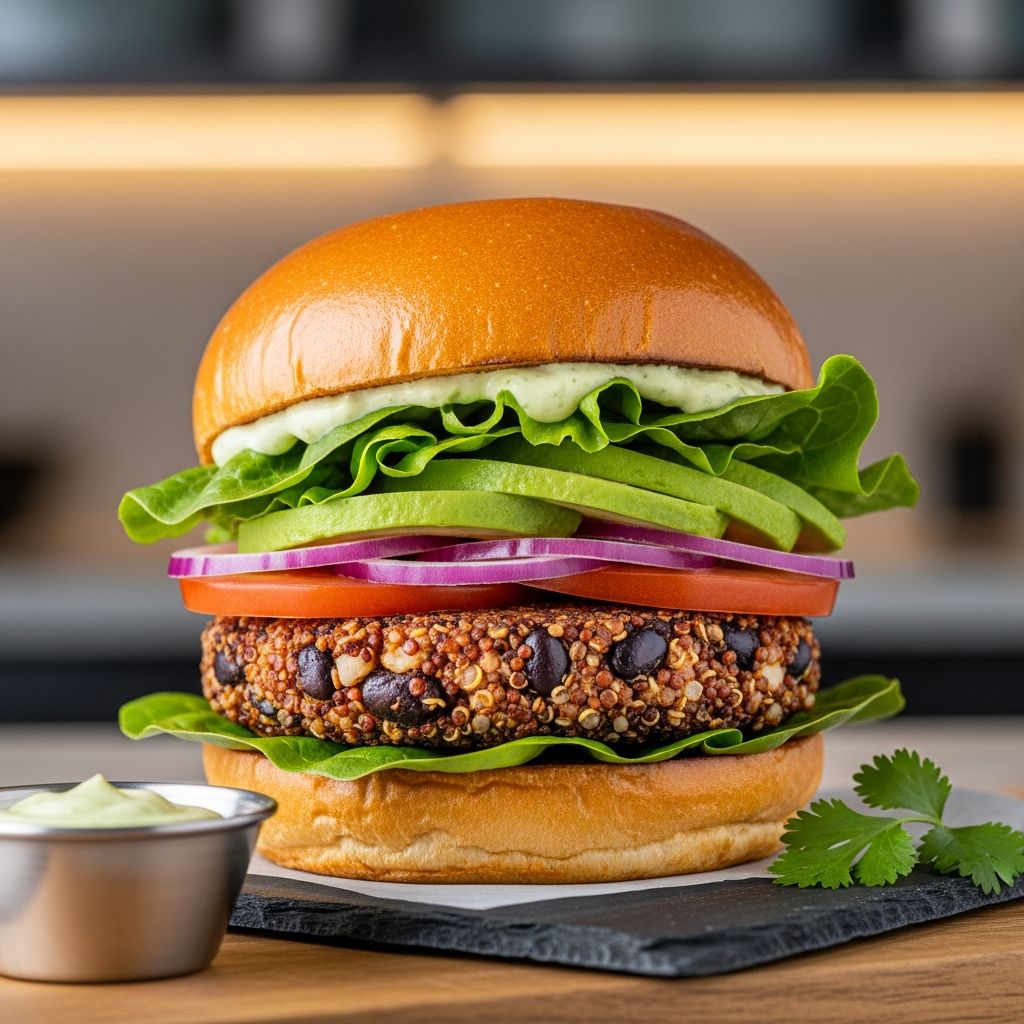
The modern approach to vegetarian cuisine has evolved significantly, with plant-based burgers becoming a mainstream dining option rather than a niche alternative. A combination of black beans and quinoa creates a foundation for burgers that deliver both nutritional completeness and exceptional taste. These ingredients work synergistically to produce patties that hold together well during cooking while providing substantial protein and fiber content.
Understanding Your Core Ingredients
Black beans serve as more than just a flavor base for these burgers. They contribute a dense, earthy foundation that creates natural binding properties due to their starch content. When properly mashed, black beans provide structural integrity to burger patties, reducing the need for excessive binders. Additionally, black beans are recognized as an excellent source of plant-based protein and dietary fiber, supporting digestive health and sustained satiety.
Quinoa, often classified as a complete protein grain, contains all nine essential amino acids necessary for human nutrition. This ancient seed brings a subtle nutty flavor and slightly fluffy texture to the burger mixture. When cooked properly and cooled before incorporation, quinoa prevents the patties from becoming too dense, creating a more pleasant mouthfeel. The combination of these two ingredients ensures your burgers provide comprehensive nutritional support beyond what traditional beef burgers offer.
Preparing Your Ingredients for Success
Quinoa Preparation Techniques
Starting with properly cooked quinoa is essential for burger success. For those using uncooked quinoa, the standard ratio involves combining one part quinoa with two parts liquid, whether vegetable broth or water. Bring the liquid to a boil, then reduce heat to maintain a gentle simmer. Cover and cook for approximately fourteen minutes, then allow the quinoa to rest while covered for an additional five minutes. After this resting period, fluff the quinoa with a fork to separate the grains.
Cooling the cooked quinoa before mixing with other ingredients prevents excess moisture from compromising the burger mixture’s consistency. Many cooks find it convenient to prepare quinoa in advance, allowing it to cool completely in the refrigerator before burger assembly. This advance preparation also allows for flexibility in meal planning, as cooled quinoa maintains its quality for several days when properly stored in an airtight container.
Black Bean Processing
Whether using canned or freshly cooked black beans, thorough rinsing and draining prove critical. Canned beans contain excess sodium and starch that can negatively affect the burger mixture’s texture and binding capacity. Drain beans in a fine-mesh sieve under cool running water, using gentle pressure to remove accumulated liquid without crushing the beans.
Mashing black beans requires patience and attention. Using a potato masher or sturdy fork, work through the beans until they reach a paste-like consistency. Some whole beans may remain visible, which is acceptable and actually preferable to over-processing, which can create an excessively thick, sticky mixture. The goal is a partially mashed texture that still contains some discernible bean pieces, creating structural variety within the patty.
Building Your Burger Mixture
Essential Binding Components
Bread crumbs serve a vital function in burger construction. Traditional plain dried bread crumbs work effectively, though panko bread crumbs create a slightly lighter texture. For those following gluten-free diets, certified gluten-free bread crumbs maintain the same binding function. The bread crumbs absorb excess moisture while helping bind ingredients together during cooking.
Many recipes incorporate additional binding agents such as arrowroot or small amounts of flour. These additions prevent excessive moisture from causing patties to fall apart during cooking. If your mixture appears too wet after combining all ingredients, gradually add small amounts of bread crumbs until achieving the desired consistency—a mixture that holds together when squeezed but doesn’t feel overly dry.
Flavor Development Strategy
Aromatic vegetables including onions and garlic form the flavor backbone. Some recipes call for raw, finely minced aromatics, while others benefit from pre-sautéing these vegetables to develop deeper, caramelized flavors. Pre-cooking aromatics requires just a few minutes in a small amount of oil over medium heat, concentrating their natural sugars and creating more complex flavors. Allow these to cool completely before incorporating into the burger mixture to prevent cooking other ingredients.
Spice selection dramatically influences the final burger character. Common choices include paprika for subtle smokiness, cumin for earthiness, chili powder for gentle heat, and garlic powder for depth. Sun-dried tomatoes add concentrated tomato flavor and pleasant texture variation. Cilantro or parsley contributes fresh brightness that contrasts with heavier components. Salt should be added judiciously, as some ingredients already contain sodium.
Optional Enhancement Additions
Cheese additions create richer burgers with improved binding properties. Cheddar cheese, in particular, melts slightly during cooking and helps hold patties together. For vegan preparations, nutritional yeast provides a subtle cheese-like flavor without animal products. Shredded carrots add both flavor and moisture-management properties through their natural fiber content. Walnuts or mushrooms can be finely chopped and incorporated for additional umami depth and varied texture.
Assembly and Chilling Process
After combining all ingredients, many recipes recommend refrigeration for at least thirty minutes, though overnight chilling is acceptable. This resting period allows starches to absorb excess moisture and ingredients to bond more effectively. Cold burger mixtures hold together better during the initial cooking stages, reducing the risk of patties falling apart.
Forming patties requires a light touch. Using your hands, gently compress approximately one-half cup of mixture into a patty roughly three-quarters of an inch thick. Patties that are too thin will cook too quickly and risk drying out; those too thick may not cook through properly. Consistent sizing ensures even cooking across all burgers. Some cooks find using a measuring cup as a mold helpful for achieving uniform patties.
Cooking Methods Comparison
Pan-Frying Approach
Pan-frying offers direct heat control and visual feedback during cooking. Heat a large skillet over medium-high heat with a light coating of oil—avocado oil, olive oil, or coconut oil all work effectively. Once the oil reaches medium temperature, carefully place patties into the pan, ensuring adequate spacing for flipping. Cook for approximately five minutes per side until the external surface develops a golden-brown crust while the interior remains moist. The key involves resisting the urge to flip prematurely; allow sufficient time for a crust to form, which provides structural stability for the second side.
Baking Method
Oven-baking provides a hands-off approach suitable for preparing multiple burgers simultaneously. Preheat your oven to four hundred degrees Fahrenheit. Arrange patties on a parchment-lined or lightly oiled baking sheet with adequate spacing between each burger. Bake for approximately seven minutes, then carefully flip each patty using a thin spatula. Continue baking for another seven to nine minutes until the exterior achieves a golden-brown appearance and the internal temperature reaches at least one hundred sixty-five degrees Fahrenheit when measured with a meat thermometer.
Grilling Application
Grilling imparts distinctive smoky flavors while creating appealing grill marks. Preheat your grill to medium-high heat and lightly oil the grates to prevent sticking. Grilling typically requires three to four minutes per side for patties of standard thickness. Monitor carefully to prevent excessive charring, which can mask the delicate flavors of the bean and quinoa components. Grill pans designed for indoor use offer an excellent alternative for those without outdoor grilling facilities.
Nutritional Benefits and Dietary Considerations
Plant-based burgers constructed from black beans and quinoa offer considerable nutritional advantages. Each burger typically provides eight to twelve grams of protein, supporting muscle maintenance and tissue repair. The dietary fiber content promotes digestive health and helps maintain stable blood sugar levels throughout the day. Iron content from black beans supports oxygen transport, while minerals including magnesium and phosphorus contribute to bone health and energy metabolism.
These burgers accommodate various dietary needs including vegetarian, vegan, and gluten-free requirements. Egg-free versions work effectively when adequate binding alternatives exist. For those requiring sodium restriction, using unsalted broth and controlling added salt allows for personalized preparation suited to individual health considerations.
Serving Suggestions and Accompaniments
While traditional hamburger buns work acceptably, consider whole-grain varieties for increased nutritional value and sustained energy. Lettuce wraps offer a lower-carbohydrate alternative while maintaining structural integrity. Toasted English muffins or hearty bread slices provide interesting textural and flavor variations.
Complementary toppings enhance the burger experience. Fresh vegetables including tomato slices, red onion, lettuce, and avocado add crispness and nutritional variety. Condiments such as cilantro-lime mayo, chipotle mayo, or simple mustard complement the bean and grain flavors. Pickled vegetables introduce brightness that contrasts with earthy burger components.
Storage and Make-Ahead Strategies
Prepared burger patties maintain quality when refrigerated for up to three days in an airtight container. For extended storage, freeze patties for up to three months by arranging them on a baking sheet, freezing until solid, then transferring to freezer bags. Frozen patties can transition directly to cooking without thawing, requiring only slightly extended cooking time.
The burger mixture itself keeps refrigerated for two to three days before forming into patties. This flexibility allows for meal planning that fits various schedules. Prepare the mixture in larger batches, then portion as needed throughout the week for quick meal assembly.
Troubleshooting Common Challenges
| Challenge | Cause | Solution |
|---|---|---|
| Patties fall apart during cooking | Insufficient binding or inadequate chilling | Add more bread crumbs and refrigerate mixture for at least 30 minutes before cooking |
| Dry, bland burgers | Insufficient seasoning or over-cooking | Taste mixture before cooking and adjust spices; monitor cooking time carefully |
| Dense, heavy texture | Over-mashing black beans or too much binder | Leave some whole beans visible; use measured amounts of bread crumbs |
| Uneven browning | Uneven heat or inconsistent patty thickness | Ensure consistent patty size and maintain steady cooking temperature |
Variations and Creative Adaptations
The foundation of black beans and quinoa allows for numerous creative adaptations. Mediterranean versions incorporate sun-dried tomatoes, Kalamata olives, and oregano. Asian-inspired variations feature ginger, sesame seeds, and soy sauce-based seasonings. Southwestern preparations emphasize cumin, chili powder, and cilantro with jalapeño additions. Each adaptation maintains the nutritional integrity while offering distinct flavor profiles suited to different culinary preferences.
Frequently Asked Questions
Can I prepare burgers without using canned black beans?
Yes, dried black beans can be soaked and cooked according to package directions. Ensure they’re completely cooled before incorporating into the mixture. Pre-cooked frozen black beans also work effectively when thawed and thoroughly drained.
Are these burgers suitable for freezing?
Absolutely. Freeze uncooked patties on baking sheets before transferring to freezer bags, or freeze cooked patties in airtight containers. Thawed burgers cook the same as fresh ones, though frozen patties can go directly to the skillet or oven.
What egg-free alternatives work for binding?
Flax eggs (one tablespoon ground flaxseed mixed with three tablespoons water), aquafaba, or additional bread crumbs all provide binding properties in egg-free preparations.
Can I double this recipe?
Yes, simply multiply ingredients proportionally. Maintain the same ingredient ratios to ensure consistent results when scaling up.
References
- Nutritional Composition and Health Benefits of Quinoa — Journal of the American College of Nutrition, Vaya Foods Research Institute. 2023. https://www.jacn.org/
- Black Beans: Nutrition and Dietary Impact — United States Department of Agriculture Nutrient Database. 2024-06-15. https://fdc.nal.usda.gov/
- Plant-Based Protein and Amino Acid Completeness — Academy of Nutrition and Dietetics Evidence Analysis Center. 2024. https://www.eatrightpro.org/
- Legume-Based Food Products: Processing and Nutritional Quality — International Journal of Food Sciences and Nutrition. 2023-03-22. https://www.tandfonline.com/
- Dietary Fiber and Digestive Health — National Institutes of Health, U.S. National Library of Medicine. 2024-02-10. https://pubmed.ncbi.nlm.nih.gov/
Similar Articles



Read full bio of Sneha Tete