Pickled Watermelon Rinds: Complete Pickling Guide
Transform watermelon scraps into tangy, crunchy pickles with simple techniques
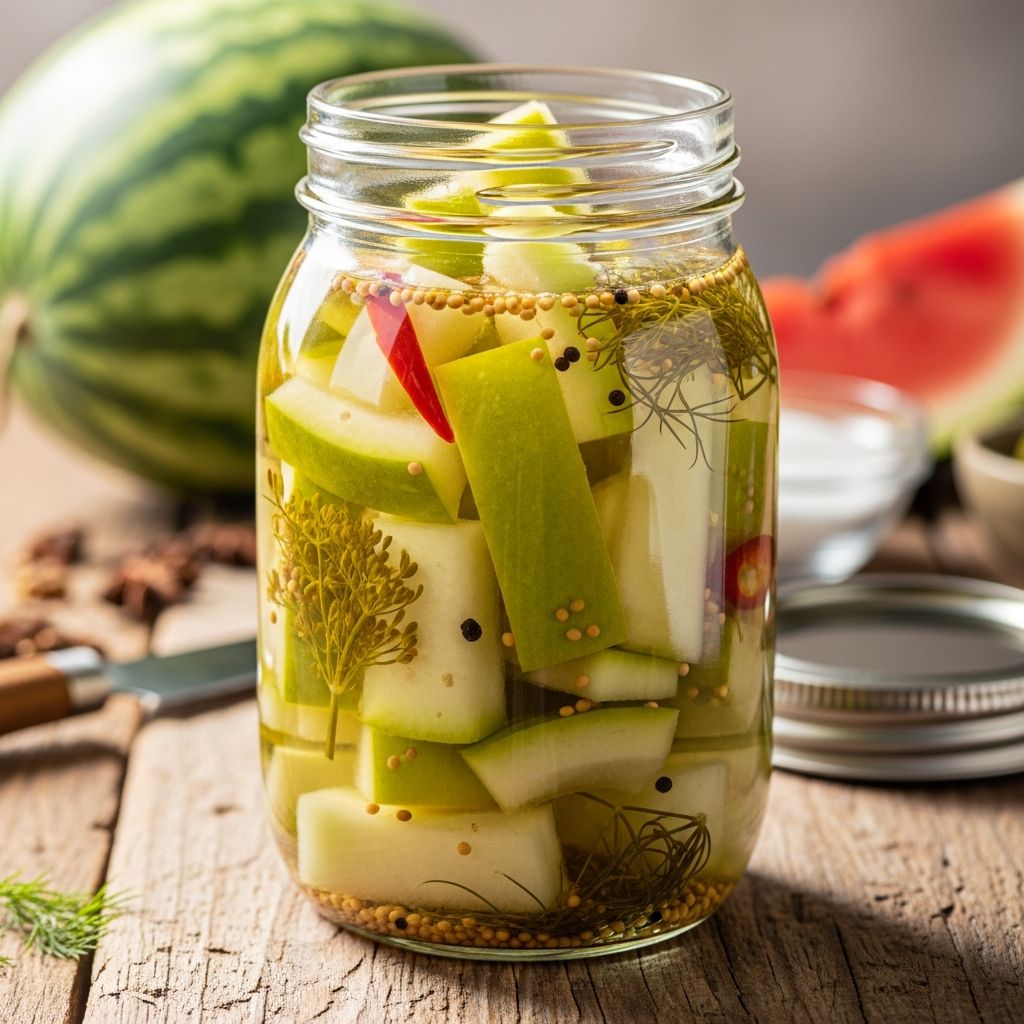
When you bite into a juicy watermelon on a warm summer day, the rind often ends up discarded in the compost bin. However, this humble outer layer represents an opportunity to create a delightful, tangy condiment that transforms a culinary byproduct into something genuinely delicious. Pickled watermelon rinds have become increasingly popular among home cooks and sustainable food enthusiasts who recognize both their culinary potential and their role in reducing kitchen waste.
The practice of pickling watermelon rinds is not new; it represents a long-standing tradition of food preservation that dates back generations, particularly in Southern and European cuisines. The technique combines simple ingredients—vinegar, salt, spices, and time—to create a shelf-stable preserve that delivers complex flavors in every crisp bite. Whether you’re looking to minimize food waste, explore traditional preserving methods, or simply discover an exciting new condiment for your pantry, pickled watermelon rinds offer a rewarding culinary project.
Understanding Your Primary Ingredient: The Watermelon Rind
The foundation of any successful pickled watermelon rind project begins with understanding the ingredient itself. Unlike many preserved vegetables that you can purchase pre-prepared, watermelon rinds require advance preparation since they’re not typically sold separately at grocery stores. This means your journey begins with selecting and preparing a whole watermelon.
Selecting and Preparing the Rind
Start by purchasing a whole watermelon of your choice. The size matters less than the thickness of the rind; a watermelon with a thicker rind will yield more usable material. After enjoying the sweet red flesh, you’ll be left with the rind portion—the thick green outer skin plus the white and pale green interior flesh beneath it.
To prepare your rind, use a sharp knife to slice the watermelon into manageable sections. Then, systematically remove the red flesh from the rind using careful cuts or a vegetable peeler. The goal is to retain approximately one-quarter inch of the pink flesh while removing as much of the deep red interior as possible. This balance ensures your pickles maintain structural integrity and desirable texture without excessive softness.
Next, address the exterior. Using a vegetable peeler or sharp knife, remove the dark green outer skin entirely. Some recipes recommend leaving a thin line of green for visual interest and authenticity, while others prefer complete removal. Both approaches are valid; your preference should guide this decision.
Cutting and Measuring
Once properly trimmed, cut the rind into uniform pieces. Most recipes call for either quarter-inch sticks measuring two to three inches long, one-inch cubes, or bite-sized chunks approximately the same dimensions as a traditional dill pickle spear. Uniform sizing ensures even pickling and consistent texture throughout your finished product. You’ll typically need between four to twelve ounces of prepared rind, depending on your desired batch size.
Developing Flavor: The Pickling Liquid Foundation
The pickling liquid represents the soul of your preserve. This aromatic brine infuses the watermelon rind with flavor while preserving it through acidity and salt. Understanding the components of effective pickling liquid allows you to customize recipes to match your taste preferences.
The Essential Components
Vinegar forms the acidic backbone of your pickling liquid. White vinegar provides a clean, neutral acidity, while cider vinegar contributes subtle apple undertones. Some recipes incorporate balsamic vinegar for deeper complexity. Rice vinegar offers lighter, slightly sweet notes ideal for milder flavor profiles. The choice of vinegar type fundamentally shapes the final taste of your pickles.
Salt serves dual purposes in pickling. Beyond seasoning, it draws out moisture from the watermelon rind through osmosis, creating the characteristic crisp texture associated with quality pickles. Most recipes specify kosher or sea salt rather than iodized table salt, which can cloud the brine and introduce metallic flavors.
Sugar appears in most traditional recipes, though some modern approaches omit it entirely. Sugar balances the sharp acidity of vinegar and salt, creating complexity and depth. However, no-sugar versions offer a more austere, purely savory profile that appeals to those reducing sugar consumption.
Water dilutes and distributes the salt and vinegar evenly throughout the brine. The ratio of water to vinegar influences the intensity of acidity and the final flavor balance. Recipes typically employ a one-to-one ratio, though variations exist depending on desired tartness.
Flavor Enhancement Through Spices
Beyond the foundational salt, vinegar, and sugar, spices transform pickled watermelon rinds from merely edible to genuinely crave-worthy. Consider these popular options:
- Cinnamon sticks: Deliver warmth and subtle sweetness, particularly popular in Southern-style preparations
- Whole cloves: Contribute spiced complexity and aromatic depth
- Pickling spice blend: Typically combines mustard seeds, peppercorns, coriander, and bay leaves
- Fresh dill: Provides herbaceous brightness and dill pickle flavor authenticity
- Garlic: Sliced or minced, garlic adds pungency and savory dimension
- Ginger: Fresh ginger introduces warm spice and subtle heat
- Red pepper flakes: Deliver gentle to moderate heat depending on quantity
- Bay leaves: Add subtle herbal background notes
- Lemon slices: Contribute brightness and additional citric acidity
Methodologies: Two Primary Approaches to Pickling
Home preservationists employ two distinctly different techniques when pickling watermelon rinds. Understanding each method helps you select the approach best suited to your kitchen setup, time availability, and desired texture outcome.
The Quick-Pickle Method
Quick-pickling represents the speediest path to homemade pickles. This method requires no special equipment beyond a glass jar and basic stovetop access. The process begins by preparing a vinegar brine using hot water, vinegar, salt, and optional sugar. This brine is heated until all solid components dissolve completely, creating a clear liquid.
Raw, unprepared watermelon rind pieces go directly into a clean glass jar alongside desired spices and aromatics. The hot brine is carefully poured over the rind, ensuring complete submersion. The jar is covered and allowed to cool to room temperature before transfer to refrigeration. Quick-pickled watermelon rinds develop flavor within hours and are typically ready for consumption within twenty-four hours.
The primary advantage of quick-pickling involves speed and simplicity. The disadvantage centers on shelf life; these pickles remain fresh for approximately two to three weeks in refrigeration rather than months. Additionally, the texture remains slightly firmer than cooked preparations, which some people prefer and others find less appealing.
The Traditional Brining and Cooking Method
Traditional pickling encompasses additional preparation steps that yield different textural and flavor results. This method typically begins with a salt-water soaking phase, where prepared rind pieces submerge in a concentrated salt brine overnight or for an extended period. This initial brining removes excess moisture and firms the rind’s structure.
After the soaking period, the rind is drained, rinsed, and placed in fresh water within a cooking vessel. The water is brought to a gentle boil and maintained for approximately fifteen minutes until the rind becomes tender and slightly translucent. This cooking step fundamentally alters texture, creating a more tender, chewy preserve compared to quick-pickled versions.
Simultaneously, a spiced vinegar syrup is prepared in a separate pot. This aromatic liquid is simmered to develop flavor and allow spices to infuse thoroughly. The cooked rind is then added to this simmering syrup and maintained at a gentle simmer for an additional fifteen to twenty minutes. This extended cooking allows the rind to absorb the syrup completely, becoming translucent and developing deep flavor integration.
The cooked rind is transferred to sterilized canning jars and covered with hot syrup, leaving appropriate headspace. Jars may be processed using traditional water-bath canning techniques to create shelf-stable preserves, or they can be refrigerated for longer-term storage than quick-pickles but without canning shelf-life extension.
Step-by-Step Preparation Processes
Success in pickling depends on careful execution of each step. Whether you choose quick-pickling or traditional methods, attention to detail ensures superior results.
Quick-Pickle Process
- Prepare all ingredients including cleaned, trimmed, and uniformly cut watermelon rind pieces
- In a small pot, combine water and salt, heating over medium heat until salt completely dissolves (typically two to three minutes)
- Remove from heat and stir in vinegar and any sugar or sweetener
- Allow the brine to cool slightly while you prepare your jar
- Place watermelon rind pieces into a clean glass jar along with spices and aromatics
- Pour the warm brine over the rind, ensuring complete submersion
- Cover the jar with a lid and allow it to cool to room temperature undisturbed
- Once cool, transfer to refrigeration where flavors will continue developing
- Consume within two to three weeks for optimal quality
Traditional Cooking Process
- Place prepared rind pieces in a large pot or bowl with salt dissolved in water
- Cover and refrigerate overnight or for at least twelve hours
- Drain the rind thoroughly and rinse under fresh water multiple times
- Transfer rind to a fresh pot with water to cover and bring to a boil
- Reduce heat and maintain a gentle simmer for fifteen minutes until tender
- In a separate pot, combine vinegar, water, sugar, and spices
- Heat this mixture until it reaches a boil, stirring occasionally
- Add the drained cooked rind to the simmering vinegar mixture
- Maintain a gentle simmer for an additional fifteen to twenty minutes until rind becomes translucent
- Transfer hot rind to sterilized jars using a slotted spoon
- Ladle hot syrup over rind, leaving appropriate headspace
- Process using water-bath canning if shelf stability is desired, or refrigerate for extended cold storage
Comparative Flavor and Texture Analysis
| Characteristic | Quick-Pickle Method | Traditional Cooked Method |
|---|---|---|
| Texture | Firm, crisp, similar to dill pickles | Tender, slightly chewy, translucent appearance |
| Flavor Intensity | Bright, sharp, developing over days | Deep, integrated, fully developed immediately |
| Preparation Time | Approximately 20 minutes active time | Approximately 1 hour active time plus overnight brining |
| Refrigerator Shelf Life | 2-3 weeks | 4-8 weeks (or months if water-bath canned) |
| Complexity | Straightforward, minimal equipment | More involved, requires additional steps |
| Best For | Those preferring crispy pickles and quick results | Traditional preparation and extended storage |
Storage and Longevity Considerations
Proper storage directly impacts how long your pickled watermelon rinds remain safe and delicious. Quick-pickled varieties should be kept refrigerated at all times and consumed within two to three weeks. The acidic environment inhibits bacterial growth, but without heat processing or canning, extended shelf stability isn’t achievable.
Traditionally prepared pickles that have been water-bath canned according to tested guidelines can safely remain at room temperature for months, sealed in their jars. Once opened, these should be refrigerated and consumed within several weeks. Refrigerated traditionally prepared pickles (without canning processing) typically maintain quality for four to eight weeks.
Always inspect your pickles before consumption. Signs of spoilage include cloudiness, mold, unusual odors, or sliminess. When in doubt, discard the batch rather than risking foodborne illness.
Culinary Applications and Serving Suggestions
Pickled watermelon rinds transition smoothly from kitchen curiosity to kitchen staple once you discover their versatility. Serve them alongside charcuterie boards, layered with cured meats and artisanal cheeses. Add them to grain bowls for textural contrast and tangy brightness. Chop and incorporate into salads, taco fillings, or grain salads for unexpected complexity.
The brine itself becomes a valuable cooking ingredient. Use it as a base for salad dressings, marinades for proteins, or a unique pickling liquid for other vegetables. The spiced vinegar syrup from traditionally prepared pickles particularly shines when repurposed for cooking applications.
Addressing Common Questions
Why is my rind still tough after pickling?
Tough rind typically indicates insufficient cooking time in the preliminary boiling phase or selecting a watermelon with exceptionally thick rind. Traditional methods require adequate simmering to tenderize the rind before exposure to the vinegar brine.
Can I use canned watermelon rind?
While technically possible, canned rind lacks the crisp texture of fresh material. Fresh watermelon rinds offer superior results for home pickling projects.
Is this recipe suitable for beginners?
Absolutely. Quick-pickling requires minimal equipment and straightforward steps, making it ideal for those new to preservation techniques. Traditional methods involve more steps but remain accessible to anyone willing to follow instructions carefully.
Can I adjust spice levels?
Completely. The beauty of homemade pickling lies in customization. Increase or decrease spice amounts based on your preferences.
Sustainability and Food Waste Reduction
Creating pickled watermelon rinds represents a meaningful contribution to reducing household food waste. Rather than discarding approximately thirty percent of your watermelon purchase, transformation into a flavorful preserve honors the entire fruit while extending its value and enjoyment throughout the year.
References
- Pickled Watermelon Rind Recipes and Food Preservation Techniques — Cadry’s Kitchen. 2024. https://cadryskitchen.com/pickled-watermelon-rind/
- Recipe: Pickled Watermelon Rind — Seed Savers Exchange. 2024. https://seedsavers.org/pickled-watermelon-rind/
- How to Make Watermelon Rind Pickles — Garden & Gun Magazine. 2024. https://gardenandgun.com/recipe/watermelon-rind-pickles/
- Watermelon Pickles (Pickled Watermelon Rind) — Savoring Italy. 2024. https://www.savoringitaly.com/pickled-watermelon-rind/
- Southern-Style Pickled Watermelon Rinds — FarmHER + RanchHER. 2024. https://farmher.com/southern-style-pickled-watermelon-rinds/
Similar Articles







Read full bio of Sneha Tete