Perfect Pumpkin Pie: Mastering the Art of Crack-Free Baking
Learn professional techniques to bake a flawless pumpkin pie every time
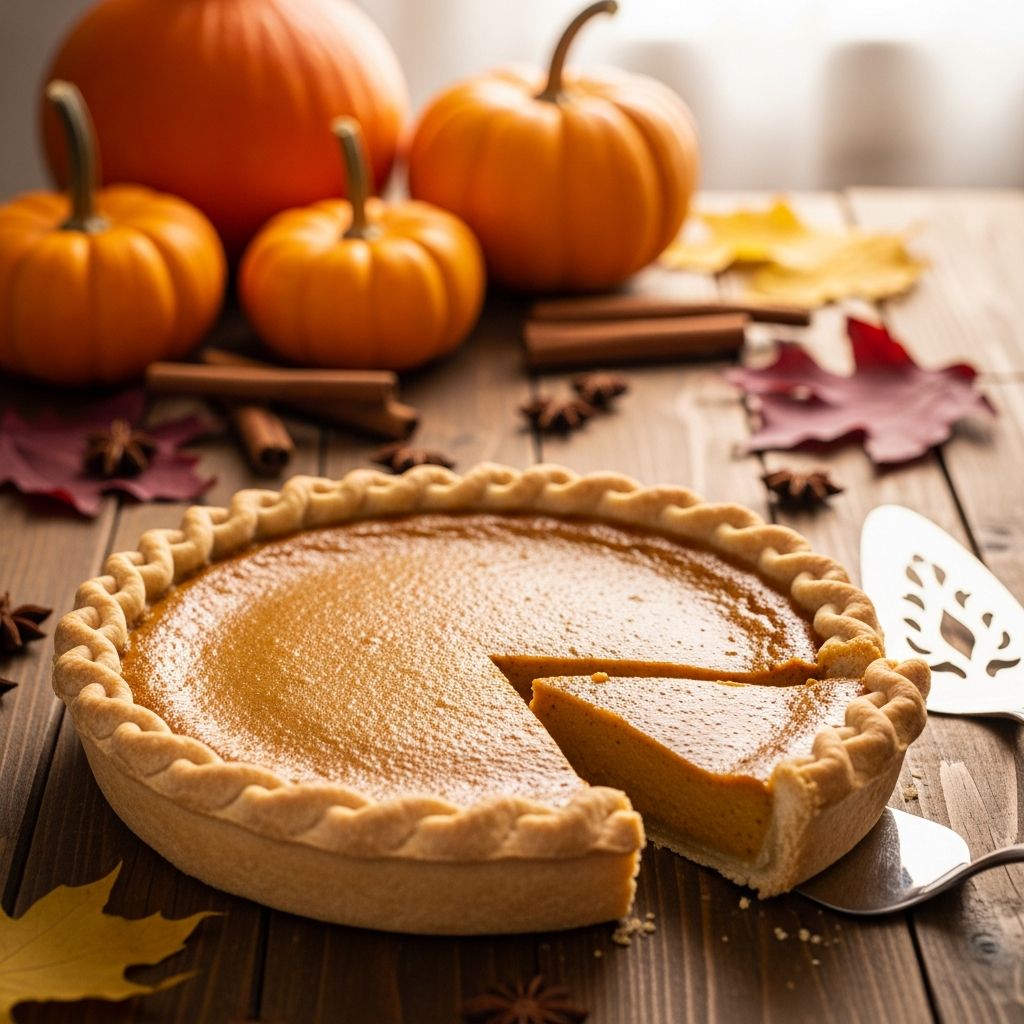
Pumpkin pie remains a cornerstone of holiday dessert traditions, yet many home bakers struggle with one persistent problem: cracks appearing across the filling’s surface. This common frustration transforms what should be a stunning presentation into a disappointing display. The difference between a flawed pie and a picture-perfect one often lies not in complexity but in understanding the science behind the filling and applying straightforward preventive measures throughout the baking process.
Understanding Why Pumpkin Pie Filling Cracks
The foundation of crack prevention begins with understanding the underlying cause. Pumpkin pie filling contains eggs that contain proteins, and these proteins tighten when exposed to excessive heat or overbaking. As the pie cools after removal from the oven, this contracted protein structure causes the surface to crack and split. The filling essentially shrinks at a faster rate than the crust can accommodate, creating tension that manifests as visible fissures.
Additionally, moisture content plays a critical role. Pumpkin puree naturally contains water, and when filling reaches too high a temperature, this moisture evaporates too rapidly, causing the surface to dry out and crack. The combination of protein contraction and moisture loss creates the perfect conditions for surface imperfections.
Ingredient Selection and Ratios
Success begins before the pie enters the oven. The ingredients you choose directly influence how your filling behaves during and after baking.
The Role of Evaporated Milk and Dairy Products
Traditional pumpkin pie recipes rely on evaporated milk rather than fresh milk. Evaporated milk contains about 60% less water than regular milk, creating a richer, creamier texture while reducing the liquid content that can cause excessive moisture loss during baking. Some bakers substitute half-and-half or heavy cream for additional richness and stability. These dairy options coat the filling’s protein structures, slowing their contraction during cooling.
Sour cream serves as an underutilized secret weapon in crack prevention. Adding 2 tablespoons of sour cream to your filling introduces additional fat and a thickening agent that stabilizes the custard structure. This ingredient combination ensures the filling sets gradually rather than abruptly, reducing the stress that causes surface splitting.
Egg Considerations
The number and preparation of eggs significantly impacts results. While some recipes minimize eggs to reduce cracking potential, others increase egg quantity for binding power. The key lies in how you incorporate them. Eggs should be lightly beaten and folded in gently rather than vigorously whisked, which introduces air bubbles that expand during heating and create cracks.
Preparation Techniques That Matter
Removing Excess Moisture
Before combining all ingredients, consider heating the pumpkin puree with spices. Warming the pumpkin mixture over medium heat for several minutes allows excess moisture to evaporate. This step concentrates flavors and reduces the total liquid content in the final filling, decreasing the likelihood of surface cracking during baking.
Air Bubble Management
Air bubbles within the filling expand as heat increases, pushing upward and creating cracks on the surface. After pouring the filling into the crust, tap the bottom of the baking sheet firmly on a hard surface to release trapped air. Some bakers bang the filled pie bowl before transferring to the crust to accomplish the same goal. This simple technique prevents air pockets from rising and rupturing the surface.
Proper Mixing Methods
Overmixing the filling incorporates excess air, which leads directly to cracking. Combine ingredients gently, mixing only until just incorporated. Use a stand mixer with a paddle attachment set to low speed, or mix by hand with a whisk using slow, deliberate strokes. The filling should appear somewhat soupy before baking—this texture indicates proper consistency without excess aeration.
Temperature Management During Baking
The Two-Temperature Baking Method
The baking temperature strategy proves critical to success. Begin by preheating your oven to 425°F and baking the pie for 15 minutes. This initial high temperature sets the crust and begins the filling’s cooking process. After 15 minutes, reduce the oven temperature to 350°F and continue baking for 40-50 additional minutes.
This temperature reduction matters significantly. Lower temperatures allow the filling to set more gradually, preventing the rapid protein contraction that causes cracks. Very high temperatures cause the filling to puff up early in baking, creating internal pressure that leads to surface ruptures.
Oven Placement
Position your oven rack in the lower third of the oven before preheating. This placement ensures even heat distribution from below, which sets the custard gradually from the bottom up rather than creating a temperature gradient that causes uneven setting and cracking.
Recognizing Doneness
Determining when your pie is perfectly baked requires careful observation rather than strict timing. The filling should be set around the edges but maintain a slight wobble in the center. Specifically, pull the pie from the oven when the filling has domed edges and a slightly wobbly 4- to 5-inch circular center.
Test doneness by inserting a knife or toothpick near the center of the pie. The instrument should emerge clean but slightly damp—if batter still clings to it, return the pie to the oven. This slightly underbaked center finish is intentional; residual heat will continue setting the filling after removal from the oven.
Avoid the temptation to bake until the center appears completely firm. Overbaking guarantees cracks, as excessive heat contracts the protein structure beyond recovery.
The Cooling Process: Critical Final Steps
Post-Oven Cooling Strategy
One of the most effective crack-prevention techniques involves gradual cooling. Rather than removing the pie directly to a cool kitchen counter, allow the pie to cool in the turned-off oven with the door cracked open. This method prevents the dramatic temperature shock that causes the filling to contract suddenly and crack.
Prop the oven door open by about 6 inches and allow the pie to sit for at least 30 minutes to one hour. This graduated cooling process lets the filling set slowly and evenly, eliminating the stress fractures that appear when room-temperature pies experience sudden cooling shifts.
Room Temperature Finishing
After the oven-cooling phase, transfer the pie to a wire cooling rack or counter to complete the cooling process. This additional cooling period should extend several hours or, ideally, overnight. Refrigeration further stabilizes the structure before serving.
Advanced Ingredient Formulations
The Eggless Approach
Some bakers entirely eliminate eggs from their pumpkin pie filling, relying instead on flour and cornstarch for thickening and structure. An eggless filling eliminates the protein contraction that causes cracking, resulting in a perfectly smooth surface. This approach requires careful balance—too little thickener leaves the filling soupy, while too much creates an overly firm texture.
Optimal Spice Integration
The spice blend contributes to both flavor and texture. Pumpkin pie spice or a combination of cinnamon, ginger, and cloves should be bloomed by heating with the pumpkin mixture before adding other ingredients. This technique develops spice flavors while allowing moisture to evaporate, contributing to the overall crack-prevention strategy.
Comparison of Crack-Prevention Methods
| Prevention Method | Effectiveness | Implementation Difficulty |
|---|---|---|
| Two-temperature baking | Very High | Easy |
| Oven cooling method | Very High | Easy |
| Evaporated milk use | High | Very Easy |
| Sour cream addition | High | Very Easy |
| Gentle mixing | High | Easy |
| Air bubble removal | Moderate | Very Easy |
Troubleshooting Common Issues
Cracks Already Appeared
If cracks develop despite your efforts, strategic decoration offers an attractive solution. Top the pie with fresh whipped cream before serving to conceal surface imperfections. Alternatively, drizzle caramel sauce, chocolate ganache, or candied nuts across the surface to draw attention away from any visible cracks.
Filling Remains Too Soupy
If your filling never sets properly, the pie likely didn’t bake long enough or the oven temperature was too low. Next time, increase baking time by 5-10 minutes and ensure your oven temperature is accurately calibrated with an oven thermometer. Some ovens run cooler than displayed readings.
Edges Browning Too Quickly
Protect pie crust edges by using aluminum foil shields or pie crust protectors during the initial 15-minute high-temperature bake. Remove these shields for the remaining bake time to allow edges to brown evenly.
Frequently Asked Questions
Can I prepare pumpkin pie filling in advance?
Yes, prepare filling up to 24 hours ahead and refrigerate in a covered container. Pour into the pie crust just before baking to prevent the crust from absorbing excess moisture.
What’s the difference between canned and fresh pumpkin puree?
Canned pumpkin puree contains more concentrated flavor and less water than fresh-roasted pumpkin, making it more reliable for crack prevention. If using fresh pumpkin, strain it thoroughly to remove excess moisture.
How long should pumpkin pie cool before serving?
Cool at room temperature for at least 2-3 hours, preferably overnight in the refrigerator. This extended cooling allows the filling to set completely, ensuring proper texture and reducing the risk of late cracking.
Can I freeze pumpkin pie?
Yes, freeze completely cooled pie wrapped tightly in plastic wrap and aluminum foil for up to two months. Thaw in the refrigerator before serving to prevent damage to the filling structure.
Final Recommendations for Success
Achieving a crack-free pumpkin pie requires attention to multiple factors working in concert. Begin with quality ingredients—evaporated milk, sour cream, fresh spices, and quality pumpkin puree. Mix gently without incorporating excess air, and remove trapped bubbles before baking. Employ the two-temperature baking method, positioning the pie in the lower oven third. Most importantly, allow the pie to cool gradually in the turned-off oven before transferring to room temperature and refrigeration.
These techniques, when combined, virtually guarantee a beautiful, flawless pie worthy of any holiday table. The investment in proper procedure transforms pumpkin pie baking from a frustrating gamble into a reliable, impressive achievement that showcases your baking skills and dedication to quality.
References
- Easy Pumpkin Pie (No Cracks, Super Creamy!) — Savory Experiments. https://www.savoryexperiments.com/easy-pumpkin-pie/
- Easiest, No-Crack Pumpkin Pie — The Farm at Spring Creek. https://www.thefarmatspringcreek.net/easiest-no-crack-pumpkin-pie/
- My Perfect Homemade Pumpkin Pie (No Cracks) — Cloudy Kitchen. https://cloudykitchen.com/blog/pumpkin-pie/
- The BEST Pumpkin Pie Recipe — Tastes Better From Scratch. https://tastesbetterfromscratch.com/pumpkin-pie-with-caramel-pecan-topping/
- Pumpkin Pie — RecipeTin Eats. https://www.recipetineats.com/pumpkin-pie/
- Recipe Tip: Pumpkin Pie without Cracks — BettBakes. https://bettbakes.com/blogs/news/recipe-tip-pumpkin-pie-without-cracks
Similar Articles



Read full bio of Sneha Tete