Pecan Caramel Shortbread Cookies Guide
Master the art of baking slice-and-bake pecan shortbread with caramel depth
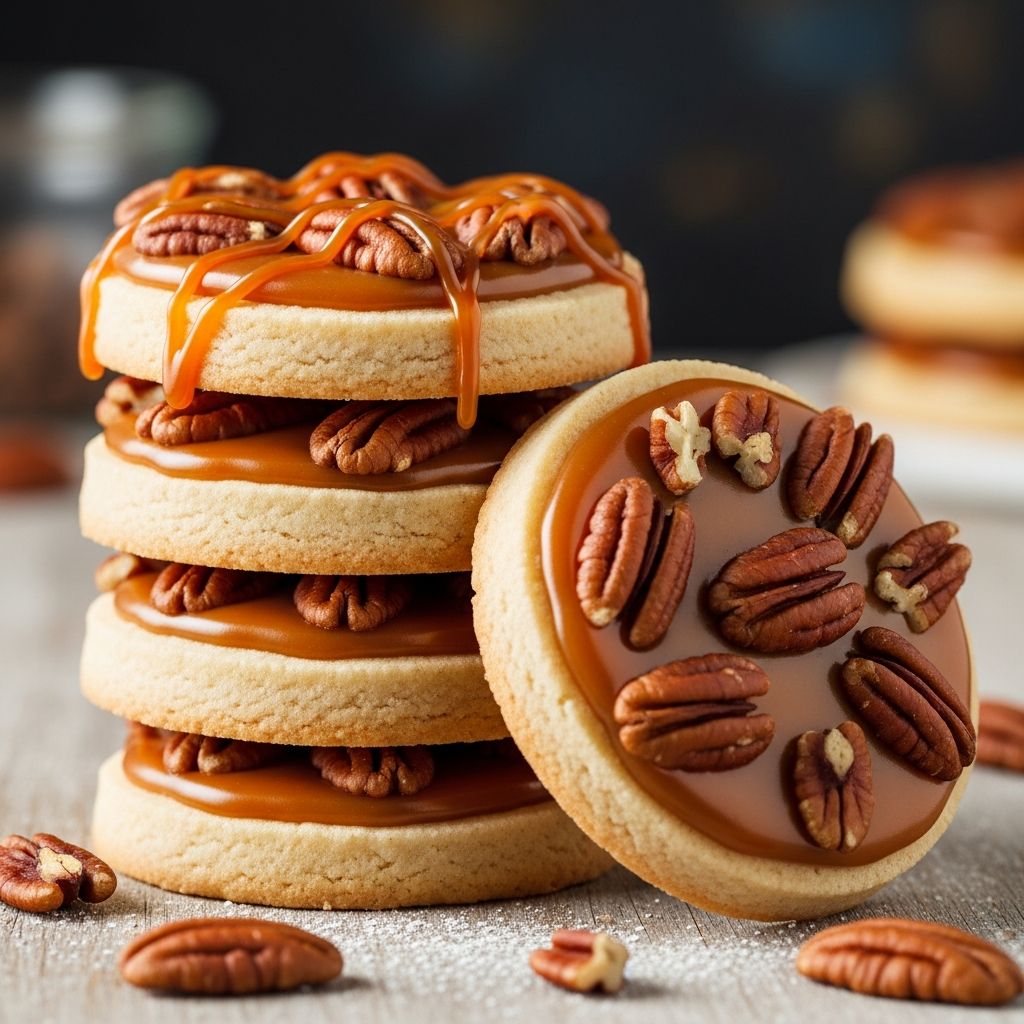
The Complete Guide to Crafting Exceptional Pecan Caramel Shortbread Cookies
Shortbread cookies represent one of baking’s most elegant yet approachable achievements. When combined with the richness of caramelized sweetness and the earthy complexity of roasted pecans, these butter-based treats transcend ordinary cookie experiences. This comprehensive guide explores every aspect of creating these sophisticated slice-and-bake delights, from ingredient selection through final presentation.
Understanding the Fundamentals of Shortbread Excellence
Shortbread derives its name and character from its high butter-to-flour ratio, which creates a tender crumb structure that literally melts on the tongue. The addition of pecans introduces textural contrast, while caramel elements provide subtle sweetness and depth that elevates these cookies beyond standard butter varieties.
The foundation of exceptional shortbread begins with understanding how each ingredient contributes to the final product. Butter serves as the primary structural component, while flour provides framework. Sugar adds sweetness but also aids in moisture distribution. Salt amplifies existing flavors and prevents excessive sweetness. When pecans enter the equation, they contribute not only nutty flavor compounds but also beneficial oils that enhance moisture retention.
Selecting and Preparing Premium Ingredients
Butter: The Foundation of Flavor
Quality butter makes an extraordinary difference in shortbread outcomes. Unsalted butter allows precise control over salt content, ensuring balanced flavor development throughout the cookie. The butter should be properly softened to room temperature before creaming, which incorporates air and creates the desired texture. Cold butter, while essential during final mixing stages, must be prepared correctly—cut into small ½-inch cubes to facilitate even incorporation into the dry ingredients.
Pecans: Roasting for Maximum Impact
Raw pecans contain subtle flavors that intensify dramatically through toasting. The roasting process activates oils within the nuts, releasing complex flavor compounds that provide the characteristic “roasty toasty” profile that distinguishes exceptional pecan shortbread. Toasting pecans at 350°F for 5-7 minutes brings out these hidden depths, though careful attention prevents over-roasting, which introduces bitterness rather than pleasant nuttiness.
Processing techniques matter significantly. Fine grinding creates a powder that distributes evenly throughout the dough, while leaving some pieces slightly coarser provides textural interest. A spice mill or high-powered blender handles this task efficiently, though a measuring cup bottom can crush nuts adequately for those without specialized equipment.
Caramel Element Selection
Store-bought dulce de leche provides concentrated caramel flavor without requiring complicated candy-making techniques. This sweetened milk product incorporates smoothly into the butter mixture, distributing caramel notes throughout the dough while maintaining workability. Alternatively, some bakers prefer incorporating caramel through flaky salt applications after baking, which creates textural contrast and flavor complexity through the interplay of sweet and salty elements.
Ingredient Proportions and Ratios
| Component | Measurement | Weight (grams) | Function |
|---|---|---|---|
| All-Purpose Flour | 1½ cups plus 2 Tbsp | 188g | Structure and framework |
| Unsalted Butter | 1 cup (2 sticks) | 226g | Richness and tenderness |
| Roasted Pecans | ⅓ to 1 cup | 47-100g | Nutty flavor and texture |
| Sugar | 3 Tbsp | 45g | Sweetness and moisture |
| Caramel (Dulce de Leche) | ¼ cup plus 1 Tbsp | 75g | Depth and sweetness |
| Kosher Salt | ½ tsp | varies | Flavor enhancement |
These proportions create cookies with balanced flavor and optimal texture. The relatively high butter content ensures that tender, delicate crumb structure characteristic of superior shortbread, while moderate sugar allows both butter and caramel flavors to shine without excessive sweetness that might overwhelm palates.
Step-by-Step Preparation Process
Preparation Phase
- Toast pecans at 350°F for 5-7 minutes until fragrant and beginning to brown
- Allow toasted pecans to cool completely before processing
- Grind or finely chop cooled pecans to desired consistency
- Combine processed pecans with flour and kosher salt in a separate bowl
- Cut chilled butter into ½-inch cubes and set aside
Dough Development
Using a stand mixer or hand mixer with a large bowl, cream softened butter with sugar for approximately 2-3 minutes until the mixture becomes light and fluffy in appearance. This creaming process incorporates air, which contributes to the final texture. Add caramel product gradually while continuing to mix, ensuring complete and even incorporation before proceeding to the next stage.
Add the prepared dry ingredient mixture gradually, mixing on low speed until the dough just comes together. Overmixing develops gluten networks that result in tough rather than tender cookies, so stop mixing as soon as no visible flour streaks remain in the dough.
Log Formation and Chilling
Transfer the completed dough onto a large sheet of plastic wrap or parchment paper. Using your hands, gradually form the dough into a cohesive log approximately 12-13 inches long and 1.5 inches in diameter. The initial shape need not be perfect—the wrapping process will refine the form.
Fold the plastic wrap up and over the dough log, using your hands to press and roll it into a smooth, uniform cylinder. Roll tightly, then transfer to the refrigerator for a minimum of 90 minutes. For those preferring frozen dough, 20 minutes in the freezer sufficiently firms the dough for slicing, though refrigeration overnight develops fuller flavor through extended resting periods.
Slicing and Pre-Baking Preparation
Remove the chilled log from storage and place on a cutting board. Using a sharp pastry scraper or knife, slice the dough into rounds between ¼ and ½ inch thick. Rotating the log approximately one-quarter turn with every few slices helps maintain round cookie shapes and prevents flattening on one side.
Arrange sliced dough discs on parchment-lined baking sheets, leaving approximately 1 inch of space between cookies to allow for slight expansion during baking. If desired, sprinkle flaky salt over the tops—the salt crystals intensify caramel flavors and provide sophisticated textural contrast.
Transfer prepared baking sheets to the freezer for a final 20-minute chill. This step further firms the dough and prevents excessive spreading during baking, ensuring cookies maintain their defined circular shape and develop the characteristic crispy edges that distinguish exceptional shortbread.
Baking Techniques for Optimal Results
Preheat the oven to 325°F approximately 15 minutes before baking begins. This temperature is crucial for shortbread success—higher temperatures brown exteriors too quickly while interiors remain undercooked, while lower temperatures may prevent proper crisping at the edges.
Place prepared baking sheets in the preheated oven and bake for 20-24 minutes, rotating sheets from top to bottom and front to back approximately halfway through the baking time. This rotation ensures even heat distribution and uniform browning across all cookies.
Cookies are properly baked when the edges develop golden-brown coloration while the centers remain slightly paler. The cookies will firm up considerably as they cool, so slight underbaking at this stage is preferable to overbaking, which creates harsh, unpleasant textures.
Cooling and Storage Considerations
Allow cookies to set up slightly on the baking sheet for 3-5 minutes after removal from the oven. During this period, residual heat continues cooking the interiors while allowing the edges to firm sufficiently for transfer. Transfer cookies to wire cooling racks where air circulation cools them completely and further enhances the crispy texture development.
Once cooled completely, store cookies in airtight containers at room temperature for up to two weeks. Placing parchment paper between layers prevents sticking and maintains cookie integrity. For extended storage, frozen cookies retain quality for up to three months when wrapped individually and stored in freezer-safe containers.
Troubleshooting Common Cookie Challenges
Spreading Excessively During Baking
Over-spreading typically results from inadequate chilling of dough prior to baking. The extended freeze time ensures dough remains firm enough to hold its shape as butter melts during baking. Additionally, overly warm kitchen temperatures may soften dough before baking begins, so working in cooler environments helps prevent this issue.
Dense, Heavy Texture
Dense cookies usually indicate either overmixing during dough preparation or insufficient butter content. Mixing activates gluten development, which creates toughness rather than tender crumb structure. Ensure mixing stops as soon as ingredients incorporate. Verify butter measurements precisely, as insufficient butter fails to create the characteristic melt-in-mouth quality.
Weak Pecan Flavor
Insufficient toasting prevents pecans from developing their complex flavor profile. Ensure pecans receive adequate time in the oven until they become fragrant and begin browning. Processing pecans too finely may dilute their presence; leaving some texture ensures pecan flavor remains prominent throughout the cookie.
Caramel Flavor Not Perceptible
Using proper quantities of quality caramel products ensures flavor prominence. Dulce de leche should be at room temperature before incorporation to mix evenly throughout the dough. Consider adding flaky salt after baking, which amplifies caramel sweetness through salty-sweet interaction.
Flavor Variations and Creative Adaptations
While the classic pecan-caramel combination represents an exceptional foundation, creative bakers can explore numerous variations. Substituting maple syrup for a portion of the sugar introduces warm, autumn-inspired flavors. Adding finely grated lemon zest brightens the overall flavor profile, while espresso powder deepens complexity without creating overtly coffee-forward results.
Chocolate enthusiasts might incorporate cocoa powder into the dry ingredients or add finely chopped dark chocolate to the dough before log formation. Sea salt applications post-baking create sophisticated salted caramel profiles that appeal to modern palates seeking balance between sweet and savory elements.
Frequently Asked Questions
- Can I use salted butter instead of unsalted?
- While possible, unsalted butter provides better control over total salt content. If using salted butter, reduce the measured salt by approximately ¼ teaspoon to prevent excessive salinity.
- What’s the ideal thickness for slicing cookies?
- Between ¼ and ½ inch provides optimal results. Thicker cookies develop crispier edges while maintaining tender centers, while thinner versions may become excessively hard during baking.
- How long can I store cookie dough logs?
- Refrigerated logs remain suitable for baking up to one week, while frozen logs maintain quality for up to three months when properly wrapped to prevent freezer burn.
- Can I use natural pecans instead of toasted?
- Yes, though toasting dramatically enhances flavor development. If using raw pecans, toast them first before incorporating into the dough.
- Why do my cookies spread too much?
- Ensure adequate chilling time before baking. A minimum 20-minute freeze on cut cookies prevents excessive spreading caused by butter melting too quickly in the oven.
The Art and Science of Perfect Shortbread
Creating exceptional pecan caramel shortbread represents the intersection of culinary technique and ingredient quality. Understanding how butter’s fat content creates tender crumb structure, how toasting activates pecan flavor compounds, and how proper temperature management ensures optimal results transforms this recipe from a simple baked good into an expression of baking craftsmanship.
The slice-and-bake format offers particular advantages, allowing bakers to prepare dough in advance and bake fresh cookies whenever desired. This flexibility makes these shortbread varieties ideal for busy households, special occasions, or gift-giving opportunities throughout the year.
By following these comprehensive guidelines, employing quality ingredients, and respecting the technical requirements that distinguish exceptional shortbread from ordinary butter cookies, bakers of any experience level can achieve remarkable results that impress family, friends, and even the most discerning cookie enthusiasts.
References
- Basically Better Baking: Roasty Toasty Pecan-Caramel Shortbread Cookies — Bon Appétit Test Kitchen. https://basicallybaking.bonappetit.com
- The Science of Baking: Butter and Shortbread Formation — University of California Davis Department of Food Science and Technology. https://foodscience.ucdavis.edu
- Nut Roasting and Flavor Development — Oregon State University Extension Food Science. https://extension.oregonstate.edu
Similar Articles





Read full bio of medha deb