Essential Pantry Staples for Streamlined Cooking
Transform your kitchen efficiency with five fundamental ingredients that accelerate meal preparation
Home cooking need not be an elaborate undertaking that consumes hours of your day. The foundation of efficient, pleasurable cooking lies not in complex techniques or exotic ingredients, but rather in maintaining a well-stocked pantry with versatile, functional items that serve multiple culinary purposes. When thoughtfully selected, certain foundational ingredients can dramatically reduce preparation time, minimize decision-making at the grocery store, and provide the framework for countless satisfying meals throughout the week.
The philosophy behind strategic pantry stocking is straightforward: by keeping quality staple ingredients readily available, you eliminate barriers to cooking and create opportunities for spontaneous, stress-free meal creation. Rather than defaulting to takeout when time is limited or energy is low, you’ll discover that a well-assembled pantry enables you to prepare nourishing, delicious food in remarkably little time. This approach transforms cooking from an occasional special event into an accessible, integral part of daily life.
Why Pantry Organization Matters for Cooking Efficiency
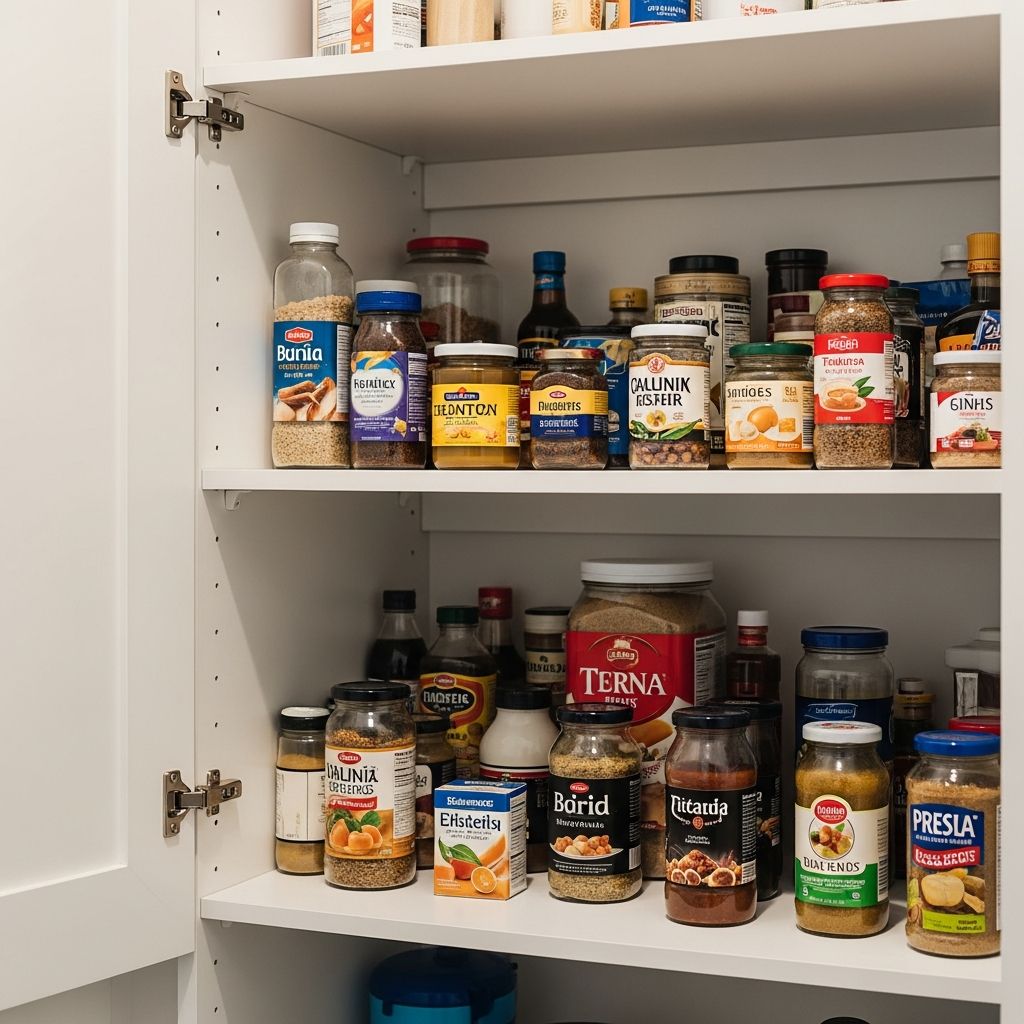
The relationship between an organized pantry and cooking speed is more direct than many home cooks realize. When essential ingredients are immediately visible and easily accessible, you eliminate the time spent searching through cabinets or questioning whether you have what you need. Furthermore, maintaining a curated collection of staples reduces decision fatigue—that mental exhaustion that comes from contemplating too many possibilities when you’re already tired or pressed for time.
Strategic pantry maintenance also impacts your financial relationship with cooking. When you understand which ingredients form the foundation of your regular meal preparation, you can purchase them strategically during sales or in bulk, reducing overall food costs while ensuring you never run out of essential items. This approach to provisioning your kitchen represents a significant departure from haphazard shopping patterns that often result in expired items and impulsive purchases.
High-Quality Olive Oil: The Foundation of Flavor
Superior olive oil functions as far more than just a cooking medium—it serves as a flavor multiplier that elevates even the simplest ingredients into something genuinely memorable. A bottle of quality extra virgin olive oil, reserved primarily for finishing dishes, creates complexity and depth that cannot be replicated through other means. Its application takes mere seconds but transforms the sensory experience of a meal fundamentally.
Beyond its finishing applications, a dependable all-purpose olive oil streamlines your cooking methodology. Whether you’re sautéing vegetables, creating pan sauces, or preparing vinaigrettes, having a reliable oil on hand eliminates the need to evaluate multiple fat options. The investment in quality oil pays dividends through improved flavor outcomes and the psychological comfort of knowing you have an ingredient that works well in virtually any savory cooking situation.
- Enhances vegetables, proteins, and grains with minimal effort
- Creates emulsified sauces and dressings quickly
- Provides a sophisticated finishing touch to soups and pasta dishes
- Simplifies the cooking process by reducing the need for multiple oils
- Contributes antioxidants and beneficial compounds to meals
Kosher Salt: The Unsung Amplifier of Taste
Salt represents one of cooking’s most underutilized tools for flavor development. Many home cooks under-season their food, not realizing that thoughtful salt application throughout the cooking process—rather than only at the end—builds layered, sophisticated flavor. Kosher salt’s larger crystal structure allows for easier handling and more intuitive seasoning decisions than fine table salt.
The consistent use of quality salt throughout preparation creates a foundation upon which other flavors build. Seasoning proteins before cooking, salting water generously when cooking grains or pasta, and adjusting seasoning at various stages of recipe development all become simpler when you have reliable salt at your fingertips. This single ingredient, used properly, can make the difference between adequate and exceptional food.
Understanding proper salt application accelerates your cooking journey significantly. Rather than tasting multiple times at the end and trying to adjust, experienced cooks season incrementally, building flavor systematically. This approach requires fewer steps, produces superior results, and demands less trial-and-error correction.
Garlic: Versatility in Its Most Concentrated Form
Few ingredients offer the range of applications and flavor impact that garlic provides. Whether minced, sliced, roasted whole, or crushed, garlic adapts to virtually every savory cooking situation. Its complexity—pungent when raw, sweet and mellow when cooked gently, rich and almost nutty when roasted—makes it an exceptionally valuable tool for diverse culinary applications.
Fresh garlic’s accessibility and affordability make it an obvious pantry staple, but many cooks overlook garlic in other forms. Jarred minced garlic offers convenience that accelerates meal preparation, while dried garlic powder provides functionality when fresh is unavailable. Maintaining multiple forms of garlic enables flexibility in cooking approaches and ensures you’re never without this foundational ingredient.
The flavor trajectory of garlic during cooking deserves particular attention. Taking time to understand how garlic’s flavor changes—from sharp and aggressive to gradually warming and sweet—allows you to control your dish’s ultimate character. This single ingredient, therefore, becomes a tool for flavor management that extends far beyond simple seasoning.
| Garlic Form | Preparation Time | Best Application | Flavor Profile |
|---|---|---|---|
| Fresh cloves | 2-3 minutes mincing | Raw applications, dressings, marinades | Sharp, pungent |
| Jarred minced | None—ready to use | Quick stir-fries, emergency substitutions | Consistent, slightly muted |
| Roasted whole | 35-40 minutes roasting | Spreads, finished dishes, composed plates | Sweet, creamy, nutty |
| Garlic powder | None—direct addition | Dry rubs, spice blends, emergency backup | Concentrated, slightly bitter |
Acid: The Secret Accelerant of Perception
Professional cooks understand something that frequently eludes home kitchens: acid—whether from citrus, vinegar, or fermented products—possesses the remarkable ability to make food taste more interesting and complete with zero additional cooking time. A squeeze of lemon juice, a splash of quality vinegar, or a dash of fish sauce can awaken flavors that seemed flat moments before.
Maintaining various acidic ingredients enables rapid flavor correction and enhancement. Lemon and lime juice provide brightness and freshness, particularly valuable with seafood and vegetables. Vinegar—whether distilled, wine-based, or aged balsamic—adds complexity and depth. Hot sauce or fish sauce introduces savory, umami-rich dimensions that build perceived richness and satisfaction.
The efficiency advantage of acid-based flavor enhancement cannot be overstated. Rather than extending cooking times or adding complicated ingredients, a thoughtful acidic component finishes a dish in seconds while making it taste more sophisticated. This approach allows beginners to achieve results that seem disproportionate to the effort invested.
Umami-Rich Ingredients: Creating Depth Effortlessly
Umami—the fifth taste—represents savory satisfaction and fullness of flavor. Ingredients that deliver umami accomplish this in moments what might otherwise require hours of slow cooking or stock-making. Parmesan cheese, soy sauce, miso paste, anchovy paste, and dried mushrooms all provide concentrated umami that makes food feel more nourished and complete.
Maintaining umami-rich pantry items democratizes sophisticated cooking. A small amount of miso stirred into soup creates perceived depth that suggests hours of careful preparation. Parmesan rinds create stock with minimal effort. These ingredients enable home cooks to achieve restaurant-quality satisfaction efficiently.
- Parmesan cheese adds richness and saltiness instantly
- Soy sauce builds savory depth in Asian and fusion cooking
- Miso paste creates complexity in soups and dressings
- Anchovy paste provides umami without fishiness when used sparingly
- Dried mushrooms create focused, concentrated earthiness
Frequently Asked Questions About Pantry Efficiency
How often should I rotate pantry staples to ensure freshness?
Most dry pantry items—salt, dried garlic, oils stored away from light—maintain quality for extended periods. However, oils can oxidize over time, so replacing your general-purpose olive oil annually is sensible. Acids like vinegar and citrus juice maintain integrity well. Jarred condiments should follow their labeled expiration dates. The key is using items regularly enough that freshness isn’t a significant concern.
Can I substitute one type of oil for another without affecting results?
Different oils have different smoke points and flavor profiles, which matters for different applications. For finishing and dressings, superior olive oil isn’t easily replaceable. For high-heat cooking, neutral oils like grapeseed or refined avocado oil work better. Having at least two oil types—one for finishing, one for cooking—optimizes your results.
What’s the practical difference between table salt and kosher salt?
Kosher salt’s larger crystals mean you use less by volume than table salt—approximately one and one-half times as much table salt equals one measure of kosher salt. Kosher salt’s size also allows for more intuitive seasoning by hand. Both work, but understanding this difference prevents over-salting when substituting.
How do I prevent garlic from becoming bitter during cooking?
Garlic bitterness develops from excessive heat, particularly when garlic browns. Adding garlic after initial oil heating, then cooking at moderate temperatures until fragrant (usually one to two minutes) prevents bitterness. For longer-cooking dishes, add garlic partway through rather than at the beginning.
Which acidic ingredient works best for different dishes?
Lemon or lime juice brightens seafood and vegetables beautifully. Wine vinegar or sherry vinegar complement richer preparations. Rice vinegar works especially well with Asian-influenced cooking. Fish sauce and soy sauce add savory depth to soups and stir-fries. Experimenting across your dishes helps you develop intuition about which acid serves each situation best.
Building Your Personal Pantry Strategy
Creating an efficient pantry isn’t about acquiring an exhaustive inventory of every possible ingredient. Rather, it’s about identifying which staples truly facilitate your personal cooking patterns and ensuring you never run out. Someone who cooks Asian-inspired meals regularly might prioritize soy sauce and rice vinegar, while a Mediterranean-focused cook emphasizes quality olive oil and various vinegars.
Beginning this process requires honest assessment of what you actually cook. Review your meal patterns over the previous month, noting which ingredients appeared repeatedly. Those are your true staples—the items worth maintaining consistently. From there, you might expand into complementary items that enhance your core ingredients.
The investment in quality versions of these foundational ingredients pays dividends that extend far beyond cooking. Better-quality staples genuinely taste superior, make food taste better with less effort, and create a psychological environment where cooking seems achievable rather than daunting. This shift in mindset—that cooking can be simple, fast, and delicious—represents perhaps the most valuable outcome of thoughtful pantry management.
Conclusion: Efficiency Through Intentionality
Streamlined cooking emerges not from complicated techniques or trendy ingredients, but from maintaining a thoughtfully assembled collection of staple items that work hard in your kitchen. Quality olive oil, reliable salt, fresh garlic, strategic acids, and umami-rich ingredients form the backbone of efficient home cooking. When these items are always available and well-maintained, the barrier between you and a delicious home-cooked meal essentially disappears. By embracing this pantry-focused approach to cooking, you reclaim time, reduce stress, and access the genuine pleasure that home cooking provides.
References
- Jamie Oliver’s 5 Ingredients Collection — Jamie Oliver Ltd. 2024. https://www.jamieoliver.com/recipes/books/5-ingredients-quick-easy-food/
- The Flavor Bible: The Essential Reference for More Than 500 Ingredients and 13,000 Flavor Combinations — Karen Page and Andrew Dornenburg. Little, Brown and Company. 2008.
- Salt Fat Acid Heat: Mastering the Elements of Good Cooking — Samin Nosrat. W.W. Norton & Company. 2017.
- Umami: Unlocking the Secrets of the Fifth Taste — Explorer’s Kitchen. Food Science Institute. 2023.
Similar Articles




Read full bio of Sneha Tete