Minted Melon Summer Salad: A Refreshing Guide
Discover how to create a vibrant, cooling melon salad perfect for warm weather gatherings.
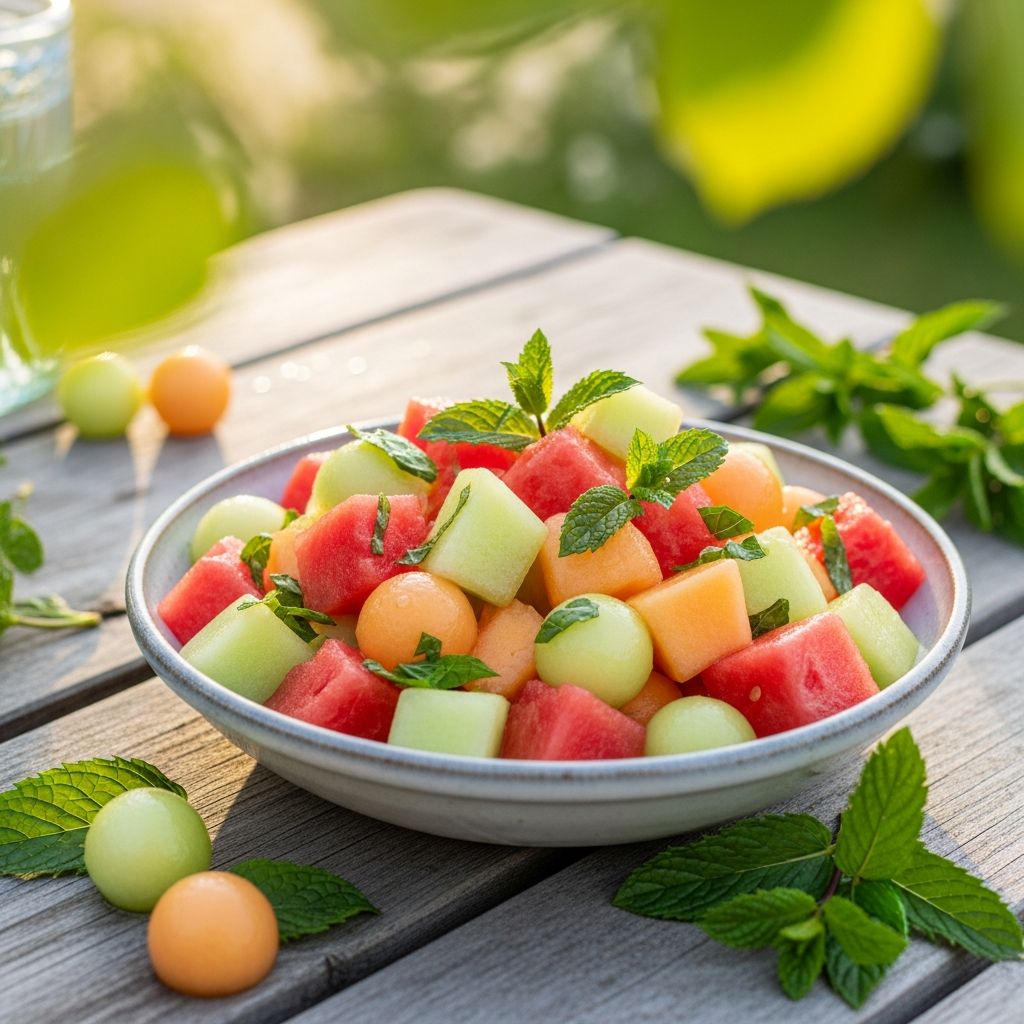
When temperatures soar and the sun beats down relentlessly, few culinary creations satisfy quite like a chilled melon salad adorned with fresh mint. This elegant yet effortless dish transforms simple, seasonal ingredients into a sophisticated treat that works equally well as an appetizer, light dessert, or refreshing interlude during a leisurely brunch. The combination of juicy melons, aromatic mint, and complementary flavors creates a sensory experience that epitomizes warm-weather dining.
Understanding the Foundation: Choosing Your Melons
The success of any melon salad begins with selecting quality fruit. The melon varieties you choose set the tone for the entire dish, determining texture, sweetness, and visual appeal. Three primary melons dominate summer produce sections: watermelon, cantaloupe, and honeydew. Each brings distinctive characteristics to the table.
Watermelon delivers a crisp, watery texture with subtle sweetness and a vibrant crimson or pink hue that immediately catches the eye. Its high water content makes it exceptionally refreshing on hot days. Cantaloupe contributes a denser flesh with peachy-orange coloring and a more pronounced, honeyed sweetness. Honeydew rounds out the trio with pale green or yellow flesh, a delicate flavor profile, and firmer texture compared to watermelon.
While the classic trio of melons creates visual variety and textural contrast, you needn’t restrict yourself to this combination. Many recipes successfully employ just one or two melon varieties, allowing you to adapt based on what’s available, your personal preferences, or seasonal availability. The key is choosing ripe, fragrant melons that feel heavy for their size, indicating good juice content.
The Art of Melon Preparation
Proper preparation ensures uniform texture and presentation. Most contemporary recipes employ a melon baller—a specialized kitchen tool featuring a hemispherical cup that creates perfectly spherical pieces of melon flesh. This method offers several advantages: the uniform balls present beautifully on a plate, they’re comfortable to eat without utensils, and the preparation feels elegant despite minimal effort.
To prepare melons using this technique, first wash the exterior thoroughly under running water. Slice each melon in half and scoop out seeds using a sturdy spoon. Using the melon baller, press firmly into the flesh while rotating slightly, then twist to release a complete sphere. Work systematically across the melon’s surface, avoiding the white pith near the skin, which can taste bitter.
Alternative cutting methods include cubing melons into bite-sized pieces or slicing them into elegant thin strips and arranging them on a serving platter. The presentation method you select depends on your intended service style and personal aesthetics.
The Mint Component: Selection and Application
Fresh mint transforms a simple melon combination into something extraordinary. This herb brings cooling properties, aromatic complexity, and visual interest through its vibrant green leaves. Garden-fresh mint surpasses dried varieties tremendously in flavor and aroma.
When selecting mint, look for bright green leaves without brown spots or wilting. Spearmint and peppermint both work beautifully, though spearmint typically offers a gentler flavor. For maximum freshness, purchase mint as close to preparation time as possible, or store it in a damp paper towel within a refrigerator’s crisper drawer.
Mint application varies across recipes. Some call for finely chopped mint leaves mixed directly into the dressing, while others prefer whole or torn leaves scattered as garnish just before serving. Torn leaves generally provide better flavor and appearance than knife-chopped varieties, which can bruise delicate plant tissue and oxidize more quickly.
Dressing Variations: Finding Your Flavor Profile
The dressing fundamentally defines the salad’s character. Several proven approaches exist, each delivering different sensory experiences:
The Honey-Lime Classic
This straightforward approach combines honey with fresh lime juice in a 1:2 ratio, creating a sweet-tart syrup that clings lightly to melon pieces. The honey adds gentle sweetness while lime juice provides brightness and complexity. To prepare, whisk together approximately one tablespoon of honey with two tablespoons of fresh lime juice until well combined. Pour this mixture over prepared melon and toss gently.
The Citrus-Forward Option
Some recipes substitute lemon juice for lime, or employ key lime juice for added sophistication. The citric acid balances melon’s natural sweetness while adding a refreshing edge. This variation works particularly well when combined with subtle spice elements.
The Mediterranean Approach
Extra virgin olive oil partnered with lemon juice creates a more savory profile, departing from the typical fruit salad sweetness. This dressing encourages incorporating feta cheese, which provides creamy, salty contrast to sweet melon. Some versions introduce Aleppo pepper—a fruity, mildly hot chili—for subtle complexity without overwhelming heat.
The Herbal Infusion Method
Advanced preparations involve creating a simple syrup infused with mint, combining sugar and water heated to a simmer, then cooled and blended with mint leaves, citrus juice, and optional liqueurs. This technique requires more effort but produces a sophisticated, well-integrated flavor profile that deepens as ingredients mingle.
Flavor Enhancements and Optional Additions
While the melon-mint foundation works beautifully alone, several additions elevate the dish further:
- Feta Cheese: Crumbled feta introduces creamy, salty contrast that complements sweet melon exceptionally well. Approximately one-half cup per four servings provides noticeable impact without overwhelming.
- Sesame Seeds: Toasted or raw sesame seeds add nutty flavor and appealing textural contrast to soft melon.
- Spice Elements: Aleppo pepper, cayenne, or other subtle heat options introduce complexity.
- Optional Liqueurs: Amaretto, coconut rum, or other liqueurs add sophisticated undertones for adult-oriented gatherings.
- Lime Zest: Zest from lime peel provides concentrated citrus flavor without additional liquid.
Assembly and Presentation Techniques
Professional presentation elevates even simple dishes. If using melon balls, transfer them to a large mixing bowl and gently combine before plating on a serving dish, mixing the colors to create visual interest. Arrange on a platter strategically, considering how different melon hues interact.
For sliced presentations, arrange melon slices slightly overlapping along a large platter, creating an artful display. Sprinkle complementary ingredients uniformly across the surface, then scatter mint leaves just before serving.
Temperature plays an important role. Thoroughly chill prepared melons before combining with dressing. Some recipes recommend chilling the assembled salad for thirty minutes before serving, allowing flavors to meld while maintaining refreshing coldness.
Timing Considerations and Make-Ahead Strategy
This salad suits modern entertaining schedules well. Prepare melon balls hours in advance, storing them in airtight containers within the refrigerator. Prepare the dressing separately in a small container.
Combine melon and dressing no more than two hours before serving to prevent excessive liquid accumulation. For gatherings where advance preparation is essential, combine components just before guests arrive, adding fresh mint garnish immediately before serving. This approach preserves the fresh appearance and vibrant mint aroma that makes the dish so appealing.
Scaling for Different Gatherings
The beauty of melon salad lies in its remarkable scalability. For intimate two-person meals, use one-quarter each of cantaloupe, honeydew, and watermelon. Double portions easily accommodate four people, while preparing larger quantities for potlucks simply requires proportionally more melons.
Nutritional Advantages and Dietary Considerations
Beyond taste and presentation, melon salad offers genuine nutritional benefits. Melons contain significant water content, supporting hydration during hot weather. They provide vitamin C, supporting immune function, and various antioxidants. The gluten-free and dairy-free nature of basic preparations accommodates numerous dietary preferences and restrictions.
Frequently Asked Questions
How do I select a perfectly ripe melon?
Choose melons that feel heavy relative to their size, indicating high juice content. Press gently on the blossom end—a slight yield suggests ripeness. For watermelon, look for a creamy yellow spot where the melon rested on soil. Cantaloupe should yield subtly to palm pressure and exhibit a sweet aroma.
Can I prepare this salad the day before an event?
Prepare melon balls and dressing separately one day ahead. Combine them no more than two hours before serving. Adding fresh mint garnish immediately before serving preserves visual appeal and aromatic properties.
What substitutes work if I cannot find fresh mint?
While fresh mint provides superior flavor, basil offers an interesting herbaceous alternative. Avoid dried mint, which lacks the bright, cooling qualities that define this dish.
How long does this salad keep at room temperature during outdoor events?
Melon salad remains fresh outside for approximately two to three hours, particularly if kept in a shaded location. Chill components thoroughly before combining, and consider placing the serving bowl within a larger bowl filled with ice to maintain temperature during extended outdoor events.
Can I add protein to transform this into a main course?
Absolutely. Grilled shrimp, prosciutto, or creamy yogurt create satisfying mains. Feta cheese also provides protein while maintaining the salad’s fresh character.
Conclusion: Embracing Seasonal Simplicity
Minted melon summer salad exemplifies how a handful of quality, seasonal ingredients can create memorable eating experiences. By understanding melon selection, mastering basic preparation techniques, and exploring flavor variations, you’ll confidently prepare this dish for any warm-weather occasion. The salad’s forgiving nature, requiring minimal cooking equipment and technical skill, democratizes elegant entertaining, allowing anyone to impress guests with sophisticated, refreshing cuisine.
References
- Beat the Heat! Refreshing Summer Melon Salad — Nikki’s Modern Mediterranean. YouTube. https://www.youtube.com/watch?v=9sOqAHjtGM0
- Lebanese Melon and Mint Salad — Piquant Post. https://piquantpost.com/blogs/recipes/lebanese-melon-and-mint-salad
- Summer Melon Salad — Dish ‘n’ the Kitchen. https://dishnthekitchen.com/summer-melon-salad/
- Melon Salad with Honey, Lime and Mint — Simply Scratch. https://www.simplyscratch.com/melon-salad-honey-lime-mint/
- Mint and Melon Salad — Healthy Seasonal Recipes. https://www.healthyseasonalrecipes.com/melon-mint-salad/
- Easy Mint Melon Salad Recipe — She Wears Many Hats. https://shewearsmanyhats.com/melon-salad/
- Summer Melon Salad with Feta & Mint — Vegetarian ‘Ventures. https://www.vegetarianventures.com/mint-feta-lime-melon-salad/
Similar Articles







Read full bio of Sneha Tete