Microwaving Veggies: Nutrient Myth or Fact?
Uncover the truth about microwaving vegetables—does it zap nutrients or preserve them better than traditional methods? Science reveals all.
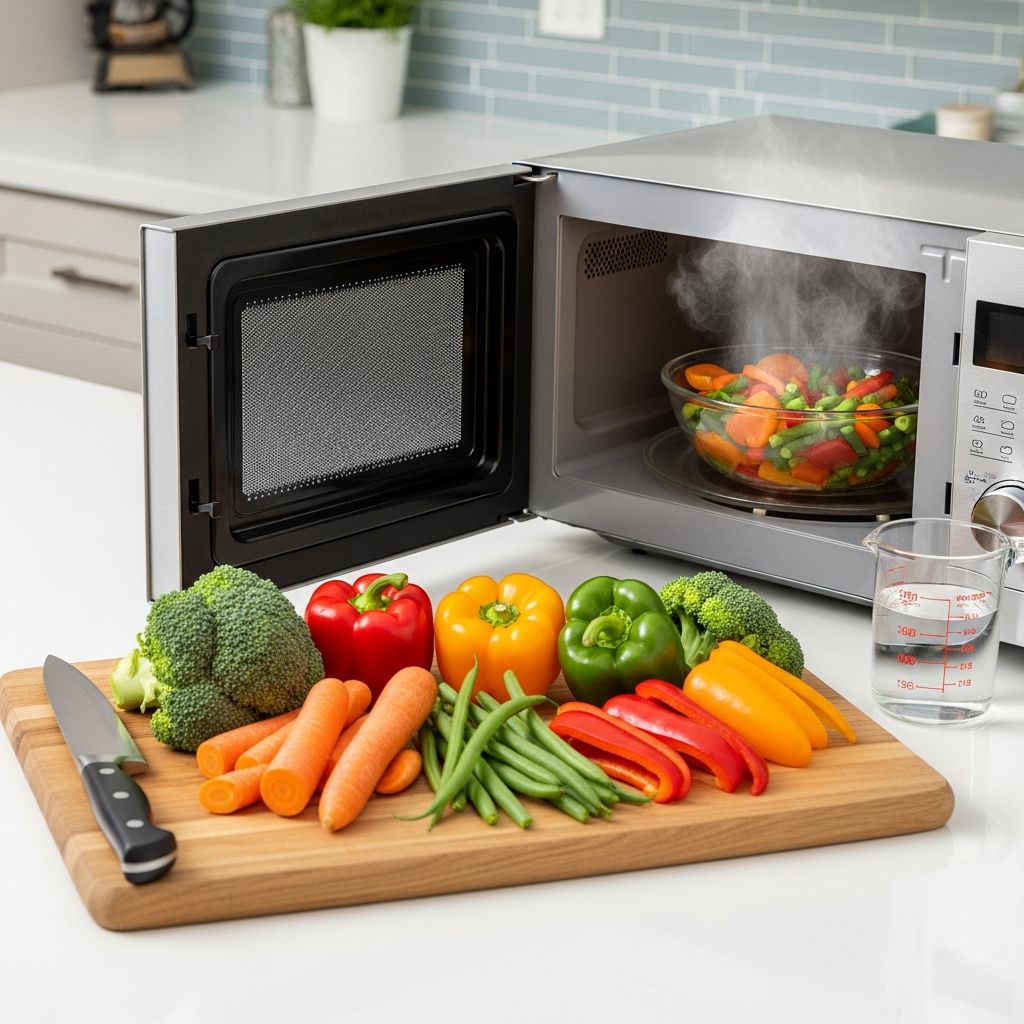
Microwaving vegetables does not destroy nutrients more than other cooking methods; in fact, it often preserves them better due to shorter cooking times and minimal water use.
The Science Behind Heat and Nutrition in Cooking
All forms of cooking apply heat to food, which triggers chemical changes in nutrients. Heat-sensitive vitamins like vitamin C and some B vitamins can degrade, while proteins become more digestible and anti-nutrients in plants break down, enhancing overall bioavailability. The key factors influencing nutrient loss are temperature, duration of exposure, and water contact—not the heating source itself.
Microwave ovens work by emitting electromagnetic waves that cause water molecules in food to vibrate rapidly, generating heat from within. This internal heating contrasts with stovetop methods that heat from the outside in, often requiring more time and leading to greater nutrient breakdown.
How Microwaving Stacks Up Against Traditional Methods
Research consistently shows microwaving retains nutrients comparably or superiorly to boiling, steaming, frying, or grilling. Here’s a breakdown:
- Boiling: Leaches water-soluble vitamins into cooking water, causing up to 30-50% loss of vitamin C in vegetables like broccoli.
- Steaming: Preserves more nutrients than boiling but still involves longer exposure to heat and moisture.
- Stir-frying/Grilling: High surface temperatures degrade heat-labile compounds, though minimal water helps retain some vitamins.
- Microwaving: Short cooking times (often under 5 minutes) and little to no added water minimize losses; vitamin C retention in broccoli can be 84% versus 70% for boiling.
| Cooking Method | Vitamin C Retention in Broccoli (%) | Key Advantage | Key Drawback |
|---|---|---|---|
| Boiling | ~70% | Kills pathogens effectively | High leaching into water |
| Steaming | ~90% | Low water contact | Longer cook time |
| Stir-frying | ~80% | Quick and flavorful | Oil absorption |
| Microwaving | ~84% | Fastest, least water | Uneven heating if not stirred |
Data adapted from comparative studies on broccoli; results vary by vegetable but trend similarly.
Nutrient-Specific Impacts: What Holds Up Best?
Vegetables are packed with vitamins, minerals, antioxidants, and fiber. Microwaving affects each differently:
- Vitamin C: Highly heat- and water-sensitive. Microwaving causes only 10-20% loss in most veggies, outperforming boiling where losses exceed 30%.
- B Vitamins (e.g., Folate, Thiamine): Similar to vitamin C; shorter microwave times preserve more than prolonged oven roasting.
- Fat-Soluble Vitamins (A, E, K): More stable; microwaving retains them well, sometimes better than frying due to no added fats.
- Antioxidants (e.g., Glucosinolates in Broccoli): Can increase bioavailability post-microwaving, as heat breaks cell walls without excessive degradation.
- Minerals and Fiber: Largely unaffected, though some minerals may leach if excess water is used.
A 2009 study on broccoli across five methods found microwaving caused no greater loss than others for any nutrient measured, with steaming edging it out only for minimal water contact.
Common Myths Debunked with Evidence
Myths persist about microwaves “nuking” nutrition or creating harmful compounds. Here’s the reality:
- Myth: Microwaves radiate and destroy all vitamins. Fact: Nutrient loss stems from heat, not radiation; microwaves don’t make food radioactive.
- Myth: It’s worse than raw eating. Fact: Cooking improves digestibility of proteins and carotenoids; raw veggies can contain inhibitors like oxalates.
- Myth: Uneven heating destroys more nutrients. Fact: Stirring midway ensures even cooking, preserving uniformity better than some stovetop methods.
Harvard Health notes microwaving as one of the best for nutrient retention due to speed.
Pro Tips for Nutrient-Maximizing Microwave Cooking
To get the most nutrition from your microwaved veggies:
- Use minimal water— just enough to create steam, or none for hardy veggies like carrots.
- Cook in short bursts: 1-3 minutes, stir, repeat to avoid overcooking.
- Keep vegetables whole or in large pieces to reduce surface exposure.
- Use microwave-safe covers to trap steam without boiling in water.
- Pair with healthy fats like olive oil post-cooking to boost fat-soluble nutrient absorption.
For potatoes, soak first to reduce acrylamide formation, a potential concern in high-heat cooking.
Special Considerations for Popular Vegetables
Leafy Greens (Spinach, Kale)
Microwaving retains folate better than boiling; losses are minimal (under 15%) with 1-2 minutes cooking.
Cruciferous Veggies (Broccoli, Cauliflower)
Preserves sulforaphane and vitamin C effectively; better than stir-frying for antioxidants.
Root Vegetables (Carrots, Potatoes)
Enhances beta-carotene absorption; short cooks prevent excess sugar breakdown.
Broader Health Benefits of Microwaving
Beyond nutrients, microwaving saves time and energy, reducing overall kitchen heat exposure. It kills pathogens efficiently without oils, supporting weight management. Studies show it can even boost certain antioxidants in veggies like garlic and tomatoes by breaking down cell walls.
Compared to frying, it avoids added calories from oils, making it ideal for low-fat diets.
Potential Downsides and How to Mitigate
Overcooking in a microwave can lead to sogginess and higher losses—always use a timer. Plastic wraps may leach chemicals if not labeled safe; opt for glass or paper. Superheating water poses a burn risk; add a stir stick.
FAQs
Does microwaving kill all nutrients in vegetables?
No, it preserves them as well as or better than most methods, especially water-soluble vitamins.
Is steaming better than microwaving?
Steaming is excellent, but microwaving matches it closely with less equipment needed.
Can I microwave frozen vegetables?
Yes, but add minimal water and cook briefly to retain crispness and nutrients.
Does microwaving create carcinogens?
Less likely than grilling or frying; proper use minimizes risks like acrylamide.
How much vitamin C is lost microwaving broccoli?
About 16%, versus 30%+ for boiling.
In summary, embrace your microwave for vegetable cooking—it’s a science-backed ally for nutrition. Experiment with techniques to suit your taste while keeping vitamins intact.
References
- Does Microwave Cooking Destroy Nutrients? What Science Shows — News-Medical.net. 2023-10-12. https://www.news-medical.net/health/Does-Microwave-Cooking-Destroy-Nutrients-What-Science-Shows.aspx
- Is microwave cooking nuking all the nutrients? — Popular Science. 2023-05-15. https://www.popsci.com/health/do-microwaves-destroy-nutrients/
- Ask the doctor: Microwave’s impact on food — Harvard Health Publishing. 2024-01-08. https://www.health.harvard.edu/healthy-aging-and-longevity/ask-the-doctor-microwaves-impact-on-food
- Does Cooking in the Microwave Kill All My Food’s Nutrients? | Dr. Oz — YouTube (DoctorOz). 2022-11-20. https://www.youtube.com/watch?v=Q_fbuNHla88
Similar Articles





Read full bio of medha deb