Microwave Keto Bread: Quick Low-Carb Solution
Master the art of creating fluffy keto bread in under two minutes
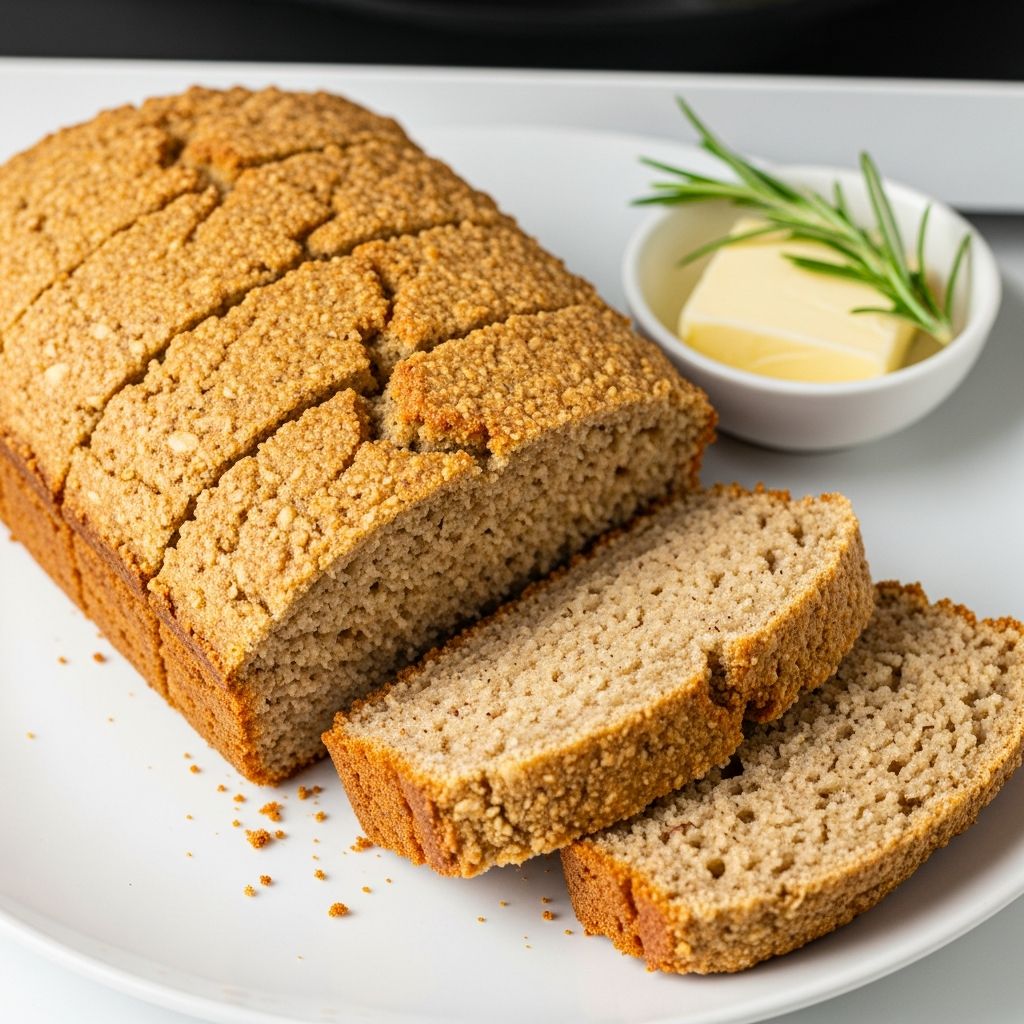
The ketogenic diet has transformed how millions approach nutrition, emphasizing healthy fats and protein while dramatically reducing carbohydrate intake. However, one consistent challenge for keto enthusiasts involves satisfying bread cravings without compromising dietary goals. Traditional bread contains substantial amounts of refined carbohydrates that can disrupt ketosis, making convenient alternatives essential for long-term diet adherence. The emergence of microwave-based keto bread recipes has revolutionized this aspect of low-carb living, offering busy individuals a practical method to enjoy bread-like products within minutes rather than hours.
Understanding the Microwave Keto Bread Revolution
Microwave keto bread represents a paradigm shift in low-carb baking technology. Unlike traditional bread recipes requiring precise timing, multiple rises, and sophisticated equipment, this modern approach leverages microwave energy to create edible bread products in roughly 90 seconds. The simplicity of this method has democratized keto bread production, enabling anyone with basic kitchen equipment to participate in this culinary innovation. This acceleration in preparation time addresses a primary obstacle preventing consistent adherence to ketogenic eating patterns: the perceived inconvenience of maintaining dietary compliance while managing busy schedules.
The fundamental principle underlying this technique involves combining specialized low-carb flour alternatives with binding agents and proteins, then exposing the resulting mixture to microwave radiation. This cooking method generates moisture and heat simultaneously, creating the bread-like structure and texture that traditional ovens require significantly longer to achieve. The speed of this process transforms occasional indulgences into convenient daily staples.
Essential Ingredients and Their Functions
Creating successful microwave keto bread depends upon understanding how individual ingredients contribute to the final product’s texture, nutritional profile, and flavor characteristics. Rather than selecting random components, strategic ingredient selection ensures optimal results while maintaining ketogenic macronutrient ratios.
Flour Alternatives for Carbohydrate Reduction
Almond flour serves as the primary structural foundation in most microwave keto bread recipes. This ingredient provides approximately 6 grams of protein per three-tablespoon serving while contributing minimal net carbohydrates to the final product. Almond flour’s mild flavor complements both sweet and savory applications, making it exceptionally versatile. The fine particle size facilitates even moisture distribution throughout the batter, promoting consistent texture development during microwave cooking.
Coconut flour offers an alternative or supplementary option for bakers seeking different flavor profiles or nutritional properties. This ingredient absorbs liquids more efficiently than almond flour, requiring careful measurement adjustments to prevent excessively dry products. Coconut flour contributes subtle sweetness and distinctive flavor that some individuals prefer, though others find it overpowering in bread applications.
Binding and Leavening Agents
Baking powder functions as the essential leavening agent in microwave keto bread formulations. This chemical compound releases gas bubbles when exposed to moisture and heat, creating the airiness characteristic of traditional bread crumb structures. Typically, recipes employ half-teaspoon quantities, providing sufficient lift without producing undesirable metallic flavors associated with excessive baking powder consumption.
Eggs serve dual purposes within these recipes: they provide moisture for batter consistency and contribute protein that supports the bread’s structural integrity as it cooks. Large eggs offer standardized liquid and protein content, ensuring recipe consistency across multiple preparations.
Fat Components and Flavor Enhancement
Melted butter contributes richness and facilitates moisture distribution throughout the batter. Beyond functional purposes, butter provides essential fatty acids central to ketogenic nutrition philosophy, helping consumers achieve appropriate macronutrient ratios. Coconut oil presents an alternative fat source for individuals avoiding dairy products, offering similar functional properties while introducing subtle coconut undertones.
Optional salt enhancement amplifies flavor complexity, counteracting blandness that sometimes accompanies low-carb baking applications. Even quarter-teaspoon quantities noticeably improve palatability without adding detectable saltiness.
Step-by-Step Preparation and Cooking Methodology
Success with microwave keto bread requires methodical attention to ingredient combination sequence and microwave specifications. While individual variations exist across recipes, fundamental principles remain consistent.
Initial Preparation Phase
Begin by combining dry ingredients—almond flour, coconut flour (if applicable), baking powder, and salt—in a microwave-safe container measuring approximately four inches in diameter. This preliminary step prevents ingredient clumping and ensures even distribution of leavening agents throughout the batter. Using containers with adequate depth prevents overflow during microwave cooking, as these recipes produce modest expansion during the heating process.
Liquid Ingredient Integration
In separate containers, combine melted butter or coconut oil with beaten eggs and water (if the recipe includes this component). This approach prevents premature interaction between leavening agents and liquid ingredients, maintaining optimal gas production during cooking. Thoroughly blend wet ingredients until homogenous, eliminating egg white streaks that indicate incomplete mixing.
Batter Assembly
Pour wet ingredients into dry components, stirring vigorously until smooth batter forms. This stage requires attention to thoroughness—inadequate mixing results in flour pockets and inconsistent texture. Simultaneously, gently tap the container against work surfaces several times to eliminate air bubbles trapped within the batter. While small bubbles contribute to desired texture, larger pockets create unsightly voids in finished bread.
Microwave Cooking Parameters
Place prepared containers in microwave ovens and set cooking duration to 90 seconds at high power. Microwave wattage significantly affects cooking outcomes; standard 900-1000W models typically achieve optimal results with this timing. Lower-wattage units (600W) may require 100-110 seconds, while higher-wattage models (1200W) might need only 75-80 seconds. Observing the first batch’s results allows for personal microwave adjustment, ensuring future success. Remove containers carefully, as they become extremely hot during microwave cooking. Allow bread to cool slightly before handling, preventing burns while facilitating removal from containers.
Post-Cooking Preparation and Serving Options
Immediately after microwave cooking, the bread requires minimal additional preparation to achieve desired eating characteristics.
Texture Optimization Through Toasting
While edible immediately after microwave cooking, many consumers report substantially improved texture following toasting in conventional toasters or toaster ovens. This secondary heating removes residual moisture, creating crispier exteriors while maintaining softer interiors. Alternatively, pan-frying bread slices in butter produces similar textural improvements while adding rich flavor complexity.
Structural Modifications for Specific Applications
Slicing cooked bread in half produces two usable portions suitable for sandwich construction or serving with toppings. The cylindrical shape resulting from mug-based cooking permits varied slicing approaches—vertical cuts create two thick slices, while horizontal cuts produce thinner portions suitable for open-faced sandwich preparations.
Topping and Serving Suggestions
Freshly cooked or toasted bread accepts diverse toppings and preparations:
- Spreading with butter or cream cheese provides immediate satisfaction while contributing additional healthy fats
- Layering with almond butter creates nutty flavor combinations while boosting protein content
- Constructing traditional sandwiches with deli meats, cheese, and vegetables maintains familiar eating experiences
- Assembling burger buns with ground beef patties and toppings offers substantial meal options
- Hot dog bun applications utilize the bread’s structural integrity for casual entertaining
Nutritional Advantages and Dietary Considerations
Microwave keto bread delivers significant nutritional advantages over conventional bread products, directly supporting ketogenic lifestyle objectives.
Carbohydrate Management
Standard recipes produce final products containing approximately 1-5 grams net carbohydrates per serving, compared to 20-40 grams in typical commercial bread products. This dramatic reduction enables consistent macronutrient tracking while permitting regular bread consumption within ketogenic frameworks.
Protein and Healthy Fat Distribution
Each serving provides 4-8 grams of protein derived primarily from eggs and flour alternatives. Butter and coconut oil contribute essential fatty acids essential for ketogenic macronutrient achievement, typically providing 8-12 grams fat per serving.
Allergen Considerations and Dietary Accommodation
Naturally gluten-free formulations accommodate individuals managing celiac disease or gluten sensitivity. Recipes excluding dairy products support vegan and lactose-intolerant populations through coconut oil substitutions. However, eggs remain essential in current formulations—allergic individuals require specialized recipe development before attempting preparation.
Common Challenges and Practical Solutions
Troubleshooting problematic outcomes ensures consistent success across multiple preparation attempts.
Addressing Moisture Issues
Excessively wet or dense bread results from insufficient microwave cooking duration or excessive water additions. Solution: slightly extend microwave cooking (add 10-15 seconds) and reduce water content in subsequent attempts by approximately one tablespoon.
Preventing Texture Defects
Large air pockets and uneven crumb structures indicate inadequate air bubble removal before cooking. Solution: tap containers more vigorously against work surfaces immediately before microwave placement, ensuring bubble consolidation.
Managing Flavor Concerns
Metallic or unpleasant aftertastes suggest excessive baking powder. Solution: reduce baking powder to one-quarter teaspoon in future attempts, as this modification typically eliminates off-flavors while maintaining adequate rise.
Equipment and Container Selection
Container specifications significantly affect cooking outcomes and final product appearance.
Optimal Container Characteristics
Microwave-safe containers measuring approximately four inches in diameter and four inches in height accommodate standard recipe quantities while allowing adequate space for expansion. Coffee mugs, ramekins, and small ceramic bowls all function effectively. Glass containers facilitate visual monitoring of cooking progress, while ceramic containers distribute heat more evenly.
Preparation and Maintenance
Lightly oiling container interiors prevents sticking and facilitates removal of finished bread. This step, while optional, dramatically simplifies post-cooking cleanup and improves structural integrity of removed bread.
Frequently Asked Questions About Microwave Keto Bread
Can microwave keto bread be prepared in advance and stored?
Yes. Cooled bread maintains quality in sealed containers at room temperature for 2-3 days or refrigerated for up to one week. Freezing extends shelf life to three months. Reheating in toasters or microwave restores desirable texture before consumption.
Are recipe modifications possible for specific dietary preferences?
Extensive variations exist. Almond flour can be partially replaced with coconut flour (maintaining 1:2 volume ratios), nuts can be ground into supplementary flour, and various extracts enhance flavor profiles. However, significant formula changes require careful testing as ingredient interactions affect final results.
What explains inconsistent results across multiple preparation attempts?
Microwave wattage variations, ingredient measurement precision, and container selection differences account for outcome inconsistencies. Documenting personal microwave’s specific cooking duration and adjusting subsequent attempts accordingly ensures improved consistency.
How does microwave keto bread compare nutritionally to commercial low-carb alternatives?
Homemade preparation permits ingredient control absent in commercial products, typically resulting in superior nutritional profiles with reduced additive content while maintaining comparable carbohydrate levels.
Creative Applications and Meal Integration
Beyond conventional sandwich construction, microwave keto bread accommodates diverse culinary applications. Toasted cubes create salad croutons, breadcrumbs coat meats for pan-frying, and sliced portions serve as pizza bases for keto-adapted preparations. Breakfast applications include French toast adaptations using almond milk egg batter and cinnamon seasoning. Dessert possibilities emerge through minor recipe modifications introducing vanilla extract and sweeteners, creating bread pudding foundations or simple cake-like preparations.
Conclusion: Practical Keto Sustainability Through Innovation
Microwave keto bread democratizes low-carb baking through accessibility and speed, removing primary barriers preventing consistent ketogenic diet adherence. By requiring minimal equipment, modest ingredient lists, and approximately two minutes total preparation time, this technique transforms theoretical dietary commitment into practical daily reality. Whether pursuing therapeutic ketogenic diets for medical purposes or adopting low-carb eating for general wellness, microwave keto bread offers reliable, reproducible solutions satisfying fundamental bread cravings while maintaining nutritional integrity. Experimentation with recipe variations, topping combinations, and serving applications transforms routine sustenance into enjoyable culinary experiences, ensuring long-term dietary satisfaction and success.
References
- Keto Recipe Swap – Keto 90 Second Mug Bread — Keto Recipe Swap. Accessed April 2026. https://www.ketorecipeswap.com/keto-90-second-mug-bread/
- Wholesome Yum – 90 Second Keto Bread (Best Texture) — Wholesome Yum. Accessed April 2026. https://www.wholesomeyum.com/keto-90-second-bread-recipe/
- Sweet As Honey – 90-Second Keto Bread (5.4g Net Carbs) — Sweet As Honey. Accessed April 2026. https://www.sweetashoney.co/90-second-keto-bread-microwave-bread/
- Eating on a Dime – 90 Second Keto Bread — Eating on a Dime. Accessed April 2026. https://www.eatingonadime.com/the-best-90-second-bread-recipe/
- Jennifer Banz – Keto Bread in 90 Seconds! Low Carb with Jennifer — Jennifer Banz. Accessed April 2026. https://jenniferbanz.com/90-second-microwave-bread
Similar Articles





Read full bio of Sneha Tete