Mastering Simple Syrup: Recipes and Uses
Unlock the sweet potential of simple syrup with easy recipes, creative variations, and pro tips for cocktails, desserts, and more.
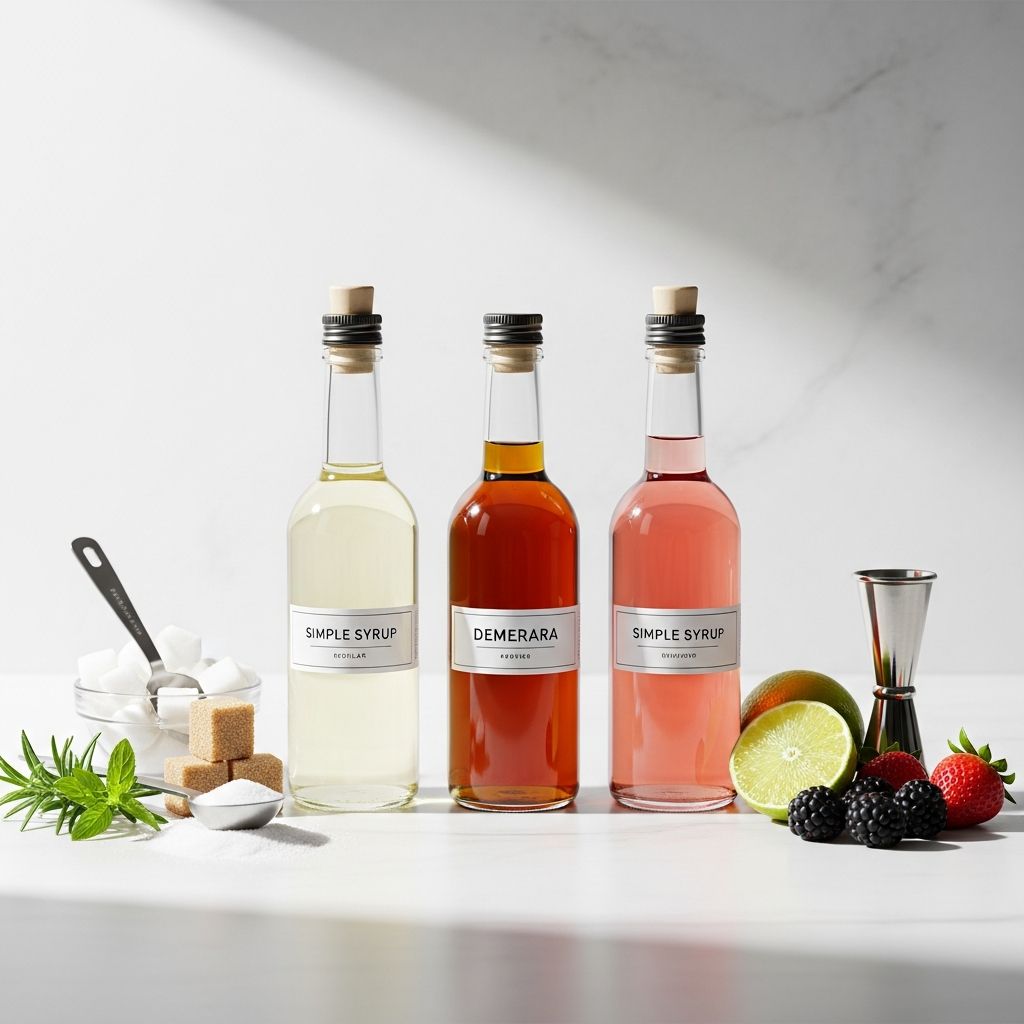
Simple syrup stands as a cornerstone in the world of culinary arts, offering a versatile sweetener that dissolves effortlessly into liquids. Whether you’re crafting signature cocktails, enhancing baked goods, or experimenting with homemade sodas, understanding this basic mixture opens doors to endless creativity. Far from being just sugar and water, simple syrup serves as a canvas for flavors, textures, and innovations that elevate everyday cooking and mixology.
The Basics of Simple Syrup Creation
At its core, simple syrup combines granulated sugar and water in equal parts, heated until fully dissolved. This 1:1 ratio yields a liquid sweetener that’s pourable and mixes seamlessly, avoiding the graininess of undissolved sugar. For those seeking thicker consistency, a rich syrup uses a 2:1 sugar-to-water ratio, ideal for certain desserts or colder beverages where more sweetness is desired without excess dilution.
To prepare, combine ingredients in a saucepan over medium heat. Stir gently as the mixture warms, ensuring no sugar crystals linger on the pan’s sides. Once clear and smooth—typically within 5 minutes—remove from heat and cool. This method preserves clarity and prevents caramelization, maintaining the syrup’s neutral profile.
- Ingredients for classic version: 1 cup sugar, 1 cup water.
- Tools needed: Saucepan, whisk or spoon, airtight container for storage.
- Yield: About 1.5 cups, lasting up to a month refrigerated.
Science plays a key role here: sugar’s solubility increases with temperature, allowing full integration without saturation issues at room temperature. According to the United States Department of Agriculture (USDA), sucrose solubility reaches approximately 200 grams per 100 ml of water at boiling point, far exceeding room temperature limits, making heat essential for efficiency.1
Flavor Infusions: Taking Syrup to the Next Level
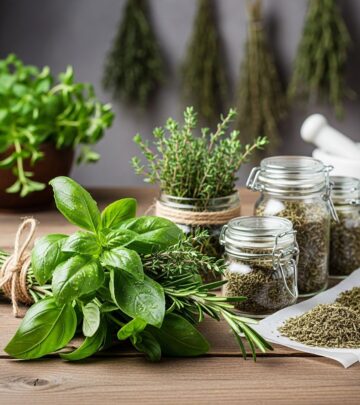
Plain simple syrup shines in purity, but infusions transform it into a flavor powerhouse. Introduce herbs like mint or basil by muddling fresh leaves before heating, or steep citrus peels post-cooling for bright notes without bitterness. Spices such as ginger, cinnamon, or vanilla pods release aromas slowly, best simmered gently to extract essences without overpowering.
| Infusion Type | Key Ingredients | Steeping Time | Best Uses |
|---|---|---|---|
| Herbal | Mint, rosemary, lavender | 30 minutes to 2 hours | Cocktails, iced tea |
| Citrus | Lemon zest, orange peel | 1-4 hours | Lemonade, sorbets |
| Spicy | Ginger slices, chili flakes | 20-60 minutes | Margaritas, glazes |
| Fruit | Berries, pineapple chunks | 4-24 hours cold | Desserts, sodas |
For fruit-based versions, simmer berries or stone fruits directly in the syrup, then strain for a vibrant hue and taste. Cold infusion methods preserve delicate flavors, like using overnight steeping for peaches, avoiding heat-induced dullness. Experiment with combinations, such as hibiscus and lime for tart florals or coffee beans for a caffeinated twist.
Applications in Cocktails and Mixology
Bartenders worldwide rely on simple syrup for balanced sweetness in drinks. In a classic daiquiri, it tempers lime’s acidity; in old fashioneds, it harmonizes bitters and whiskey. Flavored variants shine in modern mixology: lavender syrup elevates gin tonics, while ginger adds fire to mules.
Pro tip: Chill syrup before use to minimize ice melt in shaken cocktails, preserving strength. The International Bartenders Association (IBA) standardizes recipes incorporating simple syrup, underscoring its role in professional libations.2 For home enthusiasts, start with a gimlet: gin, lime juice, and simple syrup shaken vigorously over ice.
- Old Fashioned: 2 oz bourbon, 2 dashes bitters, 0.5 oz simple syrup, orange twist.
- Mojito: Rum, lime, mint, soda, 0.75 oz simple syrup.
- Paloma: Tequila, grapefruit soda, lime, salted rim with agave-infused syrup.
Sweetening Desserts and Baked Goods
Beyond drinks, simple syrup soaks into cakes for moisture, like in tres leches where it mingles with evaporated and condensed milks. Brush it on scones post-baking for subtle gloss and tenderness, or drizzle over fruit salads to prevent browning and add sheen.
In pastry, flavored syrups glaze tarts or poach pears, infusing deep tastes. A vanilla simple syrup poured over pound cake revives day-old slices, while berry versions top cheesecakes. For sorbets, it provides the ideal sugar base, preventing iciness as per food science principles from Harold McGee’s On Food and Cooking, where sugar lowers freezing points.3
Recipe highlight: Berry Simple Syrup Sorbet
Ingredients: 2 cups berry syrup, 1 cup water, juice of 1 lemon.
Churn in ice cream maker until smooth; freeze for 2 hours.
Healthier Twists and Alternatives
Traditional syrup packs calories, but alternatives like honey or agave dissolve similarly when diluted. For low-sugar options, stevia extracts or monk fruit blends mimic sweetness without carbs. Coconut sugar yields a caramel note, while brown rice syrup offers gluten-free viscosity.
Nutritional data from USDA indicates 1 tablespoon of simple syrup delivers about 50 calories, all from sugar.1 Balance with unsweetened bases in recipes. Vegan-friendly from the start, these swaps cater to diverse diets without sacrificing utility.
Storage, Shelf Life, and Troubleshooting
Store in sterilized glass jars in the fridge for up to 4 weeks; freezer bags extend life to 6 months. Signs of spoilage include mold or off odors—discard immediately. Cloudy syrup? Reheat gently with a splash of water to clarify.
Common issues: Overheating causes crystallization; combat by adding corn syrup or lemon juice as inverters. Too thin? Reduce further for rich syrup. Proper hygiene during prep prevents bacterial growth, as outlined in FDA food safety guidelines.4
Creative Recipes to Try at Home
Chili-Lime Margarita Syrup: Simmer lime zest, juice, and minced chilies in 1:1 syrup for 10 minutes. Strain; use 0.75 oz per drink.
Vanilla Bean Poaching Liquid: Split pods, scrape seeds into hot syrup; poach apples for 20 minutes.
Hibiscus Iced Tea Base: Steep dried flowers overnight; sweeten teas or lemonades.
These recipes showcase syrup’s adaptability, from spicy sips to elegant desserts.
Frequently Asked Questions
What is the standard ratio for simple syrup?
Classic is 1:1 sugar to water by volume; rich is 2:1 for denser sweetness.
Can I use simple syrup in coffee?
Absolutely—it blends instantly, outperforming granulated sugar in hot or iced brews.
How do I make it without heat?
Shake vigorously in a jar for 5 minutes; it works but takes longer to fully dissolve.
Is simple syrup gluten-free?
Yes, using pure cane sugar and water; check additives in commercial versions.
What’s the best way to flavor it for baking?
Infuse with extracts or zests post-cooling to retain volatile aromas.
References
- National Nutrient Database for Standard Reference — United States Department of Agriculture. 2019-04-01. https://fdc.nal.usda.gov/
- IBA Official Cocktails — International Bartenders Association. 2020-10-15. https://iba-world.com/
- On Food and Cooking: The Science and Lore of the Kitchen — Harold McGee, Scribner. 2004-11-23 (revised edition remains authoritative for freezing point depression principles). https://www.penguinrandomhouse.com/books/196788/on-food-and-cooking-by-harold-mcgee/
- Food Safety Guidelines for Home Canning — U.S. Food and Drug Administration. 2023-07-12. https://www.fda.gov/food/people-risk-foodborne-illness/food-safety-home-canners
Similar Articles



Read full bio of Sneha Tete