Mastering Savory Quick Bread Baking
Learn the fundamentals of creating restaurant-quality savory quick breads at home
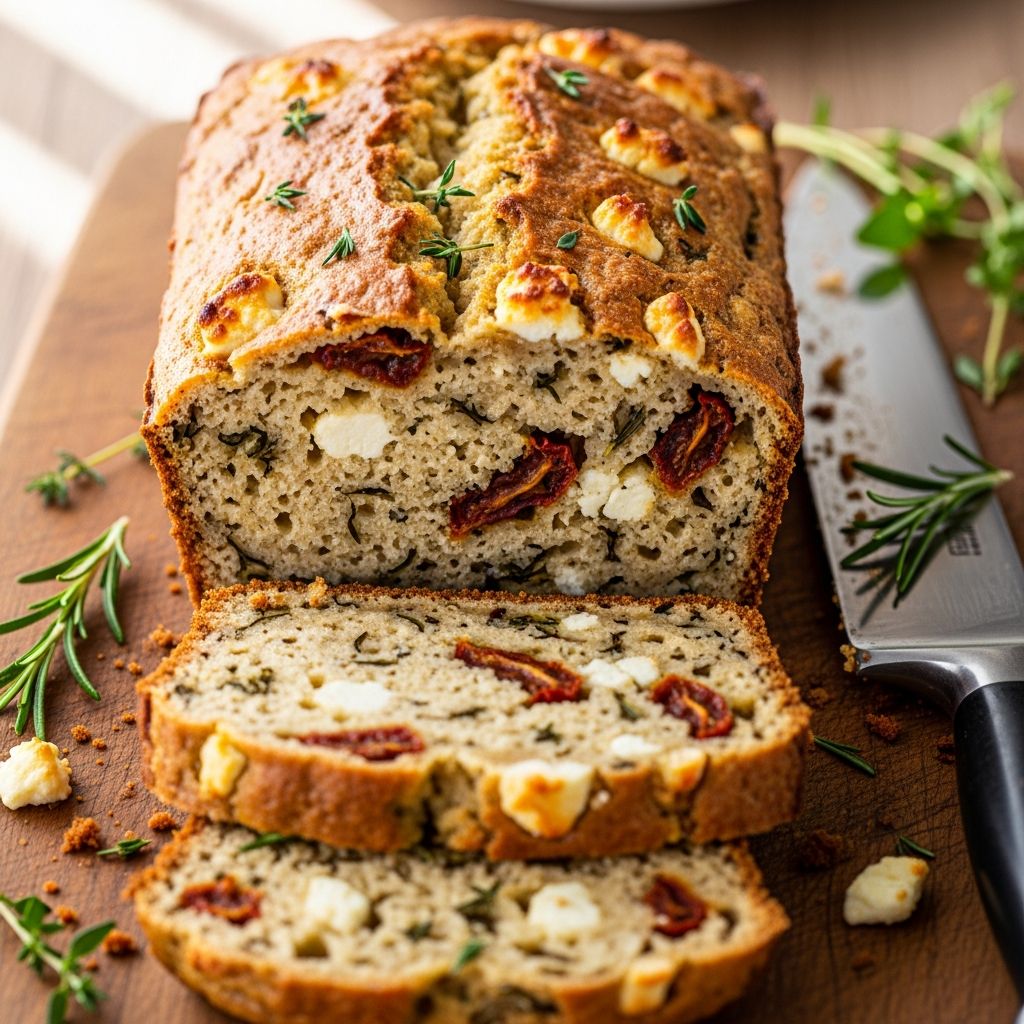
Mastering Savory Quick Bread Baking: A Complete Guide to Effortless Homemade Loaves
Savory quick breads represent one of the most approachable baking projects for both novice and experienced home bakers. Unlike traditional yeasted breads that demand patience, precise timing, and careful monitoring of fermentation, quick breads offer an alternative that prioritizes speed and simplicity without sacrificing flavor or texture. These versatile loaves can be prepared, baked, and enjoyed within an hour, making them ideal for weeknight dinners, potlucks, and entertaining guests.
The fundamental appeal of savory quick breads lies in their flexibility and reliability. Whether you’re looking to create a sophisticated cheese and herb loaf for a dinner party or a straightforward base for experimentation, quick breads adapt to your preferences and available ingredients. This guide explores the essential techniques, ingredient science, and creative possibilities that transform baking quick breads from an intimidating project into an accessible culinary skill.
Understanding the Quick Bread Foundation
Quick breads derive their name from their leavening method: they rely on chemical leaveners like baking powder and baking soda rather than yeast to achieve their rise. This fundamental difference eliminates the fermentation period, allowing the entire process to occur in a single, uninterrupted session. The chemical reaction between acidic and alkaline components begins immediately upon mixing, meaning the batter must move from bowl to oven without unnecessary delay.
The basic structure of savory quick bread comprises four essential component groups: dry ingredients, wet ingredients, fat, and flavor elements. Understanding how these components interact provides the foundation for creating consistently excellent results.
The Science Behind Dry Ingredients
Flour serves as the structural backbone of quick breads, providing the protein matrix that traps gas bubbles created by leavening agents. All-purpose flour remains the most versatile choice, offering sufficient protein content for structure while maintaining tender crumb. Self-rising flour presents an alternative that combines flour with baking powder and salt, reducing the number of separate ingredients required. For those accommodating dietary restrictions, gluten-free flour blends engineered for baking applications deliver comparable results when substituted in equal measure.
Baking powder and baking soda work in concert to create the lift characteristic of quality quick breads. Baking powder, which contains both acid and base components, activates upon hydration, producing carbon dioxide gas throughout the batter. Baking soda requires an acidic ingredient to trigger its reaction, whether that comes from buttermilk, yogurt, or added vinegar. The interplay between these two leaveners determines the bread’s rise, crumb structure, and final density.
Wet Ingredients and Their Roles
Eggs bind ingredients together while contributing to structure and richness. Room-temperature eggs incorporate more efficiently into batters, promoting even distribution of moisture. Milk or buttermilk provides hydration while influencing flavor and acidity. Buttermilk, with its naturally tangy profile and slight acidity, pairs particularly well with savory applications. For enhanced tangy notes, some recipes employ vinegar additions that react with baking soda to amplify the leavening effect.
Oil or melted butter contributes moisture and tenderness while carrying fat-soluble flavor compounds. Different fats impart distinct characteristics: vegetable oil produces a more neutral crumb, while olive oil introduces Mediterranean notes appropriate for herb-forward recipes.
The Art of Combining Ingredients
The mixing method distinguishes quick breads from other baked goods and directly impacts final texture. Unlike cookie and cake batters that benefit from thorough mixing, quick bread batters demand restraint. Excessive stirring develops gluten strands that create dense, tough crumbs rather than the tender, open structure desired in quick breads.
Optimal Mixing Technique
The recommended approach involves combining dry ingredients thoroughly in one bowl while whisking wet ingredients separately in another. Creating a well in the center of dry ingredients before adding the wet mixture allows for controlled, minimal mixing. Using a spoon or rubber spatula, gently fold the components together until flour disappears. Small lumps remaining in the batter actually indicate proper technique—these dissolve during baking, yielding a superior crumb structure.
Savory quick breads occasionally benefit from slightly more vigorous mixing than their sweet counterparts, as additional gluten development can enhance the bread-like quality that many home bakers prefer in these loaves. This represents a delicate balance: sufficient mixing to create desirable structure without overdeveloping to the point of toughness.
When and How to Incorporate Mix-Ins
Cheese, herbs, vegetables, and other flavor additions require strategic timing. Hard ingredients like dried herbs and grated cheese can be whisked with dry ingredients, distributing evenly throughout. Fresh herbs, vegetable pieces, and tender ingredients should be folded in after combining wet and dry components, preserving texture and preventing moisture loss. This approach also prevents herbs from becoming overly fragmented during the mixing process.
Ingredient Combinations That Elevate Your Loaf
The versatility of the basic quick bread formula permits nearly limitless flavor variations. Understanding complementary ingredient pairings guides successful experimentation.
Classic Cheese and Herb Combinations
Sharp Cheddar with Bacon and Chives delivers bold, savory depth. Crispy bacon pieces folded into batter alongside sharp cheddar and fresh chives create textural contrast and pronounced umami notes. This combination appeals particularly to those seeking substantial, satisfying loaves suitable for lunch or light dinners.
Asiago and Sun-Dried Tomato with Basil presents a Mediterranean approach that introduces tangy and slightly sweet dimensions. The concentrated flavor of sun-dried tomatoes pairs naturally with basil’s anise-like notes, while nutty asiago contributes depth without overwhelming other components.
Parmesan with Fresh Thyme and Scallions offers a more delicate profile suitable for sophisticated entertaining. Fresh thyme’s subtle floral notes and bright scallion onion characteristics complement parmesan’s umami richness without creating overwhelming intensity.
Beyond Traditional Cheese: Alternative and Complementary Additions
While cheese appears in most savory quick breads, equally compelling versions emerge from thoughtful exploration of other ingredients. Caramelized onions provide natural sweetness and savory depth. Roasted garlic contributes mellow pungency. Olives introduce briny salinity. Even chopped vegetables like bell peppers or corn kernels add moisture and visual interest.
The key principle involves balancing moisture content. Vegetables release water during baking, potentially creating soggy crumbs if too much additional liquid is included. Reducing milk volume slightly when incorporating high-moisture additions maintains proper batter consistency.
Temperature, Timing, and Texture Optimization
Oven temperature dramatically influences quick bread outcomes. Most recipes specify 350-375°F (175-190°C), a range that permits thorough baking without exterior browning occurring before interior completion. Loaves typically require 35-45 minutes, depending on pan size and specific recipe formulation.
Determining Doneness
The traditional knife test remains the most reliable indicator of completion. A knife or toothpick inserted into the loaf’s center should emerge clean or with only a few moist crumbs clinging to it. A wet, batter-coated knife indicates additional baking time. The bread’s exterior should display golden-brown coloring, and a gentle tap on the bottom should produce a hollow sound, confirming that interior structure has set properly.
The Importance of Cooling
Allowing baked quick breads to cool within the pan for 10-15 minutes before turning out onto a wire rack permits internal structure to set sufficiently for safe removal. Attempting to remove breads too quickly risks structural collapse, while extended cooling in the pan can trap excess moisture, potentially resulting in soggy bottoms.
Texture Characteristics and What They Indicate
Quality savory quick breads exhibit moist, tender crumbs with subtle open structure—not dense and heavy like underbaked cake, nor overly airy and fragile. Achieving this balance requires attention to multiple factors working in concert.
Moist vs. Dense: Finding the Middle Ground
Moisture retention depends on both ingredients and technique. Adequate fat content maintains tenderness, while excessive stirring creates toughness regardless of fat quantity. If breads consistently emerge dense, evaluate mixing intensity first; if they’re persistently dry, consider adding an extra tablespoon of oil or milk to future batches. Room-temperature ingredients incorporate more evenly, promoting consistent moisture distribution.
Crust Development
A thin, crisp crust contrasting with tender interior crumb characterizes exceptional quick breads. Brushing the loaf with melted butter immediately after removing from the oven enhances crust quality and flavor. Some bakers prefer sprinkling cheese on the surface before baking, creating a flavorful, crunchy top layer.
Preparation and Storage Strategies
Quick breads accommodate both advance preparation and last-minute baking. Batters can be assembled several hours ahead and refrigerated, though leavening action will have begun, necessitating slightly reduced baking times. Baked loaves maintain quality for 2-3 days when wrapped and stored at room temperature, extending to one week when refrigerated. Freezing whole loaves or individual slices preserves quality for up to three months, with frozen slices reheating effectively in toasters or ovens.
Troubleshooting Common Quick Bread Challenges
Overly Dense Crumb: Indicates excessive mixing or insufficient leavening. Reduce stirring duration or verify that baking powder and soda haven’t expired. These leavening agents gradually lose potency over time, compromising rise.
Dry Texture: Suggests either excessive baking time or insufficient fat. Reduce oven time by 5 minutes in future attempts, or increase oil by one tablespoon.
Sunken Center: Often results from oven door opening during baking, disrupting rising, or insufficient oven temperature. Maintain closed door except for final doneness check, and verify oven temperature with an independent thermometer.
Uneven Rising: Reflects inconsistent batter distribution or uneven oven heat. Spread batter more deliberately, ensuring even thickness, and rotate pans halfway through baking.
Variations and Creative Directions
The basic quick bread formula invites infinite variations. Experiment with different cheese combinations, incorporating both sharp and mild varieties for complexity. Explore international flavor profiles: Mediterranean with sun-dried tomatoes and basil, Mexican-inspired with jalapeños and sharp cheddar, or Asian-influenced using scallions and a touch of sesame oil. Protein additions like crumbled sausage or chopped nuts enhance substance and appeal.
Vegetable-forward versions featuring roasted garlic, caramelized onions, or finely chopped mushrooms create sophisticated loaves suitable for vegetarian entertaining. The formula’s adaptability means that each baker can develop signature variations reflecting personal preferences and seasonal ingredients.
Equipment Considerations
Standard 9-by-5-inch loaf pans work well for most recipes, though muffin tins and small cake pans offer alternatives that create different portion sizes and surface-area-to-interior ratios. Parchment paper eliminates sticking concerns while facilitating easy removal. Quality pans with even heat distribution prevent hot spots that cause uneven browning or burning.
Frequently Asked Questions
Can I substitute all-purpose flour with whole wheat flour?
Whole wheat flour can replace up to half the all-purpose flour, creating nuttier flavor and denser texture. Complete substitution requires additional liquid, as whole wheat flour absorbs more moisture than refined flour.
What happens if I don’t have buttermilk?
Create a substitute by stirring one tablespoon of lemon juice or vinegar into one cup of milk. Let sit for five minutes before using, allowing the acid to curdle the milk slightly, creating buttermilk’s characteristic tang and acidity.
How do I prevent the top from browning too quickly?
Cover the loaf loosely with aluminum foil after 25-30 minutes of baking, preventing excessive browning while interior continues cooking. Remove foil for the final 5-10 minutes to restore color if needed.
Can I make this recipe gluten-free?
Substitute all-purpose flour with a 1:1 gluten-free baking blend designed for quick breads. These blends typically include xanthan gum to replicate gluten’s binding properties. Some recipes employ almond flour mixed with gluten-free flour for improved texture and moisture retention.
Why is my bread gummy inside despite appearing done?
This often indicates insufficient baking time, as quick breads’ moist texture can mislead. Insert a knife into the center; if batter clings rather than just moist crumbs, return to oven for 5-10 additional minutes. Verify oven temperature accuracy with a thermometer.
References
- Easy Herb Quick Bread Recipe — The Mindful Hapa. https://themindfulhapa.com/easy-herb-quick-bread-recipe/
- Savory Quick Bread with Asiago Cheese and Sun-Dried Tomato — Sally’s Baking Addiction. https://sallysbakingaddiction.com/asiago-cheese-sun-dried-tomato-quick-bread/
- Basic Quick Bread Recipe: Sweet or Savory — Baker Bettie. https://bakerbettie.com/basic-quick-bread-recipe-sweet-or-savory/
- Cheese, Herb & Garlic Quick Bread (No Yeast) — RecipeTin Eats. https://www.recipetineats.com/cheese-herb-garlic-quick-bread/
Similar Articles





Read full bio of Sneha Tete