Mastering Herb Preservation
Unlock year-round flavor by preserving fresh herbs with simple, effective techniques for fridge, freezer, and pantry storage.
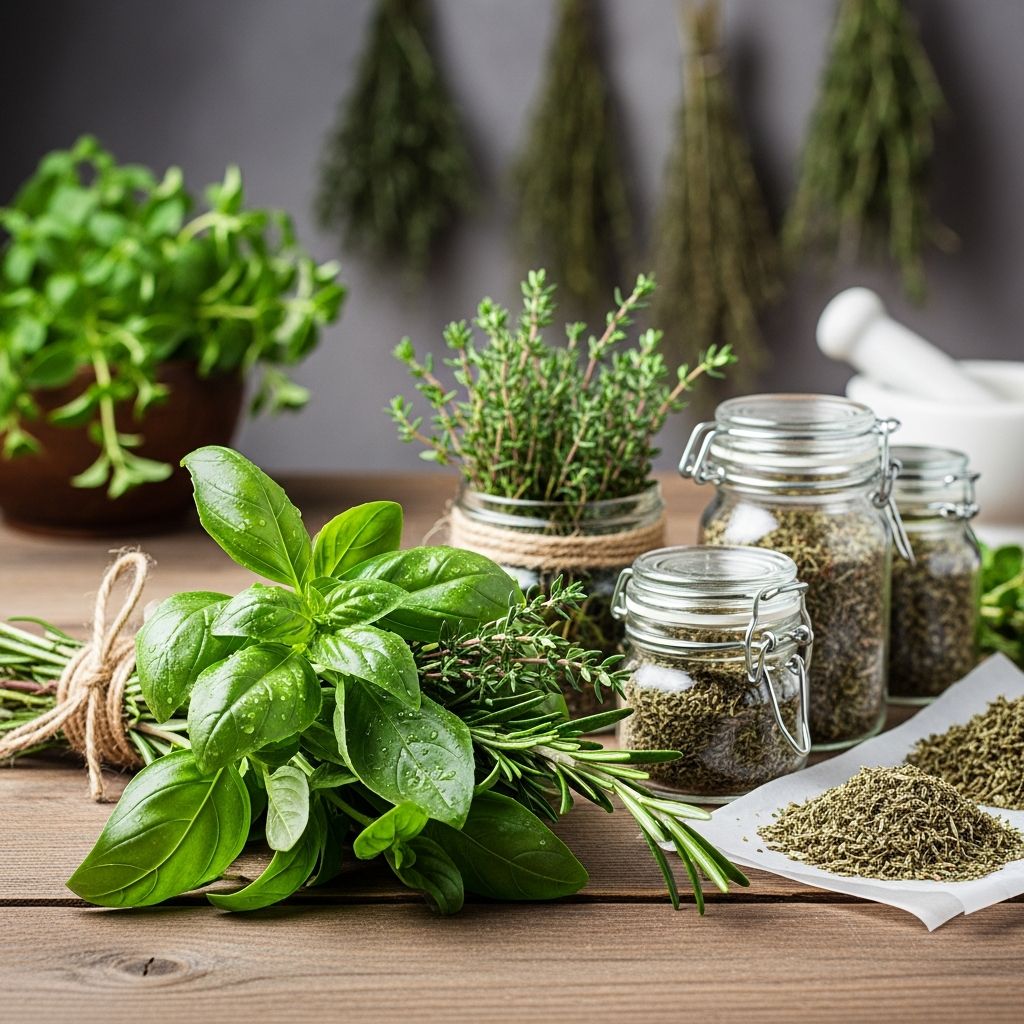
Fresh herbs elevate everyday meals with their vibrant aromas and flavors, but they often wilt quickly after purchase or harvest. Learning to preserve them properly allows you to enjoy garden-fresh taste throughout the year, reducing waste and saving money. This guide explores reliable strategies for short-term refrigeration, long-term freezing, and traditional drying, tailored to different herb types.
Understanding Herb Types for Optimal Storage
Herbs fall into two main categories:
soft, leafy varieties
like basil, cilantro, parsley, and dill, which are delicate and high in water content; andhardy, woody types
such as rosemary, thyme, oregano, and sage, which have tougher stems and more oils. Soft herbs spoil faster and benefit from moisture retention, while hardy ones tolerate drier conditions better. Matching the method to the herb ensures maximum freshness.- Soft herbs: Need humidity to prevent wilting; ideal for water-based or damp towel storage.
- Hardy herbs: Thrive with airflow; great for bundling or freezing whole.
Short-Term Fridge Storage Techniques
For herbs you’ll use within a week or two, refrigeration extends life without altering texture much. Key is balancing moisture and air circulation to mimic their natural environment.
Damp Towel Wrapping
This versatile approach works for most herbs. Start by trimming stem ends under running water to remove any slime. Pat the bunch dry, then roll the stems loosely in a slightly moistened paper towel. Slip into a perforated plastic bag or one with small holes poked in it, and store in the crisper drawer. Refresh the towel every few days if it dries out. Soft herbs like parsley and chives can last 10-14 days this way.
Water Jar Method
Treat herbs like cut flowers: recut stems at a 45-degree angle, place in a jar with 1-2 inches of water, and loosely cover leaves with a plastic bag for humidity. Change water daily. Basil prefers room temperature to avoid black spots, but others chill well for up to three weeks. In dry homes, the bag traps moisture; skip it in humid spots.
Layered Container Approach
For pre-washed herbs, line a airtight container with a dry paper towel, add flat layers of leaves without overcrowding, top with another towel, and seal. This suits meal-prep scenarios but shortens shelf life slightly compared to unwashed storage.
| Herb Type | Best Fridge Method | Expected Lifespan | Tips |
|---|---|---|---|
| Basil | Water jar (room temp) | 5-7 days | Avoid fridge cold; pinch leaves from top. |
| Cilantro/Parsley | Damp towel or water jar | 10-21 days | Trim stems weekly; refresh water. |
| Rosemary/Thyme | Damp towel loose | 2-3 weeks | Good airflow prevents mold. |
| Dill/Chives | Damp towel | 7-10 days | Handle gently to avoid bruising. |
Freezing for Extended Freshness
When herbs abound, freezing captures peak flavor for months. Though texture softens, they’re perfect for cooking where vibrancy isn’t key. Freeze promptly after harvest for best results.
Oil or Water Ice Cubes
Chop soft herbs finely, pack into trays, cover with oil or water, and freeze. Pop cubes into bags for easy portioning. Use in stews, dressings, or sautés—oil cubes add richness to Mediterranean dishes. Basil pesto cubes shine in pasta sauces.
Whole Sprig Freezing
Hardy herbs freeze intact: rinse, pat dry, lay flat on a sheet to flash-freeze, then bag. Grab sprigs as needed without thawing the rest. Rosemary and sage retain needle-like structure well.
Compound Butters and Purees
Blend herbs with butter, salt, and garlic; roll into logs or cube for freezing. Purees in small bags flatten for quick thawing. These transform herbs into versatile flavor boosters.
Label all freezer items with dates—most last 3-6 months. Avoid refreezing thawed herbs to preserve quality.
Drying Herbs at Home
Drying concentrates flavors, making herbs shelf-stable for a year. It’s ideal for woody types but works for many soft ones too. Dry in a warm, dark spot away from direct sun.
Air-Drying Bundles
Bundle small groups (stem diameter under a quarter) with twine, insert into a paper bag for protection and airflow, and hang upside down for 1-2 weeks. Crumble dry leaves into jars. Perfect for oregano, thyme, and lavender.
Screen or Tray Drying
Spread rinsed, dry leaves singly on mesh screens or towels. Stir daily; ready when brittle (3-7 days). Dehydrator speeds this to 6-8 hours at low heat.
Oven or Dehydrator Low-Heat
For faster results, use oven at 100°F with door cracked, or a dehydrator. Monitor to prevent cooking the herbs. Store in cool, dark airtight jars.
Dried herbs are 3-4 times potent, so use sparingly. Crush just before cooking for aroma release.
Creative Preservation Beyond Basics
Infuse oils or vinegars with fresh herbs for salad dressings—simmer gently, strain, and bottle. Herb salts (blend dry herbs with sea salt) store indefinitely. Fermenting soft herbs into sauces adds tangy depth.
Troubleshooting Common Issues
- Wilting: Increase humidity with looser bags or fresher water.
- Mold: Ensure airflow; dry herbs thoroughly before storing.
- Blackening: Basil hates cold—keep counter-top.
- Flavor loss: Freeze ASAP; use frozen in heat.
Seasonal Harvesting and Sourcing Tips
Harvest morning post-dew, pre-flower for peak oils. Grow pots of perennials like rosemary indoors for steady supply. Buy loose bunches over packaged for longevity.
FAQs
Can I freeze all herbs?
Yes, but soft ones best chopped in cubes; hardy whole. Texture changes, so cook-in only.
How long do dried herbs last?
Up to 1 year in cool, dark storage; check for faded scent.
Is freezing better than drying?
Freezing retains more fresh flavor for soft herbs; drying suits woody ones.
Can I replant store-bought herbs?
Basil often roots in water; transfer to soil for ongoing growth.
What’s the best container for storage?
Glass jars for dried; zip bags for frozen; breathable for fridge.
References
- How to Make Fresh Herbs Last Longer: Basil, Cilantro, Parsley — Escoffier.edu. 2023. https://www.escoffier.edu/blog/world-food-drink/how-to-store-fresh-herbs/
- The Complete Guide to Preserving Your Home-Grown Herbs — Herbalhaven.com. 2024. https://www.herbalhaven.com/blogs/herb-journal/guide-to-preserving-home-grown-herbs
- How to Save and Store Fresh Herbs from Your Garden for Winter — Gardenary.com. 2023. https://www.gardenary.com/blog/how-to-save-and-store-fresh-herbs-from-your-garden-for-winter
- 7 Ways to Best Preserve Spring Herbs — Extension.umaine.edu (Cooperative Extension). 2024-03-18. https://extension.umaine.edu/food-health/2024/03/18/preserve-herbs/
- Best Way to Store Fresh Herbs (2 Easy Methods) — Themediterraneandish.com. 2023. https://www.themediterraneandish.com/how-to-store-fresh-herbs/
Similar Articles





Read full bio of Sneha Tete