Mastering Hallacas: Venezuela’s Christmas Gem
Discover the art of crafting authentic Venezuelan hallacas, the ultimate holiday tamale wrapped in smoky banana leaves for festive feasts.
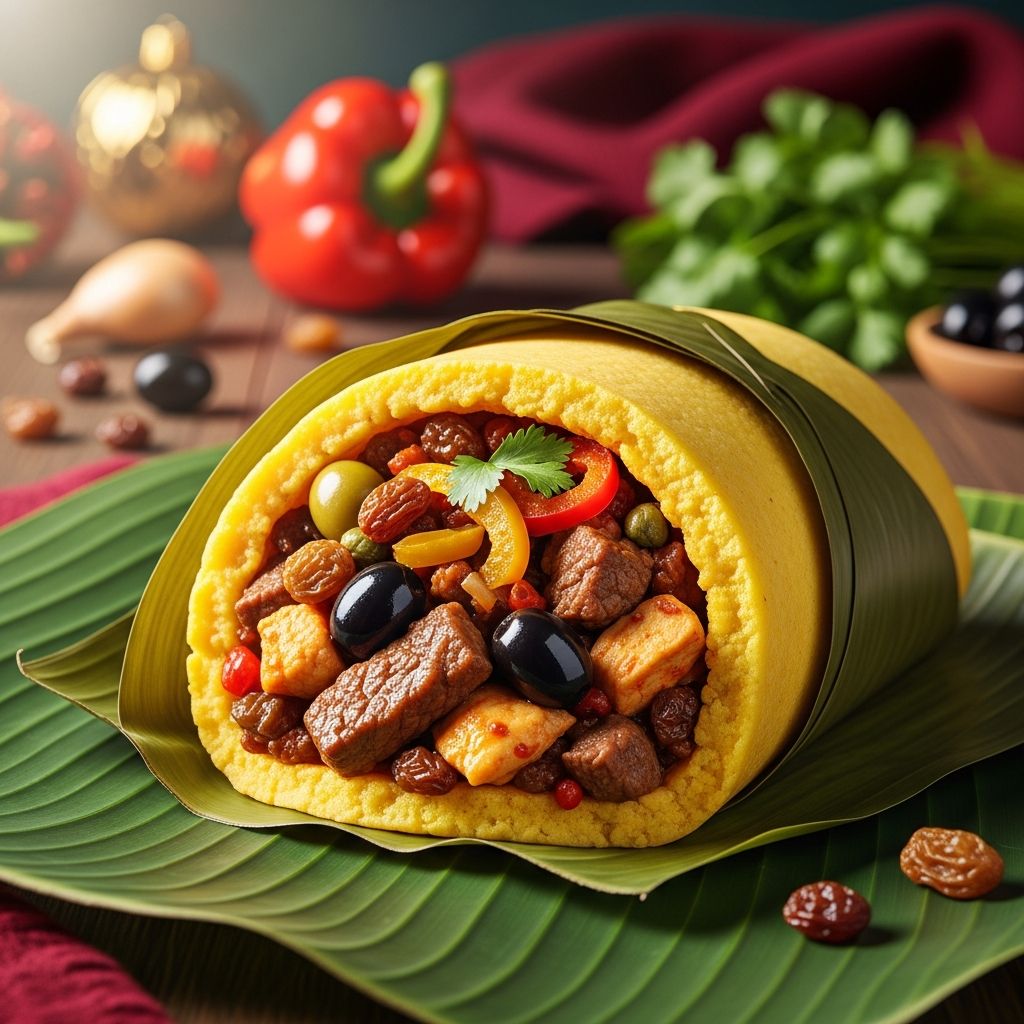
Hallacas represent the heart of Venezuelan holiday celebrations, a labor-intensive delight that brings families together during the Christmas season. These corn dough packets, filled with a savory stew and wrapped in banana leaves, offer a burst of flavors from meats, spices, and garnishes that evoke tradition and joy.
The Cultural Roots of Hallacas
Hallacas trace their origins to Venezuela’s colonial era, where indigenous, African, and Spanish influences merged to create this festive staple. Enslaved communities ingeniously combined leftover ingredients from wealthy households into a corn-based filling, wrapping it in abundant banana leaves for cooking. This dish, primarily enjoyed in December, symbolizes abundance and communal effort, with families often dedicating days to preparation.
Today, hallacas remain a cornerstone of Venezuelan Christmas dinners, extending to New Year’s Eve in some regions. Variations appear in neighboring countries like Colombia, Ecuador, and even the ABC islands, but the Venezuelan version stands out for its complex guiso (stew) and colorful toppings.
Essential Ingredients for Authentic Hallacas
Preparing hallacas for 35-50 servings requires substantial quantities, reflecting their role as a shared feast. Key components include fresh banana leaves for wrapping, precooked corn flour (Harina P.A.N.) for the masa, and a rich stew made from multiple meats.
- Banana Leaves: 5-10 kg, preferably smoked or frozen for availability; they impart a unique smoky aroma.
- Masa Base: 3-5 kg Harina P.A.N., annatto oil for golden color, broth for moisture.
- Stew Proteins: 1.5-5 kg combined beef, pork, chicken; some recipes add bacon for depth.
- Aromatics and Vegetables: Onions, leeks, garlic, bell peppers, sweet peppers for sofrito base.
- Garnishes: Raisins, green olives, capers, giardiniera pickles, potato slices, onion rings, bell pepper strips.
- Liquids and Seasonings: Sweet red wine, beef bouillon, salt, pepper.
These elements create layers of sweet, savory, tangy, and smoky notes, making each bite memorable.
Preparing the Banana Leaves
Banana leaves are the unsung hero, providing both structure and flavor. Thaw frozen leaves if using, then wipe clean and pass over an open flame to soften and release their oils—this step enhances pliability and smokiness.
Cut leaves into manageable rectangles, about 12×16 inches, ensuring the central vein runs horizontally for easy folding. Stack and keep damp to prevent drying. This foundational step sets the stage for perfect wrapping.
Crafting the Flavorful Guiso Stew
The guiso is the soul of hallacas, a slow-cooked medley of meats and vegetables. Start by boiling broth with leeks, green onions, garlic, salt, pepper, and bouillon cubes—about 7 liters for large batches.
Brown chopped beef, pork, and chicken in oil, then simmer with a vibrant sofrito of onions, garlic, leeks, bell peppers, and sweet peppers. Stir in capers and a bottle of sweet red wine, cooking until thickened. This mixture, often prepared a day ahead, allows flavors to meld deeply.
| Stew Component | Quantity (for 40 Hallacas) | Preparation Tip |
|---|---|---|
| Meats (Beef, Pork, Chicken) | 1.5 kg total | Cut into small cubes; cook until tender. |
| Sofrito Veggies | 6 onions, 3 each bell peppers | Finely chop for even distribution. |
| Wine & Capers | 1 bottle wine, 80g capers | Add wine late to preserve sweetness. |
| Broth Base | 7 liters water + seasonings | Strain aromatics after boiling. |
Making the Golden Masa Dough
The masa uses Harina P.A.N. mixed with reserved broth and annatto-infused oil. First, prepare annatto oil by simmering seeds in vegetable oil to extract their vibrant hue—strain for a smooth, red-gold liquid.
In a large bowl, combine 4 liters broth, 2 cups annatto oil, and gradually knead in corn flour until smooth and pliable, about 1/6-inch thick when spread. Season to taste; adjust color with more oil if needed. This dough encases the filling without overpowering it.
Assembling the Hallacas
Assembly is an art form, often a family assembly line. On a flat banana leaf, spread 1/2 cup masa thinly in a rectangle. Layer guiso in the center, then add garnishes: raisins, olives, chopped pickles, potato slices, chicken strips, onion rings, and pepper strips.
Fold sides inward, roll tightly like a burrito, and secure with twine. The key is even distribution to prevent leaks during boiling. Aim for compact bundles that hold shape.
- Position leaf vein horizontally.
- Spread masa evenly.
- Add 2-3 tbsp guiso.
- Top with 5-7 garnishes per hallaca.
- Fold, roll, tie securely.
Boiling and Storing for Perfection
Boil hallacas in batches in a large pot of salted water, ensuring full submersion—add extra leaves for aroma. Cook covered for 1 hour, checking tenderness. Cool, then store in freezer bags underwater for up to a year, or refrigerate for weeks.
Reheat by boiling again for 20-30 minutes. This method preserves moisture and intensifies flavors over time.
Variations and Modern Twists
While traditional recipes dominate, families adapt: some include almonds or chickpeas for texture, others use turkey for a lighter protein. Vegetarian versions swap meats for lentils and mushrooms, maintaining the guiso’s essence. Regional differences might emphasize certain garnishes, like more capers in coastal areas.
Tips for First-Time Makers
- Plan ahead: Prep stew and masa day one, assemble day two.
- Source quality banana leaves from Latin markets.
- Practice folding on extras to avoid waste.
- Enlist helpers for efficiency.
- Taste masa and guiso frequently for balance.
Nutritional Snapshot and Serving Ideas
One hallaca delivers around 400-500 calories, rich in protein from meats and carbs from corn. Serve sliced open with arroz con pollo or as a standalone star, paired with pan de jamón for a full Venezuelan Navidad platter.
FAQs
What makes hallacas different from tamales?
Hallacas use precooked corn flour, banana leaves for wrapping, and a sweeter, more garnished filling compared to corn husk-wrapped, nixtamalized masa tamales.
Can I make hallacas vegetarian?
Yes, replace meats with beans, jackfruit, or veggies in the guiso, keeping traditional garnishes for authenticity.
How long do hallacas keep?
Frozen, up to 12 months; refrigerated, 2-3 weeks. Always boil before serving.
Where to find banana leaves?
Latin American grocers, frozen sections, or online; smoke them lightly for best flavor.
Is annatto essential?
It provides the signature color and mild nutty taste; substitute with turmeric if unavailable, but color won’t match.
References
- Traditional Venezuelan Hallacas Recipe — Mommy’s Home Cooking. 2023-10-15. https://mommyshomecooking.com/traditional-venezuelan-hallacas-recipe/
- Recipe: Hallacas Venezolanas — Venezuelan Cooking WordPress. 2015-01-01. https://venezuelancooking.wordpress.com/2015/01/01/recipe-hallacas-venezolanas-venezuelan-christmas-dinner-hallacas/
- Liliana’s Hallacas, Venezuela’s Holiday Tradition — Familia Kitchen. 2022-12-01. https://familiakitchen.com/lilianas-hallacas-venezuelas-holiday-tradition/
- Hallacas — Goya Foods. 2024-05-20. https://goya.com/en/recipes/hallacas/
Similar Articles


Read full bio of Sneha Tete