Ground Beef Stir Fry: 8-Step Weeknight Recipe For Easy Success
Transform your weeknight dinners with this versatile, one-pan ground beef stir fry
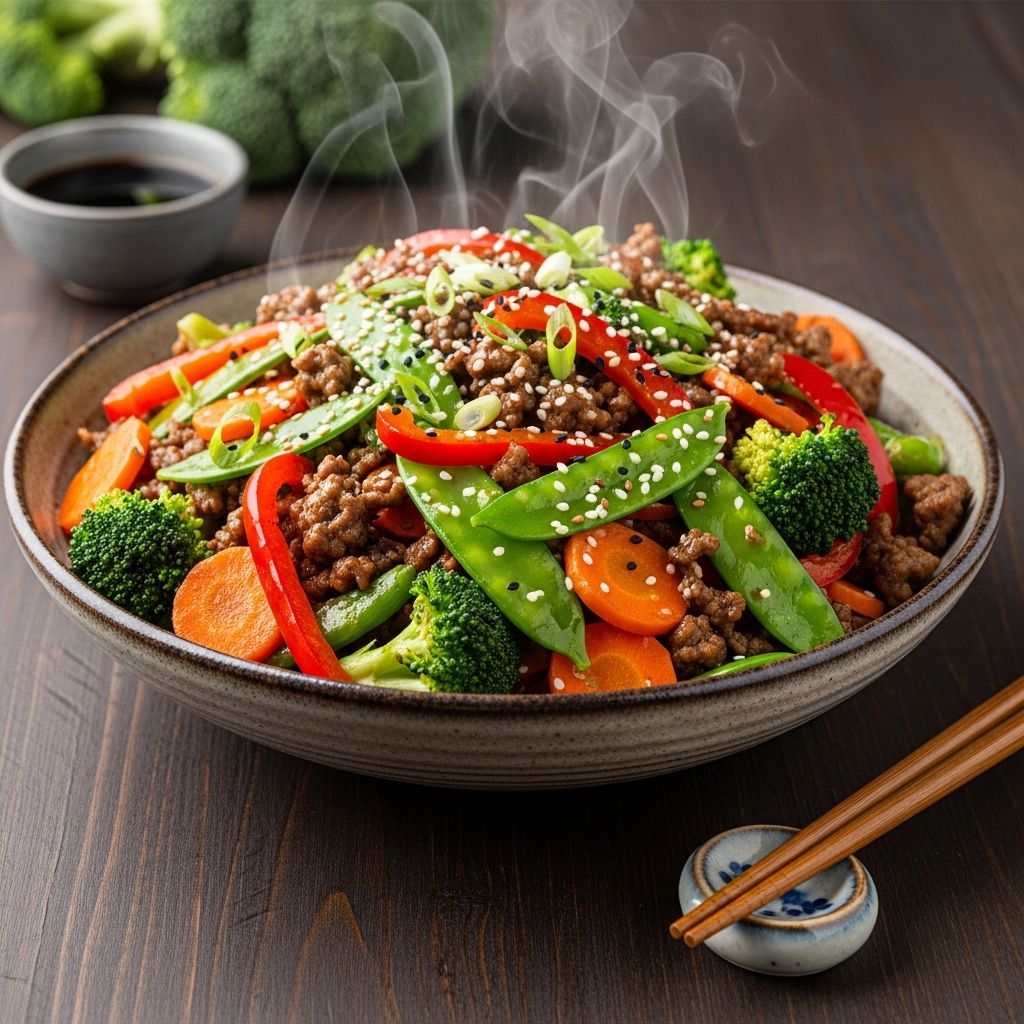
Ground beef stir fry represents one of the most accessible and forgiving entries into the world of Asian-inspired home cooking. Unlike traditional stir fry recipes that demand precision timing and specialized equipment, this humble one-pan dish adapts beautifully to whatever ingredients you have available while delivering restaurant-quality results. The combination of seasoned beef, vibrant vegetables, and a perfectly balanced sauce creates a meal that satisfies both the palate and the schedule of busy households.
Why Ground Beef Transforms Stir Fry Cooking
Ground beef offers distinct advantages over whole cuts in stir fry preparation. The smaller size means faster cooking times, with the meat reaching completion in just a few minutes. This accelerated timeline eliminates the challenge of timing coordination that plagues many home cooks when combining multiple proteins and vegetables. Additionally, ground beef’s texture allows it to distribute throughout the dish more evenly, ensuring every bite contains a portion of seasoned meat rather than leaving some forkfuls vegetable-only.
The fat content in ground beef also plays a crucial role in flavor development. A blend containing 15-20% fat provides the necessary richness and moisture that prevents the finished dish from tasting dry or bland. Leaner options work in pinch, though they may require slightly more cooking oil to achieve the same depth of flavor and prevent sticking during the browning phase.
Selecting and Preparing Your Protein
The foundation of any successful ground beef stir fry begins with thoughtful beef selection. An 80/20 or 85/15 ground beef blend offers the optimal balance between flavor and health considerations. These ratios provide sufficient fat marbling to keep the meat tender and flavorful while avoiding excessive greasiness that can overwhelm the finished dish.
Before cooking, ensure your ground beef is completely thawed if previously frozen. Cold meat tends to clump and cook unevenly, creating an inconsistent texture. Bring the beef to room temperature for approximately 20 minutes to facilitate more uniform browning and better incorporation of seasonings.
Season your ground beef simply with salt and pepper before cooking. This straightforward approach allows the meat’s natural flavors to shine while providing a neutral base that won’t compete with the sauce components being added later. The more complex seasoning will arrive through the sauce itself, which contains garlic, ginger, soy sauce, and other aromatic elements.
Building Your Vegetable Foundation
Vegetable selection represents one of the most flexible aspects of stir fry creation. While traditional recipes suggest specific vegetables, the beauty of this dish lies in its adaptability to seasonal availability and personal preference. Fresh vegetables not only provide nutritional value but also create textural contrast and visual appeal in the finished dish.
Recommended Vegetable Options
- Bell peppers — Red, yellow, or orange varieties add sweetness and vibrant color; cut into thin strips or bite-sized pieces
- Carrots — Julienned or thinly sliced, they provide natural sweetness and a satisfying crunch
- Zucchini — Sliced into half-moons or thin coins, offering mild flavor and tender texture
- Mushrooms — Baby bella or cremini varieties contribute umami depth and meaty texture
- Broccoli florets — Adding them near the end of cooking preserves their nutritional value and vibrant green color
- Green beans — Trimmed and cut into 2-inch pieces, they maintain a pleasant crisp texture
- Asparagus — Cut into bite-sized pieces after trimming the woody ends
- Onions — Thinly sliced or diced, they caramelize during cooking and add depth
- Snap peas — Added near the end for a fresh crunch and bright appearance
A practical formula suggests combining approximately 1 pound of ground beef with 8 cups (roughly 2 pounds) of fresh vegetables. This ratio ensures adequate vegetable distribution throughout the dish while maintaining proper sauce-to-ingredient balance. Frozen vegetables work perfectly in this application, eliminating the need for special shopping trips while reducing food waste.
Crafting Your Sauce Profile
The sauce represents the soul of any stir fry preparation, transforming simple ingredients into something extraordinary. A well-constructed sauce balances four fundamental taste elements: salt (from soy sauce), sweetness (from honey or brown sugar), aromatics (from garlic and ginger), and depth (from both the protein-based broth and umami-rich components).
Core Sauce Components
Begin with a liquid base combining beef and chicken broth in roughly equal proportions. This combination provides savory depth while preventing an overly heavy taste. Approximately 1.5 to 2 cups of total broth works well for a pound of ground beef with standard vegetable quantities.
Soy sauce contributes essential saltiness and umami character. Using one-quarter cup provides adequate seasoning without overwhelming other flavors. For those managing sodium intake, reduced-sodium soy sauce functions as a suitable substitute with minimal impact on the final result.
Sweetness can come from honey (quarter cup) or brown sugar as an equivalent substitute. This sweetness balances the saltiness of the soy sauce and creates a well-rounded flavor profile that appeals to most palates. Some recipes incorporate a teaspoon of hot sauce to add subtle complexity and a gentle background heat.
Aromatics form the backbone of authentic stir fry character. Mince three to four garlic cloves extremely fine to ensure they distribute evenly throughout the sauce. Fresh ginger, either minced or grated, should be added at approximately one-quarter to one-half teaspoon depending on personal tolerance for its distinctive warm flavor.
Thickening Agent Strategy
A cornstarch slurry prevents your finished stir fry from becoming watery while maintaining the necessary liquid for sauce adherence to the meat and vegetables. Mix three tablespoons of cornstarch with three tablespoons of cold water in a separate vessel, whisking thoroughly to eliminate lumps. Add this mixture gradually during the final cooking stages, stirring constantly until the sauce reaches desired consistency. This technique prevents the starch from clumping and ensures smooth, glossy results.
Cooking Technique and Timing
Success in stir fry cooking depends heavily on proper heat management and ingredient sequencing. High heat ensures that vegetables develop flavor through light caramelization while remaining slightly firm rather than becoming mushy.
Step-by-Step Cooking Process
- Heat your cooking vessel — Use a large skillet or wok over medium-high heat with two tablespoons of oil. Allow it to reach proper temperature so that ingredients immediately sizzle upon contact.
- Brown the ground beef — Add seasoned ground beef, breaking it into small pieces as it cooks. Continue cooking for 4-5 minutes until no pink remains and the meat develops light browning. Drain excess grease, leaving approximately one tablespoon in the pan.
- Deglaze if desired — Some recipes call for adding a splash of dry white wine or additional broth at this point, which loosens flavorful browned bits from the pan bottom. Let it reduce by half before proceeding.
- Cook longer-cooking vegetables first — Add harder vegetables like broccoli, green beans, and carrots. These require 3-4 minutes of cooking to achieve proper tenderness. Toss frequently to ensure even heating.
- Introduce quicker-cooking vegetables — Add bell peppers, zucchini, and mushrooms, cooking for an additional 2-3 minutes until they reach desired doneness.
- Incorporate the sauce — Return the cooked ground beef to the pan and add your prepared sauce mixture. Bring to a gentle boil, allowing the sauce to reduce slightly for 2-3 minutes.
- Thicken to desired consistency — Slowly add the cornstarch slurry while stirring constantly. The sauce will noticeably thicken and become glossy within 1-2 minutes.
- Final seasoning adjustment — Taste and add salt or pepper as needed. Remember that soy sauce already contributes considerable salt, so taste before adding additional seasoning.
Serving and Pairing Suggestions
Ground beef stir fry pairs beautifully with numerous side dishes that complement rather than compete with its savory-sweet profile. Steamed white rice or brown rice serves as the classic foundation, absorbing the flavorful sauce and providing textural contrast to the vegetables and meat.
Alternative grain options include cauliflower rice for lower-carbohydrate preferences, jasmine rice for aromatic complexity, or egg fried rice for additional richness. Wide rice noodles or regular noodles work equally well, transforming the dish into a noodle-based preparation. Some cooks prefer serving over lettuce leaves as a lower-carb option that provides fresh crunch.
Garnishing elevates both appearance and flavor. Thinly sliced green onions or chives add mild onion brightness, while toasted sesame seeds contribute a distinctive nutty flavor and visual interest. Cilantro works for those enjoying its distinctive herbaceous character. A light drizzle of toasted sesame oil added just before serving provides aromatic depth without overpowering other elements.
Storage and Leftover Management
Ground beef stir fry stores remarkably well, making it an excellent choice for meal preparation planning. Allow the finished dish to cool completely before transferring to airtight containers. Properly stored stir fry maintains quality for 3-4 days in the refrigerator. Freeze portions in individual containers for up to three months, though the vegetables may develop a slightly softer texture upon thawing.
Reheating can occur in a skillet over medium heat with a splash of water to restore moisture, or in the microwave in 2-3 minute intervals, stirring between sessions. The sauce tends to thicken further upon refrigeration, so adding a tablespoon of broth or water during reheating restores the original consistency.
Customization Framework
Creating personalized variations allows cooks to adapt this recipe to specific dietary needs or flavor preferences. Substitute ground chicken or turkey for a leaner protein option, adjusting cooking time slightly as these meats cook slightly faster than beef. Vegetarian preparations use crumbled tofu or mushrooms as the primary protein component while maintaining the same sauce and vegetable structure.
| Dietary Preference | Suggested Modifications |
|---|---|
| Low-sodium | Use reduced-sodium soy sauce and low-sodium broth |
| Gluten-free | Substitute tamari for soy sauce and use cornstarch for thickening |
| Dairy-free | This recipe is naturally dairy-free when using vegetable oil |
| Keto-friendly | Use cauliflower rice and replace honey with erythritol |
| Vegetarian | Replace beef with crumbled tofu or additional mushrooms |
Troubleshooting Common Issues
Understanding potential pitfalls helps ensure consistent success. Watery sauce typically results from insufficient cornstarch or premature sauce addition. Add more cornstarch slurry gradually while stirring to correct. Overly thick sauce indicates too much thickening agent; thin with additional broth, one tablespoon at a time.
Vegetables that turn mushy suggest they were cooked too long or the heat was excessive. Reduce cooking time by 1-2 minutes or lower the heat setting. Conversely, vegetables that remain too firm benefit from slightly longer cooking or slightly higher heat to encourage tenderness.
Bland flavor usually signals insufficient seasoning or sauce. Taste carefully and add salt gradually, or add more of your sauce ingredients while stirring to distribute evenly. Ground beef that remains tough typically means it was overcooked; reduce cooking time in future batches to maintain moisture and tender texture.
Making This Recipe Your Own
The framework provided here serves as a foundation for culinary creativity rather than an inflexible formula. Experiment with different vegetable combinations, adjust sauce component ratios to match personal taste preferences, or introduce additional aromatics like sesame oil, five-spice powder, or a small amount of fish sauce for deeper complexity.
Ground beef stir fry epitomizes the type of home cooking that satisfies multiple needs simultaneously: it requires minimal time commitment, uses straightforward ingredients, welcomes ingredient substitutions, and produces results that rival takeout establishments. Once you master the basic technique, you’ll find yourself returning to this recipe repeatedly throughout the year.
References
- One-Pan Ground Beef Stir Fry — Running to the Kitchen. https://www.runningtothekitchen.com/ground-beef-stir-fry/
- Ground Beef Stir Fry — WellPlated.com. https://www.wellplated.com/ground-beef-stir-fry/
- Ground Beef Stir Fry (with Video) — Natasha’s Kitchen. https://natashaskitchen.com/ground-beef-stir-fry/
- Ground Beef Stir Fry — The Cozy Cook. https://thecozycook.com/ground-beef-stir-fry/
- The Best Ground Beef Stir Fry Recipe — The Real Food Dietitians. https://therealfooddietitians.com/ground-beef-stir-fry/
Similar Articles








Read full bio of Sneha Tete