Mastering Grilled Chicken Wings
Unlock the secrets to crispy, flavorful grilled chicken wings that rival any deep-fried version with expert techniques and recipes.
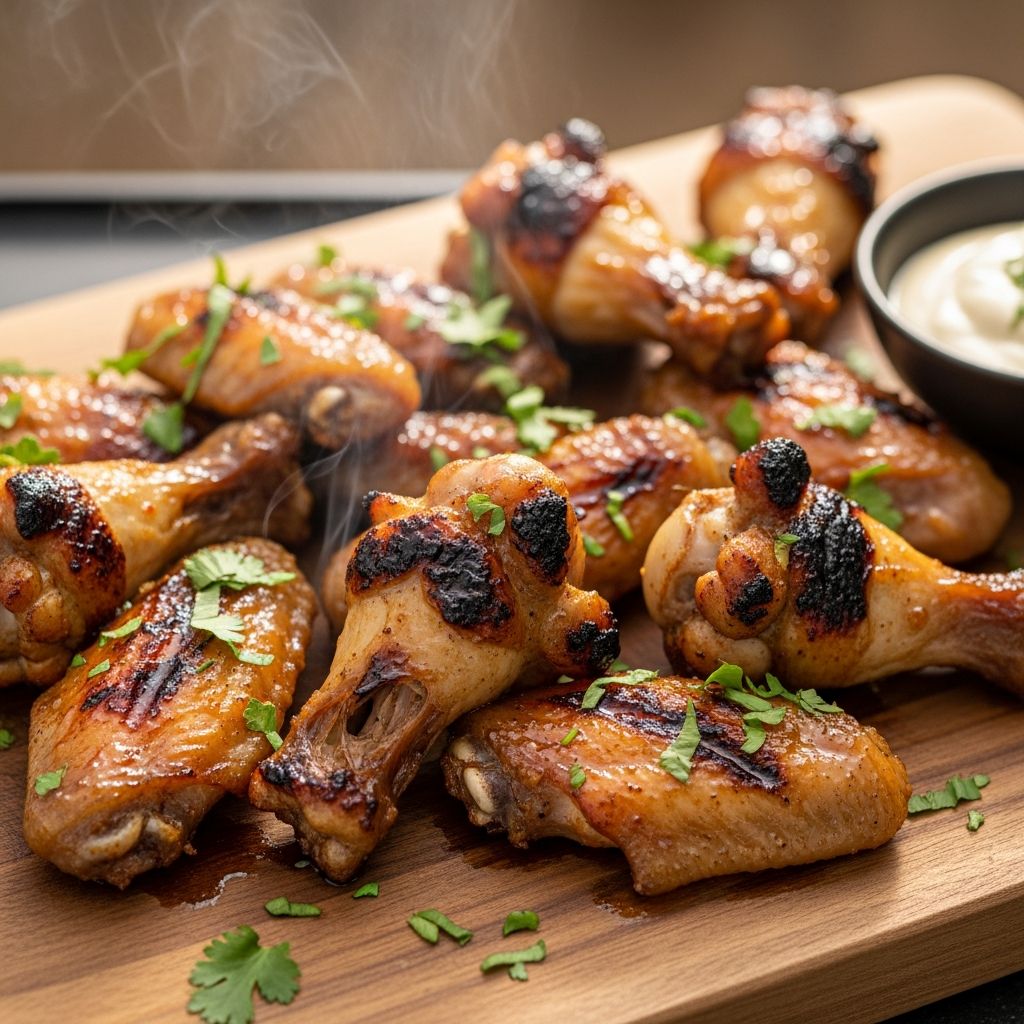
Mastering Grilled Chicken Wings: Your Guide to Backyard Perfection
Grilled chicken wings have become a staple at summer barbecues, game-day gatherings, and casual weeknight dinners. Unlike their deep-fried counterparts, grilled wings offer a smoky char and healthier profile without sacrificing flavor or texture. The key lies in preparation, heat management, and finishing touches that elevate simple poultry to craveable status. This comprehensive guide explores everything from selecting the best wings to advanced grilling strategies, ensuring your next batch delivers restaurant-quality results.
Selecting and Preparing the Perfect Wings
Start with quality ingredients. Opt for fresh, plump chicken wings from a trusted butcher or market. Look for wings with a good mix of drumettes and flats, ideally separated at the joint for even cooking. Frozen wings work in a pinch but thaw them completely in the refrigerator to avoid excess moisture on the grill.
- Portion size: Aim for 8-12 wings per person as an appetizer.
- Skin condition: Intact, taut skin crisps beautifully; trim any excess fat to prevent flare-ups.
- Freshness check: No off odors, firm texture, and vibrant color.
Preparation begins 24 hours ahead for maximum flavor penetration. Pat wings dry thoroughly with paper towels—this removes surface moisture crucial for crispy skin. A quick rinse under cold water followed by thorough drying prevents bacterial growth and promotes even seasoning adhesion.
The Science of Brining for Juicy Results
Brining infuses wings with moisture and seasoning, countering the drying effects of high-heat grilling. A basic brine uses salt, sugar, and water in a 1:1:10 ratio, but enhancements like citrus, herbs, or spices tailor flavors uniquely.
| Brine Type | Ingredients | Soak Time | Flavor Profile |
|---|---|---|---|
| Classic Salt Brine | ¼ cup kosher salt, ¼ cup sugar, 4 cups water | 4-8 hours | Neutral, enhances natural chicken flavor |
| Spicy Citrus Brine | ⅓ cup salt, 2 tbsp honey, juice of 2 oranges, 1 jalapeño, 3 cups water | 6-12 hours | Bright, tangy heat |
| Buttermilk Brine | 2 cups buttermilk, 2 tbsp salt, 1 tsp garlic powder | 8-24 hours | Tenderizing, subtle tang |
Submerge wings fully in the brine, refrigerate covered, and rinse lightly before drying. Brining increases juiciness by 15-20% through osmosis, where salt draws moisture into cells while sugar aids browning via the Maillard reaction. According to USDA guidelines on poultry preparation, brining safely enhances texture without compromising food safety when done properly.1
Seasoning Strategies for Bold Flavor
Dry rubs outperform wet marinades for grilling, creating a flavorful crust without burning sugars. Apply seasoning post-brine after thorough drying; let wings rest uncovered in the fridge for 2-4 hours to form a pellicle—a tacky surface that locks in seasonings.
Essential Dry Rub Recipe:
- 2 tbsp smoked paprika
- 1 tbsp brown sugar
- 1 tbsp kosher salt
- 1 tsp black pepper
- 1 tsp garlic powder
- 1 tsp onion powder
- ½ tsp cayenne (adjust for heat)
Mix and massage generously onto wings. For variety, experiment with global twists: Korean gochujang rub, Mexican adobo, or Indian tandoori masala. Oil lightly with neutral oil like canola to promote sticking and prevent drying.
Grill Setup: Mastering Heat Zones
Success hinges on two-zone grilling: direct high heat for charring and indirect for cooking through. Preheat gas grills to 450-500°F or charcoal to glowing embers with a cooler side.
- Prepare zones: Half the grill hot (direct), half cooler (indirect).
- Oil grates: Use tongs and paper towel dipped in oil to prevent sticking.
- First sear: Place wings skin-side down on direct heat, 3-4 minutes per side until golden.
- Move to indirect: Close lid, cook 15-20 minutes until internal temp hits 165°F (74°C), flipping occasionally.
- Crisp finish: Return to direct heat 2-3 minutes for extra char.
Use a meat thermometer religiously—overcooking dries wings, undercooking risks safety. FDA recommends 165°F minimum for poultry.2
Signature Grilled Wings Recipes
Classic Buffalo Grilled Wings
Ingredients (serves 4): 3 lbs wings, brine ingredients, rub, ½ cup Frank’s hot sauce, 4 tbsp butter, 1 tsp Worcestershire.
After grilling, toss hot wings in sauce mixture. Serve with celery, carrots, and blue cheese.
Honey Garlic Grilled Wings
Sweet-savory perfection: Grill as directed, then glaze with reduced mix of ½ cup honey, ¼ cup soy sauce, 4 minced garlic cloves, 1 tbsp ginger. Broil 1-2 minutes for caramelization.
Smoky BBQ Dry Rub Wings
No sauce needed—the rub shines. Double rub quantity, add 1 tsp liquid smoke to brine for extra depth.
Troubleshooting Common Grilling Pitfalls
Problems arise but have solutions:
- Soggy skin: Insufficient drying or low heat—pat dry longer, crank temp to 500°F.
- Flare-ups: Trim fat, keep indirect zone ready, spritz with water if needed.
- Uneven cooking: Smaller wings cook faster; sort by size or use same-batch.
- Lack of char: Clean hot grates, don’t overcrowd, finish over direct flame.
Rest wings 5 minutes post-grill; carryover cooking crisps skin further.
Advanced Techniques for Pro-Level Wings
Par-cook via steaming or oven (30 min at 250°F) before grilling shaves time and ensures doneness. Reverse-sear pros smoke low-and-slow first, then blast hot. For crispy obsession, air-fry pre-grill or use baking powder (1 tsp per lb) in rub—alkaline environment dehydrates skin for ultimate crunch, per Serious Eats testing.3
Pairing and Serving Suggestions
Complement with cold beers, coleslaw, potato salad, or grilled corn. Dips: ranch, honey mustard, sriracha mayo. Scale up for crowds—grill in batches to maintain heat.
Frequently Asked Questions
Can I grill wings without a brine?
Yes, but expect drier results. Season liberally and monitor closely.
Gas vs. charcoal—which is better?
Charcoal imparts more smoke; gas offers convenience and control.
How do I reheat leftovers?
Oven at 375°F for 10 minutes or air fryer at 400°F for crispiness.
Are wings healthy grilled?
Lower fat than fried; skin removal cuts calories further. Pair with veggies.
Best wood for smoking wings?
Hickory, apple, or cherry for balanced smoke without overpowering.
References
- Poultry Preparation and Cooking Guidelines — USDA Food Safety and Inspection Service. 2023-05-15. https://www.fsis.usda.gov/food-safety/safe-food-handling-and-preparation/poultry/chicken-farm-table
- Food Code: Safe Cooking Temperatures — U.S. Food and Drug Administration. 2022-09-28. https://www.fda.gov/food/retail-food-protection/fda-food-code/food-code-2022
- The Food Lab: How to Get Crispy Chicken Wings — Serious Eats (J. Kenji López-Alt). 2016-07-12 (updated 2024). https://www.seriouseats.com/crispy-baked-chicken-wings-recipe
- Grilling Poultry Safely — Centers for Disease Control and Prevention. 2024-02-10. https://www.cdc.gov/foodsafety/keep-food-safe.html
Similar Articles





Read full bio of medha deb